







Introduction:Drip bags, known for their convenience and distinct flavor profiles, have become a popular choice for many office workers seeking a daily energy boost. But how much caffeine does a single drip bag contain? How many can you safely consume in a day without exceeding recommended limits? This article explores the origins of drip bags, explains the brewing method and caffeine calculation principles, and refers to recommendations from the U.S. FDA to help you understand safe intake levels. We also provide a variety of flavor options to guide you in finding the taste that best suits your personal preferences.
In today’s fast-paced work environment, coffee has long been an indispensable energizing companion for many professionals. However, not everyone enjoys the intense kick of espresso—more people prefer single-origin coffees that highlight the unique characteristics of different growing regions. Yet, in busy office settings with limited equipment, brewing a proper pour over can be quite a challenge.
This is where drip bags come in as the ideal compromise. Without the need for complex tools, all you need is hot water and a cup to easily enjoy a coffee experience close to that of pour over. However, for those who are mindful of their caffeine intake—especially those sensitive to caffeine—the question often arises: how much caffeine is really in a single drip bag? And how many can you drink in a day without it being unsafe?
The origin of drip bags can be traced back to Japan in the 1990s. In 1990, the Yamayan Industries Co., Ltd. in Japan first developed a prototype of the drip bag and applied for a patent, though the initial design only featured a single side handle on the filter bag. By 1996, Daki Shoji Co., Ltd. introduced an improved version that moved the handles to the bottom of the filter bag, but still kept the single-side design.
The real breakthrough came in 1999 when Daki Shoji applied for a double-side handle patent with the European Patent Office. This innovation allowed the filter bag to sit more stably on the edge of a cup and ensured the brewing spout fully expanded, significantly improving brewing stability and flow. It also laid the foundation for the mainstream market design that followed. In 2001, drip bags officially launched in Japan and quickly gained market share due to their ease of use and portability. To this day, they account for approximately 15% of regular coffee consumption in Japan.
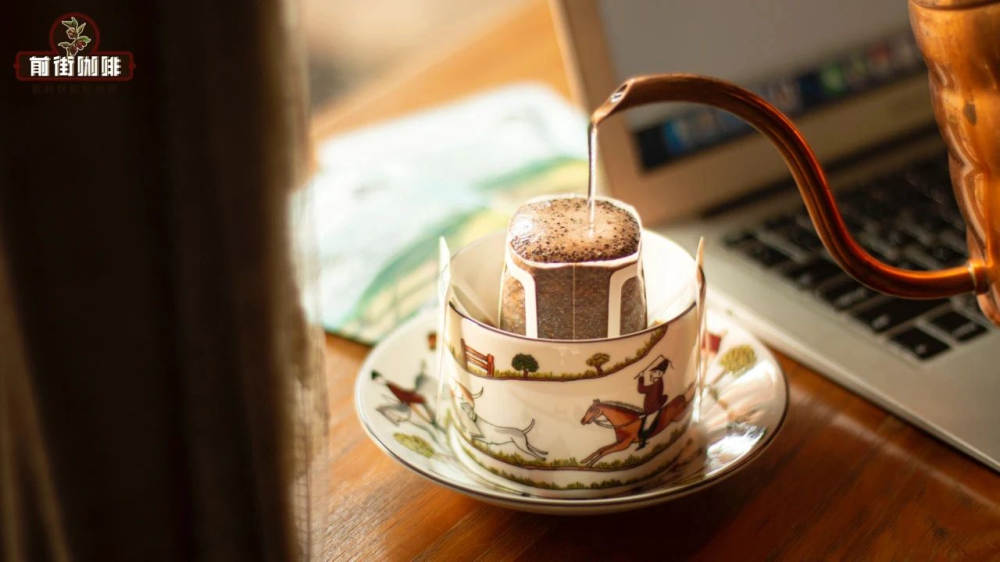
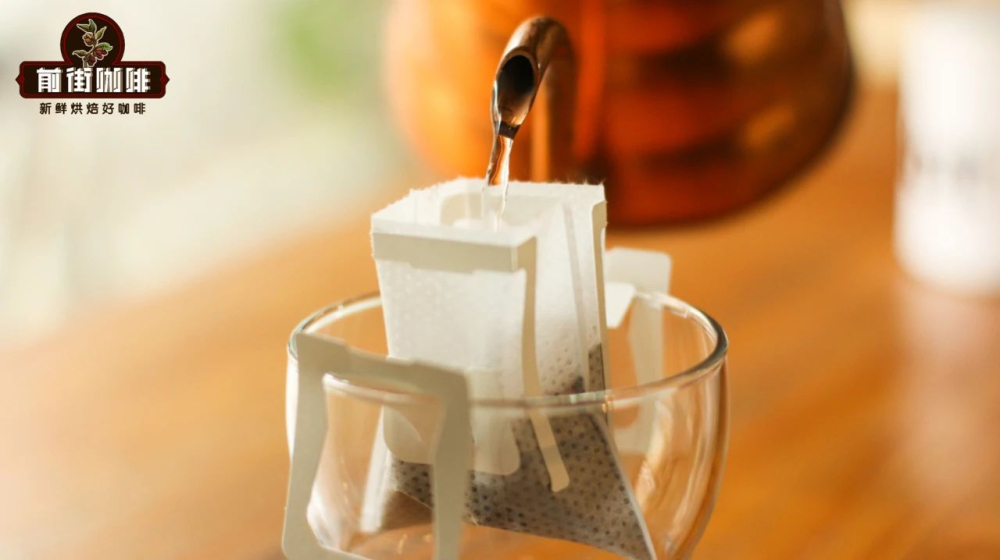
Compared to traditional pour over or electric coffee makers, the biggest advantage of drip bags lies in their convenience and balanced flavor. With just hot water and a cup of about 200 ml capacity, you can easily brew a cup of coffee with clear flavor and pronounced aroma—perfect for environments like offices where large brewing equipment isn’t practical.
Brewing a drip bag is a relatively simplified process, eliminating steps such as weighing beans, grinding, and wetting the filter paper. Typically, each drip bag contains about 8 to 12 grams of coffee grounds, and it’s recommended to pour 120 to 180 grams of hot water. The exact amount can be adjusted based on personal taste—reduce water for a stronger brew or increase for a lighter one. The entire brewing process takes no more than three minutes once the filter bag is removed.
It’s important to note that during brewing, the coffee grounds must remain inside the filter bag. Never pour them out to brew directly, as this could result in drinking a mouthful of coffee grounds and severely impact the taste. The correct way to brew a drip bag is through drip extraction, which preserves the delicate flavors of the coffee while avoiding any gritty mouthfeel.
Faced with a wide array of drip bag options, consumers often don’t know where to start. A good approach is to consider the coffee bean origin, processing method, and flavor profile. For example, if you prefer bright acidity and citrus notes, you might choose beans from Ethiopia’s Yirgacheffe region, where washed beans often feature lively lemon, jasmine, and honey undertones. If you’re drawn to floral aromas or high-altitude characteristics, Panama’s Boquete region produces Geisha beans renowned for their intricate floral notes and full body.
Additionally, many consumers are fond of coffees with fermented or wine-like flavors. These drip bags often exhibit rich fruit jam, berry, or even caramel sweetness, appealing to those who seek layered taste experiences. When selecting, pay attention to the product descriptions of flavor profiles to help find your perfect match.
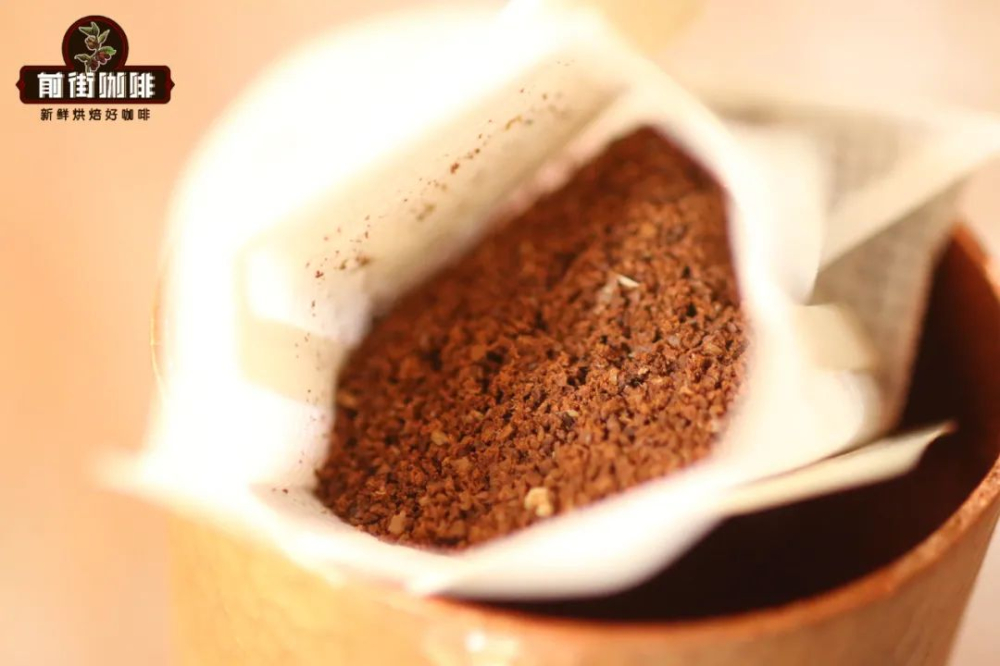
So, returning to the original question: how much caffeine is in a single drip bag? Taking the common 10 to 12 grams of Arabica coffee grounds as an example, based on extraction rates and caffeine ratios, the caffeine content per bag is approximately between 15 to 20 milligrams, though actual values may vary slightly depending on bean variety, roast level, and grind size.
According to the U.S. Food and Drug Administration (FDA), the recommended maximum daily caffeine intake for adults is 400 milligrams. This roughly equates to about 12 to 20 cups of standard pour over coffee per day (depending on the caffeine content per cup). However, individual caffeine tolerance varies greatly—some people may experience sleep disturbances or palpitations after just a small amount—so it’s best to adjust your intake based on your own reactions, especially if you’re sensitive to caffeine.
In summary, drip bags offer a convenient and flavorful way to enjoy coffee, meeting the needs of modern individuals who want a quality cup even amid a busy lifestyle. By mastering basic brewing techniques and following daily intake recommendations, you can strike a balance between staying alert and maintaining health. Most importantly, choose a flavor profile that suits your taste so that every cup becomes a small moment of joy during your workday.
The above content is compiled by CoffeeHunters, a coffee news website.


