







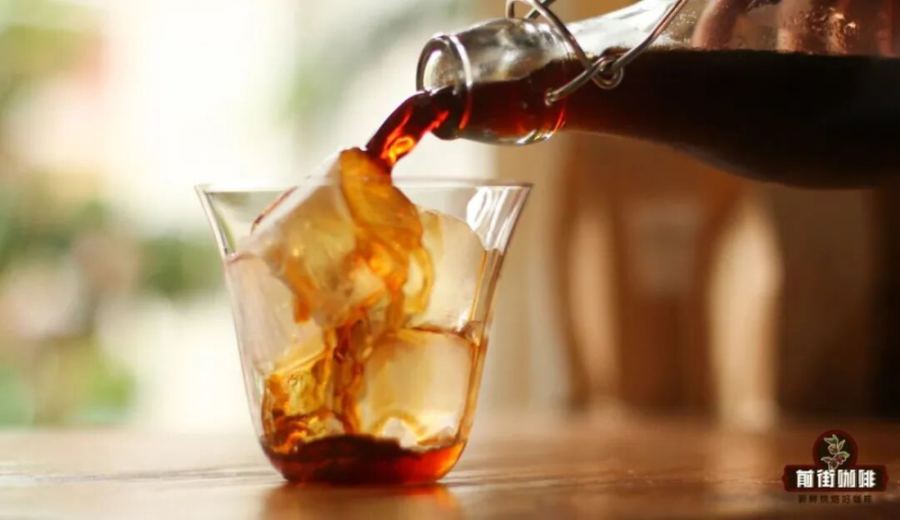
Introduction:Cold drip coffee always piques curiosity—why is it priced so much higher than regular iced coffee, yet still attracts countless coffee enthusiasts? This article delves into the fundamental differences between cold drip and cold brew in terms of extraction principles, required equipment, and brewing steps. It also breaks down four key elements—grind size, drip rate, coffee-to-water ratio, and aging time—to help you understand why cold drip boasts a rich, smooth, and layered unique flavor, and why most people opt to buy it rather than make it at home.
Cold drip coffee is often grouped with iced americano, iced latte, and pour over iced coffee as types of iced coffee, but it differs significantly in price and production craftsmanship. Not only is the per-cup price higher, but its complex production process also adds an air of mystery. While both cold drip and cold brew use low-temperature extraction, their principles and methods are fundamentally different. This article will dissect the logic behind cold drip coffee production by examining key factors such as equipment design, grind settings, drip control, extraction ratios, and aging stages, and provide a direct comparison with cold brew methods to help you understand why cold drip tastes richer, smoother, and more layered.
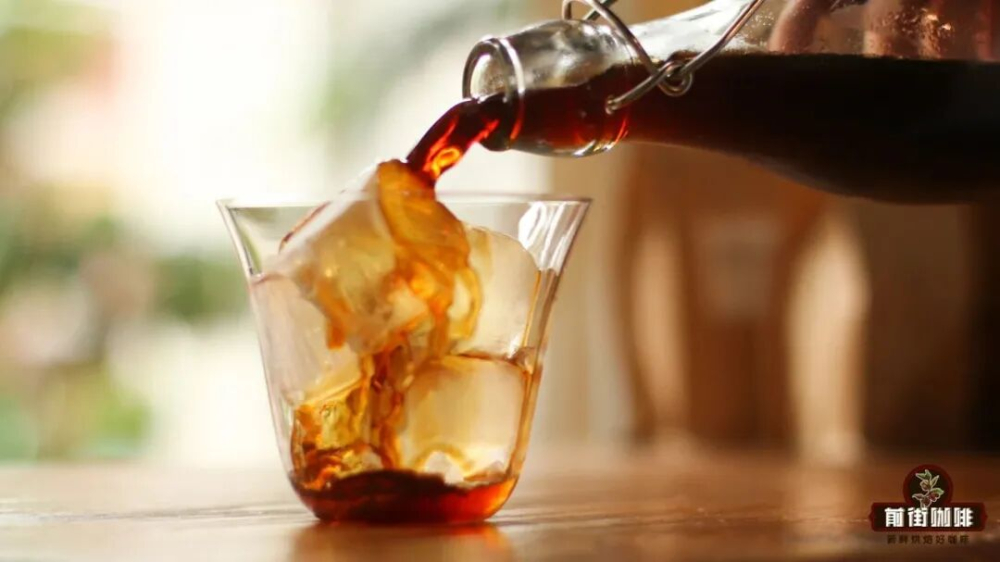
Many coffee lovers have noticed that although cold drip coffee falls under the iced coffee category, its price is often much higher than that of iced americano or iced latte, sometimes even with less volume. For example, at some cafes, a regular iced americano might cost around 23 yuan, while the same-sized cold drip coffee could be priced at 40 yuan—a price difference of over ten yuan. This value gap is actually reflected in the craftsmanship and flavor profile.
Aside from the higher price, the production process of cold drip coffee is often seen as mysterious. Unlike cold brew, which simply involves mixing coffee grounds with cold water and refrigerating for a few hours, cold drip requires specialized equipment, strict control over drip speed, grind size, and extraction time, and several days of aging to reach optimal flavor. This explains why most consumers prefer to buy ready-made cold drip rather than attempt to make it at home.
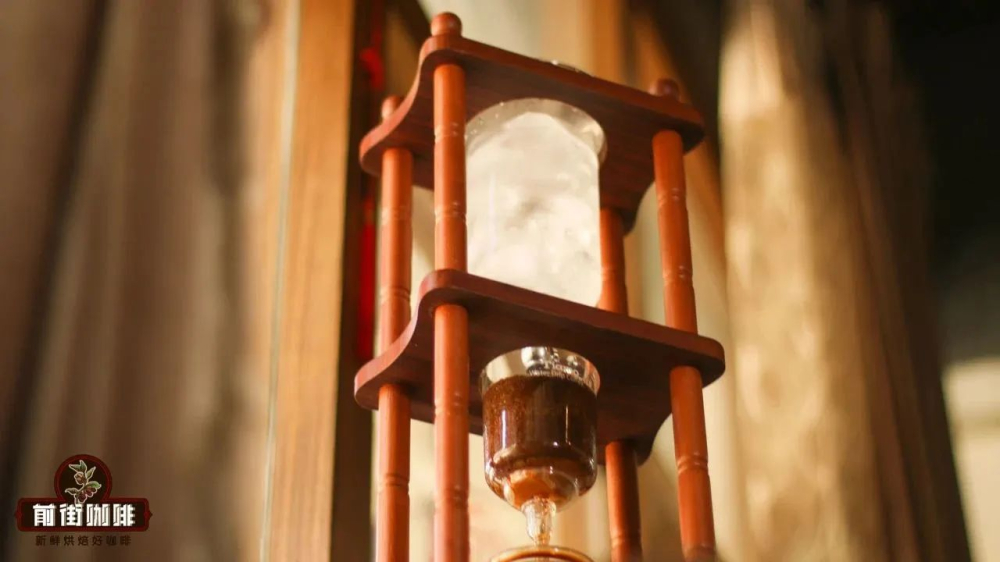
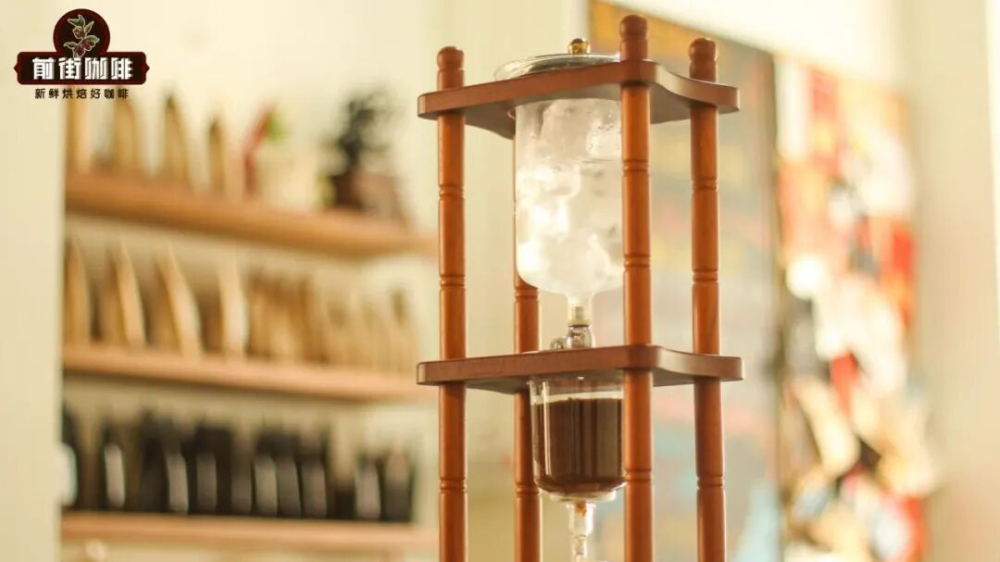
In short, cold drip coffee relies on a specialized piece of equipment called a "cold drip tower," which consists of three tiers: the top for ice water, the middle for coffee grounds, and the bottom for collecting the dripped extraction. The entire process is a continuous, multi-stage, low-temperature extraction method, where ice water slowly seeps through the coffee grounds layer by layer, gradually extracting flavor compounds. This form of extraction is also considered a type of "low-temperature drip filtration," which, compared to brewing at room temperature or high temperatures, reduces the release of bitterness and impurities.
The word "drip" in its name highlights the core concept—ice water flows from the top chamber through an adjustable valve, dripping evenly onto the coffee grounds in the middle chamber, and finally collecting in the bottom chamber as the extracted liquid. To ensure stable extraction, the drip rate must be maintained within a certain range, and after the filtration is complete, the coffee liquid usually undergoes several days of refrigerated aging to achieve a rounder, smoother, and more layered flavor.
In summary, making cold drip coffee not only requires specific equipment, but also precise control over various parameters—including grind size, flow rate, ratio, and time—along with a lengthy aging process, to produce a cup with outstanding flavor. In contrast, cold brew is simple to make and accessible to almost anyone, which is one of the main reasons why cold drip is rarely made at home.
In the production of cold drip coffee, there are four key elements that directly impact the final flavor and quality: grind size of the coffee grounds, drip rate, extraction ratio, and aging time. These variables are not only interrelated but also need to be adjusted based on the roast level of the coffee beans used to achieve the best results.
1. Grind Size of Coffee Grounds
The grind size of cold drip coffee affects the water penetration rate and extraction efficiency. If the grind is too coarse, water will pass through the coffee layer too quickly, resulting in under-extraction and a flat flavor; if it's too fine, it can easily clog, leading to over-extraction and unpleasant bitterness or off-flavors. It is generally recommended to use a grind size with about 83-85% extraction efficiency, which is slightly finer than pour over. You can calibrate using a No. 20 sieve (0.85mm). The common grind size order for various brewing methods is: cold drip ≈ cold brew > pour over > drip coffee > French press.
2. Drip Rate
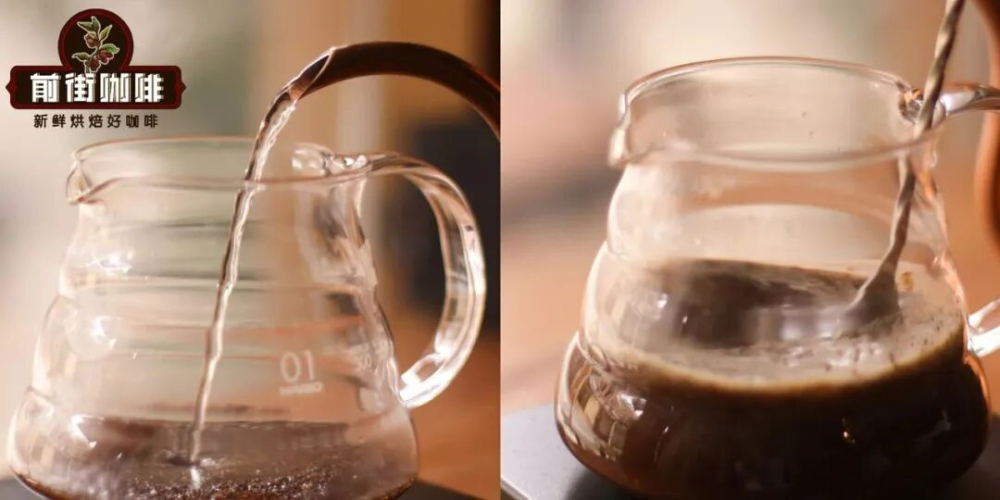
Cold drip is a dynamic extraction process where water drips uniformly and continuously through the coffee grounds to steadily release flavors. Too fast a drip rate leads to under-extraction and a shallow flavor; too slow may cause over-fermentation, resulting in sourness, astringency, or off-flavors. In practice, for light-roast beans, a rate of 7 drops per 10 seconds is recommended to highlight bright fruity and floral notes, such as some African beans or citrus-forward profiles; for medium-roast beans, reducing to 5 drops per 10 seconds is suggested to bring out a fuller body and fermentation layers, such as some Central and South American beans or nutty profiles.
3. Extraction Ratio
The coffee-to-water ratio in cold drip affects concentration and extraction yield. It is generally recommended to use a 1:10 ratio, meaning 1 gram of coffee grounds to 10 grams of water, suitable for those seeking a bold flavor. For a lighter taste, the ratio can be increased to 1:12 to 1:14, making the cold drip coffee more suitable for direct drinking without being overly heavy.
4. Aging Time
Cold drip coffee does not reach its optimal flavor immediately after filtration. The freshly extracted coffee needs several hours to several days of refrigerated aging to allow internal substances to slowly ferment and settle, resulting in a smoother, richer mouthfeel. Generally, the 3rd to 5th day is the peak flavor period, but it is recommended to consume the coffee within 5 days of production to achieve the best flavor and ensure safety.
So, how long does it take to make a cup of cold drip coffee? Taking a standard 200ml cup as an example, using 20g of coffee grounds and 240g of ice water (the total liquid volume after coffee absorption is about 200ml), with a drip rate of 7 drops per 10 seconds, the total dripping time is approximately 2.5 hours. However, in practice, most cafes prepare larger batches, such as using 60g of coffee grounds to make about 600ml of coffee liquid, with a dripping time of around 7 hours, followed by an overnight refrigeration and sale the next day. Therefore, if asked how long it takes to make a cup of cold drip, answering "a day and a night" is actually not an exaggeration.
The above content is compiled by CoffeeHunters, a coffee news website.


