







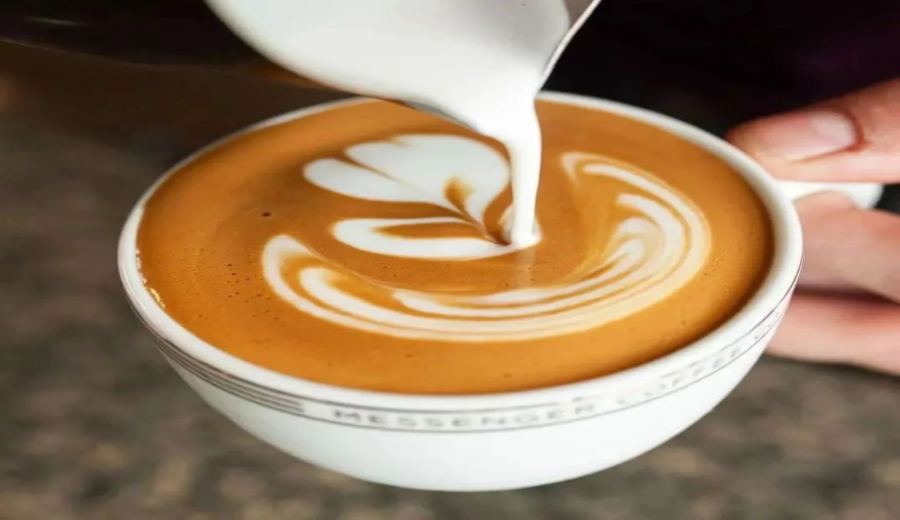
Introduction:Dirty coffee has become a popular choice in cafes in recent years, thanks to its striking layered appearance and visually impactful presentation. This article delves into the preparation method, golden ratio, and unique flavor profile of Dirty coffee, as well as tracing its origins and reasons for its popularity. Whether you’re a coffee enthusiast or simply curious about this viral beverage, you’ll find practical insights and inspiration here.
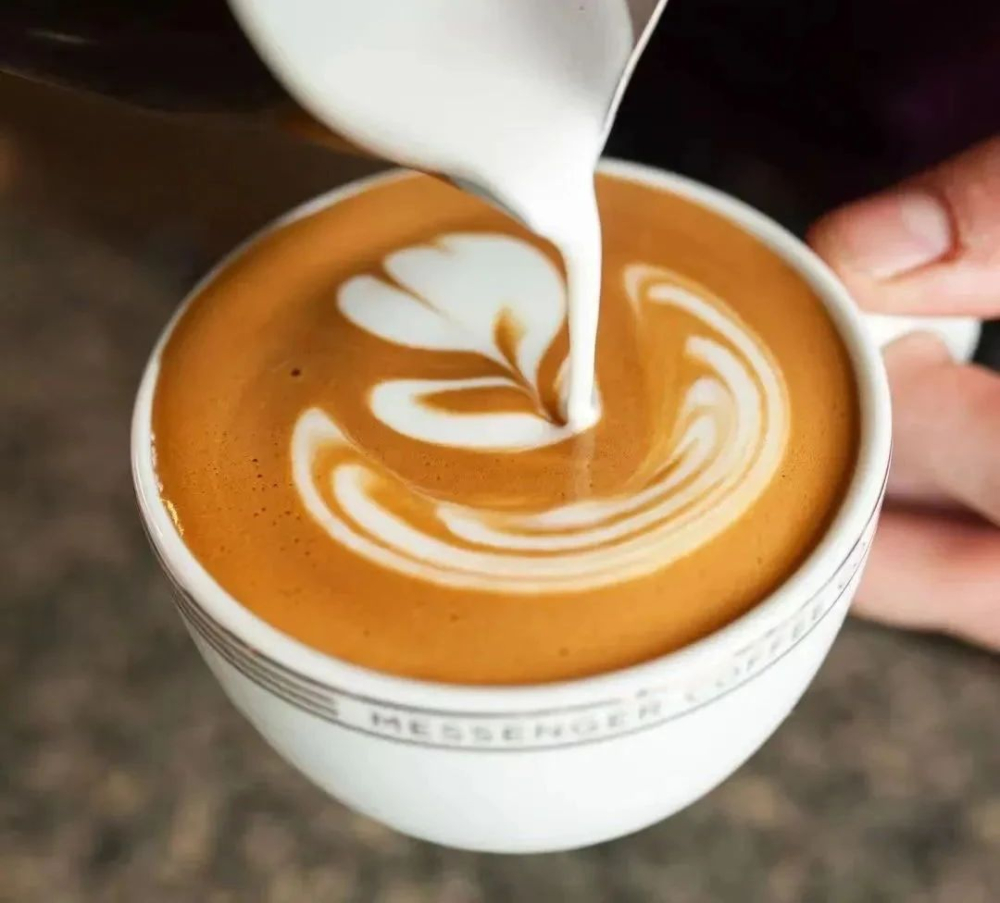
The creative combinations of espresso-based drinks never cease to amaze, with the pairing of espresso and milk giving rise to many classic beverages. Dirty coffee is one such standout, where hot espresso is poured directly over cold milk, creating a bold contrast and distinctive layering. If you’re familiar with the basics of espresso drinks, you’ll notice that Dirty is similar to an iced latte served without ice, but its presentation is entirely different.
 " alt="Dirty coffee illustration" />
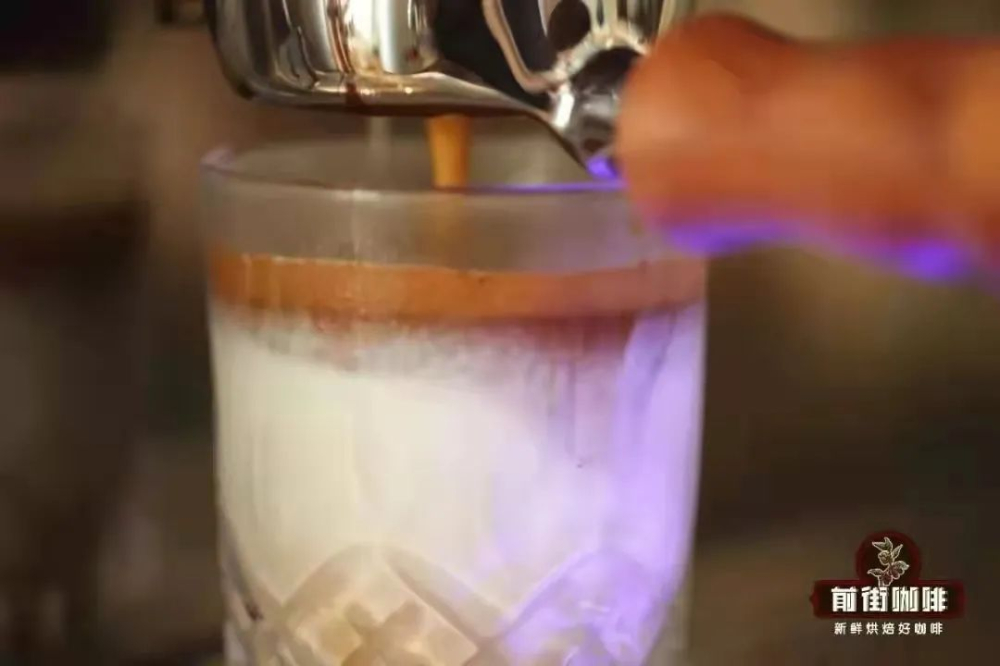
Making Dirty coffee is relatively simple, but details determine success. Taking the professional approach as an example, it typically involves preparing a frozen glass cup with a capacity of around 200 ml, then pouring in 160 to 170 ml of ice milk. Pay attention to the liquid surface—if bubbles appear, gently skim them off with a spoon. Next, place the cup tightly against the espresso machine’s spout and directly extract a standard shot of espresso. To prevent the espresso from spreading too quickly due to impact, it’s recommended to position the cup as close to the group head outlet as possible, controlling the flow rate so that the espresso slowly drips onto the top layer of milk, maintaining a clear layered effect.
 " alt="Dirty coffee making process" />
The concept of “layered coffee” first emerged around 2014 at a café in Beijing, inspired by the techniques of Hong Kong baristas. At that time, it was still considered a niche drink. As specialty coffee culture gained popularity in major cities, this method of combining hot espresso with cold milk gradually spread among baristas and evolved into various names such as “Amber,” “Wu,” “White Night,” and eventually “Dirty.”
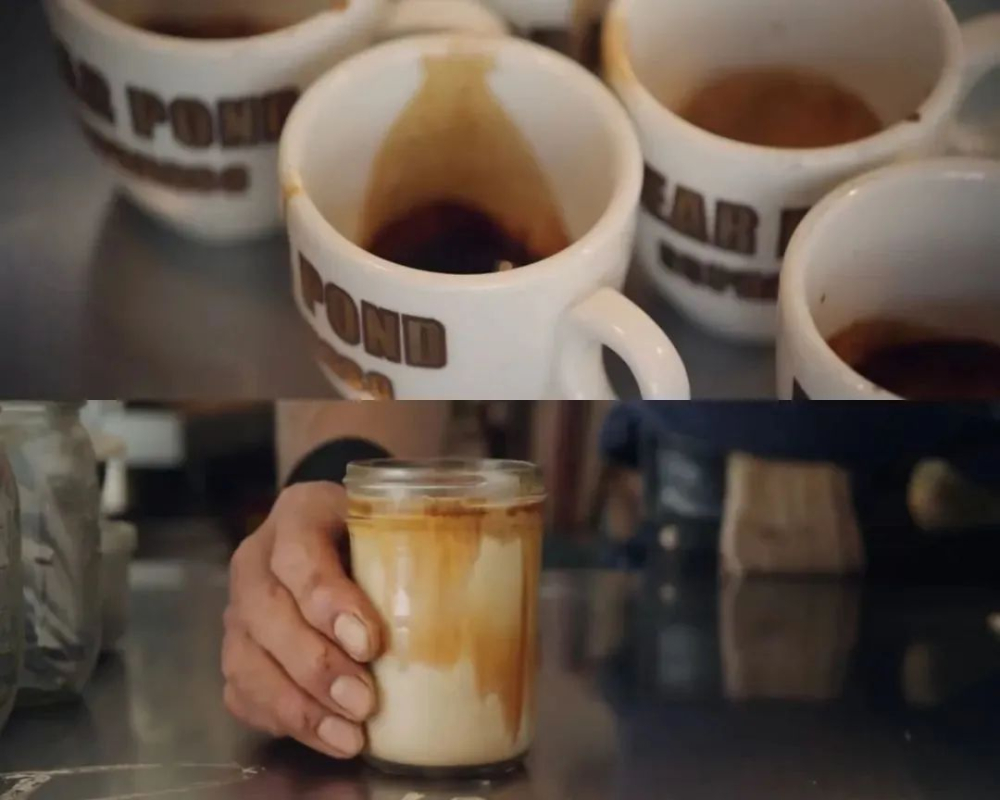
It’s worth mentioning that the true originator of Dirty coffee is Japanese barista Masayuki Tanaka. In 2009, he opened Bear Pond Espresso in Kita-Kasai, Tokyo, where this signature drink appeared on the menu under the name B.P Dirty. He employed a unique technique using a bottomless portafilter to extract the espresso, visually monitoring the flow rate and crema to create an espresso with tear-like staining on the cup walls, dubbed “Angle Stain (Angel’s Stain).” This particular espresso was characterized by dark roasting, high coffee dosage, ultra-high concentration, and low extraction yield—resulting in a double shot that descended slowly. Even without pre-chilling the cup, the layers remained distinct and long-lasting. However, B.P Dirty did not gain widespread popularity in Japan, instead receiving more attention and reinterpretation in Hong Kong and Thailand.
 " alt="Masayuki Tanaka and B.P Dirty" />
Why did this seemingly simple Dirty coffee become an overnight sensation? First, its creation perfectly aligned with the visual aesthetic trends of the internet era. Between 2018 and 2019, “dirty”-style foods were all the rage—take the globally popular dirty choux, for instance, which sparked conversations with its “messy” appearance. Early Dirty coffee also experimented with effects similar to those created by milk foam and cocoa powder (trends in viral products change quickly; for example, the once-popular “forgiveness green” matcha set is rarely mentioned today). Later, many specialty coffee shops gradually unified the concept, defining Dirty as the visual contrast and “dirty” aesthetic produced when hot espresso slowly seeps into cold pure milk.
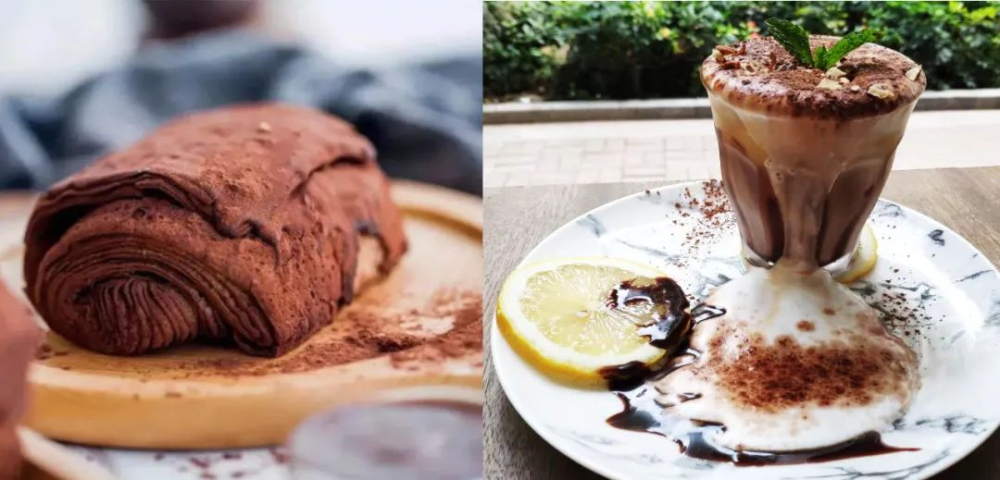 " alt="Viral dirty choux and Dirty coffee" />
Secondly, Dirty fills the gap in the visual presentation of iced coffee. Traditional iced coffee served in transparent cups often displays only a monotonous gradient from golden to brown, lacking variety. In contrast, Dirty creates a dynamic layered effect, with dark espresso slowly sinking and gradually diffusing into the pristine white ice milk—resulting in a highly tension-filled visual experience. Not only is it aesthetically pleasing, but it’s also perfect for photo-sharing, making it a popular drink on social media platforms.
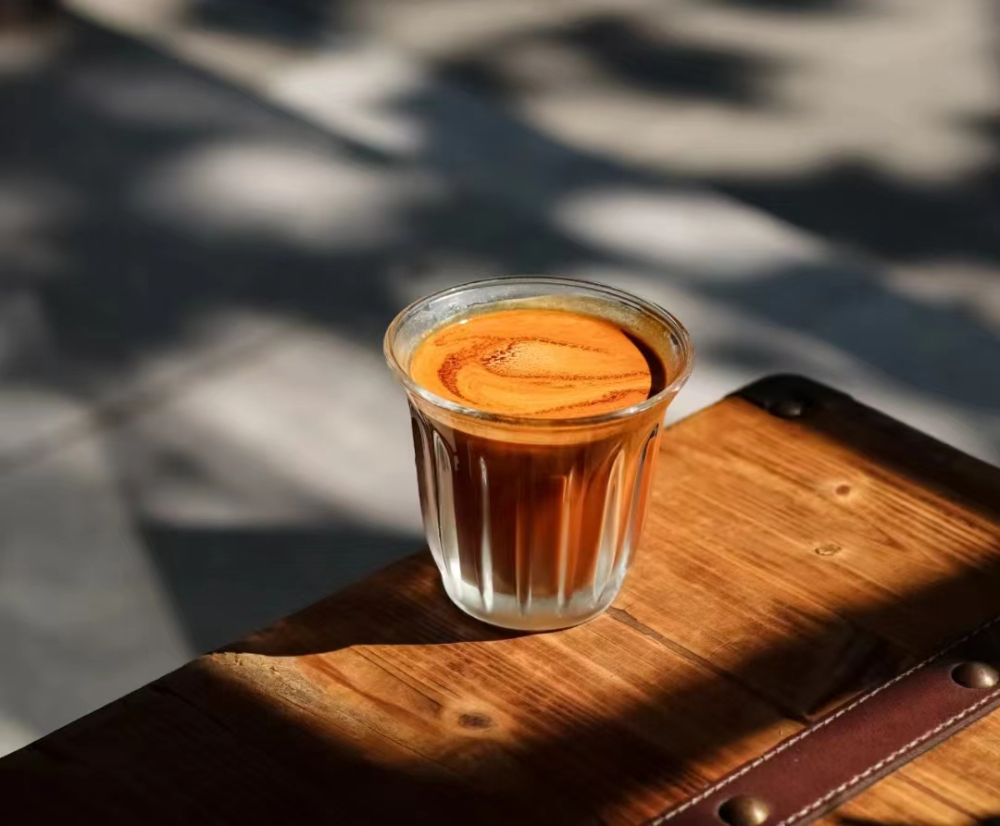 " alt="Visual layers of Dirty coffee" />
More importantly, Dirty offers a multi-layered taste experience. Compared to a typical iced latte—which, despite also featuring layering, is usually stirred together by most consumers—Dirty emphasizes “a different layer with each sip.” Its small serving size allows you to enjoy the full richness of the drink within just three to four sips. The first sip is usually the warm espresso, slightly tempered by a touch of ice milk, offering intense aroma and a vivid temperature. The second sip enters the transition zone, where coffee and milk begin to blend but aren’t fully mixed, presenting a rich flavor reminiscent of milk chocolate. By the third sip, you taste the cool ice milk alongside the lingering notes of coffee, delivering a full-bodied mouthfeel that transitions from bitter to sweet, and from hot to cold—rich and varied.
 " alt="Layered experience of Dirty coffee" />
Mastering Dirty isn’t just about getting the ratio and technique right—it also requires attention to detail. For example, the cup must be pre-chilled, the milk must remain cold, and the espresso extraction must be stable and smooth to achieve the best visual and flavor results. Whether you’re a coffee lover or a professional, understanding these key points will help you better appreciate the charm of this globally popular viral coffee drink.
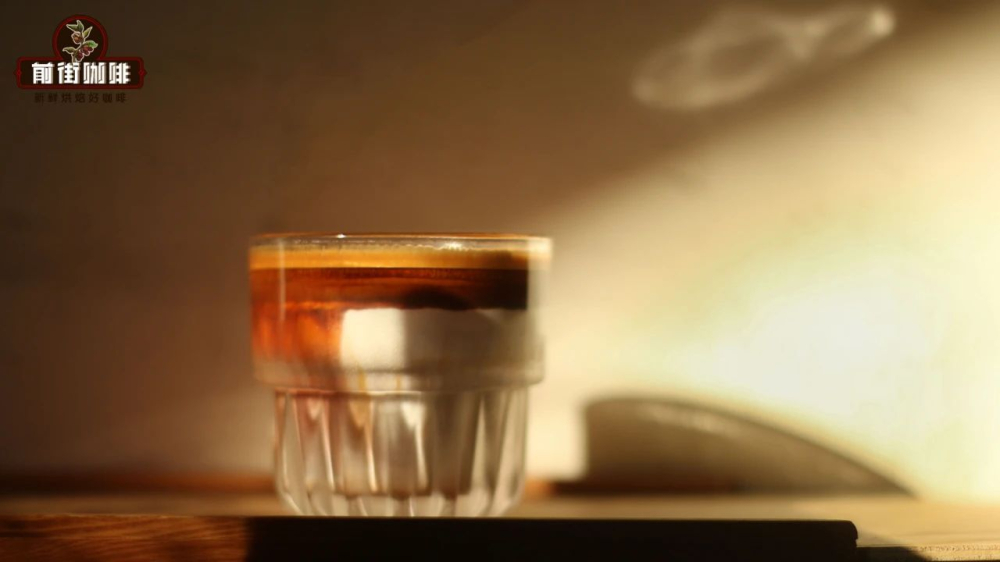 " alt="Multi-layered flavors of Dirty coffee" />
The above content is compiled by CoffeeHunters, a coffee news website.


