







Introduction:Although Tanzanian coffee often takes a backseat to its more renowned neighbors Ethiopia and Kenya, its rigorous grading system and distinctive regional flavors are well worth exploring. This article delves into the growing environment of the Kilimanjaro volcanic region, examines the particle grading standards from AA to C, details the characteristics of Typica and Bourbon varieties, the washed processing method, and finally offers professional pour-over brewing recommendations along with a flavor profile to help coffee enthusiasts grasp the essence of this East African specialty bean.
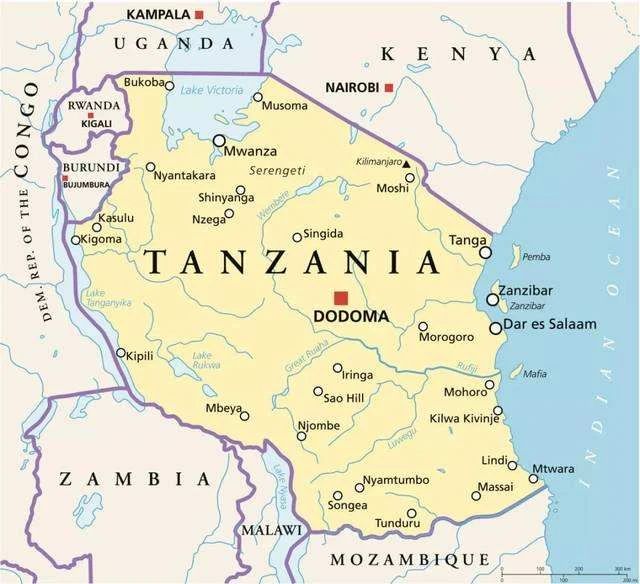
Within Africa’s specialty coffee landscape, Tanzania may not have the same prominence as Ethiopia or Kenya,but its particle-size-based grading systemis as prestigious as Kenya’s, whereAA grade is considered the highest tier. These coffee beans mostly come from the northern highlands of Mount Kilimanjaro at elevations of 1300–2000 meters, predominantly of the Typica variety, with flavor expression closely tied to the terroir, genetic lineage, and processing techniques.
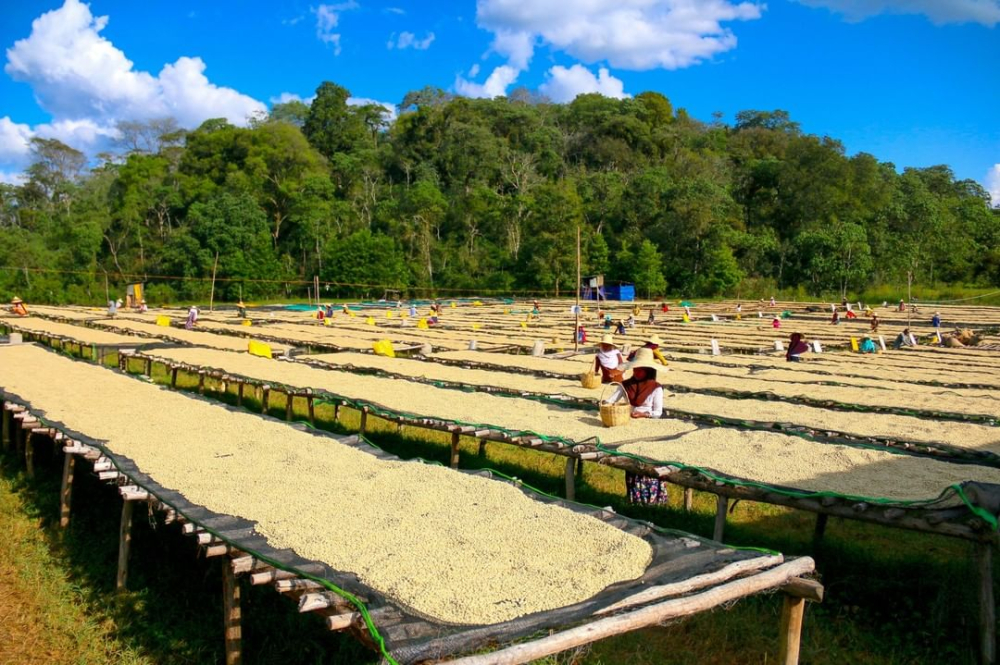
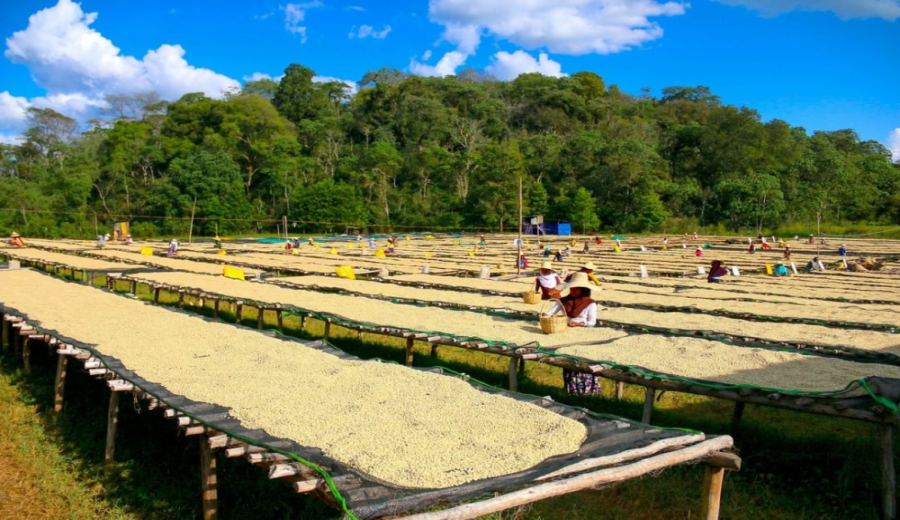
Tanzania’s coffee cultivation history dates back to the early 20th century when German colonial authorities promoted Arabica coffee as a cash crop, prioritizing the areas around Mount Kilimanjaro.With an annual output of about 50,000 tons—comparable to Kenya’s—the earliest Arabica seeds originated from Réunion Island in French territory. After successful trial planting on the slopes of Kilimanjaro in 1893, cultivation gradually expanded. In the 1950s, varieties such as Kent were introduced from Burundi, and currently, high-altitude growing regions account for 75% of the country’s coffee farms, with wild coffee resources still being discovered.
As Africa’s highest peak, the foothills of Mount Kilimanjaro feature growing regions ataltitudes between 1300–2000 meters, where volcanic ash-rich soil provides ideal nutrient conditions for coffee trees. This elevation not only slows the ripening process of coffee cherries but also imparts bright acidity and complex aromatic layers, making it the core source of Tanzania’s specialty coffee.
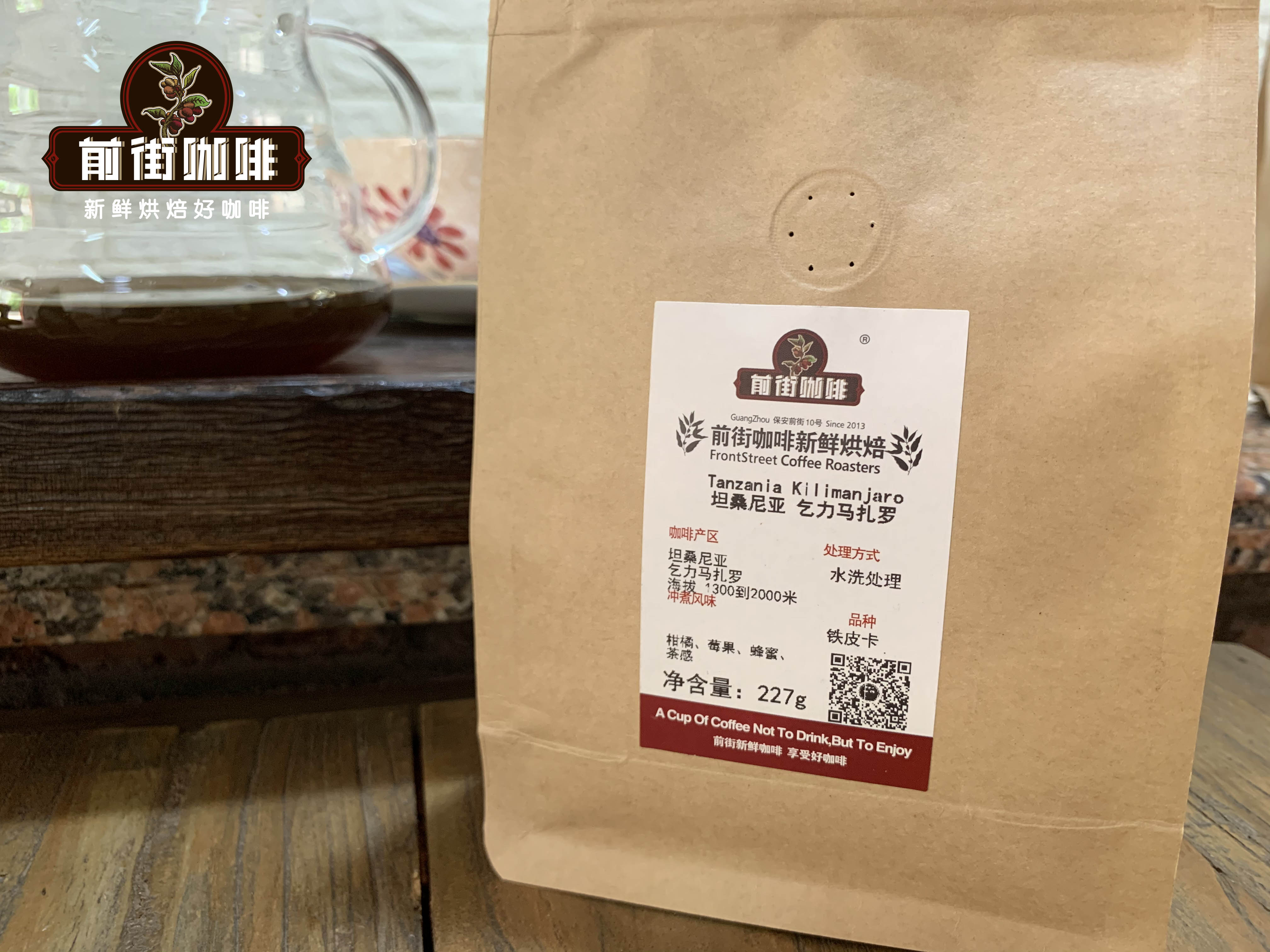
The main varieties cultivated locally include Bourbon, Typica, and Kent, with this article focusing on the Kilimanjaro AA-grade beans that usethe Typica variety. Typica is a traditional and older cultivar within Arabica, characterized by its slender, plump beans. Although it has lower yields and is more susceptible to leaf rust, it is prized for its clean acidity and delicate sweetness. In contrast, the Bourbon variety has broader leaves, yields about 30% more than Typica, exhibits pronounced berry notes and rich creaminess, but also faces challenges with disease resistance.
In terms of processing, Tanzanian farmers commonly adoptwashed processing, which effectively highlights the coffee’s bright and clean characteristics. The process involves: first removing impurities and pulp, then fermenting the beans in tanks for 18–36 hours to break down the mucilage, followed by thorough rinsing with clean water and drying. This method minimizes interference from impurities, resulting in a final brew with a clearer mouthfeel and distinct flavor profile.
Tanzanian coffee beans are graded solely based on screen size, with larger mesh numbers indicating bigger beans:AA grade must pass through a 17–18 mesh (7.20mm) sieve, making it the country’s highest grade;AB grade passes through a 15–16 mesh (6.8–6.2mm);PB grade consists of peaberry beans, accounting for about 10% of the total;C grade passes through a 12–14 mesh (4.8–5.6mm). The Kilimanjaro AA washed beans introduced here are premium-grade products that meet the highest specifications.
For these AA-grade Tanzanian coffee beans, it is recommended to use a V60 dripper for pour-over brewing. Its wide opening and spiral ribs help with gas release and improve extraction uniformity. Specific parameters are set as follows: 15g coffee, grind size similar to superfine sugar (approximately 80% passing through a #20 sieve), water temperature controlled at 90–91°C, and a 1:15 coffee-to-water ratio. The brewing process begins with a 30-second bloom using 30g of water, followed by pouring in a small circular motion until the total reaches 125g, then pausing. Once the water level drops, continue pouring to 225g to finish. The total extraction time is about 2 minutes and 3 seconds. This method balances acidity and sweetness, highlighting berry aromas and a honey-like finish.
The brewed coffee exhibits a clear citrus acidity, transitioning to nutty notes in the mid-palate, with a honey-like sweetness in the aftertaste. The overall flavor profile is vivid and well-layered.This performance stems from the slow maturation of high-altitude fruit combined with the cleanliness of washed processing, making it ideal for those who appreciate bright acidity and complex aromatics.
The above content is compiled by CoffeeHunters, a coffee news website.


