








Introduction:The extraction quality of espresso is significantly influenced by pressure, but in practice, various abnormal issues often arise, such as excessive acidity, lack of crema, no flow, spraying, or insufficient pressure. This article delves into the causes behind five typical problems, starting with key variables like grind size, dose, and beverage weight, and offers practical adjustment suggestions. Real-world examples illustrate how to achieve rich crema and balanced flavor espresso by maintaining a stable 9-bar pressure.
During the espresso extraction process, pressure plays a critical role, yet many troublesome situations are frequently encountered in practice. This article focuses on five of the most common extraction issues, including excessive acidity when using dark roasted beans, absence of crema, no liquid flow, spraying during extraction, and failure to reach 9-bar pressure. Each issue is dissected to uncover its root cause, with corresponding adjustments provided to help coffee enthusiasts master the secrets of stable extraction.
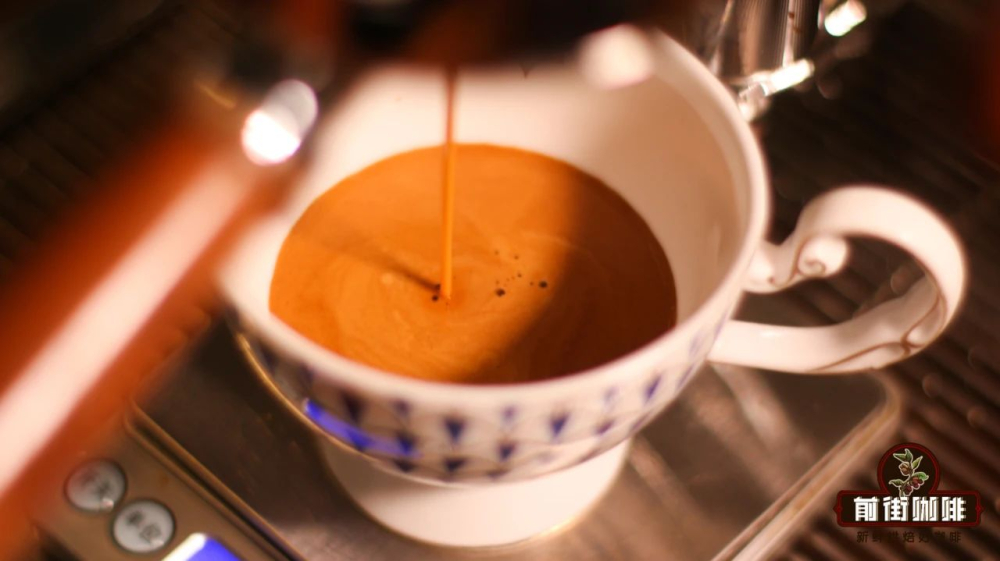
Problem 1: Extracting acidic espresso from dark roasted beans
Many users report that even when using dark roasted coffee beans—such as medium-dark roasted Golden Mandheling—they end up with espresso that has a sharp, sour taste. This is a classic case of "under-extraction." Dark roasted beans are not devoid of acidity, but their acidity is usually balanced by rich caramel, spice, or nutty flavors. When extraction is insufficient, sweetness and bitterness are not effectively released, making the acidity stand out and feel harsh. To improve this, try extending the brew time, fine-tuning the grind to a finer setting, or slightly reducing the dose to increase overall extraction yield and achieve a more balanced flavor.
Problem 2: Espresso lacks crema or has none at all
Another common issue is espresso with thin or completely absent crema, often accompanied by fast flow. While lighter roasted beans or stale coffee naturally produce less crema, there should still be a certain level of thickness under normal circumstances. This problem mostly stems from grinding too coarse, which leads to insufficient resistance in the coffee puck, preventing high-pressure hot water from effectively extracting carbon dioxide and thus failing to encapsulate oils to form golden crema. The solution is to adjust the grind to a finer setting to increase puck resistance.
Problem 3: No liquid flow after pressing the brew button
Opposite to the previous issue, sometimes after pressing the brew button, coffee liquid fails to emerge from the portafilter for a long time—sometimes taking ten or even twenty seconds to squeeze out just a drop. This is usually due to the grind being too fine, the dose too high, or the pressure too strong, causing the coffee puck to become overly compact and preventing water from penetrating. In this case, check whether the grind is too fine and adjust it coarser if needed, or reduce the dose to ensure smooth water flow through the puck and avoid incomplete extraction.
Problem 4: Spraying during the extraction process
When using a bottomless portafilter, one of the most frustrating issues is coffee spraying everywhere during extraction. This not only affects aesthetics and cleanliness but can also lead to flavor imbalance and loss of crema. This is typically caused by “channeling,” where water finds the path of least resistance, resulting in uneven extraction. Common causes include uneven distribution of coffee grounds or clumping. It’s recommended to use a distribution tool to evenly spread the coffee grounds and ensure the puck is level and compact, avoiding areas that are either too loose or overly compressed.
Problem 5: Pressure fails to reach the standard 9-bar
Under normal extraction conditions, the pressure gauge of an espresso machine should maintain a reading above 9 bar, which is key to ensuring sufficient puck resistance and ideal extraction concentration. If the pressure is noticeably low, it usually indicates insufficient puck resistance, a problem especially common in home espresso machines. Solutions include fine-tuning the grind, increasing the dose, or confirming that the pressure gauge is functioning properly—all aimed at boosting overall puck resistance so that extraction pressure stabilizes and you achieve espresso with both concentration and balanced flavor.
In summary, a stable 9-bar pressure is the foundation for brewing the perfect shot of espresso, and the variables affecting pressure include grind size, dose, and puck density. By observing various phenomena during the extraction process and gradually adjusting related parameters, you can not only resolve common issues but also gain a deeper understanding of the interaction between your machine and coffee beans, ultimately brewing espresso with balanced flavor and rich crema.


The above content is compiled by CoffeeHunters, a coffee news website.


