








Introduction:Want to easily make a richly flavored iced latte at home but don’t have a professional coffee machine? The AeroPress is actually a convenient and versatile choice. This article will deeply explore the extraction principles of the AeroPress and teach you how to make a latte that balances coffee aroma and milk flavor through the correct coffee-to-water ratio, grind size, and brewing steps. It will also recommend types of coffee beans suitable for use with the AeroPress, helping you avoid common extraction mistakes and enhance overall flavor performance.
The AeroPress is a versatile coffee tool that combines elements of French press, pour over, and espresso brewing methods. Due to its high operational flexibility and portability, it has become the preferred choice for many coffee enthusiasts. If you love the smooth texture and rich aroma of iced lattes but don’t have a professional coffee machine, the AeroPress is an excellent tool for home brewing. With just a few simple steps, you can extract a highly concentrated coffee base and then combine it with milk to create an iced latte that approaches café quality.
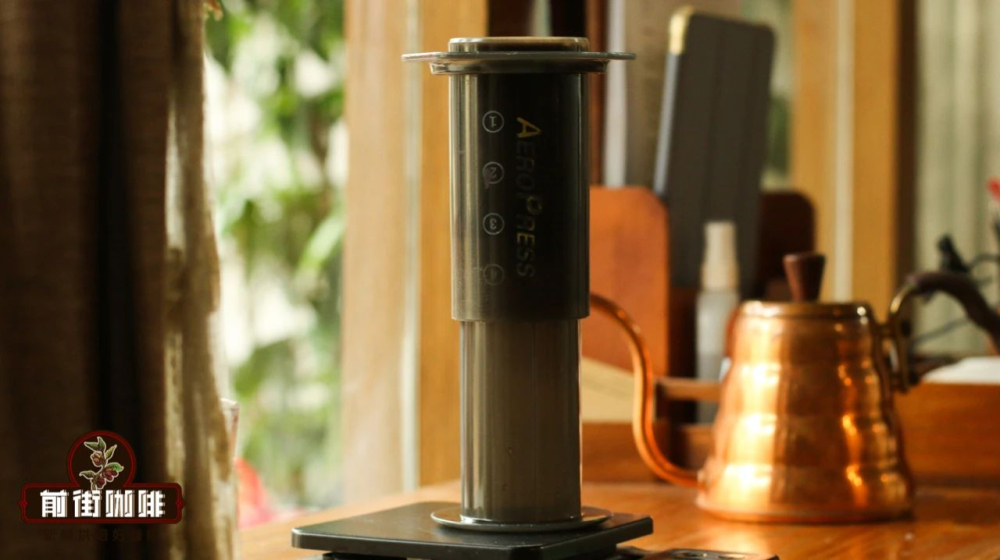
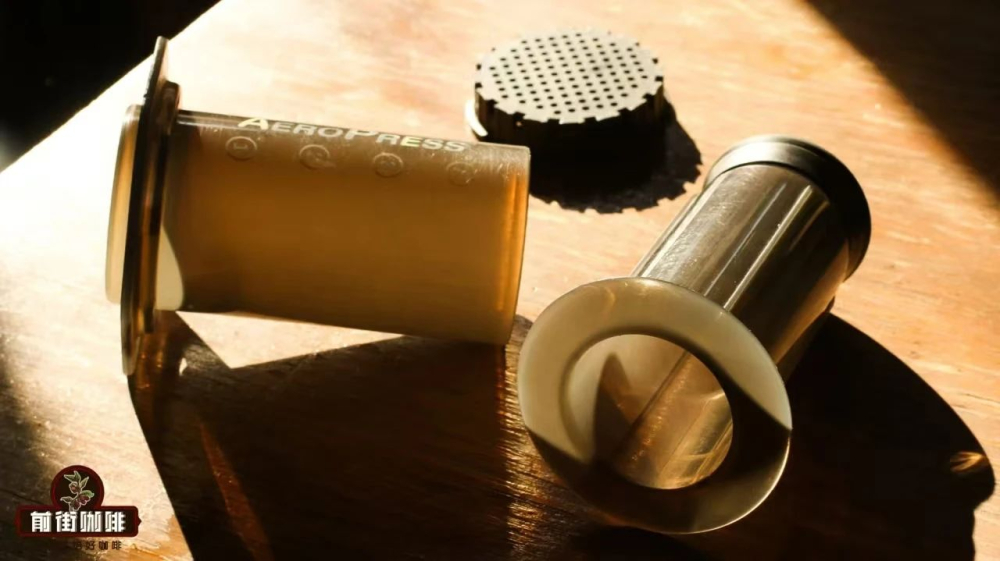
Before you begin, you’ll need to prepare the following tools and materials: ice cubes, 300ml whole milk, an appropriate amount of sugar (adjustable to taste), about 17 to 20g of freshly ground coffee beans, the AeroPress itself, a heat-resistant glass cup (preferably a thicker model), a shaker bottle or alternative container, a narrow-spout pour over kettle, a digital scale, and a coffee grinder. These tools will help you control each variable and ensure stable flavor.
When it comes to choosing coffee beans, the AeroPress is relatively forgiving in terms of roast level, but if your goal is to make a latte, it’s recommended to prioritize medium-dark to dark roasted beans—such as those with chocolate, nut, and caramel notes. These types of beans generally complement milk flavors well. If you prefer fruity acidity and fermented notes, you can also choose beans with honey processing or special fermentation profiles, such as blends with berry, winey, or caramel finish notes. These can all display layers of flavor when set off by milk.

Next, we’ll explain the specific steps and parameters for making espresso with the AeroPress. It’s recommended to use about 20g of coffee grounds with a coffee-to-water ratio of 1:3 (i.e., 20g coffee grounds to 60ml hot water). This ratio ensures sufficient coffee concentration without being overly dry. The grind size should be adjusted to be close to that of an espresso machine—similar to the texture of flour—which helps improve extraction efficiency. Water temperature should be controlled around 94°C. This temperature can fully bring out the aroma and sweetness of the coffee without extracting too much bitterness due to excessive heat.
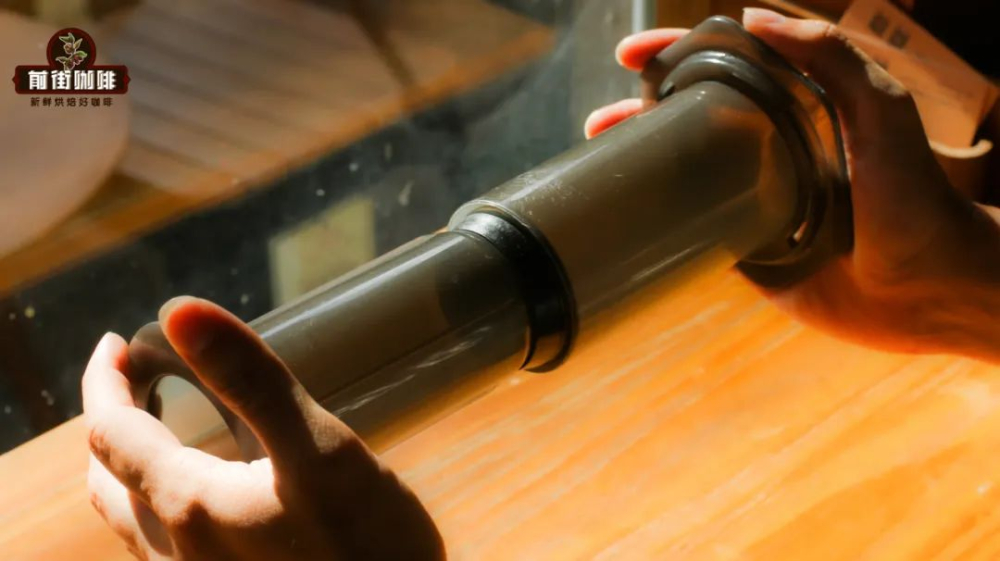
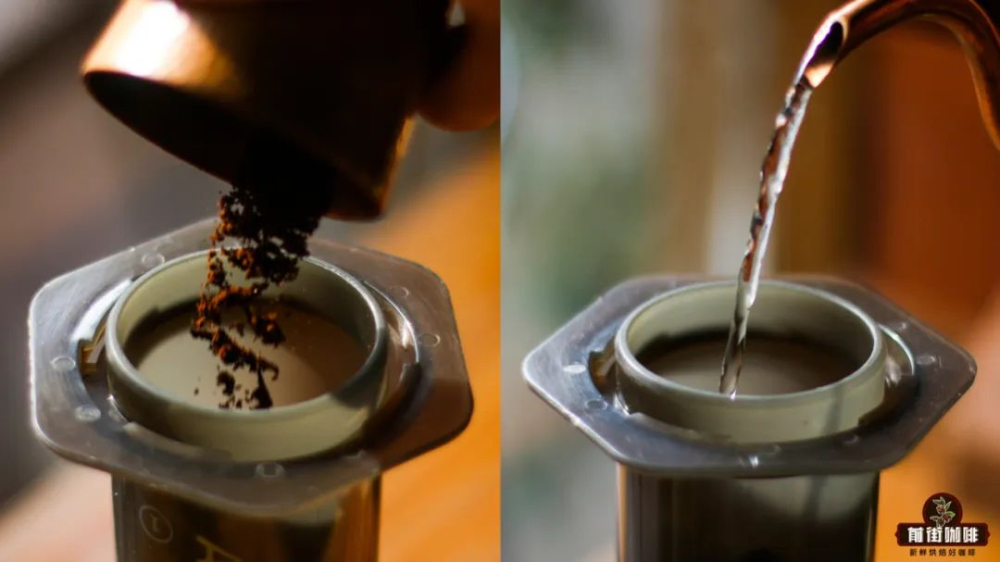
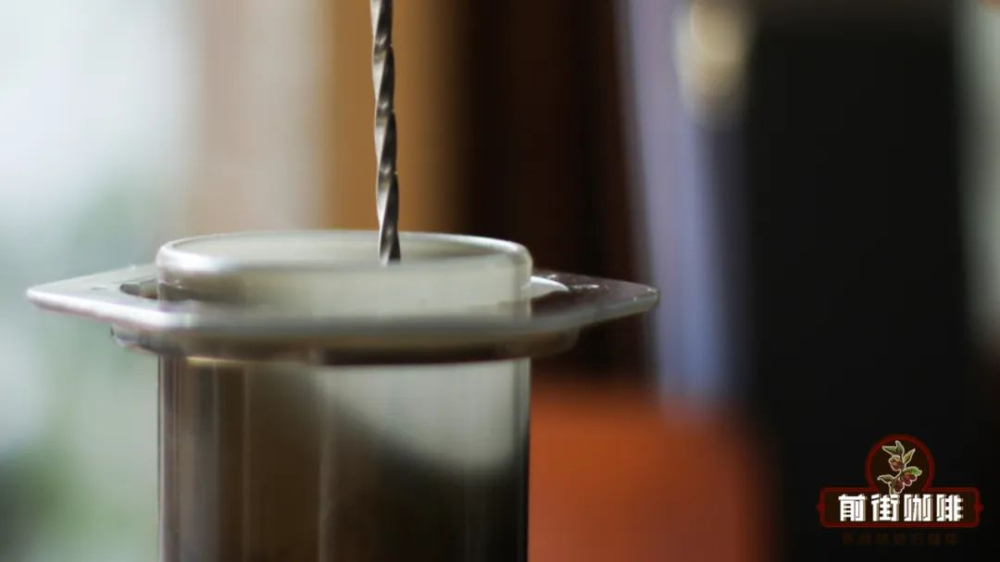
In practice, first assemble the AeroPress upside down, with the bottom piston facing upward. Then add the coffee grounds, followed by slowly pouring in hot water. Use a spoon or stirring stick to stir evenly for about 10 rotations, ensuring the coffee grounds are fully saturated. Let it steep for about 1 minute to allow sufficient extraction. When the time is up, place the prepared cup upside down on the AeroPress, hold the cup body and piston firmly, and quickly and steadily flip the entire device so that the coffee liquid is at the bottom.

Finally, slowly and evenly press the piston downward to filter out the coffee liquid. This process usually takes less than 30 seconds, and once pressed to the bottom, the extraction is complete. At this point, you’ll notice that the coffee liquid has a deep color, indicating its sufficient concentration, making it suitable to be paired with milk. The coffee liquid extracted this way is about 40ml, which can serve as the coffee base for one iced latte.

Mix the 40ml AeroPress espresso concentrate with 200ml of frothed milk. It’s recommended to use whole milk for better foam texture and milk aroma. If you prefer a sweeter taste, you can add an appropriate amount of sugar or flavored syrup. Although the richness of this iced latte may not match that made with commercial coffee machines, the overall flavor is balanced, the aftertaste is clean, and it is full of the fusion of coffee and milk aromas—making it perfect for everyday enjoyment.

In summary, the AeroPress is not just a convenient tool for travel or outdoor use. Its multifunctional design allows it to simulate the extraction characteristics of French press, pour over, and espresso. Although it involves more parameter adjustments and has a slightly higher learning curve, as long as you master key factors such as the coffee-to-water ratio, grind size, and water temperature, you can consistently brew high-quality coffee. For coffee enthusiasts who want to try making their own lattes but lack professional equipment, the AeroPress is undoubtedly a high-value and highly potential option.
The above content is compiled by CoffeeHunters, a coffee news website.


