







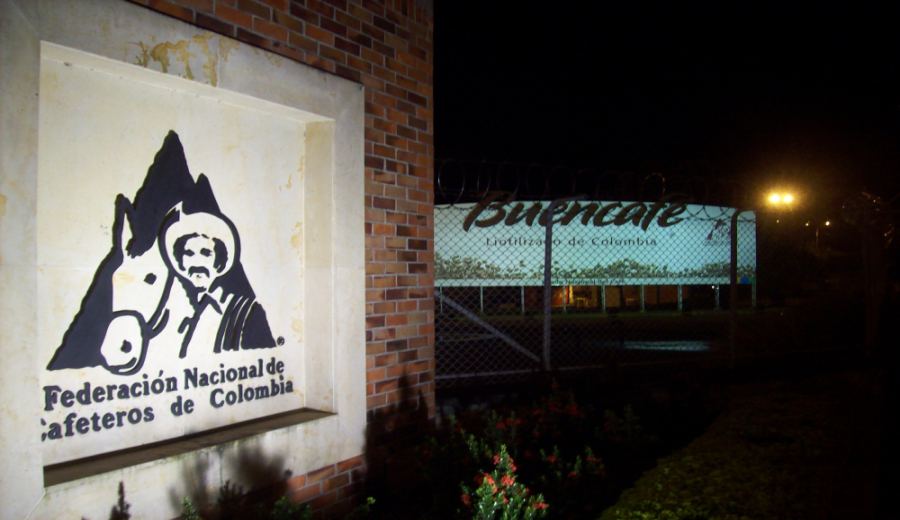
Introduction:The Huila volcanic region in Colombia is renowned for its high-altitude, organic cultivation, producing coffee beans with distinct flavors. This article will delve into the region’s geographical conditions, mainstream varieties, and the characteristics of the washed processing method. It also highlights popular bean offerings such as the Hanami Geisha Blend, while providing practical three-stage pour over techniques and parameter suggestions to help you fully grasp the charm of Colombian coffee—from regional knowledge to hands-on brewing.
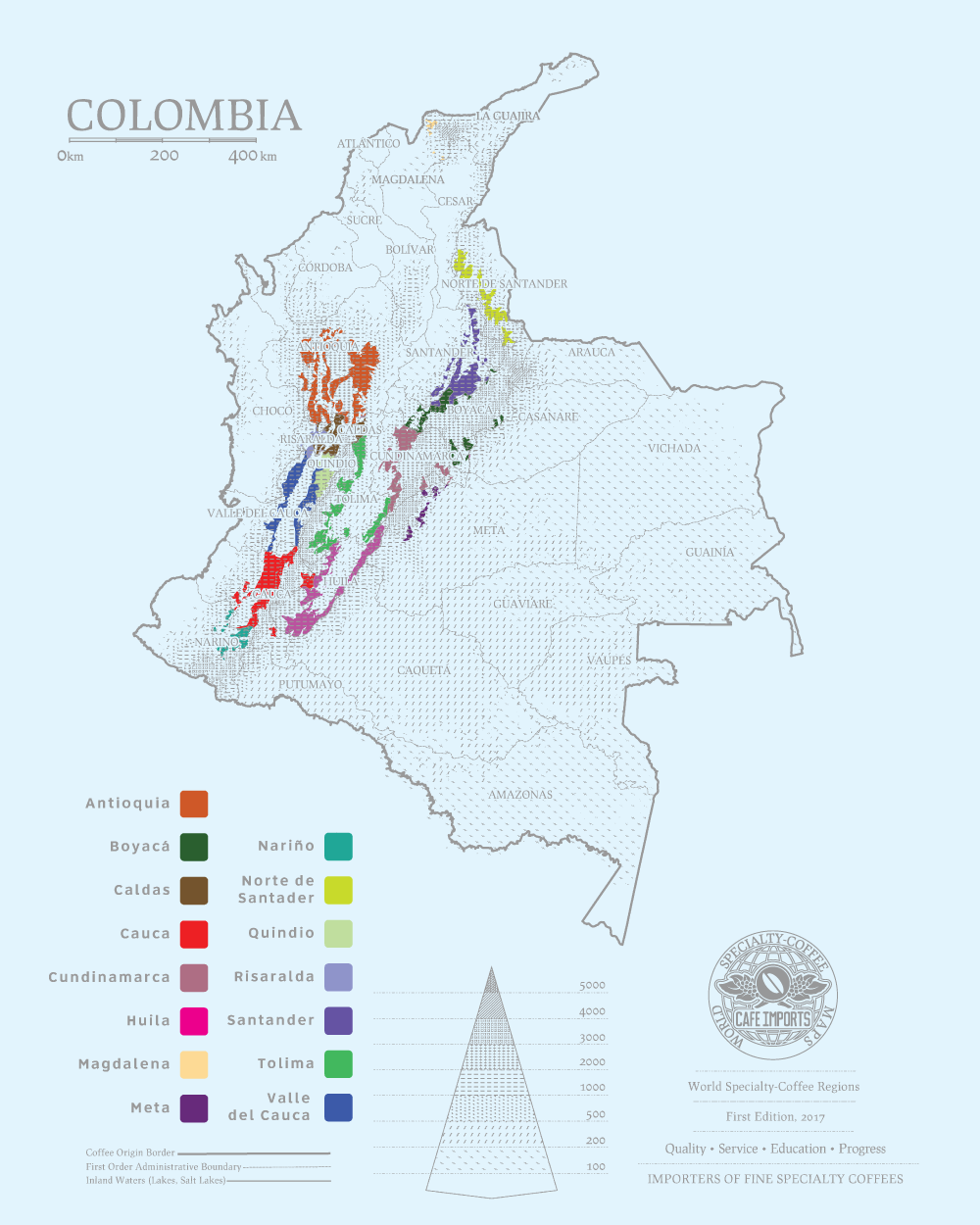
Thanks to the Andes Mountains' diverse microclimates and high-altitude environment, Colombia consistently ranks as the world’s third-largest coffee exporter and leads in Arabica bean exports. Among these, the Huila volcanic region is widely praised for its organic farming practices and outstanding fruity profiles. With plantations situated between 1,400 and 2,000 meters above sea level, a cooperative of 84 smallholder farmers produces coffee with bright acidity and sweet-and-sour notes of citrus, grapefruit, and chocolate.
The natural conditions of the Huila volcanic area are exceptionally favorable. Clear mountain springs originating from the 5,400-meter-high Nevado del Huila glacier, combined with mineral-rich volcanic soil, enable the cultivation of high-quality organic coffee without relying on chemical fertilizers or pesticides.Coffee from this region generally boasts bright acidity and rich fruity notes.and has repeatedly stood out in international coffee competitions.
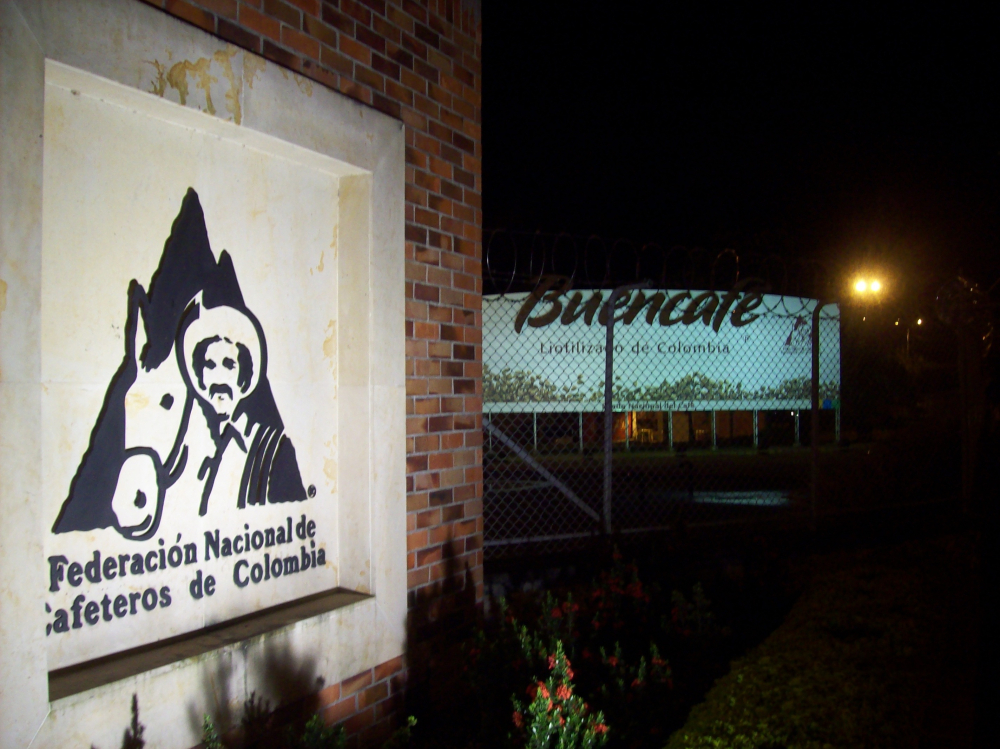
Colombia’s coffee-growing regions are primarily located along the Andes Mountains. Due to the varied terrain and significant altitude differences, a diverse range of microclimates has emerged, allowing coffee to be harvested at different times throughout the year. Among them, southern regions such as Huila, Cauca, and Narino—where altitudes mostly exceed 1,500 meters—serve as key sources of specialty coffee. The Rose Valley supplied by this area comes from the Santander region and is beloved for its strawberry-like notes and fermentation character.
Colombia’s coffee grading system is rigorous. Supremo is the highest grade, followed by Excelso, andonly Grade 18 beans with a diameter of 18/64 inches or more meet the entry standard for specialty coffee.In terms of processing methods, washed processing is the most common in Colombia. Through precise removal of pulp and controlled fermentation, it can clearly highlight the inherent flavor characteristics of the region while also helping maintain stable quality.
In terms of varieties, besides common ones like Caturra, Bourbon, Typica, and Pacamara, Colombia has also independently developed disease-resistant varieties such as Castillo, Colombia, and Tabi.suitable for coping with common diseases like leaf rust.In addition, rare varieties such as Gesha, Mocca, and Rume Sudan are also grown in small quantities on some high-altitude smallholder farms, bringing unique layers of flavor.
Among them, Castillo is a disease-resistant, high-yield variety developed by Colombia’s Coffee Research Center (Cenicafé) over 23 years. Its flavor is close to that of Caturra and Bourbon, with soft lemon acidity and aroma. A double anaerobic washed Castillo was once released, exhibiting unique aromas and flavors such as mugwort, mint, berries, and strawberry candy, showcasing the variety’s alternative potential.
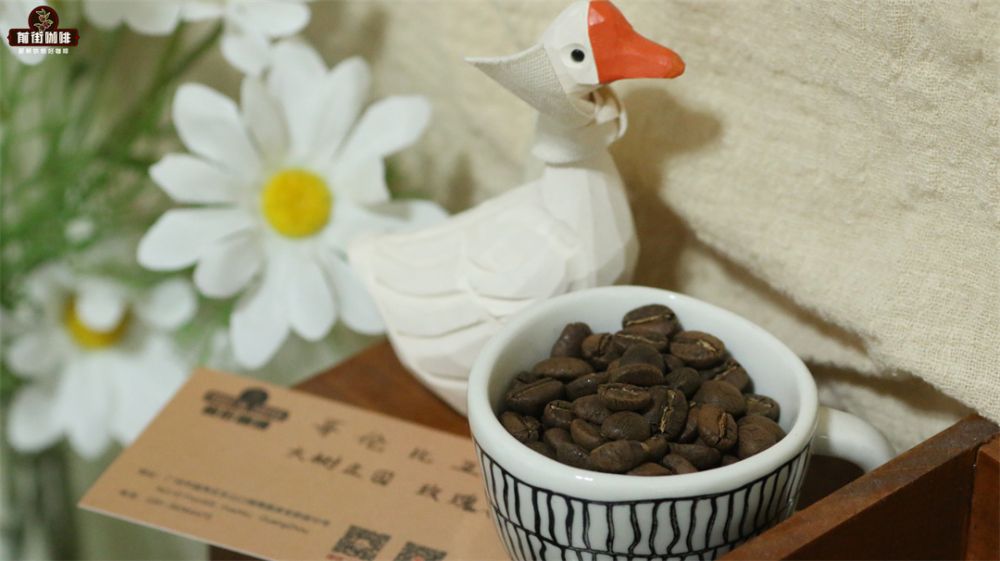
In addition to conventional varieties, the Huila volcanic region in Colombia also sees many smallholder farmers experimenting with high-value varieties like Gesha. For example, the “Hanami Geisha Blend” from the Mont Blanc Estate in Huila Province combines Gesha, Caturra, and Catuai, using washed processing and growing at a high altitude of 1,900 meters. It presents complex flavors such as pink peppercorn, chamomile, valencia orange, honey, and almond. This coffee not only showcases the distinctive character of Gesha but also integrates the influence of the local environment.
For coffee enthusiasts who enjoy pour over brewing, Colombian coffee typically offers balanced sweetness and acidity with a soft body. It is recommended to use water at 90–91°C, a 1:15 coffee-to-water ratio, and choose a medium-fine grind (approximately 78% passing through a #20 sieve). A V60 #01 filter cone is recommended, using a three-stage pouring technique: first, perform a 30-second bloom with 30 grams of water, then pour in a small circular motion up to 130 grams for the first pour. When the water level is about to expose the coffee bed, pour again up to 240 grams. Finally, wait for the water level to drop before removing the filter cone, with total extraction time controlled to around 2 minutes and 15 seconds.
When actually pour over brewing the “Hanami Geisha Blend,” you can perceive distinct floral notes and soft acidity of citrus fruits, paired with honey-like sweetness and a long-lasting tea-like aftertaste, showcasing the finesse and layering of high-altitude Colombian coffee.
The above content is compiled by CoffeeHunters, a coffee news website.


