







Introduction:Geisha coffee beans have achieved remarkable success in international competitions in recent years, becoming a focal point in the specialty coffee world. But where does it originate? What are the differences between its various grades? How can you correctly identify and brew it? This article delves into the evolution of Geisha from the forests of Ethiopia to Panama’s Hacienda La Esmeralda, analyzes the distinctions between Red Label, Green Label, and Blue Label, and provides professional roasting and pour over parameters to help you truly understand this star coffee.
The Geisha (Geisha / Gesha) coffee variety, with its unique floral and fruity acidity flavors, has become a consistent champion in global specialty coffee competitions. However, many coffee enthusiasts still have numerous questions about its historical background, variety grading, and actual flavor profile. This article will start from Geisha’s place of origin, Ethiopia, and fully introduce how it was introduced to Panama and shined brightly at Hacienda La Esmeralda, as well as the detailed characteristics and differences of the three common grading systems on the market today: Red Label, Green Label, and Blue Label.
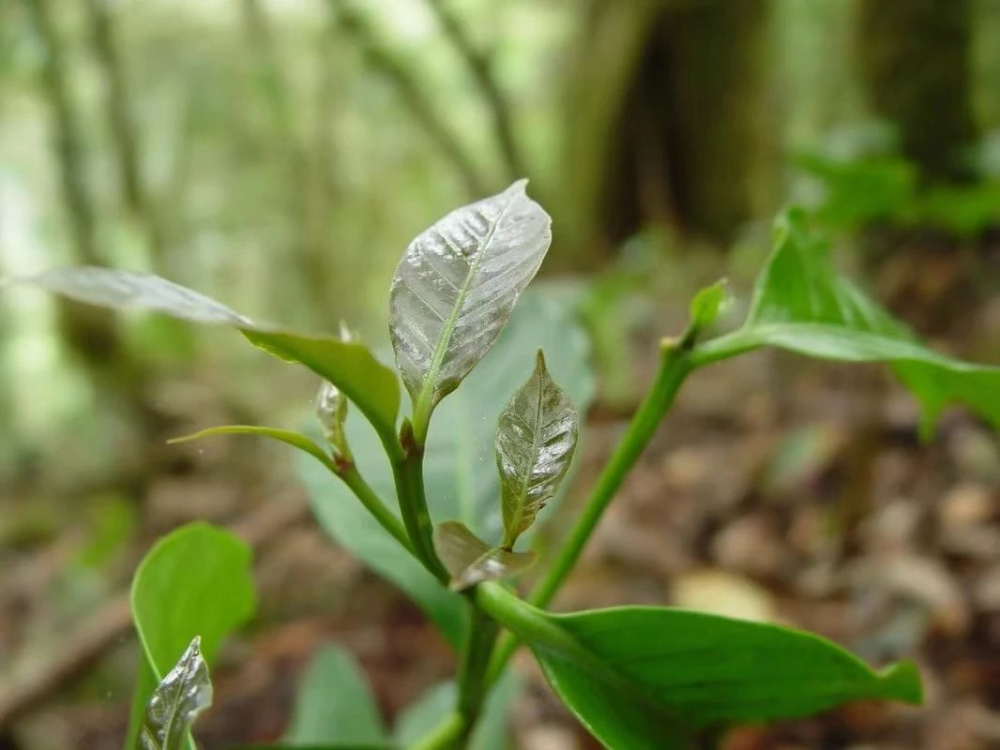
The Geisha variety was first discovered in 1931 in the Gesha Forest in southwestern Ethiopia, and later traveled through Kenya, Uganda, Tanzania, Costa Rica, finally arriving in Panama in 1970. Initially, this coffee did not receive special attention until 2003, when Hacienda La Esmeralda singled it out from among many varieties, and in 2004 it won first place in the BOP (Best of Panama) competition, propelling Geisha to fame. This was also the key turning point where it transformed from a “windbreak crop” into a “top-tier specialty coffee.”
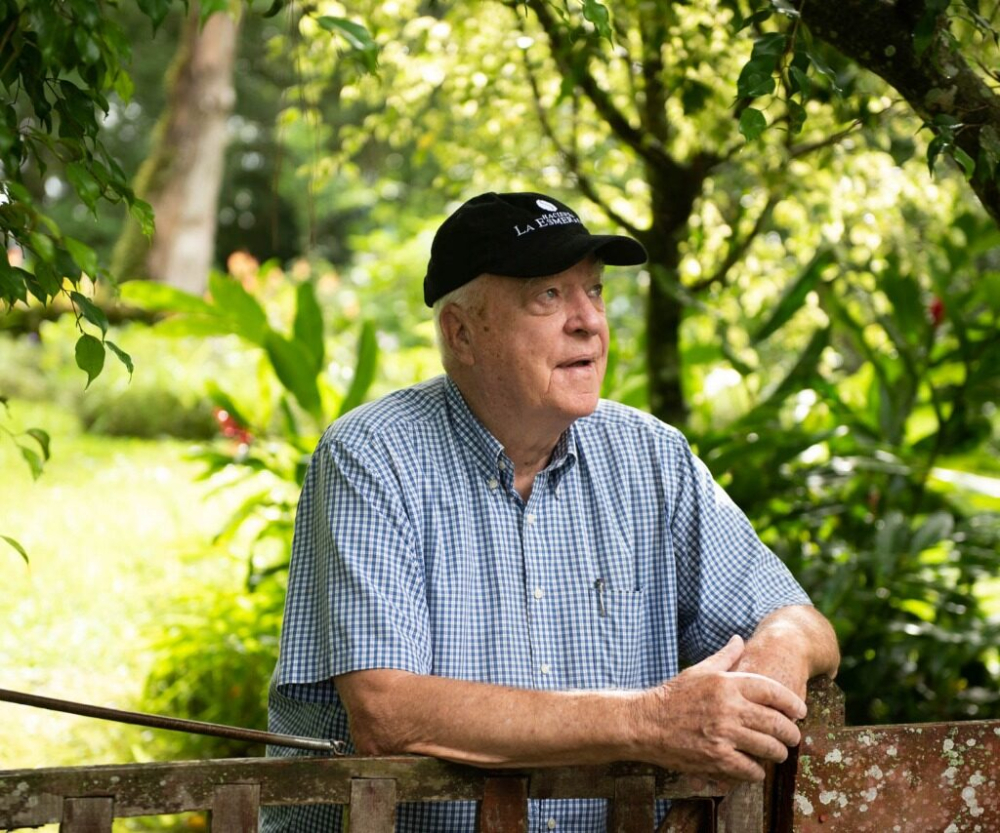
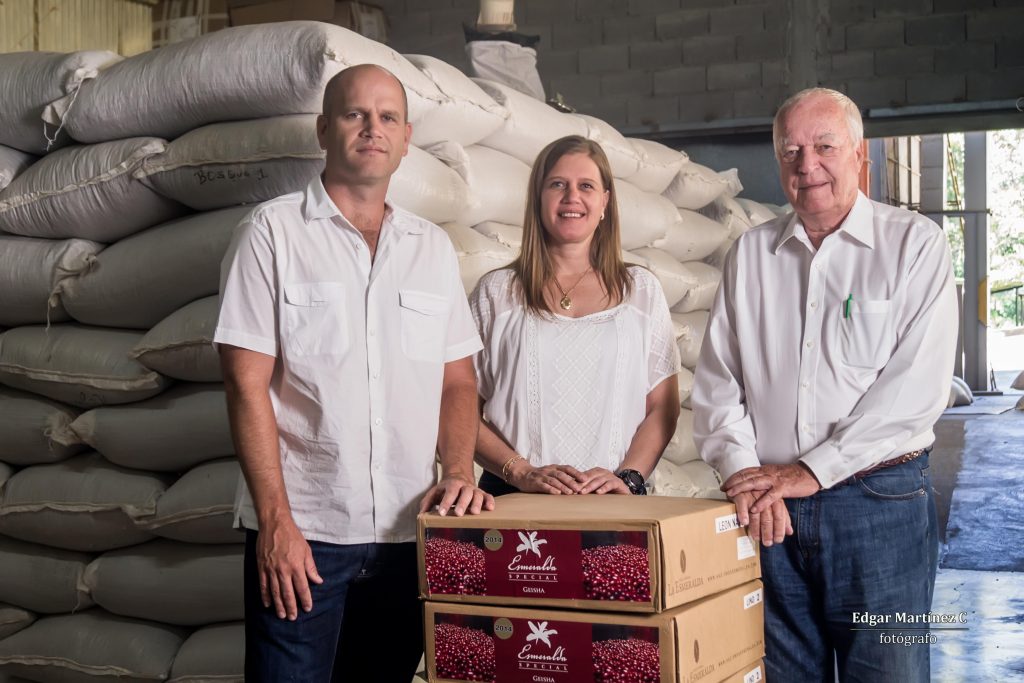
When talking about Panamanian Geisha, the role of Hacienda La Esmeralda cannot be ignored. The estate was founded in 1964 by American banker Rudolph A. Peterson, primarily engaging in livestock farming at first. It wasn’t until 1987 that his son, Price, abandoned his medical career, took over the farm, and established a washed processing facility in 1994, laying the foundation for the future path of specialty coffee. Currently, Hacienda La Esmeralda owns three main plots that cultivate Geisha: Jaramillo, Cañas Verdes, and El Velo, among which the Geisha from Jaramillo is the most renowned.
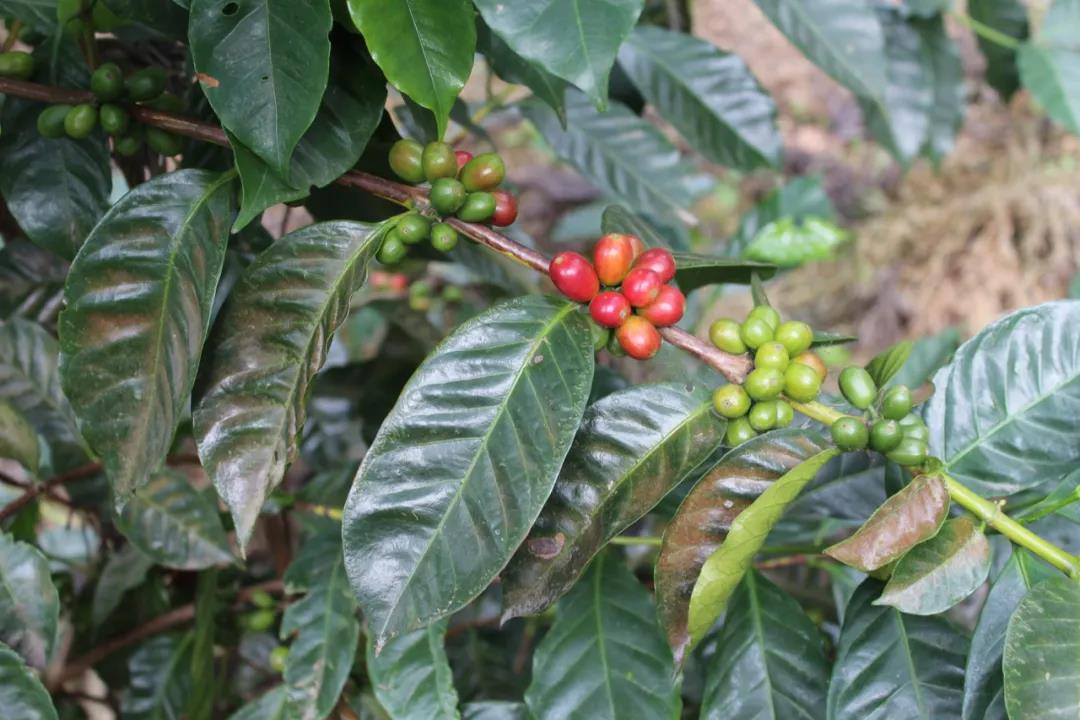
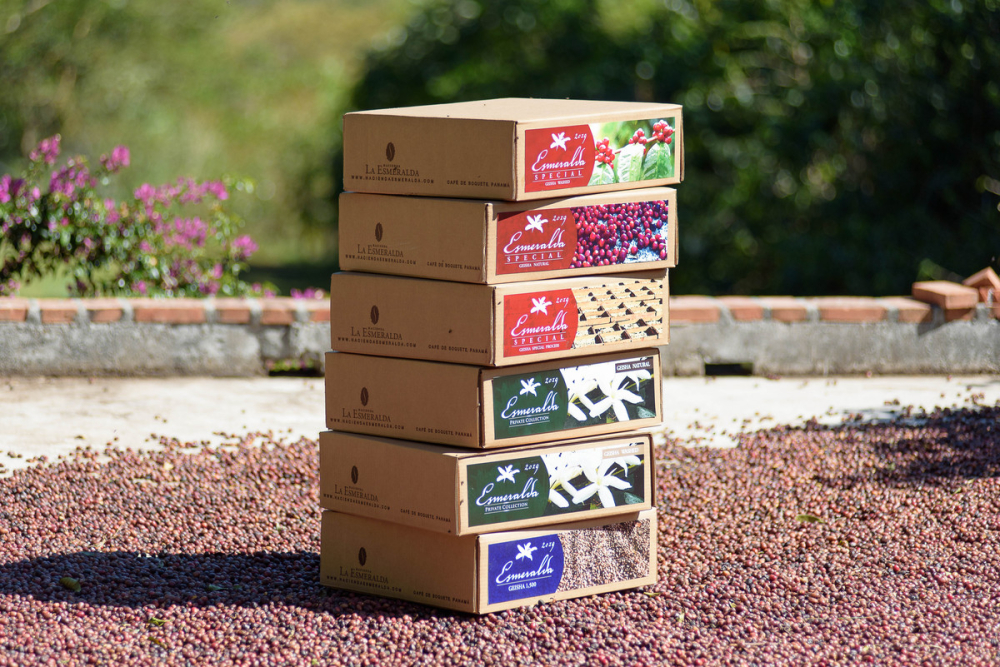
Hacienda La Esmeralda divides Geisha into three iconic product lines based on altitude, cupping score, and growing area: Red Label (Esmeralda Special), Green Label (Private Collection), and Blue Label (Geisha1500, now discontinued). Among them, Red Label is the highest grade, selected only from Geisha grown in the Jaramillo and Cañas Verdes regions at altitudes of 1600–1800 meters with cupping scores above 90, typically limited to auction lots. Even if non-auction Red Label is available on the market, its quality remains consistent with auction batches, with only a slightly lower price.
Green Label belongs to high-altitude micro-lots blends, also sourced from areas such as Jaramillo and Cañas Verdes. Although not participating in auctions, it still maintains extremely high quality and classic Geisha flavors, including prominent floral notes, citrus acidity, and rich fruit layers. Green Label commonly features both washed and natural processing methods, and due to the higher altitude, it requires a finer grind than usual beans to better express its flavors.
Blue Label (Geisha1500) previously mainly used blended beans grown at altitudes of 1400–1500 meters, sourced from Jaramillo, Cañas Verdes, and El Velo. Its flavor is relatively milder, dominated by fruity acidity and sweetness, with a body not as full as Red Label and Green Label. Initially only available in washed processing, a natural version was also introduced starting in 2020. Although Blue Label has gradually exited the mainstream market, it still holds reference value.
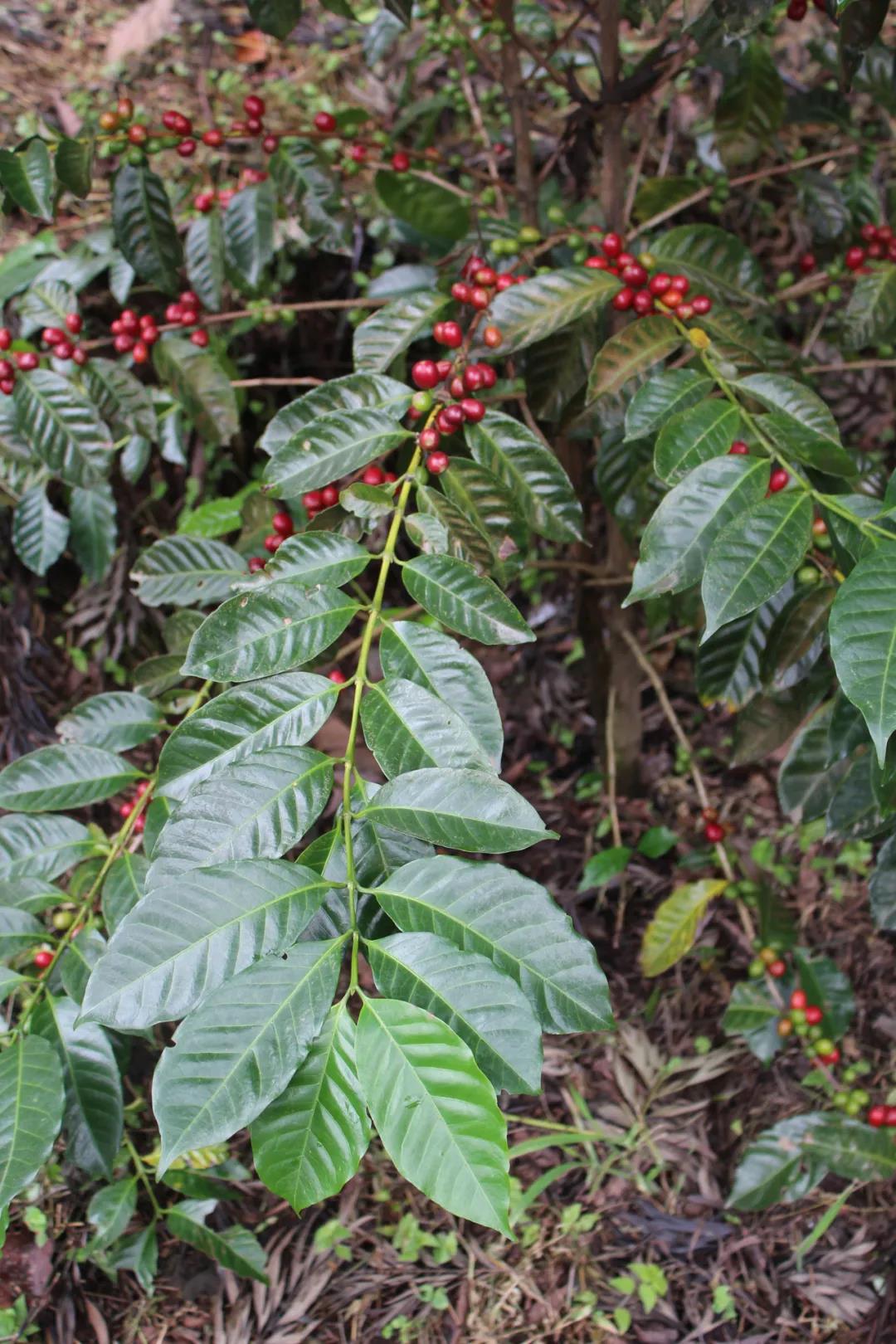
Geisha is highly recognizable in appearance, with an elongated bean shape, pointed ends, and a plump center, distinctly larger than typical Arabica beans. After roasting, it resembles puffed-up bread, making it very easy to distinguish from blend beans. In terms of flavor profile, the most outstanding characteristic of Geisha is its delicate floral aroma, often carrying scents of rose and jasmine, accompanied by citrus, honey, peach, and a tea-like finish, completely overturning the common stereotype that coffee is merely bitter.
In terms of roasting, to highlight Geisha’s delicate aroma and high acidity, a light roast is generally recommended. However, depending on the characteristics of different grades, the roasting curve is slightly adjusted. For example, Red Label is recommended to enter the roaster at 150°C, with first crack starting at 8’10”, and dropping temperature around 189.5°C; Green Label enters at 160°C, with first crack beginning around 7’50”, and dropping temperature at 192.5°C; Blue Label, due to using beans from lower altitudes, has a higher entry temperature (180°C), with first crack occurring at 8’30”, and dropping temperature around 190°C. The heat and air damper settings for each grade must also be adjusted in real time to achieve the best flavor expression.
For brewing recommendations, using freshly roasted beans (within 5 days), medium-fine grind (80% passing through a Chinese standard No. 20 sieve), a 1:15 coffee-to-water ratio, and 90°C water temperature can fully showcase Geisha’s delicate flavors. It is recommended to use a Hario V60 filter, employing a three-stage extraction method: blooming 30 grams of water for 30 seconds, then pouring in small streams to 125 grams for the first segment, and finally pouring to 225 grams to complete the brew, with a total extraction time of about 2 minutes. This method helps balance acidity and sweetness, presenting the fullest layers of Geisha.
In summary, Geisha is not only a star in coffee competitions but also a dream coffee for many enthusiasts. From understanding its historical origins, mastering the differences among the three grades, to learning how to identify its appearance and the correct roasting and brewing methods, every step allows you to more deeply appreciate the unique charm of this coffee. Whether you are a beginner or a seasoned coffee aficionado, Geisha is worth your careful tasting and exploration.
The above content is compiled by CoffeeHunters, a coffee news website.


