







Introduction:Geisha coffee, with its distinctive fruity acidity and floral aroma profile, has become the top choice for specialty coffee enthusiasts. This article delves into the key characteristics of Geisha’s major producing regions, including the flavor differences between Panama and Ethiopia, traces its journey from native forests to the international stage, and provides expert-level pour over techniques and brewing parameter recommendations to help you fully showcase the delicate layers of Geisha’s flavors.
In recent years, Geisha coffee has rapidly risen to prominence in the specialty coffee market, winning the hearts of many coffee lovers with its vivid floral and fruity aromas and bright, refined acidity. Both professional baristas and beginner drinkers are curious about these beans grown at high altitudes. This article will start by exploring the flavor profile of Geisha coffee, analyze the unique characteristics of the two major producing regions—Panama and Ethiopia—trace how Geisha made its way from the forests of Ethiopia to the global stage, and detail professionally recommended brewing techniques and key parameters so that you, too, can brew a cup of truly exceptional Geisha coffee.
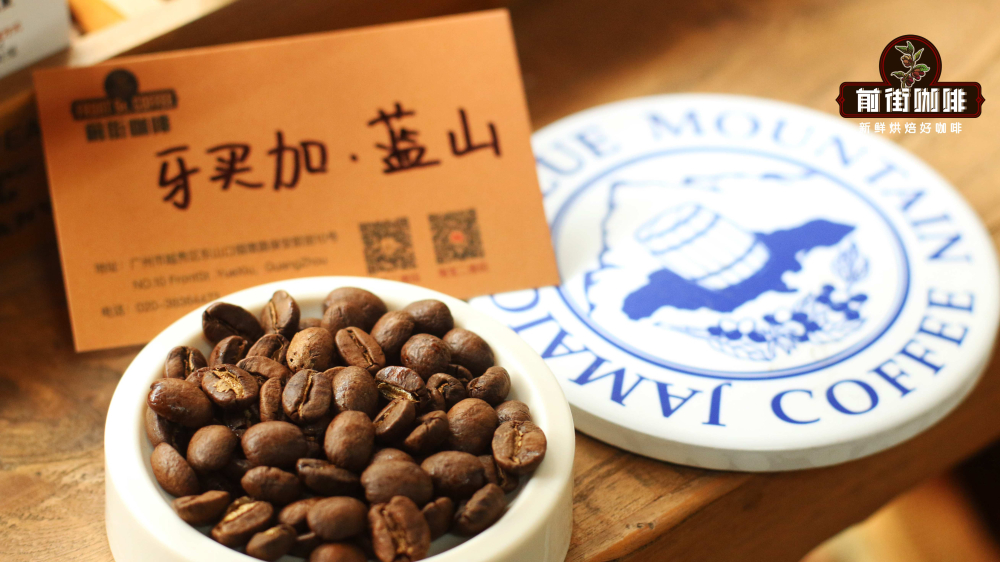
Looking back to the early days when specialty coffee was not yet prevalent, the well-known coffees on the market were often Jamaican Blue Mountain and Hawaiian Kona. These two varieties were widely praised for their rich, bold body and full-mouthfeel, earning them the titles of the “king and queen” of the coffee world. However, with the rise of specialty coffee culture, market trends gradually shifted. Geisha coffee, with its refreshing and distinctive flavor, quickly gained popularity and secured a place in the high-end coffee market, even becoming synonymous with quality and rarity.
What Geisha coffee is most acclaimed for is its fine, vibrant acidity paired with subtle, pleasant floral notes, forming a strong contrast to traditional bold-flavored coffees. This refreshing characteristic is especially favored by younger consumers and those who prefer fruit-forward coffee profiles. However, whether Geisha is truly that good can vary slightly depending on the producing region and processing method. Even within the same region, Geisha grown in different microclimates or plots may exhibit vastly different cupping results.
Take the most representative Panamanian Geisha as an example: this coffee typically exudes elegant floral notes such as rose and jasmine, with bright and lively acidity often accompanied by citrus and tropical fruit tones. With proper roasting and precise extraction, its taste is clean and clear, with distinct layers and a long, delicate aftertaste, making it a frequent champion in many coffee competitions. In contrast, Ethiopian-grown Geisha, while perhaps slightly less refined overall, still showcases rich berry, nut, and spice aromas, with a soft tea-like finish—suitable for drinkers who prefer a smoother mouthfeel.
Interestingly, despite sharing the same name, Panamanian Geisha and Ethiopian Geisha are not exactly the same variety. In fact, Geisha was first discovered in the Gesha region of Ethiopia in the 1930s, where it was collected from forests and local markets as a mixed group of plants, later sent to Kenya for research. These plants were then introduced to Tanzania, Costa Rica, and Panama. After years of environmental adaptation and varietal evolution, each producing region developed its own unique flavor characteristics.
Among these, Panamanian Geisha, blessed with high altitudes, unique microclimates, and fertile volcanic soils, has cultivated a highly recognizable flavor profile. It rose to fame in the 2004 Best of Panama (BOP) competition, stunning the industry with astonishing cupping scores and thereby joining the ranks of top-tier specialty coffees. In recent years, Ethiopia has also planted this variety in the nearby village of Gesha, covering approximately 475 hectares. The farm is dedicated to rediscovering the original varieties from pristine forests, aiming to restore and enhance the most original flavor potential of Geisha.
Although the variety grown in the Gesha Village is still called “Geisha” and shares similarities in appearance and some flavor notes with Panamanian Geisha—especially the “Gesha 1931” variety—its genetics and performance remain distinct from the selectively bred Panamanian Geisha due to the lack of long-term human domestication. Therefore, it can be considered as two different varietal branches.
So, how should Geisha coffee be brewed to bring out its best flavors? Generally, Geisha is roasted to a medium-light level to preserve its rich fruity acidity and floral characteristics. It is recommended to use a grind size of about 78% passing through a Chinese standard No. 20 sieve—roughly similar to the granularity of fine sugar—and a water temperature controlled between 90–91°C to help balance extraction and avoid over-extraction that could lead to bitterness.
In practice, you can use 15 grams of coffee grounds with a 1:16 coffee-to-water ratio, brewing with a Hario V60 small-size filter cone via the pour over method. A three-stage pouring technique is recommended: start by pouring 30 grams of water at timing zero for a 30-second bloom; then pour in a small circular motion up to 125 grams, wait until the water level drops by about half, and continue pouring up to 225 grams. The total extraction time is advised to be between 2 minutes 10 seconds and 2 minutes 20 seconds. This method helps achieve even extraction and fully highlights the delicate flavor layers of Geisha coffee.
The above content is compiled by CoffeeHunters, a coffee news website.


