








Introduction:An in-depth analysis of the three Geisha grades from Panama's Hacienda La Esmeralda — Red Label, Green Label, and Blue Label — exploring their differences in altitude, processing methods, regional details, and unique flavors. This guide unveils the grading logic and market positioning behind each label, traces the evolution of the BOP competition and auction system, and provides practical pour over parameters and flavor profiles. It’s your complete guide to selecting and brewing Geisha.
The Geisha (Geisha) coffee produced by Panama’s Hacienda La Esmeralda has long been ranked among the world’s finest, yet many coffee enthusiasts remain unclear about the specific differences between its Red Label, Green Label, and Blue Label. This article will take you through the estate’s historical background, terroir environment, and the detailed grading logic of its three tiers, offering a full breakdown of each label’s characteristics. We’ll also explore how the BOP (Best of Panama) competition has elevated Panama’s specialty coffee on the global stage, and how its auction system influences market value.
BOP Competition & Auctions: The Driving Force Behind Specialty Coffee
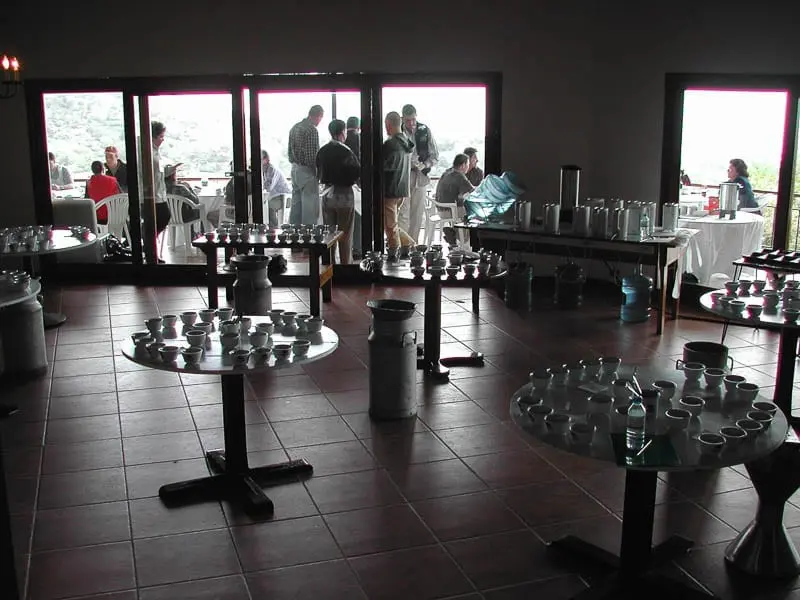
BOP, short for Best of Panama, is the world’s first specialty green coffee competition, organized by the Specialty Coffee Association of Panama (SCAP). Since its inaugural event in 1996, BOP has not only discovered high-quality coffees through blind cuppings but also introduced an auction mechanism in 2004, allowing global buyers to bid for the finest lots. Initially, only 11 coffees participated, with an average auction price of just $2.89 per pound. By 2012, however, that average had soared to $24.83, symbolizing the rise of the specialty coffee market. Hacienda La Esmeralda rose to prominence on this very platform, gaining international fame in 2004 with its Geisha variety.
History of Hacienda La Esmeralda and the Discovery of Geisha
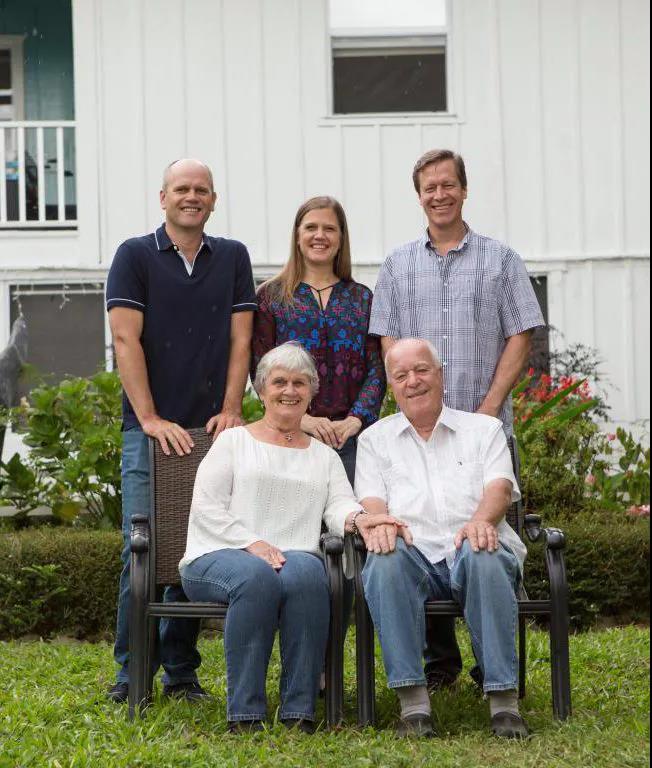
Established in 1964, Hacienda La Esmeralda was originally a ranch purchased by American banker Rudolph Peterson in Boquete, Panama. It wasn’t until 1987 that his son, Dr. Price, transitioned to help manage the farm, introducing the Caturra and Catuai varieties. A wet mill was built in 1994. In 1996, the Peterson family acquired the neighboring Jaramillo Estate, which was later discovered to be the birthplace of the Geisha variety. Initially, the coffee grown there was used only as windbreak, but outstanding cupping results launched the legendary journey of Geisha. In 2004, Hacienda La Esmeralda entered Geisha in the competition and won. Upon identification, it was confirmed that the variety originated from Ethiopia, thereby cementing its international top-tier status.
Boquete Region and Hacienda La Esmeralda’s Core Micro-Lots
Hacienda La Esmeralda is located in Panama’s Boquete region, known for its high altitude and cool climate, making it one of the country’s most renowned coffee-growing areas. The farm is further divided into three key Geisha-growing sections: Jaramillo, Canas Verdes, and El Velo. Each plot possesses a unique microclimate, resulting in distinct flavor profiles. For example, Jaramillo sits at an altitude of 1600–1700 meters, with significant diurnal temperature variation and annual rainfall reaching up to 4000 mm — ideal conditions for high-quality Geisha.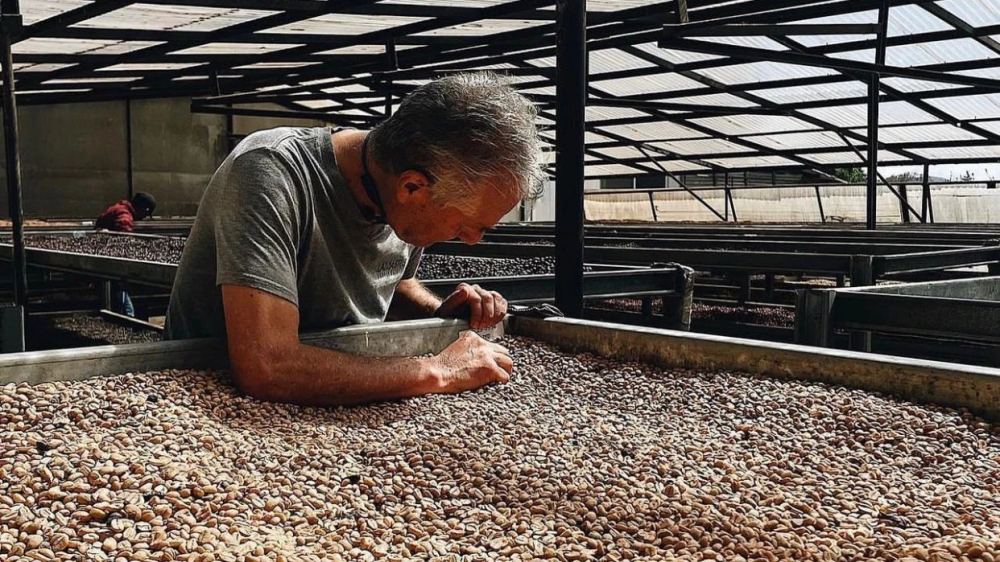
Red Label Geisha: Auction-Grade Premium Geisha
Officially named Esmeralda Special, the Red Label Geisha is the flagship representation of Hacienda La Esmeralda, limited to the Jaramillo and Canas Verdes plots at altitudes of 1600–1800 meters, with cupping scores above 90. This grade is available exclusively through BOP auctions, typically using single or highly refined small-lot beans. Processing methods include washed and natural, and the flavor performance is exceptionally outstanding. The uniqueness of the Red Label lies in its traceability to specific small plots, delivering vivid flavor layers often featuring intense floral notes, citrus, berries, honey sweetness, and a rich, layered mouthfeel.
Many ask about the difference between auctioned Red Label and non-auctioned Red Label. In fact, both come from the same premium plots; the only difference is whether they went through the auction process. If you’re on a budget, the non-auction version is still an excellent choice for experiencing top-tier flavors.
Green Label Geisha: High-Quality Blended Lot
The Green Label, officially called Private Collection, does not participate in BOP auctions but also comes from high-altitude micro-lots in Jaramillo and Canas Verdes, within the 1600–1800 meter range. This grade is a blend of beans from different small plots, so it cannot be traced to a single origin, but overall quality remains excellent. The Green Label commonly uses both washed and natural processing, showcasing clear Geisha characteristics such as floral notes, citrus acidity, juicy body, and sweet aftertaste. As the batch composition may vary slightly each year, flavor expressions can sometimes bring pleasant surprises. It’s a high-value specialty Geisha option with great cost-performance.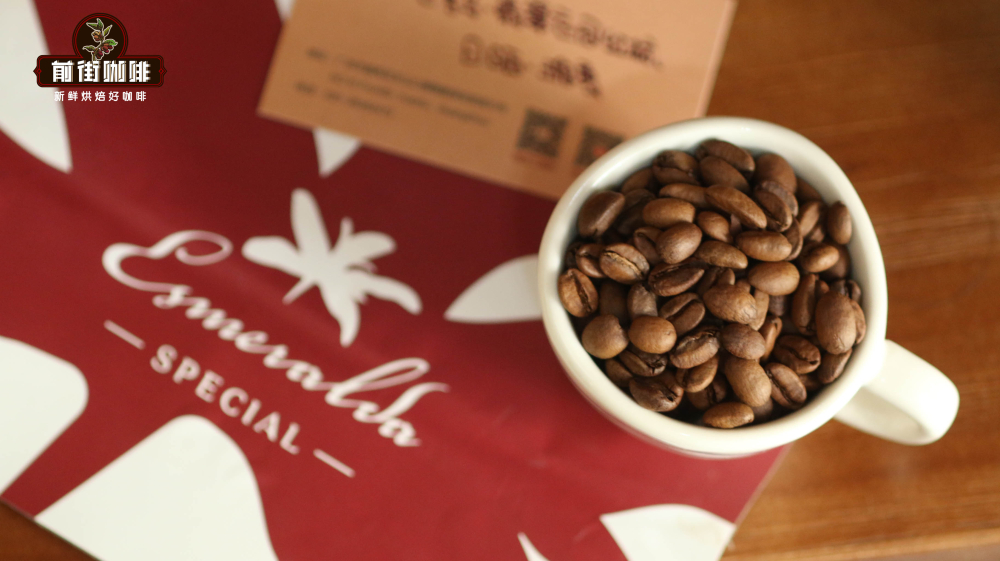
Blue Label Geisha: Accessible High-Altitude Blend
Also known as Geisha 1500, the Blue Label uses a blend of Geisha and other varieties grown at 1400–1500 meters, sourced from the Jaramillo, Canas Verdes, and El Velo plots. Processing is limited to washed only. This grade offers a relatively refreshing flavor profile, with notes of lemon and grapefruit acidity, pronounced mid-palate sweetness, and a finish that includes tea-like notes and brown sugar aroma. The overall mouthfeel is lighter and more approachable, suiting those who prefer a clean and bright cup. Note: This label was temporarily discontinued between 2019–2022.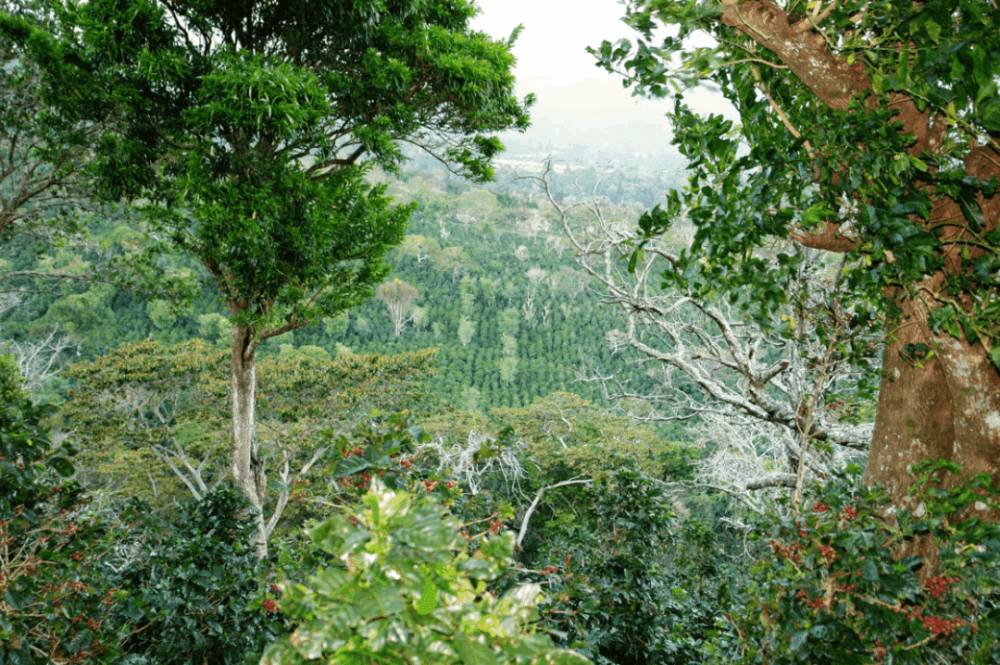
Practical Pour Over Recommendations & Extraction Parameters
For the Hacienda La Esmeralda Geisha series, it is recommended to use a Hario V60 dripper, with water temperature set at 91°C, coffee dosage 15 grams, brew ratio 1:15, and grind size suggested at EK43s setting 10 (approximately 80% through a #20 sieve). Lightly roasted Geisha beans have delicate flavors, so a slightly higher water temperature and finer grind help improve extraction. A three-stage brewing method is advised: start with a 30-second bloom using 30 grams of water, then pour in a slow stream to reach 125 grams for the first pour, and finally add water up to 225 grams. Total brew time should be kept around 2 minutes .
Flavor Profile Snapshot
Red Label: Rose floral, citrus, berries, apricot, honey; bright acidity, juicy body, layered complexity.
Green Label: Jasmine floral, citrus, cantaloupe, cream, orange peel; balanced sweet and sour, long-lasting aftertaste.
Blue Label: Lemon, grapefruit acidity, honey sweetness, oolong tea-like feel, brown sugar finish; clean and refreshing mouthfeel.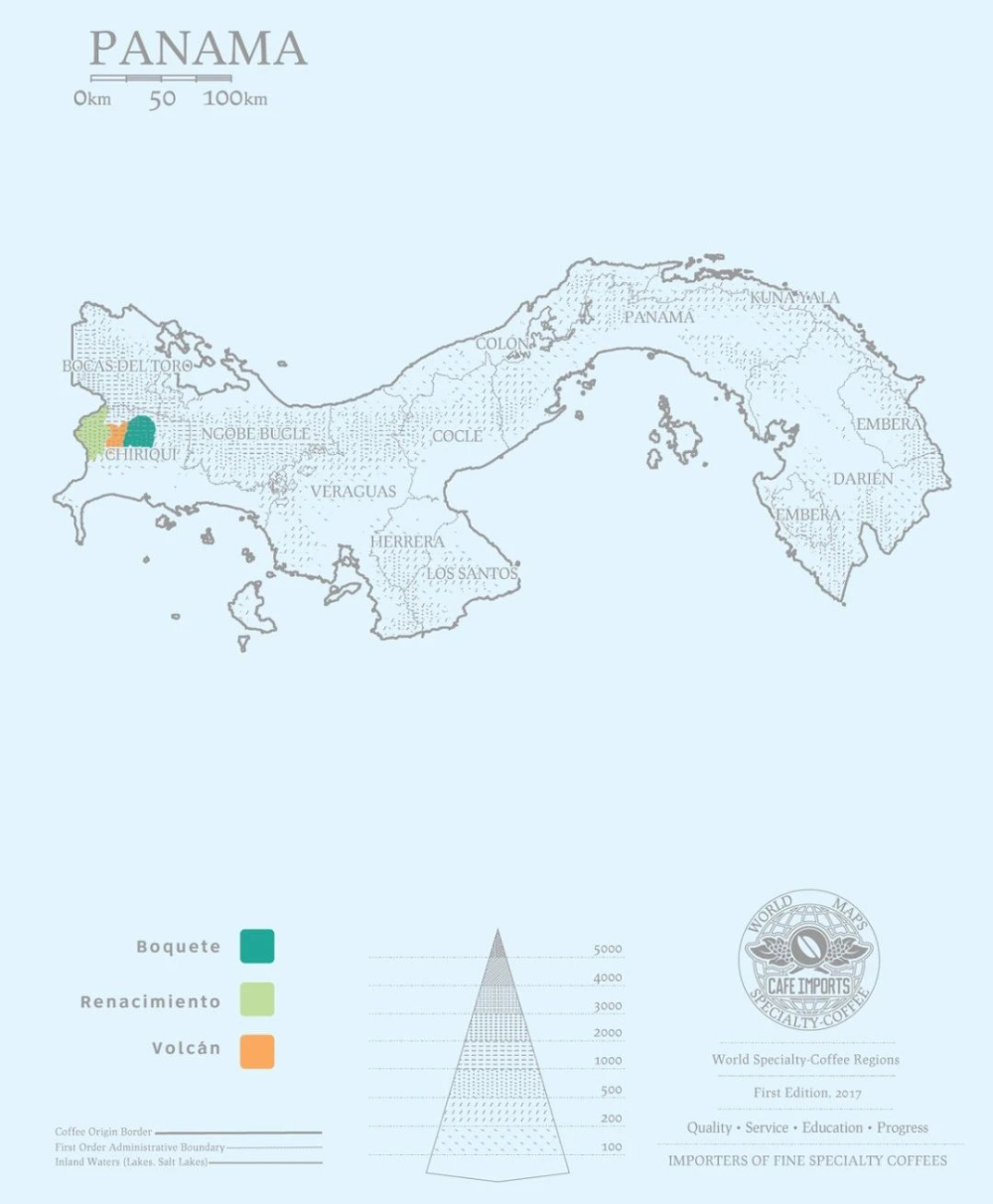
The above content is compiled by CoffeeHunters, a coffee news website.


