







Introduction:The Yirgacheffe Red Cherry Natural coffee bean is one of the gateway beans that many coffee beginners use to explore specialty coffee, renowned for its vibrant berry aroma and bright acidity. This article delves into the regional background of this coffee, the origins of the Red Cherry Project, its rigorous grading system, and provides professional roasting profiles and pour over brewing recommendations to help you fully grasp the unique charm of this “fruit bomb.”
The Yirgacheffe Red Cherry Natural coffee bean is a top choice for many coffee enthusiasts stepping into the world of specialty coffee. Not only does it offer an affordable price, typically between 80 and 90 yuan per half pound, but its distinctive berry flavors also completely overturn many people’s preconceived notions of black coffee being bitter. This coffee features a refreshing citrus acidity and a rich berry profile, exuding an enchanting fermented aroma that leaves a lasting impression after just one try.
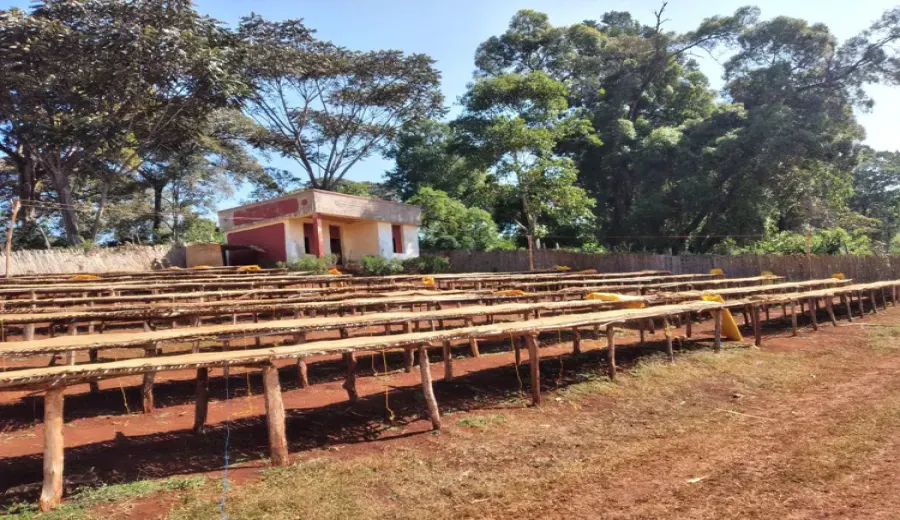
Yirgacheffe is located in the Gedeo region of southern Ethiopia, at an altitude of 1700 to 2100 meters. It was originally part of the Sidamo region. However, due to its unique processing methods and highly recognizable flavor profile, it has gradually been designated as an independent region. Surrounding Yirgacheffe are smaller regions such as Kochere, Wenago, and Gelena Abaya. The coffees produced in these areas share similar flavor characteristics with Yirgacheffe, which is why Kochere is often categorized under the same classification. This region is home to over 28 small cooperatives, most of which are family-run by smallholder farmers, with planting methods typically involving backyard intercropping or symbiosis with other crops.
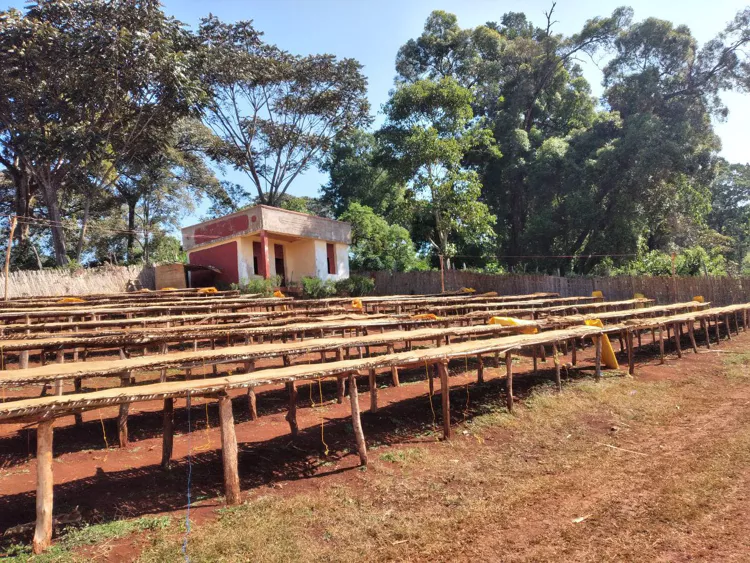
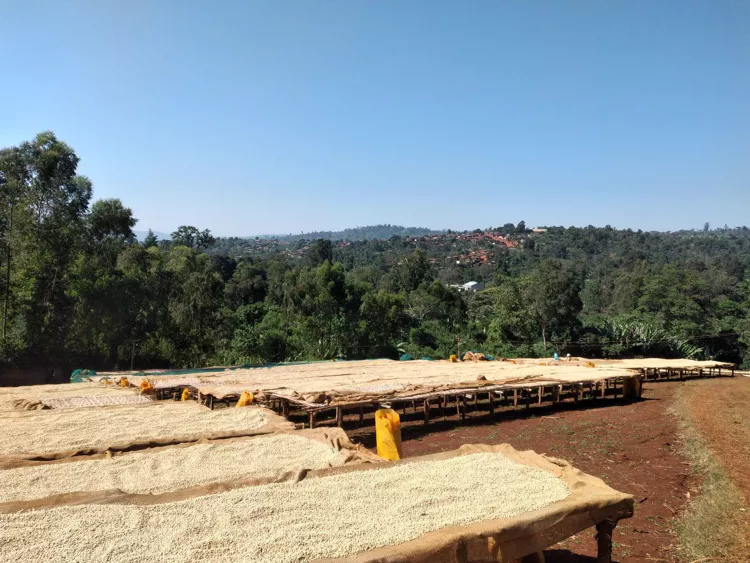
In terms of processing methods, Yirgacheffe initially mostly used the traditional African natural (sun-dried) method, but later introduced the washed technique from Central and South America, resulting in brighter acidity and fresher floral and fruity notes. For example, the Guddina cooperative, in partnership with a well-known coffee shop, is famed for its washed Yirgacheffe, which showcases light floral notes, bright lemon and citrus acidity, and a tea-like clean finish reminiscent of green tea.
Yirgacheffe coffee beans are divided into two main categories based on processing: washed and natural. Washed beans are graded according to the Specialty Coffee Association of America (SCAA) standards into Grade 1 (G1) and Grade 2 (G2), where the lower the number, the higher the grade. Natural beans are further subdivided into Gr-1, Gr-3, Gr-4, and Gr-5, with Gr-1 being the highest grade. A well-known coffee shop’s G1 natural Yirgacheffe boasts intense fruitiness—once the package is opened, a strong fruity atmosphere greets you, even redefining one’s imagination of what coffee can be.
Due to the nature of smallholder production, Yirgacheffe beans mostly consist of local landrace varieties, typically small in size, usually between screen sizes 14 and 15, and are round in shape. This also makes sorting and grading more challenging, but it preserves greater flavor diversity.
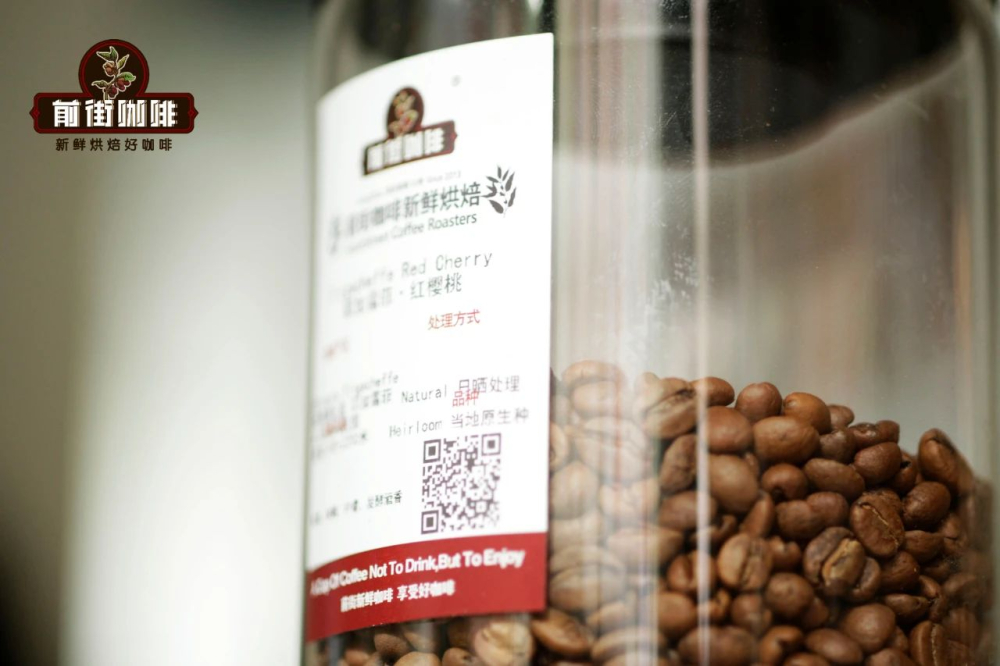
The so-called “Red Cherry Project” (Operation Cherry Red Project, abbreviated as ORC) originated in 2007, launched through a collaboration between the Dutch trader Trabocca and local Ethiopian farmers. The initiative aims to encourage farmers to harvest only fully ripe red coffee cherries, selecting 100% red fruit exclusively, with each batch weighing approximately 1500 to 3000 kilograms. This project not only improves the quality of green beans but also motivates farmers to be more meticulous during sorting and processing, hence the relatively higher costs and selling prices.
The Red Cherry Project encompasses various processing methods, including washed, natural, semi-washed, semi-natural, and even experimental processes. The producing regions span Yirgacheffe, Sidamo, Pungo Forest, Lekempti, Kembaata, Yirga Chefe, Harar, and Limu. Starting in 2011, the nearby Korocha (Golocha) region near Harar was also included. After initial selection at origin, Trabocca further conducts rigorous cupping tests in both Addis Ababa, Ethiopia, and Amsterdam, the Netherlands. Only those beans scoring above 88 points qualify for high bonuses and guaranteed purchase prices.
In addition, Trabocca provides financial support, advanced equipment, and technical training to help farmers enhance their production capabilities, creating a virtuous cycle. After harvest, the red cherry beans are immediately packaged in GrainPro bags or vacuum-sealed boxes to ensure quality during transport before being shipped to Djibouti for export. This approach not only elevates the overall quality and market value of Ethiopian coffee but also enables roasters to access higher-grade green beans, ultimately allowing consumers to enjoy richer and more diverse coffee flavors.
Thanks to the use of fully ripe red cherries, a well-known coffee shop’s Yirgacheffe Red Cherry Natural beans exhibit intense berry aromas and have been skillfully incorporated into a sunflower-based espresso blend, complementing other flavors to achieve a well-balanced flavor profile. Its fermentation aroma is distinctive yet not overpowering, with a pronounced sweetness on the finish, featuring notes of chocolate, vanilla, cream, and a subtle wine-like character. The mouthfeel is smooth with medium body, making it widely beloved.
To fully highlight the floral and fruity characteristics of this coffee, the roaster from a well-known coffee roasting company opted for a light and slow roasting strategy to preserve its intrinsic flavors. After multiple cuppings, the optimal roasting profile was finally determined as follows: using a Yangjia 600g semi-direct-fire roaster, the charge temperature is 200°C, with the fan set to 3.5. One minute later, adjust the heat to 160°C while keeping the fan unchanged. When the temperature drops to 148°C, reduce the heat to 130°C. At around 5 minutes and 03 seconds, when the temperature reaches 151°C, the bean surface turns yellow, and the grassy notes have completely dissipated, completing the drying phase. Then, adjust the heat to 105°C and increase the fan to 4.
By the 8th minute, the bean surface shows clear wrinkles and dark spots, emitting an aroma transitioning from toasted bread to coffee. This signals the approaching first crack. Carefully listen for the start of the first crack, which begins around 9 minutes and 07 seconds. Immediately reduce the heat to 70°C and fully open the fan, ensuring the heat isn’t too low to suppress the cracking sound. Finally, drop the beans at 194°C to complete the roast.
A well-known coffee brand’s Yirgacheffe performs excellently in cupping tests. The dry fragrance is rich, featuring intense fruity notes of strawberry, mango, and apricot along with dried fruit characteristics. The wet aroma is syrupy sweet, similar to apricot puree blended with honey and chocolate. The cup offers a medium-bodied entry, with bright and lively acidity reminiscent of fruity black tea, presenting an overall rounded and layered profile.
For brewing recommendations, pour over is advised to fully showcase its delicate flavors. It is recommended to use a V60 filter, with water temperature controlled at 90–92°C, 15 grams of coffee grounds, a 1:15 coffee-to-water ratio, and a medium-fine grind (approximately 80% passing through a Chinese standard No. 20 sieve). The brewing technique suggests a multi-pour method: start with a 30-second bloom using 30 grams of water, then pour 125 grams of water in small circular motions centered around the coffee bed. As the water level drops, continue pouring up to 225 grams, with a total brew time of about 2 minutes. This approach fully releases its berry fermentation aroma, delivering a smooth mouthfeel, balanced sweetness and acidity, and a long-lasting finish—making it a true “fruit bomb” to savor.
The above content is compiled by CoffeeHunters, a coffee news website.


