







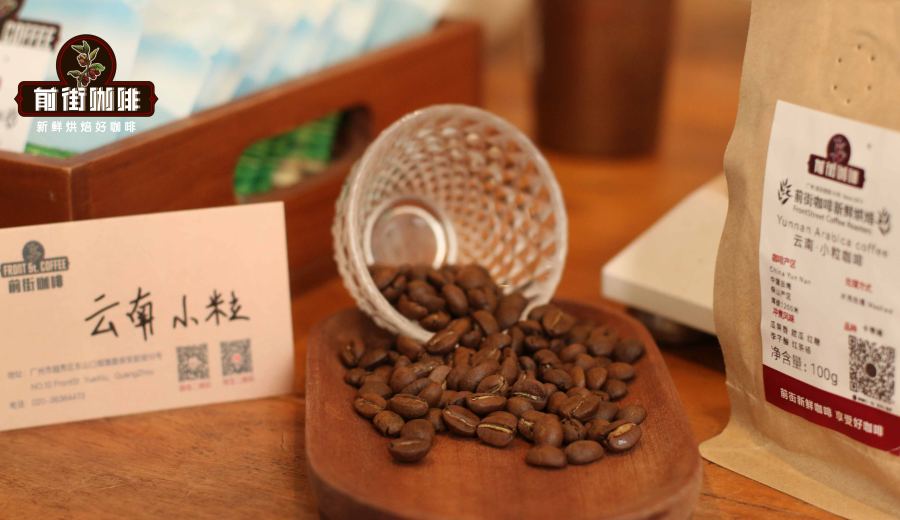
Introduction:Want to understand the flavor characteristics and practical applications of Yunnan small-bean coffee? This article starts with the origin of the growing region and variety classification, analyzing the differences between Yunnan coffee and Robusta, and delving into its potential as both a single-origin and espresso blend base. Whether you prefer the pure flavors of pour over or are looking for balanced and mellow espresso beans, you’ll find practical bean selection and brewing advice here.
Why is coffee produced in Yunnan often referred to as “small-bean coffee”? In fact, this name stems from the fact that it mainly belongs to the Arabica species. Compared to another common variety in China—Robusta (commonly known as medium-bean coffee or Luodou)—there are clear differences in bean size and flavor profile. Generally speaking, Arabica offers a richer flavor complexity, brighter acidity, and fewer impurities, and is therefore widely regarded as representative of high-quality coffee.
With the rise of specialty coffee trends, Yunnan, as one of China’s major coffee-growing regions, has gradually garnered market attention. However, Yunnan coffee has not yet established a uniquely distinctive regional flavor identity. From planting altitude and variety selection to post-harvest processing techniques, it is still in a phase of continuous exploration and technical accumulation. This also means that consumer perceptions of Yunnan coffee are often limited by earlier, more uniform agricultural models—but there has been noticeable progress in recent years, though change takes time to settle.
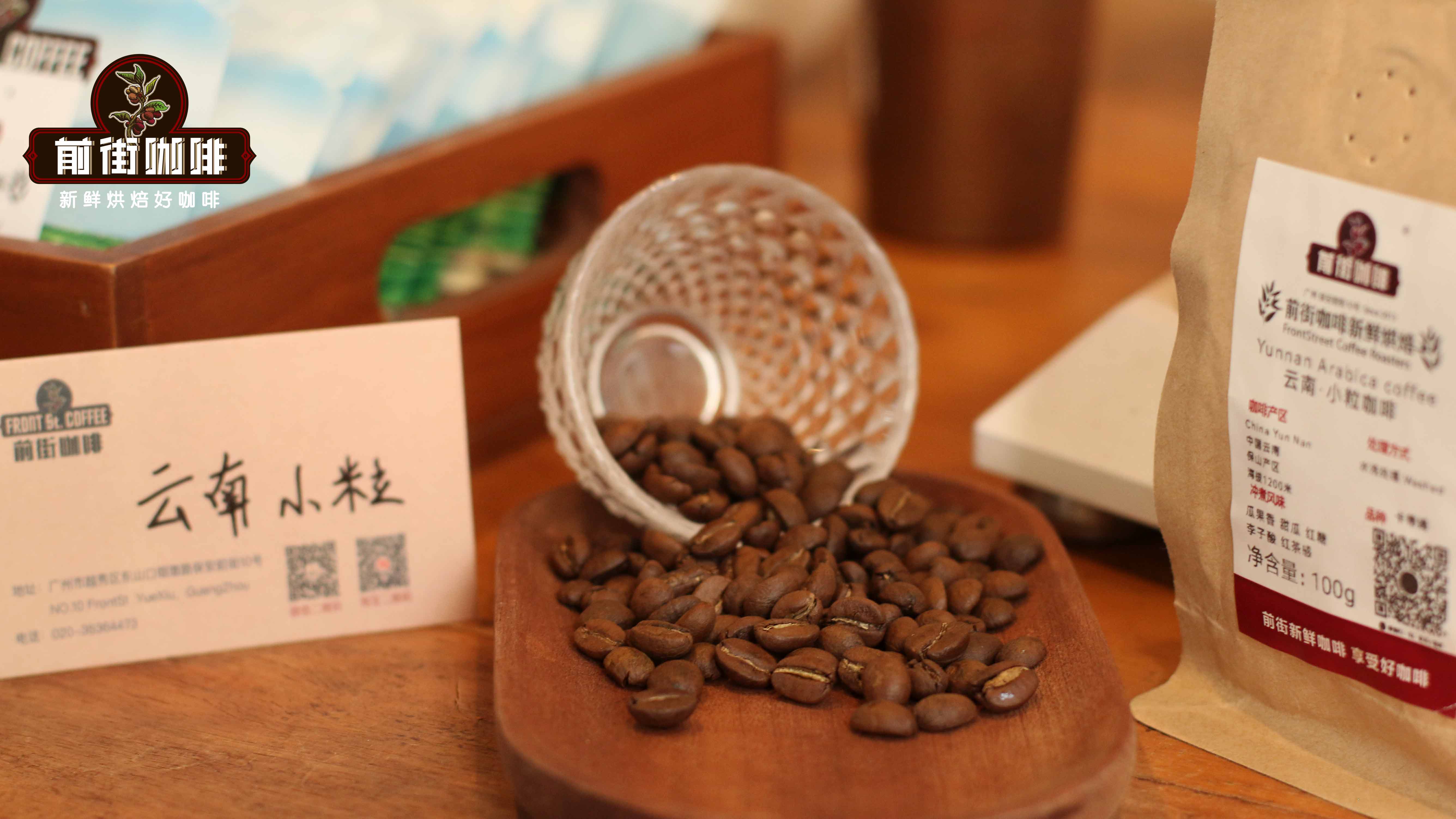
In terms of flavor profile, Yunnan small-bean coffee typically exhibits soft and smooth characteristics. Common aroma notes include nuts, chocolate, plum, and brown sugar, with an overall relatively balanced performance. It is suitable for use as a single-origin pour over and can also serve as a base bean for espresso blends, providing a stable flavor structure.
If you wish to experience the most authentic regional characteristics of Yunnan, it is recommended to choose meticulously processed single-origin beans. For example, products processed via the washed method can highlight clean acidity and distinct fruit notes; whereas the natural (sun-dried) process enhances sweetness and fruity aromas, delivering a richer tropical flavor. These beans are excellent for pour over extraction, which can fully showcase their delicate layers.
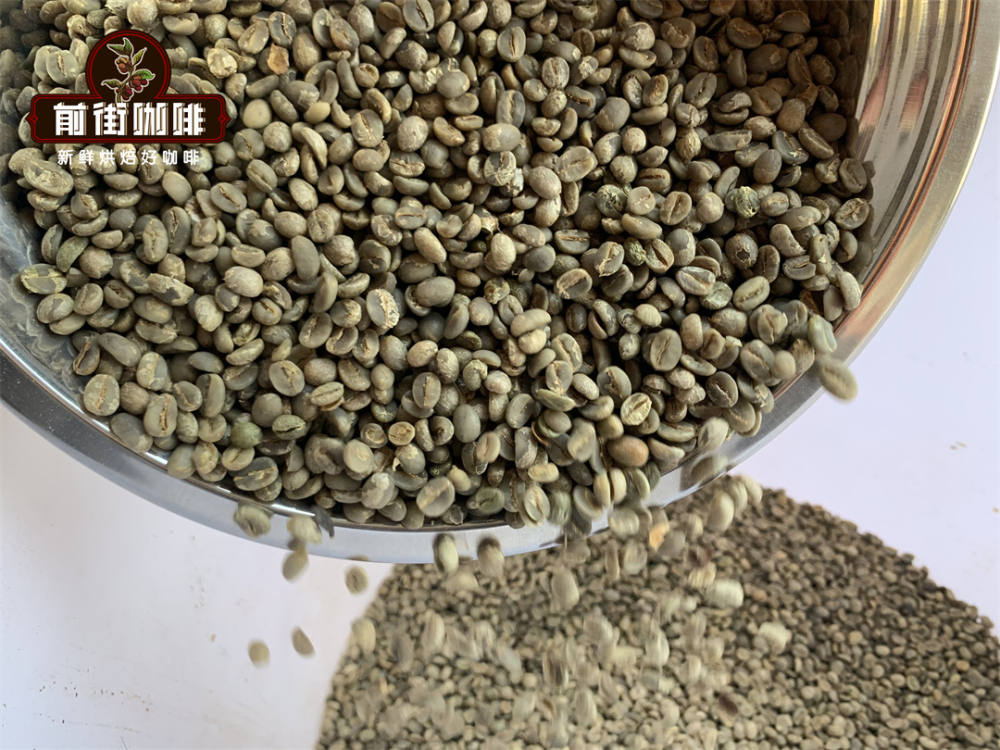
For coffee enthusiasts who prefer pour over, washed-process Yunnan small-bean coffee beans (produced in Baoshan, at an altitude of about 1200 meters, with the Catimor variety) are a good entry-level choice; if you enjoy more intense fruitiness and sweetness, sun-dried Typica from the Lincang area (at an altitude of about 1300 meters) is also a worthwhile option to try.
For lovers of espresso who seek a rich, full-bodied, and well-balanced taste, then blends based on Yunnan small-bean coffee are an option not to be missed. Some espresso recipes blend Yunnan beans with varieties such as Brazil Red Bourbon. Through medium-dark roasting, they not only present the nutty foundation and smooth tones of Brazilian beans but also bring out the unique creaminess, chocolate, almond, and subtle black tea notes of Yunnan small-bean coffee, with even a hint of sweet melon-like aftertaste.
These blends are not only suitable for making espresso but can also be easily used in milk-based coffees such as lattes and cappuccinos—rich yet layered, making them a practical recipe recommended by many baristas. For users just beginning to explore the flavors of the Yunnan region, these blends, which balance stability with distinct character, are an excellent choice for getting started.
In terms of brewing parameters, for pour over it is recommended to use a medium-fine grind, with water temperature controlled at 90–93°C, and to employ a multi-pour method to preserve delicate flavors; for espresso, it is advised to use a double shot extraction, adjusting the dose and pressure according to machine specifications, to achieve a rich and balanced crema and flavor profile.
The above content is compiled by CoffeeHunters, a coffee news website.


