







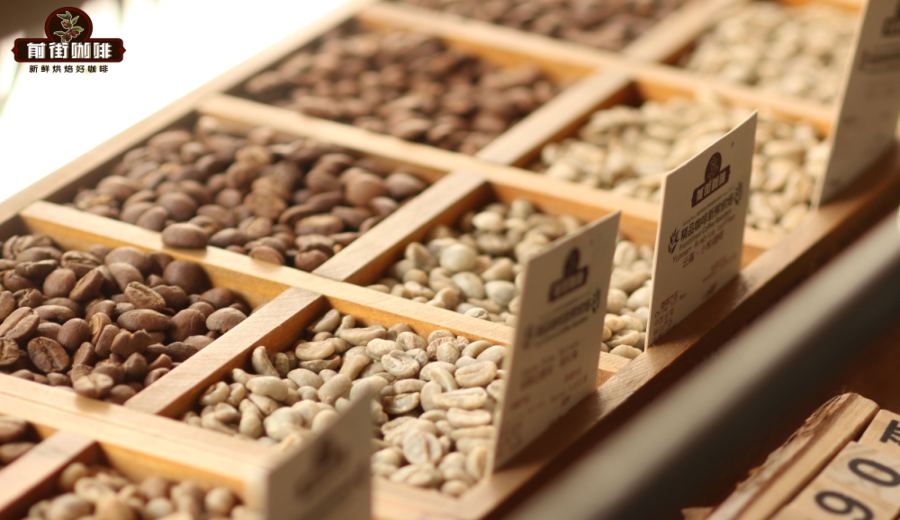
Introduction:Delve into the geographical advantages, climate conditions, and unique processing methods of Ethiopia’s Sidama region, analyze the flavor evolution of the Huacai series from its first generation to the present, and provide expert pour over recommendations. Readers will learn how Sidama achieves intense berry flavors and creamy smoothness through sun-dried processing, as well as the latest performance and extraction details of Huacai 8.0.
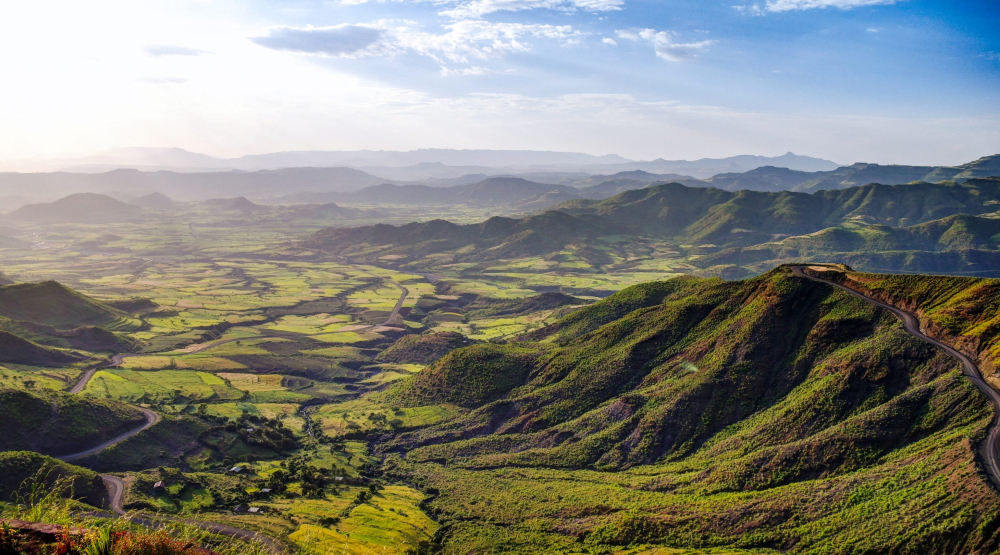
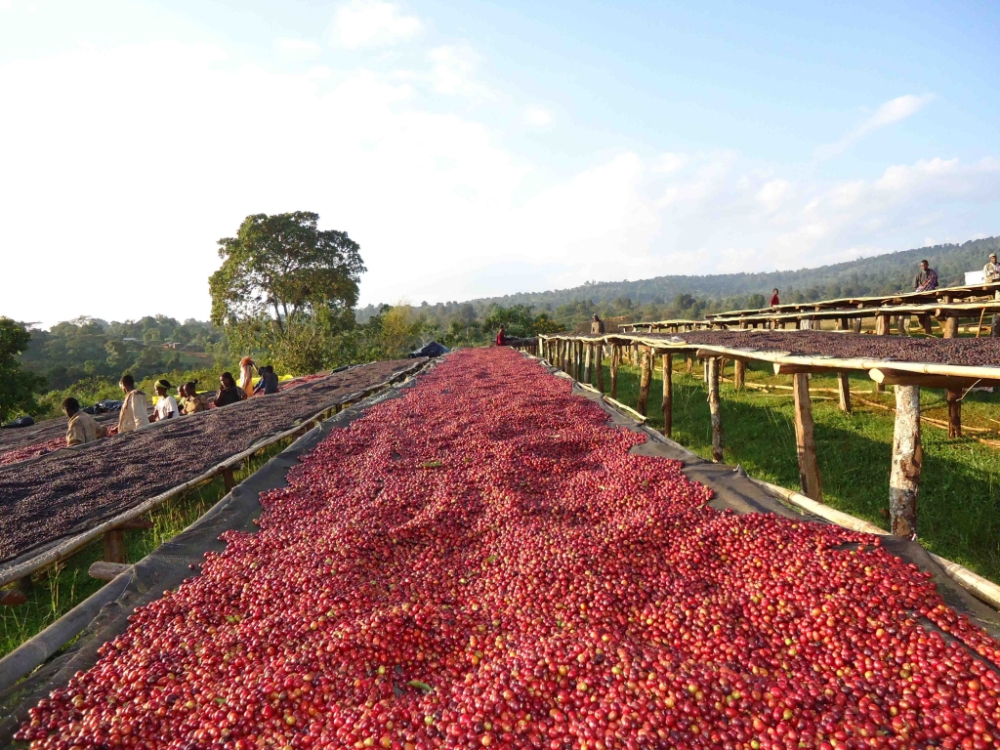
Sidama is one of Ethiopia’s three major specialty coffee regions, alongside Yirgacheffe and Harrar. Located south of Lake Awasa in the East African Rift Valley, it sits at an altitude of 1500 to 2200 meters. The mild climate allows coffee cherries to ripen slowly, developing rich and full-bodied flavors. Sidama is renowned for its sun-dried processing method, often exhibiting bold berry notes and silky creamy textures, and has repeatedly achieved top results in international competitions such as TOH and COE.
As the birthplace of coffee, Ethiopia is home to numerous wild coffee varieties and is hailed as the gene bank of coffee. The country’s diverse terrain and climate have given rise to multiple distinctive growing regions, among which Sidama and Yirgacheffe are familiar even to newcomers. Compared to the clean and bright profile of washed Yirgacheffe, Sidama showcases intense and layered berry and creamy aromas through sun-drying, making it one of the most sought-after coffees among global enthusiasts.
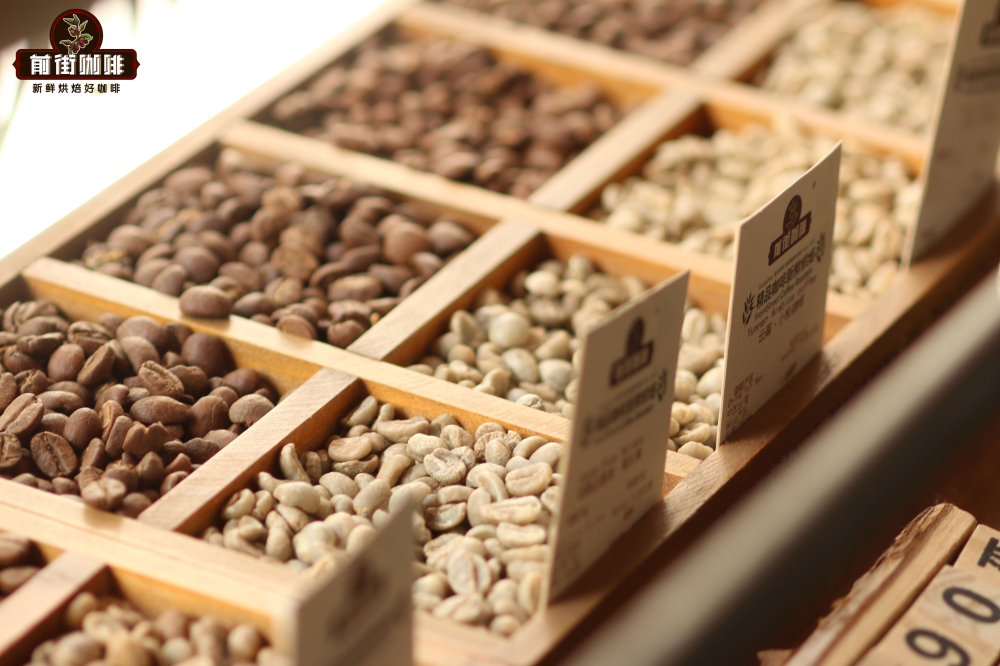
Situated in the fertile southern part of the East African Rift Valley, Sidama’s environment at 1500 to 2200 meters creates a cool and stable climate, extending the growth cycle of coffee cherries and fostering vibrant acidity and complex aroma structures. Moreover, Sidama coffees have consistently won awards in both domestic and international competitions, whether COE or TOH. For example, the 2020 TOH washed category champion came from the Guji region of Sidama, with its citrus notes and honeyed pomelo tea finish offering an excellent choice for those who prefer bright flavors.
Although many Sidama coffees have won awards, most only gain attention during their respective seasons. However, the “Huacai” series has stood the test of time. Now in its sixth generation, each new season’s release prompts coffee enthusiasts to inquire about the availability and flavor profile of the latest version.
The soaring popularity of the Huacai series is closely tied to collaborations with Luckin Coffee and a certain public figure, propelling this coffee bean to national fame and even causing temporary shortages. Many consumers have turned to baristas with questions: Where is Huacai coffee grown? Why is it called “Huacai”?
The origin of Huacai coffee beans is the Hambella zone of Sidama, adjacent to Yirgacheffe and one of Ethiopia’s highest-altitude coffee-growing regions. In 2017, Ethiopian green bean supplier DW submitted a sun-dried lot from Buku Abel washing station to the TOH competition. Its intense strawberry and cream flavors won over international judges, securing the sun-dried category championship for the Ethiopian region that year.
Subsequently, a Beijing-based green bean merchant introduced this award-winning lot to the Chinese market and named it “Huacai,” meaning “the foremost flower,” hoping it would continue the Geisha craze and become the next market darling. In the same year, during the China leg of the World Brewers Cup, contestant Li Jianfei claimed second place using Huacai beans. Against the backdrop of Geisha-dominated competitions, Li Jianfei’s Huacai stood out with its bold berry and creamy tones, propelling the beans to lasting fame.
As for the naming of Huacai 4.0, 5.0, and beyond, it follows a systematic “Huacai X.0” convention. The 2017 release was the series’ debut, followed by Huacai 2.0 in 2018, Huacai 3.0 in 2019, Huacai 4.0 in 2020, Huacai 5.0 in 2021, and this year’s Huacai 8.0.
Loyal customers know that each new season brings the latest coffee beans from the brand, and the Huacai series is no exception. However, as an agricultural product, Huacai’s flavor varies slightly each year due to factors like regional climate and rainfall.
The recently arrived Huacai 8.0 features a medium-light roast to highlight Sidama’s signature floral and fruity notes while preserving the beans’ inherent caramel aroma. Product details are as follows:
Product Info: Sidama · Huacai 8.0 Coffee Beans
Country:Ethiopia
Region:Sidama · Guji Region
Elevation:2250~2350 meters
Variety:Local landrace
Processing Method:Sun-dried
Flavor Profile:Floral, jackfruit, dried fruit, apricot, juicy
The new season’s Huacai 8.0 presents even more intense fruity aromas in its dry scent compared to 7.0, including guava, jackfruit, apricot, dried fruit, citrus, and pink floral notes. As water is poured, sweet tones like honey, berries, and chocolate gradually emerge.
When sipped, the interplay of sweet and sour from dried mango, jackfruit, orange, and passion fruit is evident, with pronounced juiciness and a smooth, rounded mouthfeel. As the temperature cools, the sweetness of peach and bright acidity of berries become more distinct, while the finish offers a soft, tea-like aftertaste, resulting in a rich and lingering flavor profile.
Huacai Pour Over Recommendation Parameters:
Filter:Hario V60
Water Temperature:90°C
Dose:15 grams
Coffee-to-Water Ratio:1:15
Grind Size:Fine sugar (approximately 80% passing rate through a standard Chinese No. 20 sieve)
All shipped coffee beans are from fresh batches roasted within 5 days and typically undergo 4 to 7 days of rest upon arrival. Even at peak freshness, it is recommended to perform a 30-second bloom before brewing to reduce any harshness.
Recommended Pouring Process: Start with 30 grams of hot water for blooming, lasting about 30 seconds; then slowly circle with a thin stream from the center, pouring to 125 grams for the first pour. When the water level is about to expose the coffee bed, continue circling to reach 225 grams, with total extraction time controlled to around 2 minutes.
The above content is compiled by CoffeeHunters, a coffee news website.


