







Introduction:Yirgacheffe is Ethiopia’s most iconic specialty coffee region, renowned for its distinctive floral and citrus notes. This article delves into the region’s representative coffee beans, including sundried Yirgacheffe and washed lots from the Gedeo Cooperative, detailing their varieties, altitudes, processing methods, and refined flavors. It also explores the unique characteristics of famous micro-regions like Kochere. Additionally, it covers an overview of Ethiopia’s eight major coffee regions and how the Project Origin initiative helps coffee farmers improve quality and income, offering a comprehensive guide to this enchanting coffee haven.
As a key representative of Ethiopia’s specialty coffee, Yirgacheffe has long been celebrated for its bright floral and citrus profiles and light acidity, making it a dream origin for pour over coffee enthusiasts worldwide. This article will take you deeper into the region’s representative coffee beans, including sundried Yirgacheffe from the Kebel Aricha washing station and washed lots from the Gedeo Cooperative. From variety, region, altitude, processing method to flavor characteristics, it provides comprehensive information along with practical details to help you better grasp the charm of this coffee.
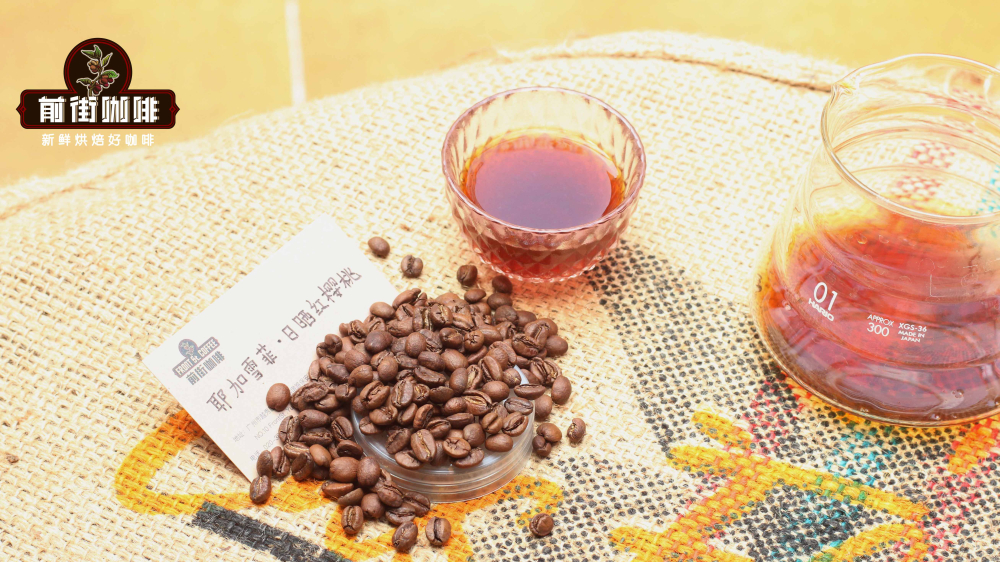
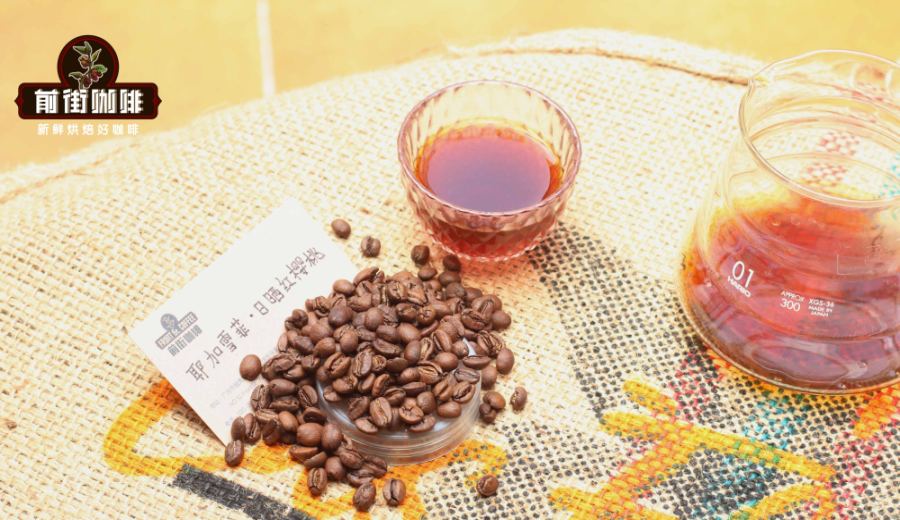
First, let’s look at this sundried Yirgacheffe, produced in the Gediyo area of Yirgacheffe, Ethiopia, at an altitude of approximately 1,900 to 2,100 meters, classified as G1, the highest grade. It is grown on native coffee varietals and produced by the Kebel Aricha washing station, which is supported by around 650 to 700 smallholder farmers who deliver their harvested ripe coffee cherries to the station in exchange for cash. These beans are processed using the traditional sundried method, where the cherries are directly spread on raised beds after harvest. Initially, they are turned every two to three hours to prevent over-fermentation, and the entire sundrying process takes about four to six weeks. Depending on weather conditions, workers may use machinery at the right time to remove the outer pulp, after which the beans are transported to the capital, Addis Ababa, for storage. They are usually kept as parchment until just before export to maintain the freshness and integrity of the green beans.
These sundried beans were graded as G1 by the Ethiopian Commodity Exchange (ECX). Not only do they have a uniform appearance and high freshness, but their dry and wet aromas are also exceptionally outstanding, making them especially suitable for coffee drinkers who love berry notes, bright acidity, and rich sweetness. Their flavor profile includes hints of light fermented wine, stone fruits, sweet oranges, dark berries, lychee, peach, longan, and red dates, along with a honey-like sweetness and subtle spicy undertones. The cup is full-bodied with a long-lasting finish, making it a sundried coffee with rich layers and distinctive character.
Next, we introduce the washed Yirgacheffe from the Gedeo Cooperative, also located in Ethiopia’s Yirgacheffe region. It is lightly roasted, made from native varietals, and meticulously processed using the washed method. This bean offers a clear flavor profile with prominent notes of jasmine, lemon, and bergamot, blended with the sweet and tangy balance of honey and grapefruit. Overall, it presents a clean and bright cup, making it an excellent choice for those new to specialty coffee or for trying out the washed processing method.
When talking about Yirgacheffe, one cannot overlook its surrounding micro-regions, among which Kochere is one of the most representative. Located about 25 kilometers southeast of Yirgacheffe, Kochere has a population of around 100,000, with coffee being the main cash crop. The region boasts advanced coffee processing facilities, many of which are managed by cooperatives. Smallholders deliver their harvested coffee to these cooperatives for processing, ensuring stable quality. Kochere’s washed coffee once received a high rating of 94 from the renowned review website Coffee Review. Its flavor profile combines the freshness of citrus with the sweetness of molasses, making it a standout among washed Yirgacheffe coffees.
In fact, Ethiopia has eight major coffee regions, including Lekempti (Nekempte), Gimbi, Limu, Illubabor, Djimma, Harrar, Bebeka/Teppi, as well as Sidamo and Yirgacheffe (Yirgacheffe). Although Yirgacheffe is administratively part of the Sidama region, the coffee it produces is often regarded as a distinct and important specialty origin due to its unique flavors. The town of Yirgacheffe itself has a population of only about 20,000, but its flavor profile is similar to that of nearby small regions such as Wenago, Kochere, and Gelena Abaya, so it is often categorized together with them.
Yirgacheffe not only benefits from a uniquely advantageous geographical environment, but its climate and altitude also contribute to its coffee’s pronounced acidity and aroma. Culturally, it is close to Sidamo but possesses even more delicate and bright floral and fruity notes. Common flavors include lemon, jasmine, and honey, paired with a smooth mouthfeel. It is often recommended by baristas as an ideal choice for pour over beginners or everyday drinking. If you’re looking for a specialty coffee bean with vibrant acidity and pleasant aromas, Yirgacheffe is definitely worth adding to your coffee bean recommendations.
Additionally, there are many global initiatives dedicated to enhancing the sustainability of coffee regions and improving farmer incomes, such as Project Origin, founded in 2015 by 2015 World Barista Champion Sasa Sestic. This initiative directly collaborates with coffee farmers in multiple countries, including Ethiopia, offering purchase prices above the market average. It also assists farmers in improving production techniques and processing methods, further enhancing coffee quality. At the same time, it fosters greater interaction between roasters and producers, enabling consumers to enjoy coffee with more distinct terroir characteristics.
The above content is compiled by CoffeeHunters, a coffee news website.


