







Introduction:Delve into the geographical advantages and microclimates of China’s largest coffee-producing region, Yunnan, and explore the characteristics of its four major production areas: Pu’er, Baoshan, Dehong, and Lincang. From classic Typica to the mainstream Catimor variety, compare the impact of washed and natural processing methods on flavor, and discover professional-grade V60 pour over parameters to help you brew Yunnan coffee with a balanced aroma of nuts, chocolate, and brown sugar.
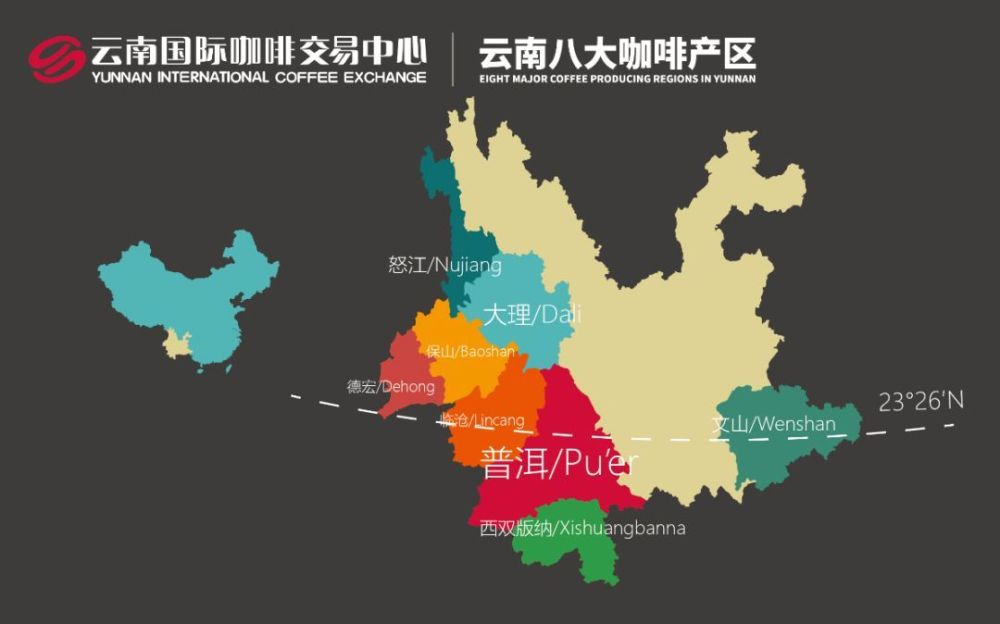
As the core hub of China’s coffee output, Yunnan boasts a uniquely favorable geographical environment that nurtures Arabica coffee beans with distinctive flavors. Over 98% of the country’s coffee is produced here, with the regions of Pu’er, Baoshan, Dehong, and Lincang being the most representative. These areas are located in low-latitude, high-altitude zones with significant day-night temperature variations, abundant sunshine, and concentrated rainfall—ideal conditions for coffee tree growth.
Located in the western part of Yunnan, the Longjiang Basin in Baoshan is renowned for its unique layered climate. This area features a low-latitude mountainous subtropical monsoon climate, with small annual temperature fluctuations but large diurnal variations. The average annual temperature remains between 14 to 17 degrees Celsius. Annual rainfall ranges from about 700 to 2100 millimeters, distributed unevenly. This rainfall pattern helps coffee cherries accumulate sugars, contributing to the distinct sweet aftertaste of the small-bean coffee from this region. Some producers specifically recommend the washed beans from this area as an entry-level option, allowing coffee enthusiasts to experience the foundational flavor profile of Yunnan beans.
Looking deeper into the Lincang region, another noteworthy case emerges. A self-owned plantation established in 2013 chose to cultivate the most original Arabica variety—Typica. After five to six years of careful nurturing, the first harvest took place in 2020, and the beans were processed using the natural method, resulting in an exclusive bean offering named “2013.” Influenced by the warm, humid air currents from the Indian Ocean, Lincang enjoys over 2000 hours of sunshine annually, along with distinct wet and dry seasons and a short frost period—ideal conditions for a variety like Typica, which is more demanding in terms of growing environment.
When discussing the varieties of Yunnan small-bean coffee, it’s essential to understand the evolution of local cultivation. Although traditional varieties such as Typica and Bourbon were predominant in the early days, most farms have now switched to planting Catimor to improve yield and disease resistance. This hybrid, derived from Timor (a Robusta branch) and Caturra (a Bourbon variant), carries 25% Robusta genetics, endowing it with strong resistance to pests and diseases as well as high productivity. However, Catimor trees are shorter with dense branching, making them suitable for close planting. Yet, in low-altitude areas, they can easily produce bitter or undesirable off-flavors, so they need to be grown at altitudes above 1200 meters to fully express their aromatic potential.
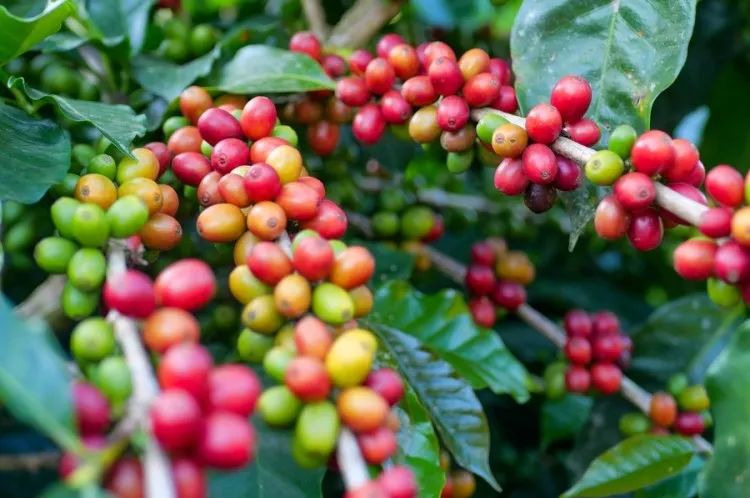
In terms of processing methods, some producers recommend starting with traditional washed and natural processes to explore the intrinsic flavors of Yunnan coffee. Representative beans from the Baoshan region are processed using the washed method, which highlights the region’s distinctive bright acidity and balanced taste through fermentation and mucilage removal. On the other hand, a naturally processed Typica bean is carefully selected from fully ripe red cherries, with its sweetness enhanced through precisely controlled drying that preserves more of the fruit’s sugar content. It’s particularly important to regularly turn the beans during the natural drying process and use breathable mesh racks to avoid off-flavors caused by over-fermentation.
For brewing Yunnan small-bean coffee, a medium roast level is recommended to balance body and acidity. In practice, it’s advised to use a V60 dripper with medium-fine grind (80% passing through a #20 sieve), a coffee-to-water ratio of 1:15, and water temperature controlled at 90 degrees Celsius. The specific steps are as follows: first, pour 30 grams of hot water for a 30-second bloom, then add 95 grams and 100 grams of water in two subsequent pours to complete a three-stage extraction, with a total brewing time of about 2 minutes. This parameter effectively brings out the dry aromas of nuts and berries, as well as the in-mouth flavors of chocolate, brown sugar sweetness, and the gentle acidity reminiscent of plums, with lingering fruity acidity in the aftertaste.
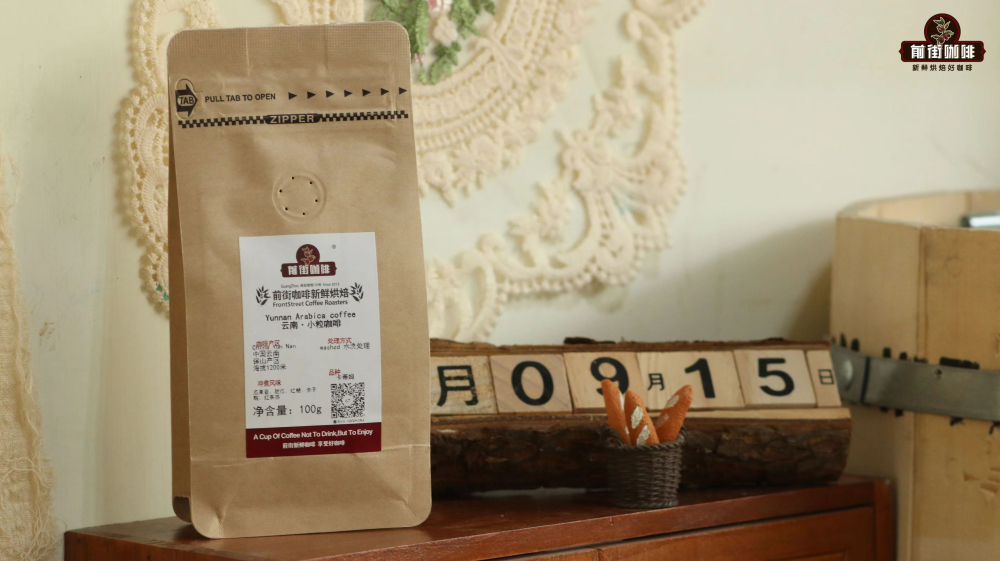
It’s worth noting that regardless of the brewing method chosen, the coffee beans must be in a freshly roasted state. The optimal flavor window is 4 to 7 days post-roast, and it’s recommended to select beans roasted within five days prior to use to achieve the fullest flavor expression. By mastering these key parameters and processing details, even beginners can brew high-quality coffee with the distinctive character of Yunnan at home.
The above content is compiled by CoffeeHunters, a coffee news website.


