







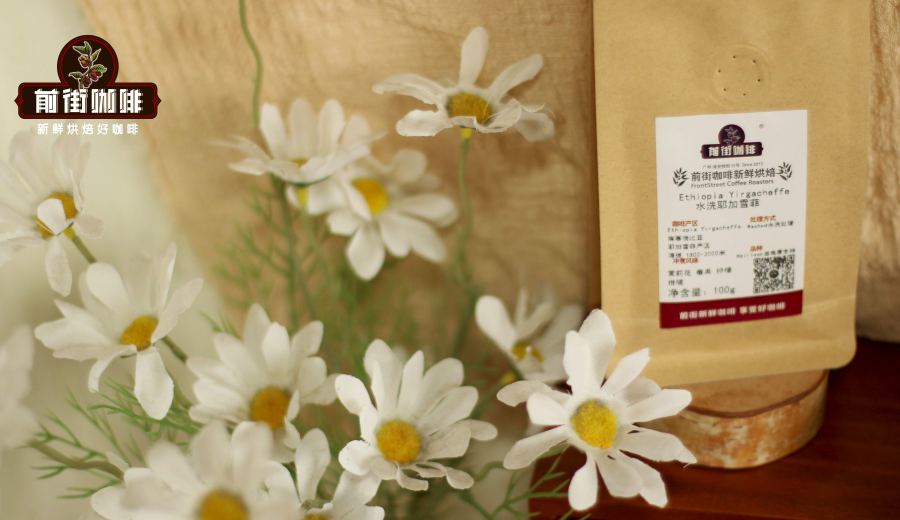
Introduction:This article provides an in-depth analysis of the Konga Cooperative Natural G1 Yirgacheffe from Ethiopia’s Yirgacheffe region. It covers the origin’s geography, cooperative background, varieties, processing methods, and flavor profile, along with practical brewing parameters and results, to give you a comprehensive understanding of this specialty coffee bean often hailed as the “affordable Geisha alternative.” Whether you’re a beginner or an advanced pour over enthusiast, you’ll find useful insights here.
Yirgacheffe — a name that’s no stranger to coffee lovers worldwide — is one of Ethiopia’s most iconic coffee regions, renowned for its bright acidity and floral-fruity notes, often serving as many people’s gateway into specialty coffee. Among the many cooperatives in Yirgacheffe, the Konga Cooperative stands out for its consistent washed processing and high-altitude cultivation, earning long-standing acclaim in the market.
Established in 1994, the Konga Cooperative officially joined the Yirgacheffe Coffee Farmers Cooperative Union (YCFCU) in 2002. Located at an altitude of approximately 2,000 meters, the area receives an average annual rainfall of 1,400 to 1,800 millimeters, and its soil is rich red-brown loam with abundant organic matter — ideal natural conditions for coffee tree growth. The community consists of 1,556 smallholder farmers, each cultivating an average of about 1.25 acres, representing a typical micro-lot model. The main varieties grown are Typica and local landraces, supplemented by cash crops like bananas and corn to sustain livelihoods.
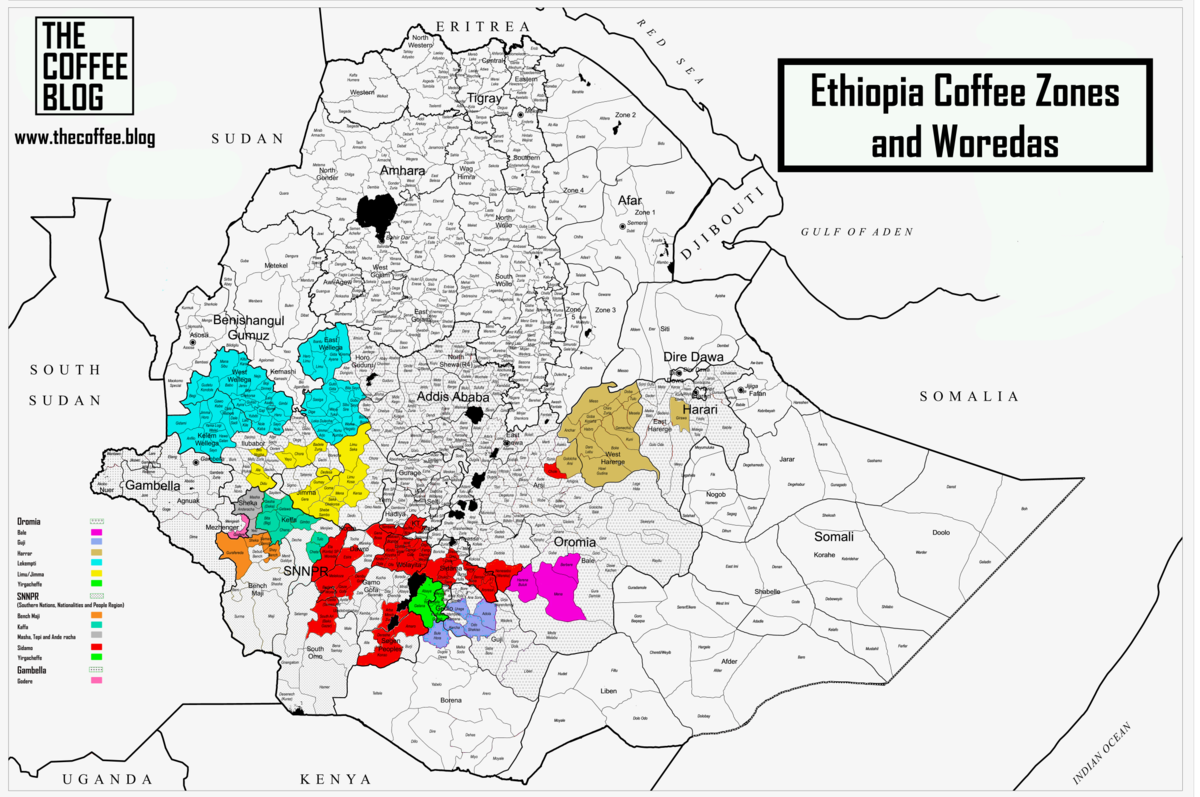
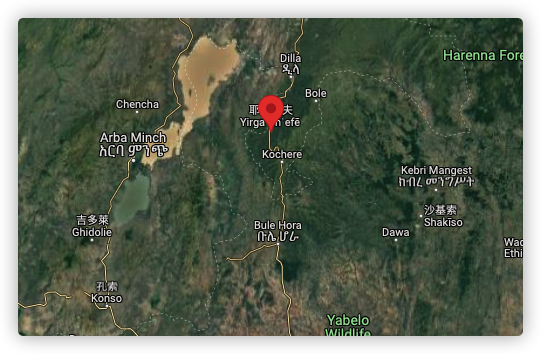
Originally a small town under the Sidama region, Yirgacheffe was officially designated as an independent coffee-producing zone in 2009 following the establishment of Ethiopia’s Commodity Exchange (ECX), due to its distinctly unique flavor profile. It is now grouped with the neighboring areas of Wenago, Kochere, and Gelena Abaya as a high-quality sub-region. This change also reflects the region’s ability to produce coffees with market-differentiating characteristics.
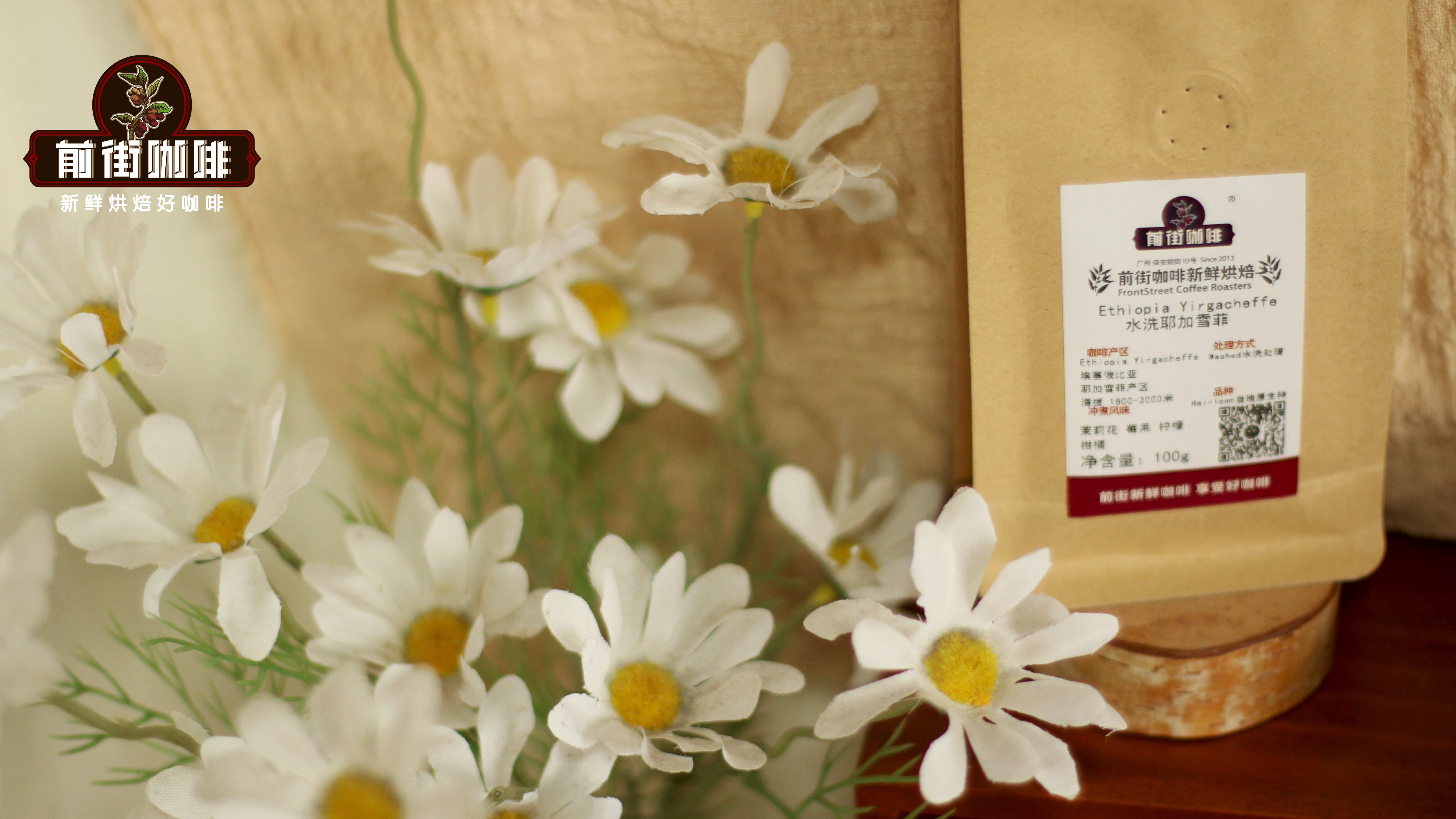
Regarding the Konga Cooperative’s coffee processing, washed processing is their primary method. This technique involves removing the pulp and mucilage, followed by fermentation and washing, which highlights the beans’ clean acidity and delicate aromas. Compared to natural processing, it emphasizes clarity and distinct layers. The G1 grade Yirgacheffe produced by Konga, thanks to strict selection and careful processing, often exhibits bright lemon acidity, jasmine, and blueberry-like fruity notes, with a refreshing mouthfeel and long-lasting aftertaste.
The focus of this article, however, is the Konga Cooperative’s Natural G1 Yirgacheffe. Compared to the washed version, natural processing allows the coffee beans to remain in contact with the fruit flesh and mucilage for a longer period, enabling sugars and flavor compounds to penetrate more deeply. This results in a richer fruit sweetness and fuller body. When brewed at higher temperatures, this natural Yirgacheffe often showcases intense berry sweetness, with aromas reminiscent of strawberries or raspberries, and a creamy mouthfeel. As the temperature drops, it gradually reveals a refreshing citrus-tea-like character. The overall flavor profile is complex and layered.
To better showcase the flavor characteristics of the Konga Natural Yirgacheffe, we conducted a comparative test using the same brewing parameters as those used for Panama’s Hacienda La Esmeralda Green Tip Geisha. Here are the pour over settings used in this test:
V60 dripper、Brewing water temperature: 91°C、Coffee-to-water ratio: 1:15、Coffee dose: 15 grams, using a grind size of 80% passing through a #20 Chinese standard sieve (approximately medium-fine, similar to the texture of superfine sugar). The brewing process is as follows: start with a 30-second bloom using 30 grams of water, then pour in a slow circular motion until reaching 125 grams for the first pour. When the water level is about to expose the coffee bed, continue pouring to a total of 225 grams, then let the V60 drip naturally (total brew time is around 2 minutes).
Under these parameters, the Hacienda La Esmeralda Green Tip Geisha exhibited bright floral and citrus notes. Upon tasting, it had a vibrant acidity, akin to a blend of lemon and passion fruit, accompanied by the freshness of berries. Even at lower temperatures, it maintained clear layers, with a soft tea-like finish. In contrast, the Konga Natural Yirgacheffe presented intense berry sweetness and a creamy smooth mouthfeel at higher temperatures, with bright, juice-like acidity. As it cooled, it transitioned into a refreshing citrus-tea character. While not as complex as the Geisha, its pronounced sweetness and approachable profile make it an excellent choice for beginners or as a daily drinker.
When comparing price and flavor value, Yirgacheffe — especially the offerings from the Konga Cooperative — holds strong competitiveness in the market. A 100-gram pack of Konga Natural Yirgacheffe G1 typically retails for only around 25 RMB, significantly more affordable than Panamanian Geisha, which can cost hundreds or even thousands of yuan. This explains why many coffee enthusiasts regard it as an “affordable Geisha alternative,” particularly as a go-to daily bean with bright acidity and fruity notes. The Konga Natural Yirgacheffe offers an appealing option for those seeking a flavorful yet budget-friendly cup.
In summary, the Konga Cooperative’s Natural G1 Yirgacheffe not only carries on the region’s tradition of high-altitude cultivation and quality processing but also enriches the coffee with greater fruit sweetness and body through natural processing. Whether you’re looking to explore the diverse profiles of Yirgacheffe or want a flavorful, high-value daily specialty bean, this natural Yirgacheffe is definitely worth trying. Be sure to fine-tune water temperature and grind size based on the brewing suggestions above to find your ideal balance.
The above content is compiled by CoffeeHunters, a coffee news website.


