







Introduction:Want to enjoy coffee but afraid of bitterness? Green tea coffee combines the freshness of matcha with the richness of coffee, making it a top choice for many. This article details the preparation process of green tea coffee—from ingredient selection to ratio adjustments—and teaches you how to recreate a professional-level flavor at home. It also clarifies the common misconception about whether "matcha latte" contains coffee, and offers practical pairing suggestions to help you better enjoy this unique beverage.
Many people shy away from the bitter taste of coffee, so cafés often offer a variety of flavored lattes to provide more options for those who dislike bitterness. However, it’s not uncommon for the name of a drink to not match its actual contents—for instance, ordering a "matcha latte" only to find there’s no coffee in it at all.
This article will guide you through the actual method and detailed steps of making green tea coffee, and compare the differences between the common matcha latte and the coffee-inclusive version to help you better understand what you’re ordering. Additionally, we’ll share some practical brewing tips so you can easily replicate a café-quality flavor at home.
When making green tea coffee, it’s recommended to choose coffee beans with stable quality to ensure a balanced final flavor. At the same time, pairing them with suitable green tea or matcha ingredients, and paying attention to ratio and water temperature control, are key factors that affect the taste of the final product. Mastering these points will allow you to achieve a professional-level result at home.
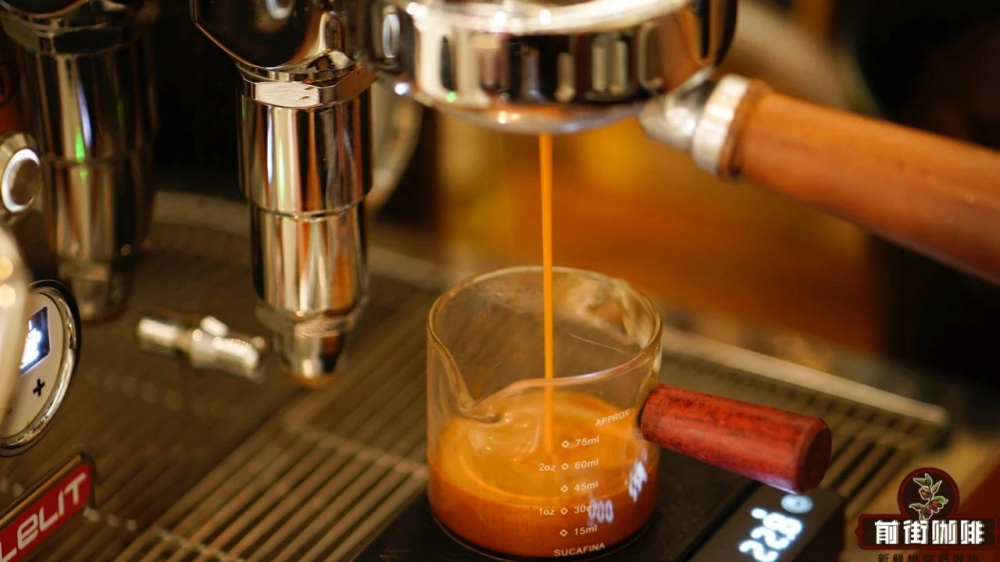
First, when selecting coffee beans, you may want to consider medium to light roasted beans, which typically have a brighter flavor and moderate acidity that complements the freshness of green tea. If you prefer a stronger taste, you can also opt for medium to dark roasted beans, but be careful not to let the coffee’s bitterness overpower the flavor of the green tea.
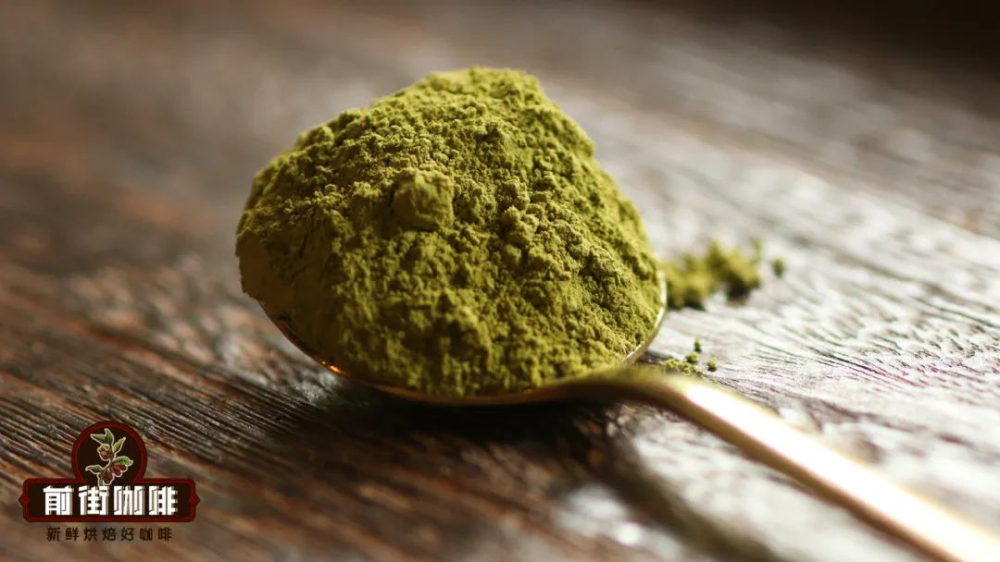
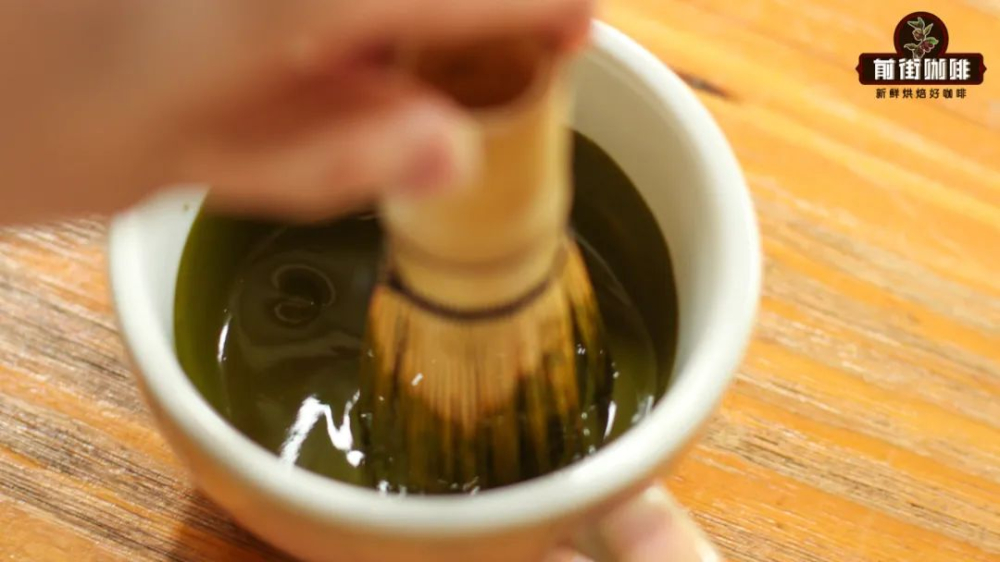
For the choice of green tea or matcha, matcha has a higher intensity and is suitable for those who enjoy a strong tea aroma, while green tea is relatively more refreshing and can bring out a more delicate taste. Whichever you choose, it’s recommended to brew it with hot water and then let it cool slightly to about 60-70°C before mixing it with coffee, to avoid high temperatures damaging the flavor of the tea or coffee.
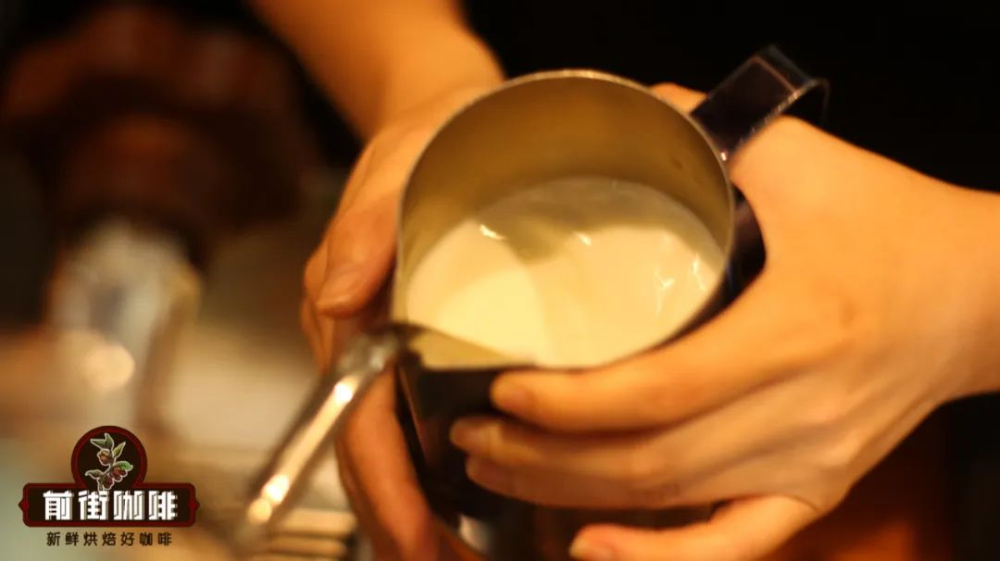
In terms of ratio, it’s generally recommended to use a coffee to green tea (or matcha) ratio of about 1:1 to 1:2, adjusting according to personal taste. If you prefer a stronger coffee flavor, you can increase the proportion of coffee; if you prefer a tea-forward taste, then increase the amount of green tea or matcha. In addition, adding milk or creamer can also soften the overall flavor profile—adjust according to your preference.
Temperature control is also one of the keys. When brewing coffee, it’s recommended to use water at 88-92°C, which can fully extract the aroma and flavor of the coffee without over-extracting and causing bitterness. For brewing green tea or matcha, the recommended water temperature is between 70-80°C to avoid damaging the active compounds and flavors with excessive heat.

One common misconception is that all "matcha lattes" contain coffee—in reality, many drinks labeled as matcha lattes may contain no caffeine at all, being made solely with matcha and milk. If you want to enjoy both coffee and green tea flavors in one drink, it’s more reliable to explicitly ask or choose an item labeled as "green tea coffee."
When making it at home, in addition to the basic combination of coffee and green tea, you can also try adding a small amount of syrup or spices, such as cinnamon powder or vanilla extract, to add more layers of flavor. However, it’s recommended to start with the basic recipe, and gradually adjust after you’re familiar with it, to avoid disrupting the original flavor balance.
In summary, green tea coffee is a beverage that can satisfy both coffee and tea lovers. With the right ingredient selection and ratio adjustments, you can easily recreate a professional-level flavor at home. Whether you want to reduce the bitterness of coffee or simply try a new taste, this drink is definitely worth a try.
The above content is compiled by CoffeeHunters, a coffee news website.


