








Introduction:Panamanian Geisha coffee is hailed as a star in the specialty coffee world for its delicate floral notes, rich fruitiness, and captivating citrusy finish. But what terroir secrets and varietal evolution lie behind its lofty price tag? This article traces Geisha’s Ethiopian origins, explores how it made its way to Panama’s Boquete region, and delves into how renowned farms’ meticulous management and grading systems have crafted its top-tier flavors. It also provides professional, flavor-oriented parameters for sun-dried Geisha pour over brewing to help you fully grasp the essence of this iconic coffee.
In the world of specialty coffee, Panamanian Geisha is undoubtedly one of the most representative star varieties. With its outstanding floral, citrus, and berry layered profiles, it has won the hearts of coffee lovers worldwide. Yet, its high price—often reaching hundreds or even thousands of dollars per pound—leaves many wondering: why is Geisha so expensive? This article starts with its discovery, detailing its journey from Ethiopia to Panama’s Boquete region, analyzes the red, green, and blue label grading systems of famous farms, and concludes with practical, flavor-focused pour over recommendations to deepen your understanding of this coffee’s charm.

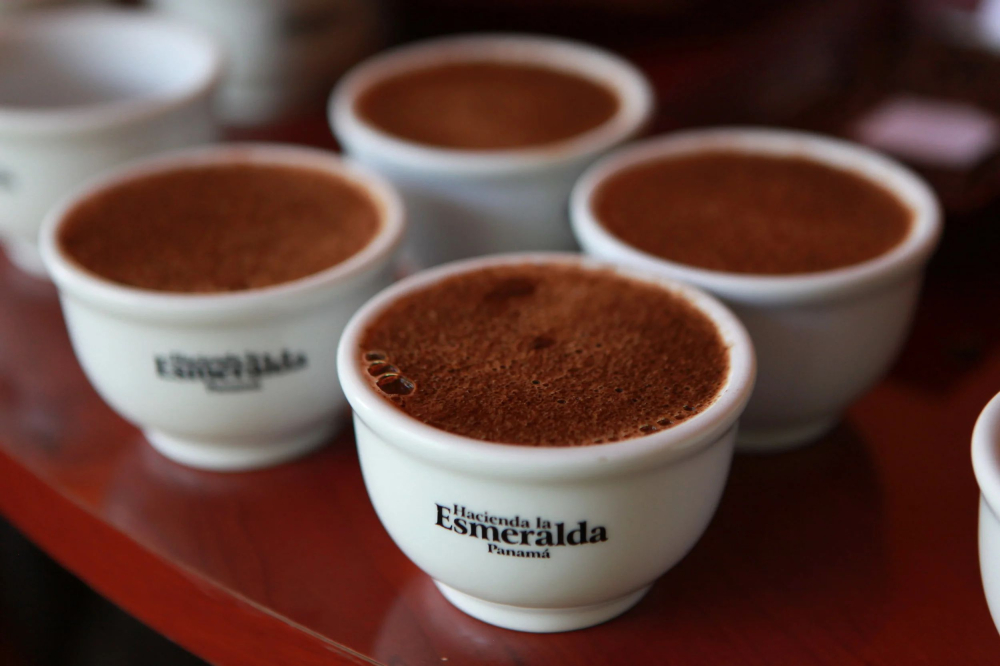
Geisha’s stunning debut dates back to 2003. At that time, the Peterson family of Hacienda Esmeralda first discovered during cupping that this variety boasted intense white floral aromas, an exceptionally clean taste, and a finish that lingered with notes of berries, citrus, and bergamot. Such a unique flavor profile left a deep impression, leading them to enter it into the 2004 Best of Panama (BOP) competition under the name "Geisha"—where it took first place and cemented its status in the specialty coffee scene.
In fact, Geisha’s roots can be traced to the birthplace of coffee—Ethiopia. In 1931, the variety was discovered in the wild forests of the Kaffa region in southern Ethiopia, initially sought for its disease resistance. It was named after nearby Geisha Mountain. The variety was later introduced to Kenya, Uganda, Tanzania, and finally arrived at Costa Rica’s Tropical Agricultural Research and Higher Education Center (CATIE) in 1953, where it was cataloged as T2722. However, due to its fragile branches and low yield, Geisha long failed to gain farmers’ attention.
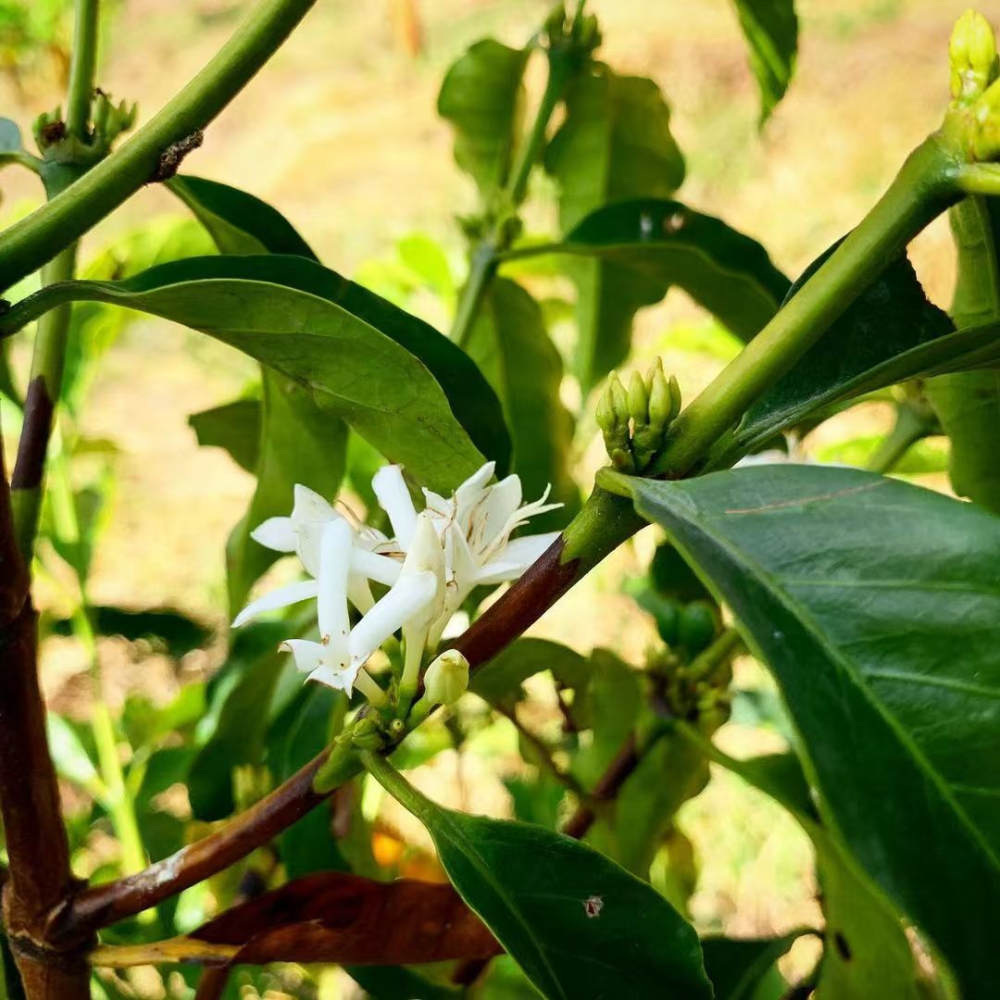
It wasn’t until the 1960s that CATIE distributed the T2722 variety to Panama. By the 1990s, Daniel Peterson, one of the founders of Hacienda Esmeralda, noticed on his high-altitude new farm in the Jaramillo growing area that Geisha exhibited remarkable resistance to leaf rust. He decided to separate it from other varieties and gradually increased its planting altitude.
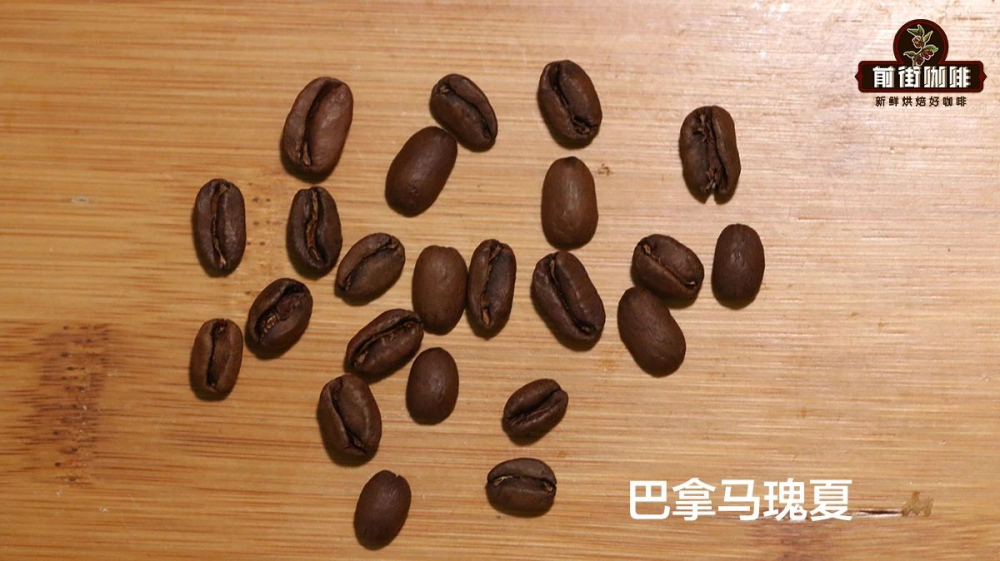
After years of observation and testing, Daniel and his sister Rachel confirmed the variety’s potential in 2003. Just two weeks before the BOP competition, they found during cupping that Geisha displayed layered flavors including jasmine, citrus, peach, blueberry, and bergamot—though slightly different from mainstream market preferences, they chose to enter it in the competition. The result was spectacular, and it won the competition. This very T2722 variety became the widely known Panamanian Geisha we know today.
In 2005, Hacienda Esmeralda sent Geisha to compete at the Specialty Coffee Association of America (SCAA), winning again, and it claimed the championship in 2006 and 2007 as well, thrusting Geisha into the global specialty coffee spotlight. Though Geisha is now grown in many places, including Yunnan, the processing methods and high-altitude environment of Hacienda Esmeralda are still considered the best for showcasing its classic flavors.
The Boquete region is one of Panama’s three major coffee-growing areas and the golden land for Geisha cultivation. This small town in Chiriquí Province lies on the eastern side of the Barú Volcano, at elevations between 1,000 and 2,000 meters. Influenced by the warm, humid air from the Caribbean Sea and the cold currents of the Atlantic, coupled with steep terrain, year-round mist, and abundant rainfall, it forms diverse microclimates—an ideal setting for Geisha to develop its exceptional flavors.
To ensure quality, Hacienda Esmeralda divides its Geisha-growing areas into three main blocks based on altitude, microclimate, and cupping results: Cañas Verdes, Jaramillo, and El Velo. Among these, the Jaramillo block averages over 1,650 meters in altitude, with a cool and humid climate year-round, serving as the main source of Hacienda Esmeralda’s red-label sun-dried Geisha. These beans are processed using the natural (sun-dried) method and often exhibit pronounced aromas of rose, citrus, berries, and honey, with rich layered flavors and a long-lasting finish.
Hacienda Esmeralda further classifies Geisha grown above 1,400 meters into three grades—red, green, and blue—based on cupping performance. Red-label beans typically come from the highest-altitude blocks such as Jaramillo or El Velo, offering the most complete flavor expression and are the most sought-after grade in the market. Additionally, Hacienda Esmeralda offers various series, including “Esmeralda Special,” “Private Collection,” and “Geisha 1500,” catering to different consumer needs.
What makes Panamanian Geisha coffee unique isn’t just its rare genetic background but also its demanding growing conditions. It requires high altitudes, nutrient-rich soil, and moderate shade and cloud cover to avoid direct sunlight. In high-altitude environments, coffee cherries ripen more slowly, aiding the accumulation of flavor compounds. This results in Geisha’s notably high sweetness, clean acidity, complex fruitiness, and often a distinct bergamot finish—key factors in its consistently high cupping scores.
If you wish to brew a top-tier Hacienda Esmeralda red-label sun-dried Geisha at home, here are recommended parameters that commonly highlight its flavor layers:
Brewing Equipment:V60 Dripper
Water Temperature:91-92°C
Coffee Dose:15 grams
Coffee-to-Water Ratio:1:16
Grind Size:Granulated sugar size (approximately 80% passing through a #20 sieve, equivalent to medium-fine grind)
Brewing Steps:
1. Place 15 grams of coffee grounds in the dripper, then pour 30 grams of water for a 30-second bloom. Use a fine, focused stream aimed at the center of the coffee bed, then slowly circle outward.
2. Next, pour 120 grams of water, keeping the stream vertical and even, reaching a total of 150 grams by around 55 seconds.
3. For the final pour, add 90 grams of water, bringing the total extraction to 240 grams. Maintain a delicate pour to avoid excessive agitation of the coffee bed, and aim to finish dripping by around 2 minutes and 10 seconds.
4. Remove the dripper and gently swirl the server to evenly mix the coffee, then enjoy.
This brewing method fully highlights Geisha’s delicate floral notes, citrus acidity, and tropical fruit layers. As the coffee cools, you can also enjoy a tea-like finish. The overall profile is refreshing and dynamic, making it an ideal way to experience the flavors of Panamanian Geisha.
The above content is compiled by CoffeeHunters, a coffee news website.


