







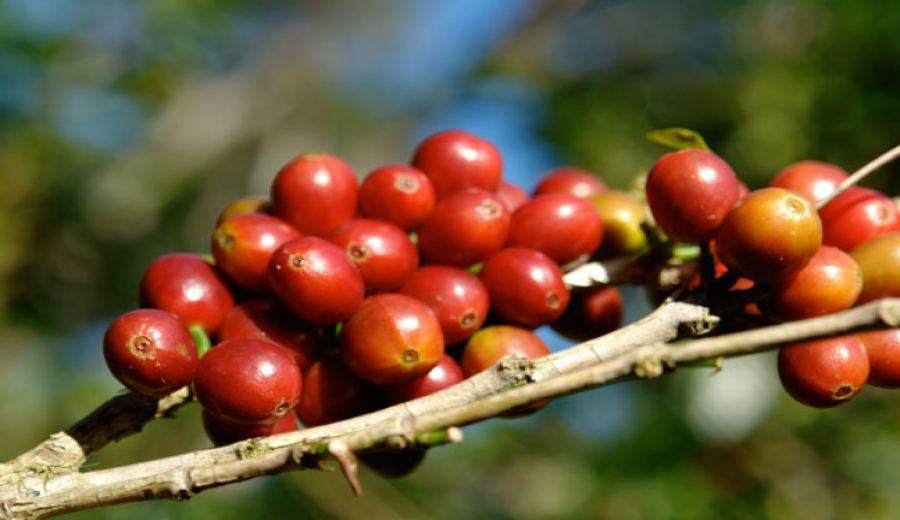
Introduction:Want to explore the unique flavor profiles of coffee beans from Central and South American producing regions? This article provides an in-depth analysis of the coffee characteristics of popular origins such as Colombia, Brazil, Panama, and Guatemala, including flavor profiles, processing methods, and roasting recommendations. It also helps you understand how different altitudes and microclimates influence the acidity-sweetness balance and aromatic expression of coffee, assisting you in finding the best pour over coffee beans to suit your taste.
Central and South America are major regions for specialty coffee worldwide. From the distinctly caramel-sweet coffees of Colombia, to the delicate floral and citrus notes of Panama’s Geisha, to the rich nutty and chocolatey base of Brazilian coffees — each region, due to differences in terrain, altitude, and climate conditions, produces coffee with its own unique flavor characteristics.
This article will detail the major coffee-producing areas of the seven Central American isthmus countries and the Caribbean islands, analyzing the flavor profiles of well-known producing regions such as Colombia, Guatemala, Costa Rica, Panama, El Salvador, and Brazil. Along with practical information, it helps coffee enthusiasts more accurately choose coffee beans suited to their taste preferences, brewing methods, and roast levels.
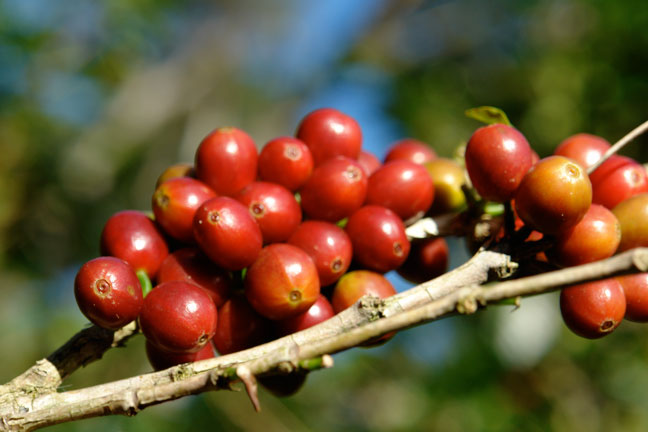
The so-called Central America generally refers to the narrow landmass south of Mexico and north of the Panama Canal, also geographically known as the “Central American Isthmus.” This region includes seven countries: Guatemala, Belize, El Salvador, Honduras, Nicaragua, Costa Rica, and Panama — each a significant coffee-producing nation.
Under a broader classification, Caribbean islands such as Jamaica (famous for Blue Mountain coffee), Cuba, Haiti, the Dominican Republic, and Puerto Rico are also often included in discussions of Central American coffee. However, in professional coffee categorization, “Central American coffee” typically refers only to Mexico and the seven Central American isthmus countries, while coffees from Caribbean island nations are considered “Caribbean Island Coffee,” with their own distinct evaluation systems.
The Central American Isthmus is predominantly highland and mountainous terrain, an extension of the Cordillera mountain range. The side facing the Pacific Ocean is mostly volcanic, with frequent volcanic activity bringing mineral-rich volcanic soil; the eastern side features narrow plains near the Caribbean Sea and the Gulf of Mexico, with humid and hot climates; mountain valley areas enjoy mild climates, along with significant day-night temperature variations, creating diverse microclimates. These conditions are all conducive to growing high-quality coffee with complex flavors.
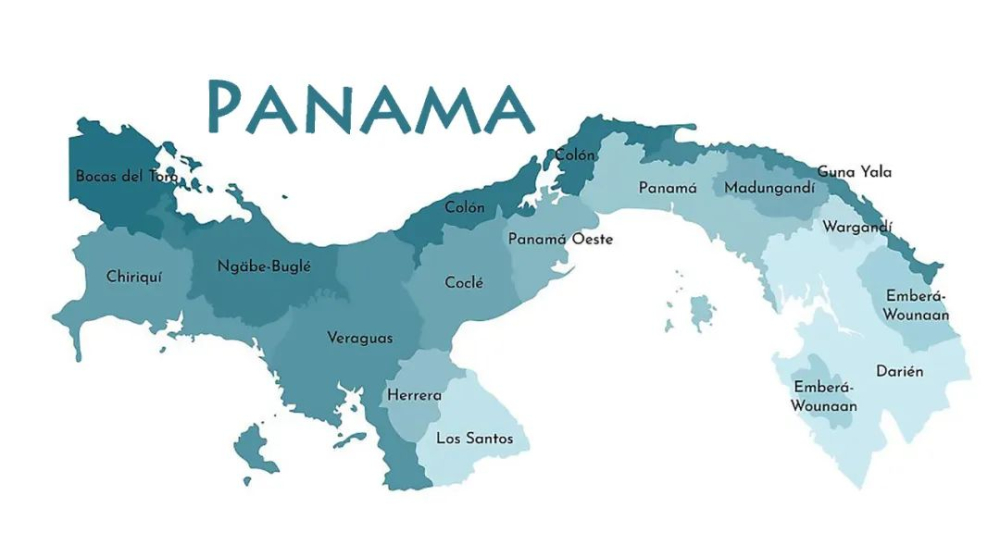
Colombian coffee is known for its full-bodied and rich mouthfeel, often featuring noticeable caramel sweetness and gentle fruit acidity. Major producing regions include Medellín, Armenia, and Manizales. It is recommended to try washed-process, medium-dark roasted Colombian Huila beans, which have a clear acidity that blends with caramel, sweet nut, and chocolate aromas, even carrying a hint of wine-like finish, with prominent fruit tones and rich layers.
Guatemalan coffee showcases intense and layered characteristics, often accompanied by distinctive tobacco and charcoal aromas. The Antigua region is one of its representatives. It is recommended to choose washed-process, medium-roasted Antigua Finca Santa Ana Bourbon A2, whose flavors include lemon peel, vanilla biscuit, and nutty notes, with outstanding caramel sweetness, gentle acidity, and a fine, solid mouthfeel. Finca El Injerto Huehuetenango exhibits elegant floral and orange peel aromas, with a creamy and macadamia nut aftertaste.
Costa Rican coffee has a mild yet rich mouthfeel, balanced acidity, and clear, layered aromas. Major producing regions include Tarrazú, Juan Vinas, Turrialba, Caturra, Mindo, and Santa Rosa. Particularly recommended is the SHB Caturra washed-process from Hacienda La Amistad in the Tarrazú region, which delivers an impressive creamy texture and mature fruit fermentation aroma, with a finish combining coffee cherry and chocolate notes. For those who prefer a refreshing taste, the Tarrazú washed SHB Catuai is a good choice, with pronounced citrus-orange tones, paired with toast and caramel cocoa sweetness, resulting in a clean and crisp overall profile.
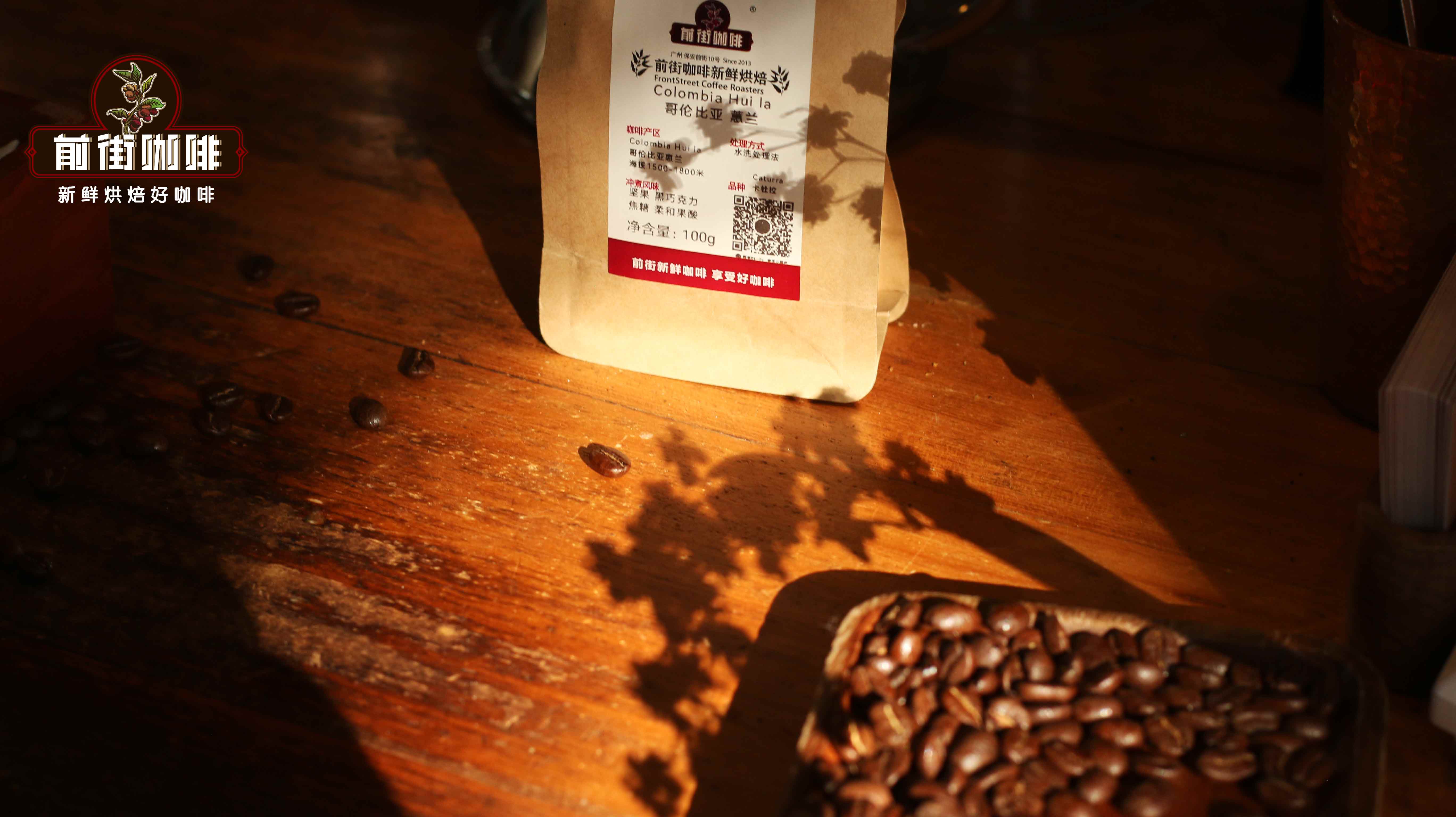
Panamanian coffee is famed for its fresh, clean fruitiness and unique floral notes, with balanced flavors and a long-lasting finish. Boquete and Volcán Barú are the main producing regions. Washed and natural processed Boquete beans offer jasmine floral and citrus acidity, with a bright mouthfeel. The Panamanian Elida Estate Catuai Natural beans showcase fig and white grape fruitiness, with gentle acidity, high body, and a sweet finish of maple syrup and honey. Among the Geisha varieties, the Red Label Geisha is a classic — under natural processing, it presents layers of mixed fruits, peach, rose, citrus, and honey, along with a tea-like aftertaste.
Salvadoran coffee features lively and varied acidity, sometimes with biscuity notes, other times exhibiting distinct fruit tones, with excellent body and crema. The Pacas and Pacamara varieties are the main cultivars. It is recommended to try the micro-lot Pacamara from the Ataisi Estate, available in both washed and natural processes, combining nutty, chocolatey, and passionfruit sour-sweetness, with an aftertaste of strawberry and nutty aromas. Himalaya Estate Red Bourbon is noted for its wine-like acidity and flavors of plum and brown sugar, with a full body and long-lasting finish. The Termal Miel processed beans from Salaverria Estate are known for their high clarity and low acidity, offering rich fruitiness along with caramel and nutty tones, suitable for drinkers who prefer a softer mouthfeel.
Brazilian coffee is primarily low in acidity, full-bodied, and rich in nutty and chocolatey aromas, though some beans may carry slight woody or earthy notes, with less obvious floral and citrus tones. Major producing regions include Santos, Bahia, Cerrado, and Mogiana. It is recommended to choose semi-natural, medium-roasted South Minas Bourbon beans, which exhibit prominent roasted peanut aromas and dark chocolate notes, with excellent aftertaste and body, and a long-lasting finish.
Below are brief profiles and selection reasons for four featured coffees:
Panama Hartmann Washed Geisha, from the Volcán region (Santa Clara town, Chiriquí province), grown at 1260–1800 meters altitude, washed process. This bean exhibits the typical traits of the Geisha variety, including captivating floral, citrus, berry, and black tea aromas, with clear flavor layers. It is suitable for coffee lovers trying the Geisha series for the first time, allowing even beginners to easily appreciate its bright citrus sweetness and silky berry tones.
The above content is compiled by CoffeeHunters, a coffee news website.


