







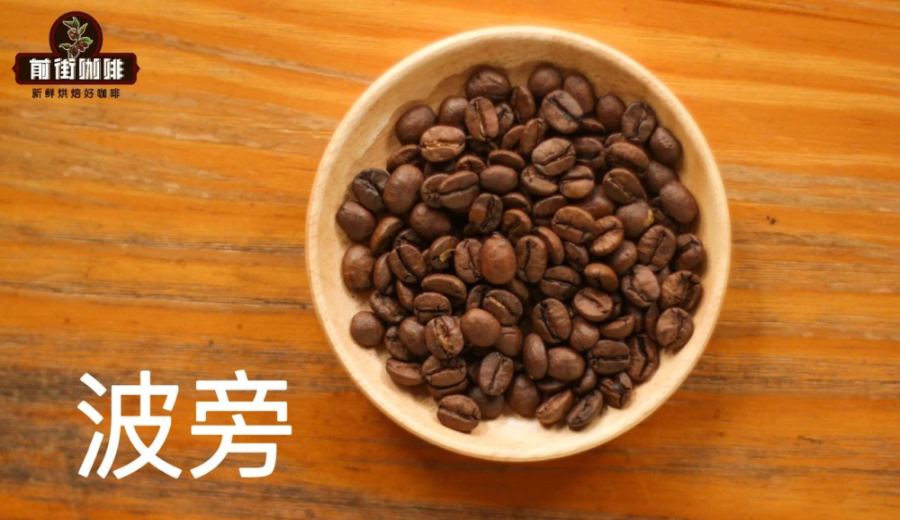
Introduction:As a classic variety within the coffee family, Bourbon coffee originated on Réunion Island in the 18th century and gradually evolved into an important branch of specialty coffee worldwide. This article delves into the historical origins, varietal evolution, and cultivation characteristics of Bourbon, while analyzing the differences in flavor, appearance, and recommended brewing methods between Red Bourbon and Yellow Bourbon, helping coffee enthusiasts gain a comprehensive understanding of the unique charm of this classic variety.
Bourbon is a long-established Arabica coffee variety that originated on Réunion Island, located off the eastern coast of Africa. At that time, in the 17th century, the island was a French colony known as Île Bourbon — the source of the variety’s name. Later, Bourbon coffee spread from the island to Brazil and Central and South America, becoming a dominant planting variety in many renowned coffee regions and maintaining a strong presence in the specialty coffee market.
The Bourbon variety is renowned for its elegant acidity and rich sweetness, especially when grown at higher altitudes, where it can exhibit more intricate layers of flavor. However, Bourbon is relatively susceptible to diseases, particularly leaf rust. As a result, many disease-resistant derivative varieties (such as Caturra and Catuai) have emerged in modern cultivation. Nonetheless, in countries like Brazil, Guatemala, and Colombia, Bourbon remains an important and popular cultivation choice.
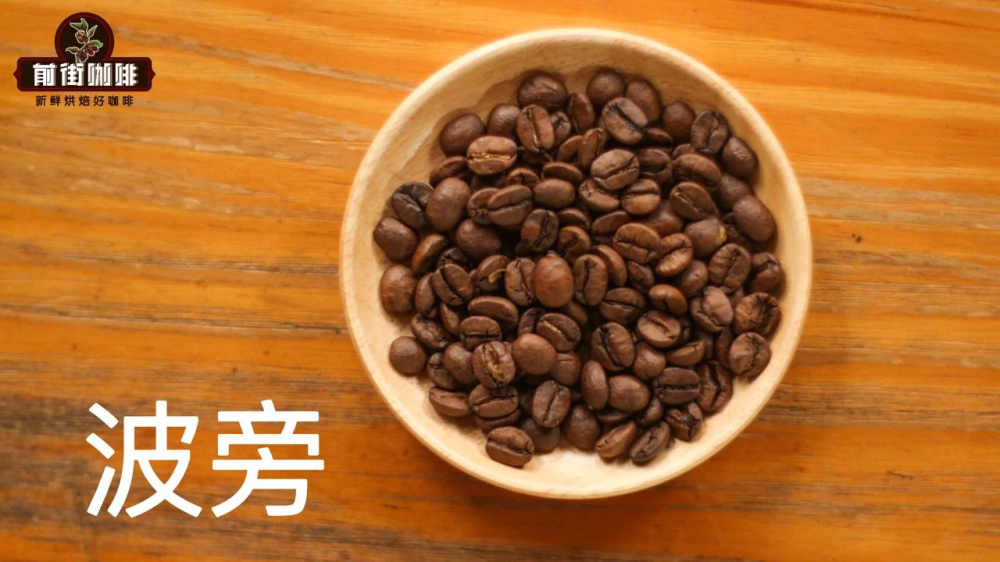
Bourbon coffee trees possess several distinctive physical traits, such as shorter internodal distances between leaves and rounder, slightly shorter fruit shapes compared to Typica. Depending on varietal variation, ripe Bourbon cherries may appear yellow, orange, or even the rare pink. The green beans are almost always round in shape, slightly smaller in size than Typica, with a slightly later maturation period. However, they generally yield higher productivity per unit area. Additionally, high-altitude-grown Bourbon beans have higher density, not only offering pronounced sweetness but also brighter and livelier acidity. These characteristics make it one of the preferred varieties for many specialty coffee farms.
Among the many Bourbon variants, Red Bourbon and Yellow Bourbon are the two most commonly mentioned types. Red Bourbon cherries turn deep red when ripe and are the most common type, offering a balanced acidity-sweetness profile and rich aromatic complexity. This type of Bourbon is typically well-suited to medium-dark roasts and performs consistently across various brewing methods such as pour over, French press, and moka pot. Yellow Bourbon, on the other hand, gets its name from the yellow or orange-yellow color of its ripe cherries. This variant was first discovered in Brazil in the 1930s, and the difference in fruit color stems from a recessive genetic factor in its genotype.
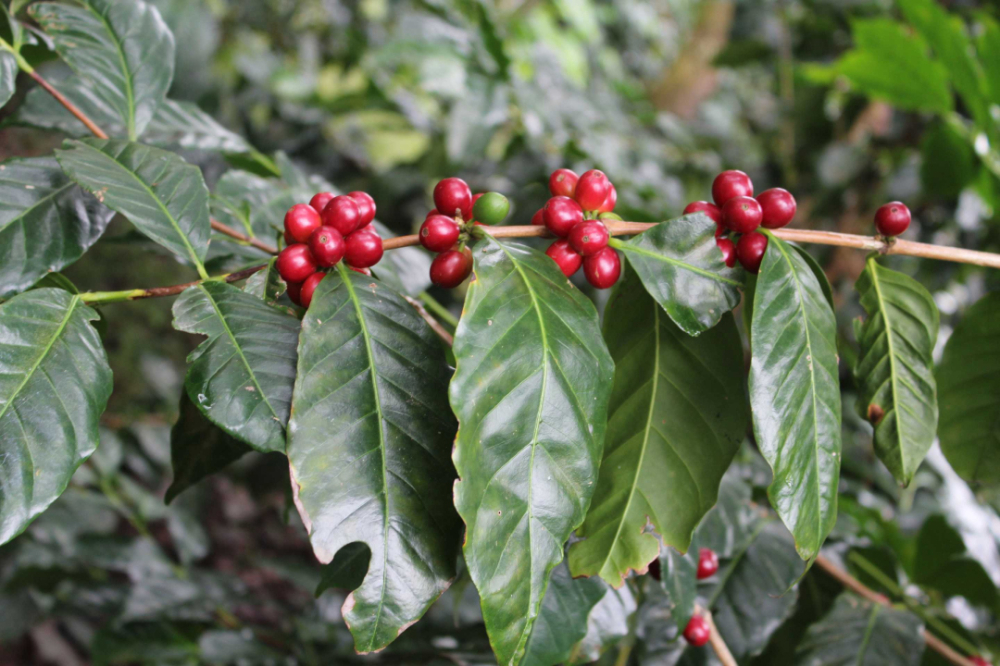
Research indicates that the color of Bourbon cherries depends on specific genetic combinations: plants with the dominant XcXc gene produce red berries, while those with the recessive xcxc gene produce yellow berries. If a plant carries one dominant and one recessive gene (i.e., Xcxc), it may produce orange berries. Due to lower yields and reduced resilience to environmental changes and weather, Yellow Bourbon is not widely cultivated commercially. However, under high-altitude growing conditions, Yellow Bourbon often accumulates higher levels of fructose, resulting in exceptionally sweet and juicy flavors.
In specialty coffee competitions, Yellow Bourbon has frequently stood out, including topping the charts for two consecutive years in Brazil’s “Cup of Excellence” competition, showcasing its potential and market recognition. When processed appropriately and roasted with precision, these beans can express complex flavors reminiscent of sugarcane, black tea, nuts, and cream, with soft acidity and a smooth, delicate mouthfeel — making them an excellent choice for coffee lovers who prefer a balance of fruity aroma and sweetness.
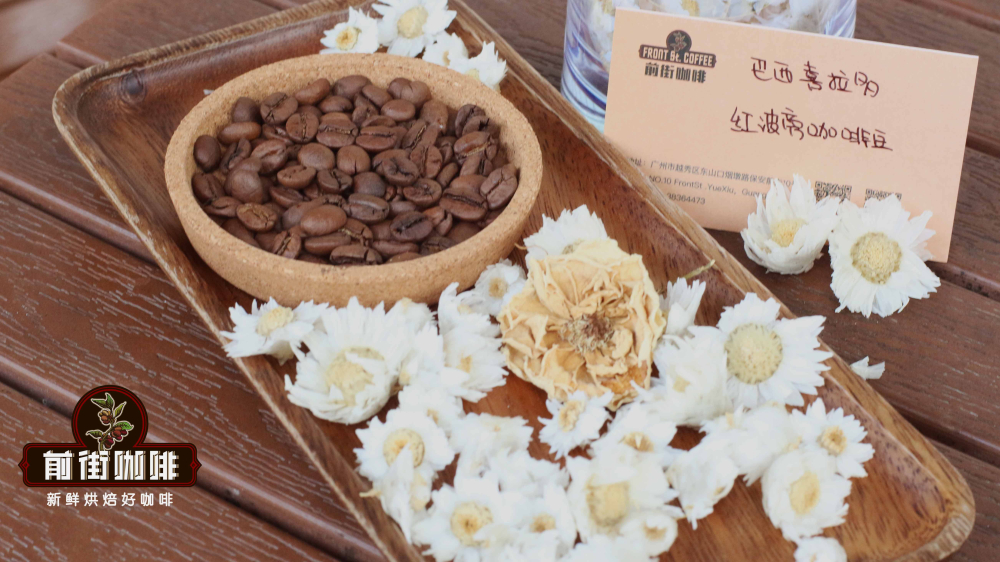
To better understand the flavor profile of Red Bourbon, you may consider beans from the Cerrado region in southern Minas Gerais, Brazil. This producing area sits at an altitude of around 1,000 meters and employs a semi-washed (pulped natural) processing method. When roasted to a medium-dark level, these beans exhibit an aroma profile of nuts, caramel, peanuts, and a hint of toasted bread. They are ideal for pour over single-origin brewing, and also perform steadily across various extraction methods such as French press, moka pot, siphon, and electric coffee makers — making them an excellent everyday choice for enjoying the Bourbon flavor at home.
As for a representative Yellow Bourbon, look to the Yellow Bourbon beans from Fazenda Rainha (Queen Estate) in the Mogiana region of Brazil. These beans are grown at high altitudes ranging from 1,400 to 1,950 meters and are processed using the semi-washed (or honey) method, which enhances the concentration of fructose and the expression of flavors. When brewed, they often deliver distinct notes of nuts, chocolate, cream, peanuts, and sugarcane-like sweetness, with balanced and delicate acidity and a smooth, velvety mouthfeel — a must-try for coffee drinkers seeking a blend of fruity aroma and rich body.
The above content is compiled by CoffeeHunters, a coffee news website.


