








Introduction:As an important coffee-producing country in East Africa, Tanzania’s coffee is cultivated at high altitudes and nurtured by volcanic soil, exhibiting distinctive bright acidity and rich layered flavors. This article delves into the characteristics of Tanzania’s major coffee-growing regions, varietal evolution, processing methods, and provides detailed insights into renowned estates and brand recommendations, helping coffee enthusiasts gain a more comprehensive understanding from flavor and origin to purchasing choices.
Tanzania is located in the East African Rift Valley region, where many areas boast fertile volcanic soil and high-altitude environments—ideal for growing high-quality coffee. The coffee here generally features bright acidity and rich mouthfeel, particularly the renowned Northern Kilimanjaro region, whose coffee often carries aromas of citrus, spices, and malted chocolate. In contrast, the Southern Ruvuma region is known for its delicate floral notes and gentle fruit acidity.

Tanzania’s coffee cultivation is mainly concentrated around the East African Rift Valley. The microclimates and soil conditions here create coffee with both refreshing acidity and medium body, along with sweet citrus and floral notes. Among them, coffee grown in the northern highlands is especially well-suited for pour over preparation, delivering outstanding layers and balance whether served hot or as cold brew. Pairing it with citrus fruits or berries can further highlight its fresh flavor characteristics.
The Kilimanjaro mountain region is Tanzania’s primary coffee-producing area, accounting for about 75% of the country’s total output. With elevations ranging from approximately 1,300 to 2,000 meters, the climate is cool and marked by significant day-night temperature variations, which help the coffee cherries ripen slowly and accumulate richer flavor compounds. The coffee beans produced in this area are mostly washed processed, predominantly of the Typica variety, and are jointly cultivated by local smallholder farmers before being collectively managed by cooperative organizations. Typical flavor profiles include apricot, stone fruit, spices, and chocolate notes, with bright yet non-sharp acidity, noticeable sweetness, and a long-lasting aftertaste.
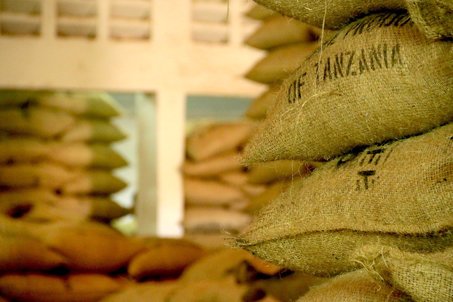
Tanzanian coffee varies in flavor depending on the producing region. The northern regions, such as Kilimanjaro, feature cooler climates and higher elevations, resulting in coffee with distinct citrus and stone fruit aromas, lively acidity, clean taste, and well-defined layers. In contrast, the southern Ruvuma region, with slightly lower elevation and a warmer climate, produces coffee that exhibits more floral notes and gentle fruit acidity, offering a rounder mouthfeel and suiting consumers who prefer a more delicate taste.
In terms of varieties, around 70% of Tanzanian coffee is Arabica, primarily planted at altitudes between 1,000 and 2,500 meters, mainly of the Bourbon and Kent families. These varieties demonstrate good acidity and aroma expression in high-altitude environments. The remaining 30% consists of Robusta, mostly grown at lower altitudes between 800 and 900 meters, commonly used for instant coffee or blend formulations. Its flavor is bolder but not as refined as that of Arabica.
Tanzania’s coffee-growing regions can be divided into three main blocks: the northern regions (such as Moshi and Mbeya), with harvest seasons from July to December, mainly showcasing fruity and bright acidic flavors; the western regions (around Kigoma), harvested from May to October; and the southern regions (like Songea-Ruvuma), also harvested from July to December, featuring floral notes and a full-bodied mouthfeel. The total national planting area is approximately 250,000 hectares, with over 85% of the coffee grown by small-scale farmers and processed and sold collectively through cooperatives.
In the past, Tanzania’s coffee industry was dominated by large estates, but today the vast majority is operated by smallholders. These smallholders typically join local cooperative organizations, such as the renowned Kilimanjaro Cooperative Union, leveraging collective strength to improve quality and bargaining power. Although the industry has faced challenges including political instability, pest infestations, and illegal smuggling, leading to fluctuations in quality and price, recent years have seen gradual reforms. Through enhanced processing techniques and stronger connections to international markets, the overall quality has shown a steady upward trend.
In terms of processing methods, Tanzanian coffee mainly employs the washed method. This approach effectively removes the pulp and impurities, preserving the purest flavor characteristics of the coffee beans while imparting cleaner acidity and a clearer mouthfeel. Washed-processed coffee beans are particularly suitable for coffee lovers who enjoy bright acidity and well-defined flavor profiles, and they are also the top choice for pour over or drip brewing.
Overall, Tanzanian coffee beans, with their unique regional flavors, high-altitude advantages, and increasingly advanced cultivation and processing techniques, are an excellent choice for coffee enthusiasts seeking to explore African coffee profiles. Whether you’re looking for a pour over bean with bright acidity and vibrant fruitiness or want to experience the diverse characteristics of East African coffee, Tanzanian coffee offers a rich and surprising taste experience.
The above content is compiled by CoffeeHunters, a coffee news website.


