








Introduction:Though a close relative of the latte, the breve boasts a richer and smoother taste due to the addition of cream, making it a popular entry point for many coffee enthusiasts exploring the world of semi-lattes. This article delves into the origins of the term "breve," its key differences from the latte, and offers a detailed guide on milk base pairing principles and home brewing steps. With practical ratio suggestions and common pitfalls to avoid, you’ll easily master the essence of this classic coffee.
When it comes to the latte, most people are familiar—it’s a beverage made with espresso and a generous amount of steamed milk, known for its smooth and mild profile, often serving as many people’s first introduction to specialty coffee. However, within the variations of the latte, there’s an option with a more intense flavor and silky texture: the breve. Many may hear the term "semi-latte" for the first time, but it actually refers to this classic coffee that replaces pure milk with a blend of heavy cream and milk.

The word "breve" comes from the Italian for "short" or "brief," symbolizing its relatively concentrated taste and refined composition. Unlike a latte, the breve typically uses an equal or slightly higher proportion of heavy cream mixed with whole milk as the steamed milk base, resulting in a denser, richer drink with a hint of cream aroma, a more pronounced sweetness, and a texture that suits those who enjoy a smooth mouthfeel without excessive sweetness.
So, what’s the main difference between a breve and a latte? The most obvious lies in the choice of milk base. Lattes generally use a ratio of espresso to milk of around 1:3 to 1:5, with more milk diluting the bitterness and suiting a broader palate. In contrast, the breve employs a mixture of heavy cream and whole milk (commonly in a 1:1 ratio or adjusted to taste), giving the drink a higher fat content, a more intense and delicate flavor, and a steamed milk layer that is firmer and smoother.
Many first-time breve drinkers wonder why this drink is called a "semi-latte." It’s actually an informal term, mainly because its composition is similar to a latte—espresso plus a milk base—but with different milk choices and ratios, leading some in the coffee community to jokingly refer to it as a "half-latte." However, the breve has its own independent history and brewing tradition and shouldn’t be seen merely as a variant of the latte, but rather as a classic coffee with its own distinct character.
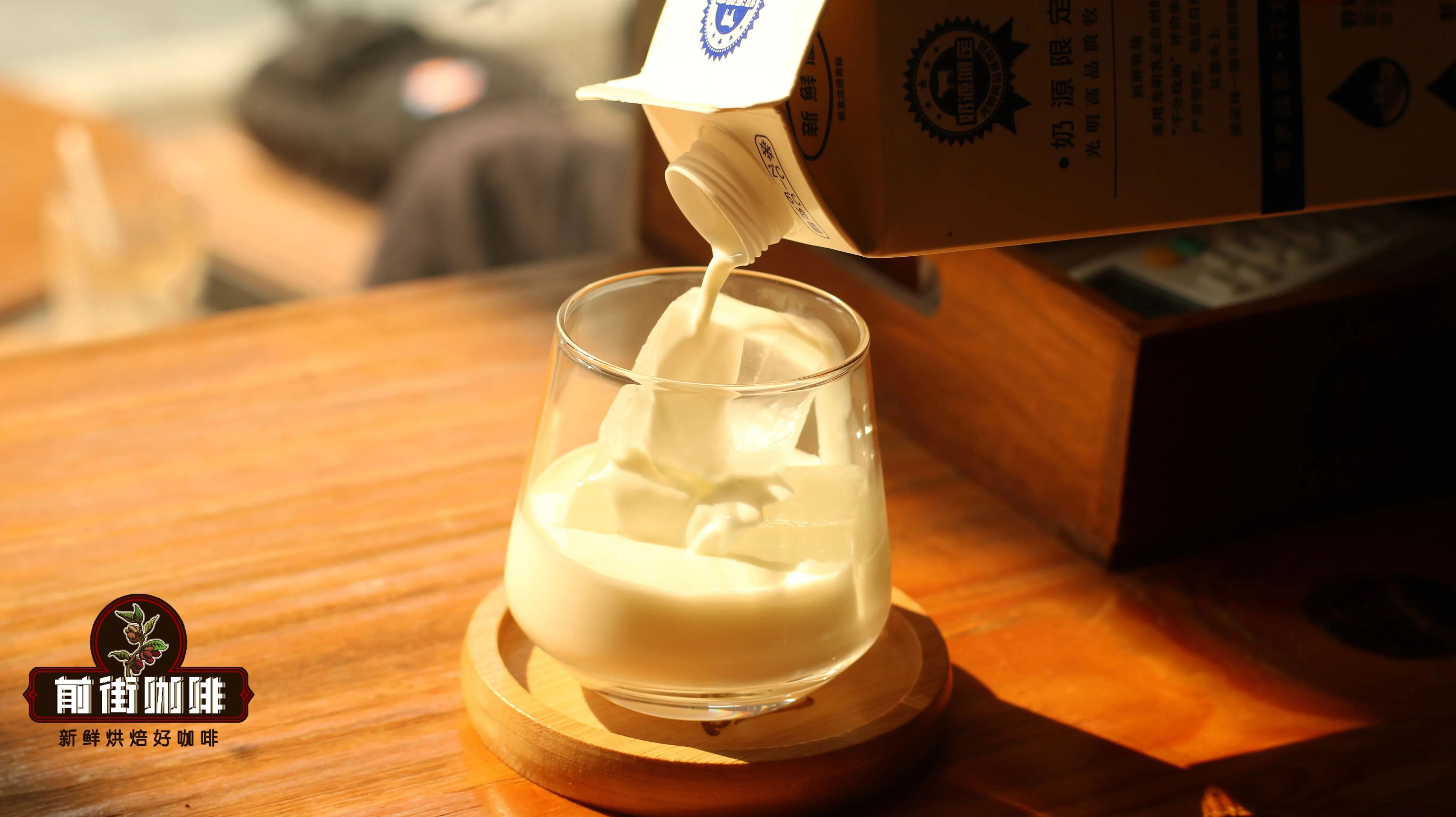
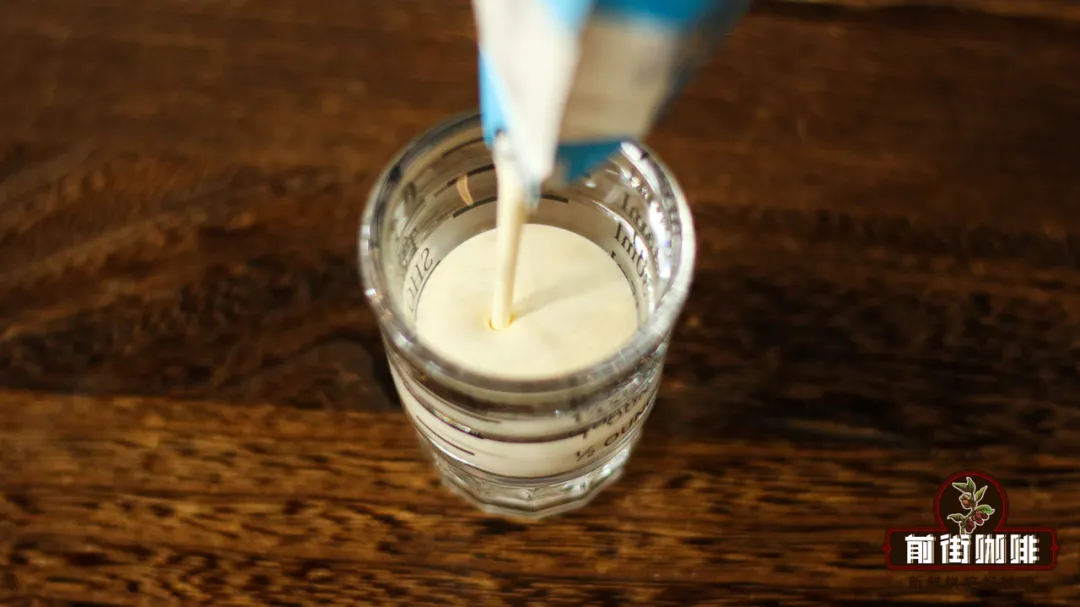
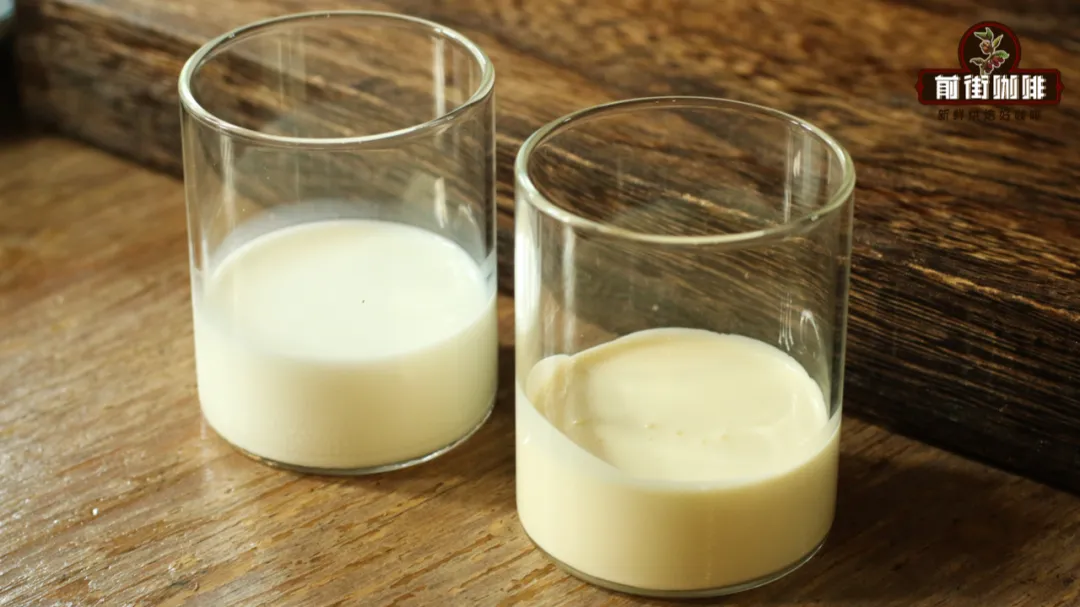
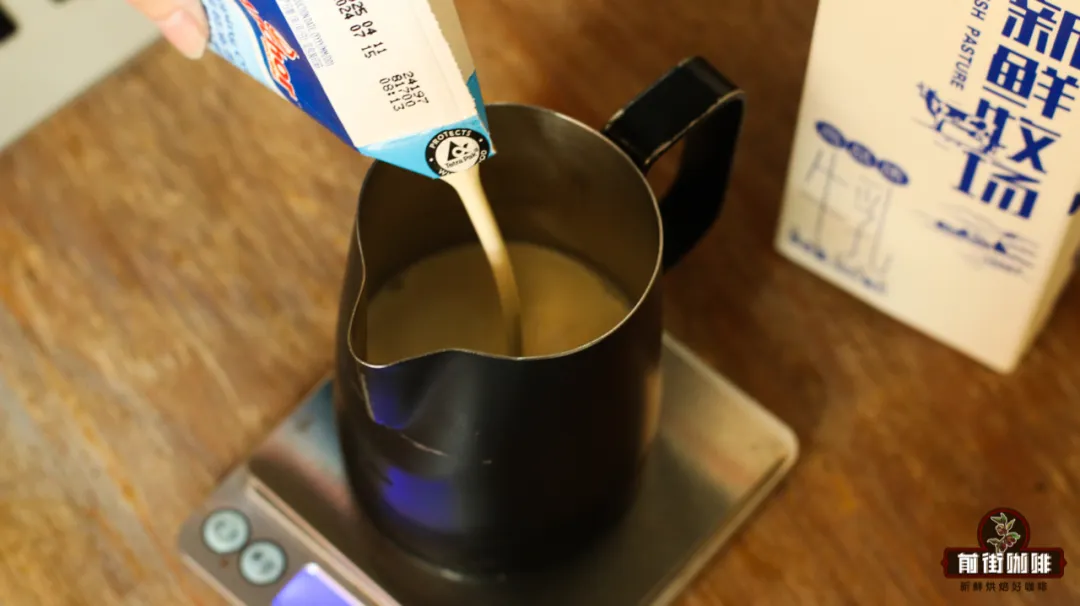
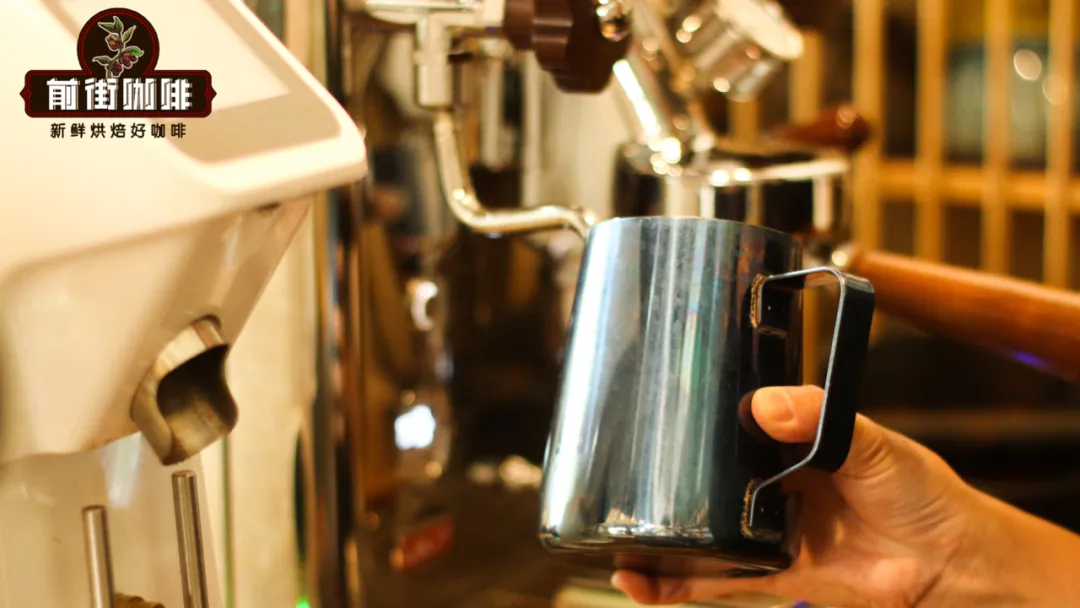
If you want to recreate an authentic breve at home, the key lies in preparing the milk base. It’s generally recommended to use a combination of fresh whole milk and heavy cream, starting with a 1:1 ratio—that is, equal parts of each, making up the total milk liquid. This preserves the silkiness of the milk while adding the richness of the cream. Additionally, using a steam wand to froth the mixed milk to a slightly warm temperature (around 60–65°C) with fine microfoam helps enhance the overall texture. Be sure to control the steam pressure to avoid overheating, which can cause separation of the fats and liquids.
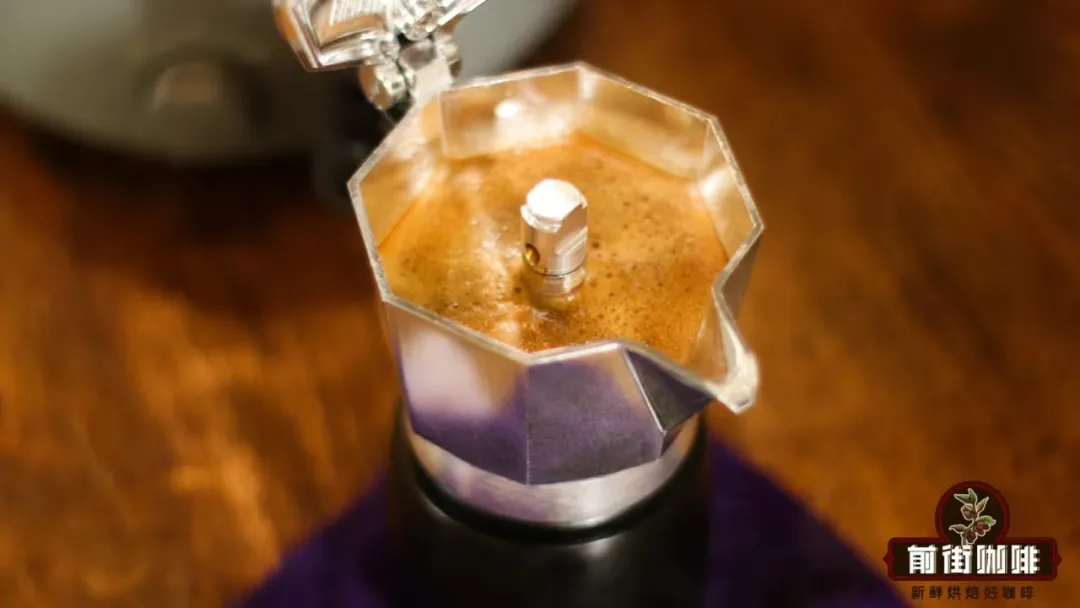
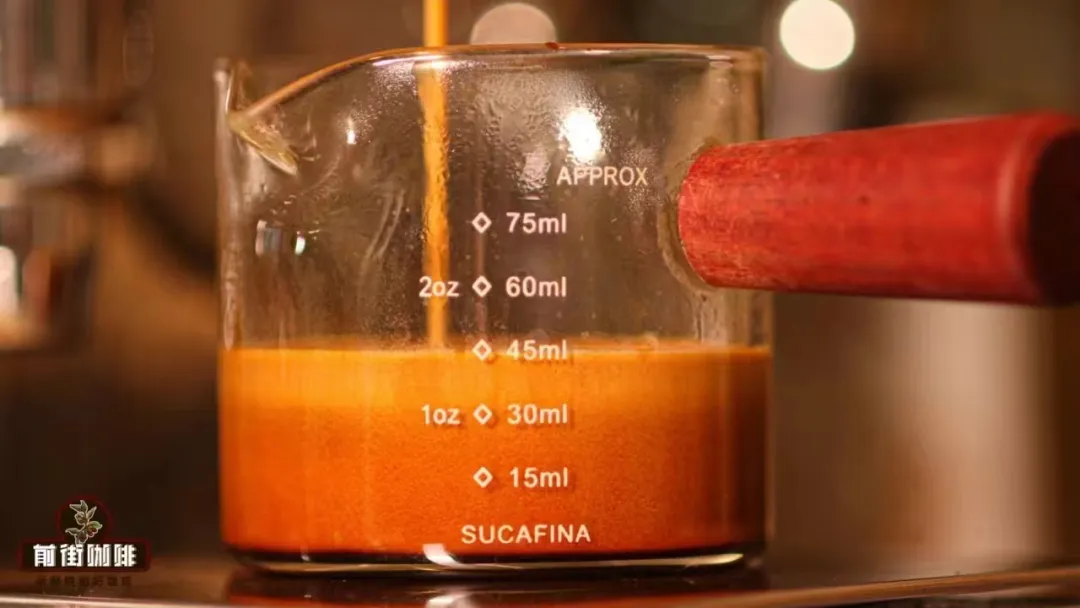
For the espresso component, it’s recommended to use beans roasted to a medium-dark to dark level. These beans usually have a bolder flavor that balances well with the milk without being completely overpowered by it. The grind size should be adjusted to medium-fine for optimal extraction, with a suggested coffee-to-water ratio of about 1:2, and an extraction time of around 25–30 seconds. This will yield an espresso with moderate concentration and balanced flavor, serving as the ideal base for your breve.
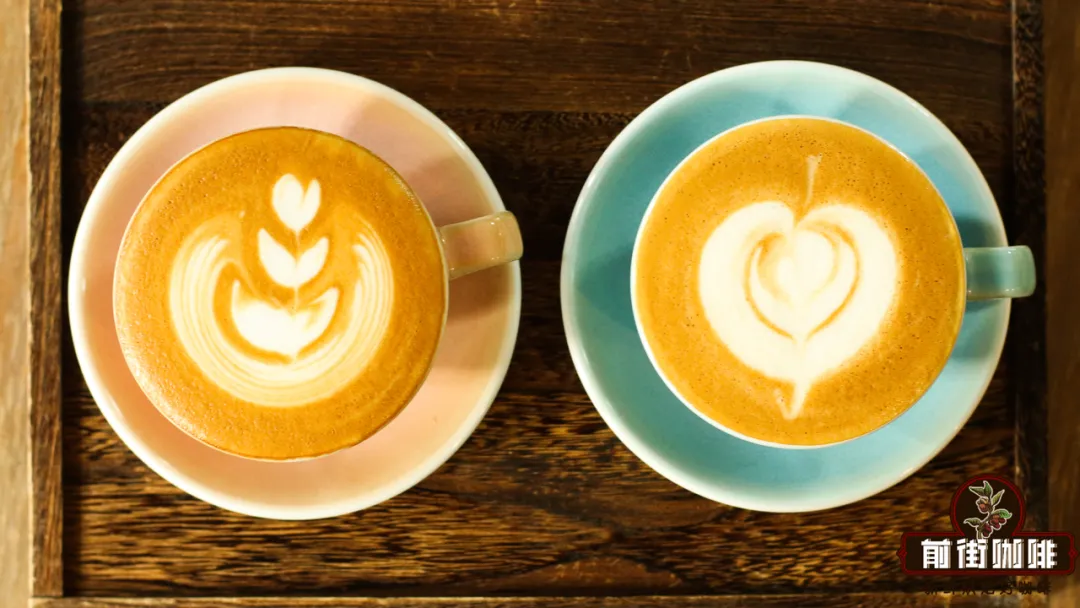
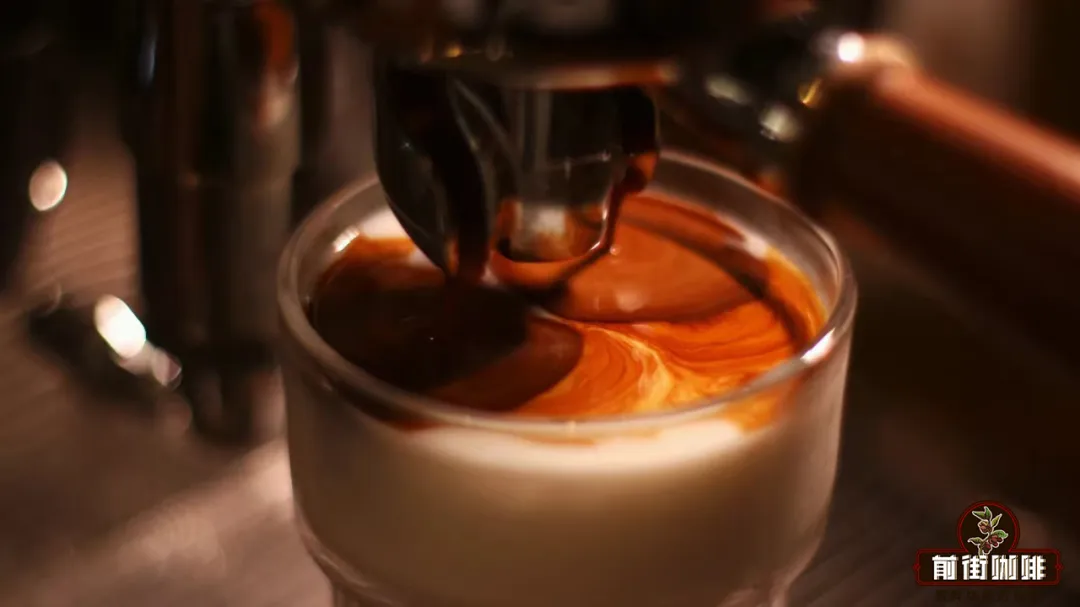
In terms of the actual process, start by pulling a shot of about 30ml of espresso. Then, take the pre-mixed milk (a blend of whole milk and heavy cream in the chosen ratio) and steam it with a steam wand to the appropriate temperature and texture. Slowly pour the milk foam into the coffee, and for added visual appeal, consider using a "heart" or "spiral" latte art technique. If you prefer an even creamier texture, you can also spoon a small amount of fine microfoam on top after pouring the milk.
It’s worth noting that because the breve contains heavy cream, its overall calorie and fat content are higher than that of a regular latte. Therefore, it’s not recommended for frequent consumption, but occasional enjoyment can certainly provide a uniquely satisfying coffee experience. If you prefer a lighter, less rich taste, you can reduce the proportion of heavy cream or opt for low-fat milk with a small amount of cream to create your own personalized version.
In summary, the breve, as a classic coffee that sits between a latte and a straight espresso, captivates countless coffee lovers with its unique milk base and rich flavor profile. Whether you’re a beginner just stepping into the coffee world or a seasoned connoisseur who’s tried a variety of brews, why not try selecting your favorite coffee beans and milk products at home, and follow the steps above to craft your own breve—experiencing the distinctive charm of this "semi-latte" for yourself.
The above content is compiled by CoffeeHunters, a coffee news website.


