







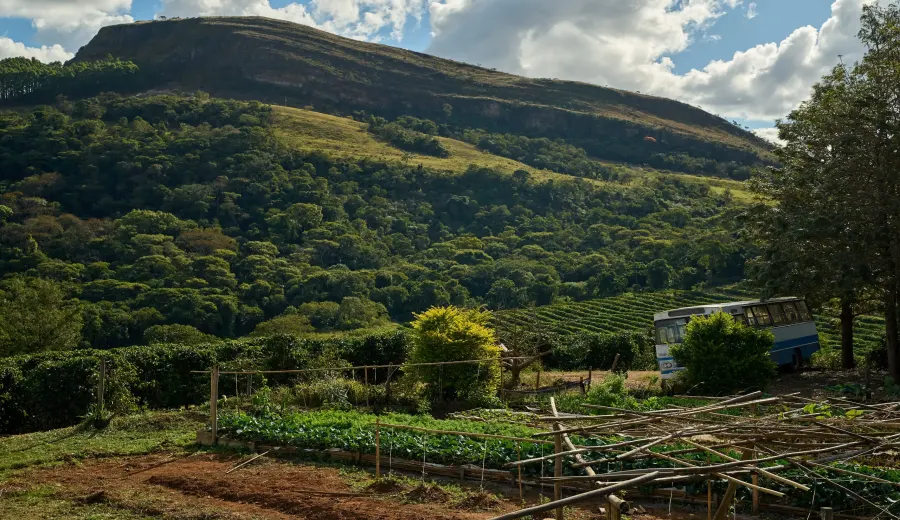
Introduction:Want to explore the gentle and mellow profile of Brazilian coffee? This article delves into Brazil’s mainstream pulped natural processing method, analyzes the characteristics of the Red Bourbon from Cerrado in Minas Gerais and the Yellow Bourbon from Fazenda Rainha in Mogiana, São Paulo, and provides expert pour over parameters — including recommended coffee-to-water ratio, water temperature, and pouring rhythm — to help you bring out rich fruitiness and sweetness.
Brazil has long held the title of the world’s top coffee producer, and its beans are known for their mild and balanced flavor, making them especially suitable for beginners just starting with pour over brewing. This article not only traces the history of Brazilian coffee cultivation and the evolution of the pulped natural process, but also focuses on two classic Bourbon varieties — the Red Bourbon from Cerrado and the Yellow Bourbon from Fazenda Rainha — detailing their growing environments, altitude, processing methods, and unique flavor profiles, along with practical pour over settings that allow you to brew at home with bold sweetness and bright fruitiness.
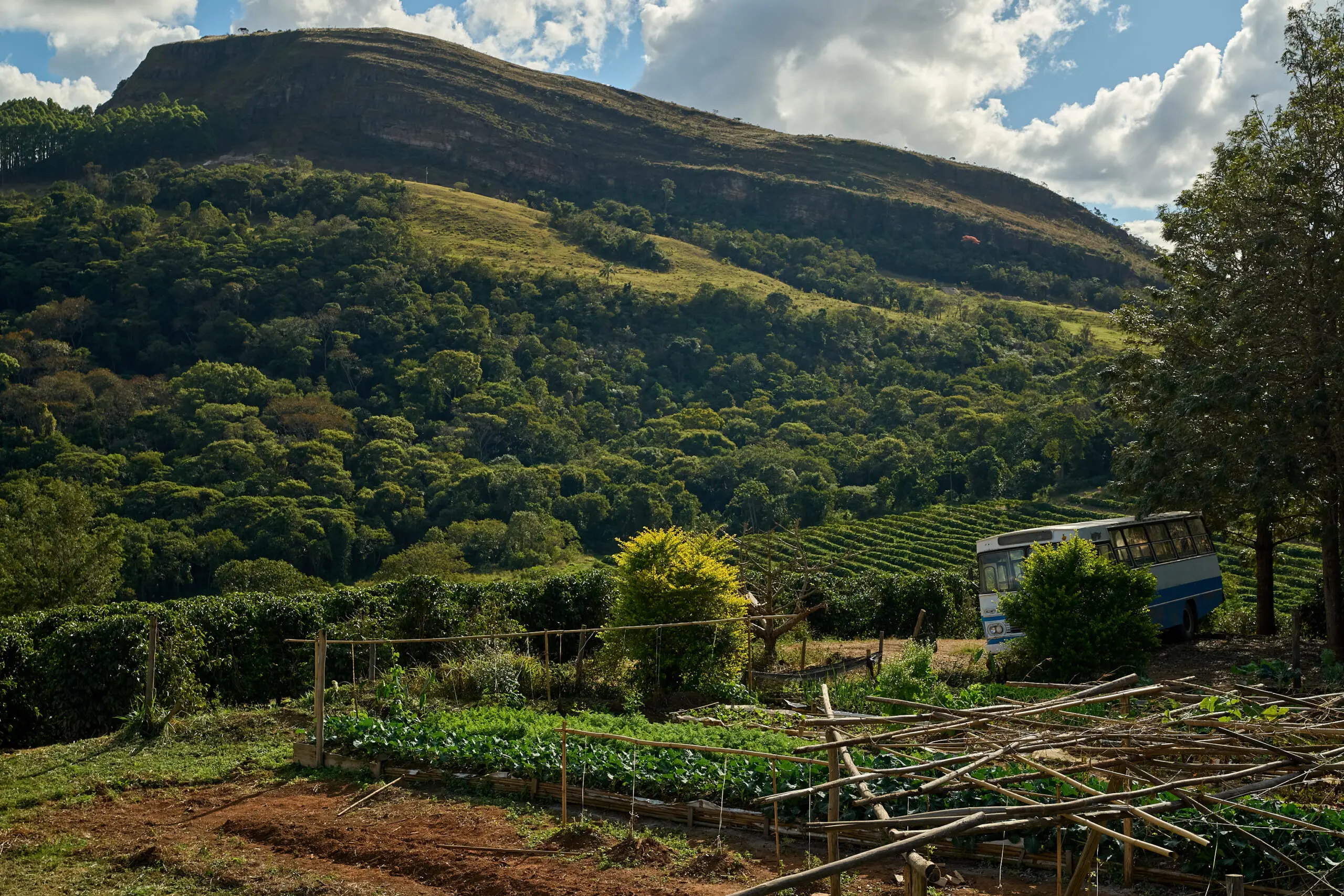
When it comes to Brazil, many people think of an exuberant atmosphere, but Brazilian coffee actually exhibits a reserved and mellow character. For those new to single-origin coffee, the strong acidity of African beans or the intense bitterness and aroma of Asian beans might be too bold, whereas Brazilian beans are like a calm and composed elder — low in acidity, gently bitter, yet full of aromatic richness, making them a popular choice for many beginners.
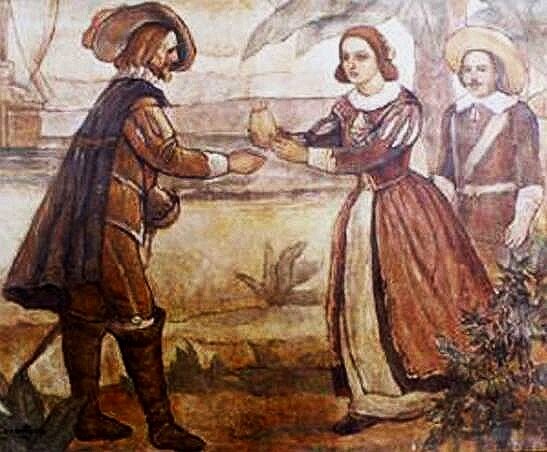
As the global coffee powerhouse, fluctuations in Brazil’s output often impact international market prices. For instance, during the pandemic, transportation disruptions coupled with extreme weather led to coffee bean prices more than doubling within a year. Looking back in history, Brazil had no coffee trees before the 1720s. Legend has it that a Portuguese officer, while mediating a dispute in French Guiana, accepted a bouquet from the governor’s wife that secretly contained coffee seeds — thus beginning Brazil’s coffee cultivation journey.
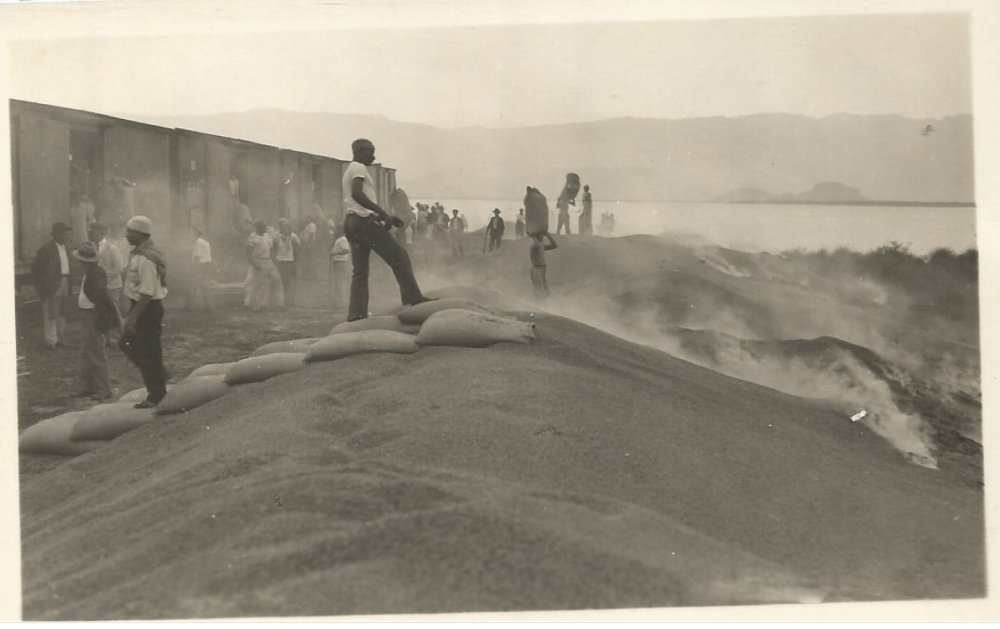
In the 1770s, as North Americans boycotted British tea, coffee became a symbol of patriotism, and surging demand spurred Brazil’s infrastructure development. Railways directly reaching coffee-growing regions significantly improved efficiency. During the American Civil War, coffee was elevated to a military necessity, further expanding demand. At that time, the dominant Typica variety, though elegant in flavor, had limited yield, prompting Brazil to introduce the Bourbon variety from Réunion Island, which became mainstream by the 1870s.
In the 1930s, the Great Depression caused inventory buildup, forcing Brazil to destroy large quantities of coffee beans to stabilize prices. Subsequently, a regulatory mechanism was gradually established. By the 1990s, in order to accelerate exports, Brazil considered adopting the washed process, but due to water and equipment limitations in some producing regions, the pulped natural process (Pulped Natural) was eventually developed — removing the skin and pulp but retaining the mucilage layer for direct sun drying, reducing drying time and improving green bean quality.
This technique was later refined by Costa Rica into the honey process, earning its reputation for being “sweet as honey.” The two Brazilian beans in this selection each have their own distinct traits: the Cerrado Red Bourbon uses the pulped natural method, showcasing intense fruitiness and a full-bodied mouthfeel; the Fazenda Rainha Yellow Bourbon is processed with the natural method, displaying even richer sweetness and complex layers.
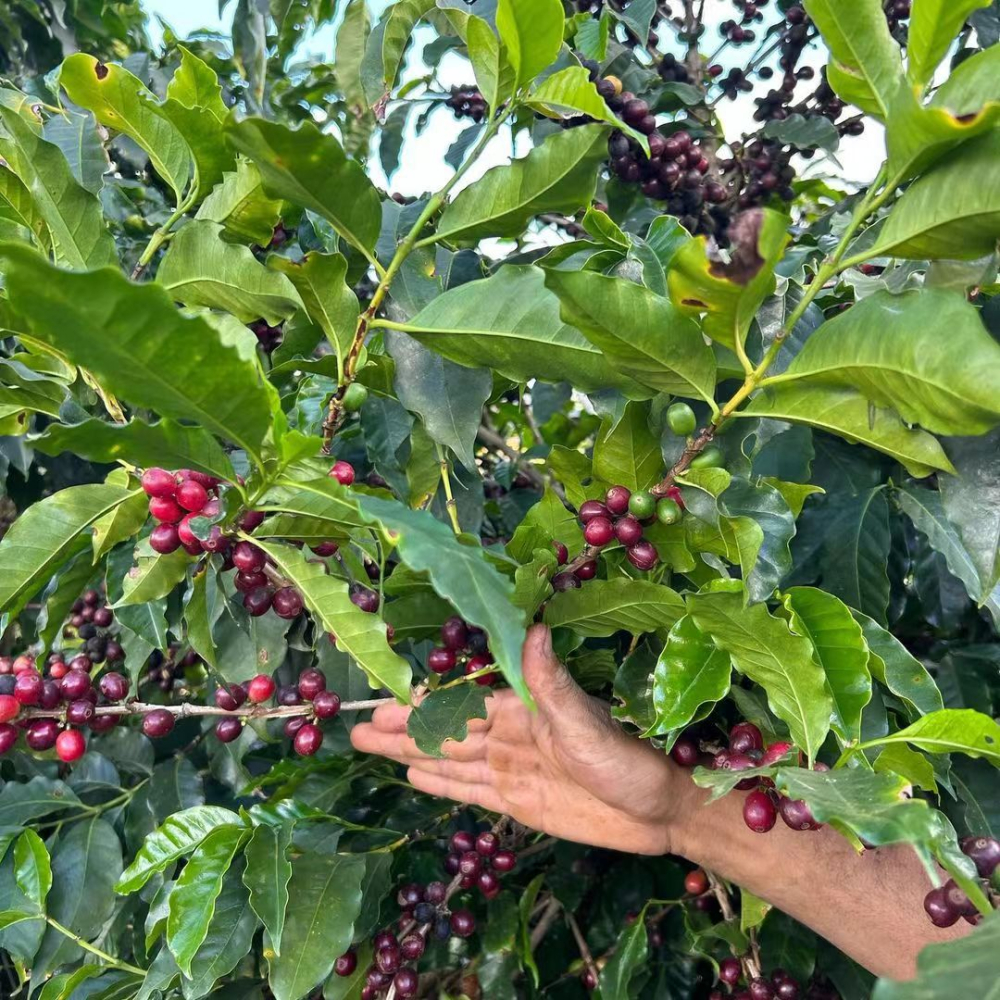
The Red Bourbon from the Cerrado region is grown at an altitude of about 1,000 meters. The pulped natural processing gives it a warm tone, with soft acidity and a base of caramel and nuts. Meanwhile, Fazenda Rainha, located at altitudes between 1,400 and 1,950 meters, primarily cultivates the Yellow Bourbon — a natural mutation of Red Bourbon with a thicker mucilage layer and higher sugar content. Since winning its first COE competition in 1999, the estate has received accolades more than twelve times within twenty years. Its small-scale natural processing strictly controls the frequency of turning to ensure even drying of the fruit, fully extracting sugar compounds.
For brewing, it is recommended to use a KONO filter cone, with a water temperature of 88°C and medium-coarse grind (approximately 75% passing through a #20 sieve). Use 15 grams of coffee with a 1:15 coffee-to-water ratio. Start by pouring 30 grams of hot water in a “の” shape for a 30-second bloom. Then slowly circle outward from the center to pour up to 125 grams for the first pour. As the water level nears the coffee bed, continue pouring up to 225 grams. The total brew time should be around two minutes. Be careful to avoid under-blooming, which can lead to muted flavors, or pouring too quickly, which may result in over-extraction and bitterness.
The above content is compiled by CoffeeHunters, a coffee news website.


