







Introduction:Choosing the right coffee cup can not only enhance your overall drinking experience but also allow the aroma and flavor of the coffee to be presented more fully. This article delves into the characteristics and suitable scenarios of different types of coffee cups from four key aspects: material, rim design, wall thickness, and capacity size, while also reminding you of details such as preheating the cup to help you find the ideal cup for daily use or coffee tasting.
Coffee is not just a beverage to perk you up—it’s also an essential source of ritualistic enjoyment in many people’s daily lives. However, whether a good cup of coffee can fully showcase its flavors depends not only on the quality of the beans and brewing method, but also significantly on the cup used. This article will guide you through multiple dimensions to help you choose the most suitable coffee cup, making every sip even better.
First, we can start by looking atmaterial,the first of the key factors. Common materials for coffee cups can be broadly divided into four categories: ceramic, glass, clay, and plastic. Each material has its own unique properties that influence both the flavor expression of the coffee and the user experience.
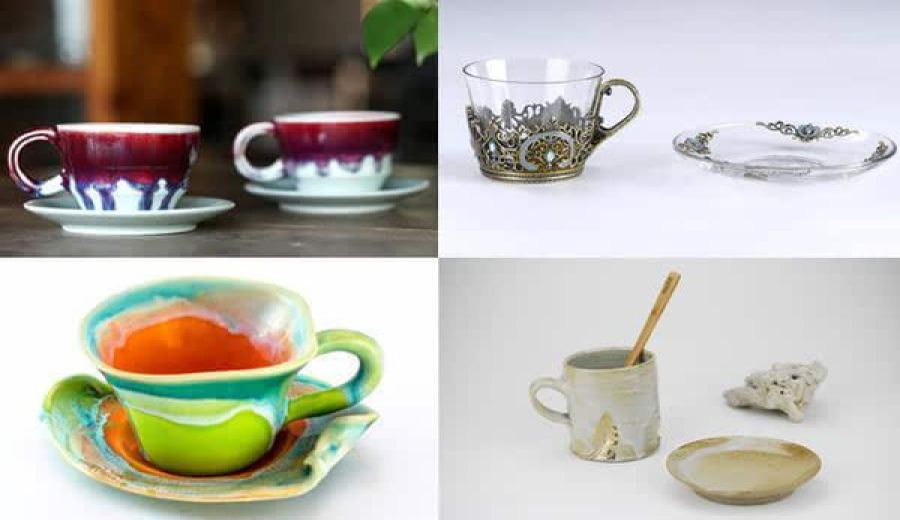
Among them,ceramic cupsare the most common and versatile option, including white ceramic and premium bone china. These types of cups usually have a smooth glaze, are lightweight, have a simple and elegant appearance, and are easy to match with various interior styles. Especially white ceramic cups, which help in observing the color and concentration of the coffee, are very suitable for tasting specialty coffee.Bone china,due to its content of animal bone ash, has a thinner, more translucent texture and is representative of high-end coffee cups.
In contrast,clay cupsoffer a more rustic, natural feel, often featuring a relatively rough surface with unique textures and patterns. They are favored by coffee lovers who prefer a cultural atmosphere or Japanese aesthetics. However, clay cups tend to retain coffee stains and require more effort to clean.
If you opt forglass cups,especially those with a double-layered design, you can clearly appreciate the layers of the coffee while also enjoying a certain level of heat retention. Glass cups are commonly used for serving espresso, lattes, or macchiatos, allowing consumers to enjoy the visual beauty of the coffee.
Lastly,plastic cups,although convenient for carrying, are generally not recommended as the first choice for hot coffee, especially when pursuing pure flavor, because they may release odors or harmful substances at high temperatures and can easily affect the original aroma of the coffee.
Beyond material,rim designis another important factor that affects how coffee flavors are perceived upon drinking. Cup rims mainly come in two types—wide and straight—even for cups made of the same material, differences in rim shape can lead to very distinct tasting experiences.
Wide-rimmed cups feature a broader edge that allows the coffee to come into contact with a wider area of the tongue, particularly highlighting front-end flavors such as acidity and fruitiness. They are well-suited for coffee lovers who enjoy bright acidity and complex layers. This type of cup usually helps enhance the overall release of aroma, allowing you to more fully experience the diverse expressions of the coffee.
On the other hand, straight-rimmed cups have rims that are perpendicular to the surface, directing the flow of coffee to a more concentrated area, which tends to guide the taste to the middle and back of the tongue, enhancing sweetness and body. This cup style is suitable for those who prefer balanced flavors and is commonly used for single-origin coffees or everyday black coffee.
Next, let’s discusswall thickness.The difference between thick-walled and thin-walled cups comes down to their respective applicable scenarios and advantages, mainly affecting temperature retention and the subtlety of flavor perception.
Thick-walled cupsoffer better heat retention, slowing down the cooling process of coffee, making them especially suitable for milk-based drinks like lattes and cappuccinos. They allow you to enjoy a warm sip even as you take your time drinking.
Meanwhile,thin-walled cupsprovide a more delicate and smooth tactile feel, enabling you to more acutely perceive the flavor shifts as the coffee cools from hot to warm. As a result, they are often used for tasting single-origin coffees, allowing you to savor the subtle aroma changes across different temperature ranges.
As forcapacity selection,there are also recommended standards based on different coffee types. Generally speaking,cups under 100 millilitersare mostly used for serving espresso, such as classic Espresso;cups around 200 millilitersare most suitable for tasting single-origin coffees, showcasing the pure flavors of the coffee itself; whilecups over 300 millilitersare ideal for milk-based drinks like lattes or Flat White, as they can accommodate more milk foam and a higher proportion of milk.
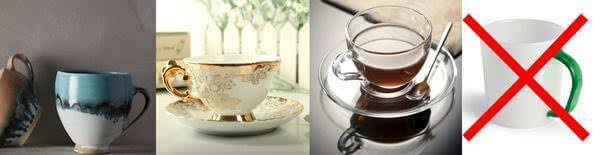
No matter which material, cup type, or capacity you prefer, remember to perform a simple preheating step before formal tasting—especially for ceramic or glass cups—to prevent the cup’s low initial temperature from affecting the coffee’s warmth and aroma expression. Preheating not only enhances the drinking experience but also takes the coffee flavor to the next level.
In summary, choosing the right coffee cup is like tailoring a custom “outfit” for your coffee—one that not only highlights its beauty but also makes every sip a pleasure. Whether you’re a coffee newcomer focusing on flavor layers or a seasoned enthusiast pursuing ultimate tasting experiences, you can start with these four aspects to find your perfect cup and make every coffee moment more delightful.
The above content is compiled by CoffeeHunters, a coffee news website.


