








Introduction:The balance of a coffee is an important indicator for evaluating the overall quality of a beverage, yet it is often misunderstood as bland or unremarkable. In reality, balance refers to the harmonious interplay among elements such as acidity, sweetness, and bitterness—not the prominence of a single flavor. This article delves into the true meaning of balance, exploring it from taste, mouthfeel, to aftertaste, guiding you on how to appreciate a truly well-coordinated cup of coffee, and recommending several outstanding coffee beans for reference.
When tasting coffee, we often first notice the flavors and mouthfeel, but there is a more subtle and crucial element that is frequently overlooked: “balance.” This concept is not as intuitive as acidity or sweetness, yet it is key to determining the overall harmony and comfort of a cup of coffee. So-called balance does not mean equal or featureless flavors, but rather a harmonious interaction among the basic taste elements—acidity, sweetness, and bitterness—where none overly dominate or are lacking, resulting in a pleasant overall experience.

Many people may feel puzzled the first time they hear “this cup of coffee tastes very balanced.” The phrase sounds vague and can even evoke images of a dull or uninteresting drink. But in fact, balance does not imply a lack of character; rather, it means the various taste elements achieve an ideal complementarity and harmony. It’s not about mere equality, but the tension and coordination among the elements, giving the coffee a stable, comfortable, and layered experience upon drinking.
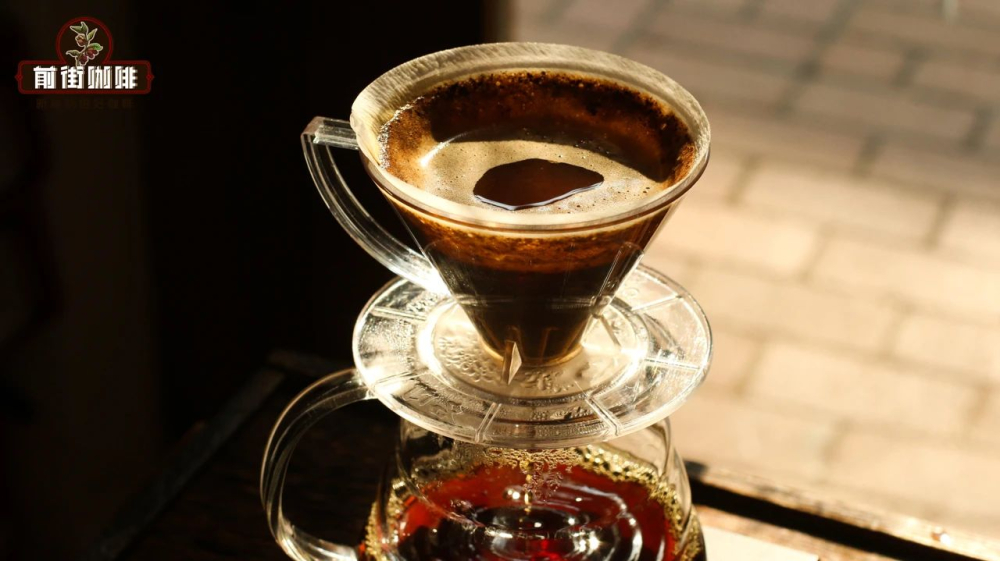
In the world of coffee, the assessment of balance covers multiple dimensions, not limited to taste alone. The most commonly discussed is flavor balance—that is, whether the proportions of acidity, sweetness, and bitterness are just right. When these three basic tastes are in a harmonious state, complementing rather than overpowering each other, we perceive what is called “flavor balance.” Conversely, if one taste is too dominant—for example, excessive acidity without enough sweetness or bitterness to buffer—it can make the overall flavor seem jarring or even hard to enjoy.
Beyond flavor, balance also involves mouthfeel, aftertaste, and the coffee’s performance at different temperatures. A truly balanced coffee not only performs well upon first sip, but also maintains a certain level of harmony in aroma, mouthfeel, and flavor as the temperature gradually decreases. This is why, in professional cupping sessions, judges pay special attention to the coffee’s overall performance from hot to warm to cool, ensuring consistent balance across different stages.
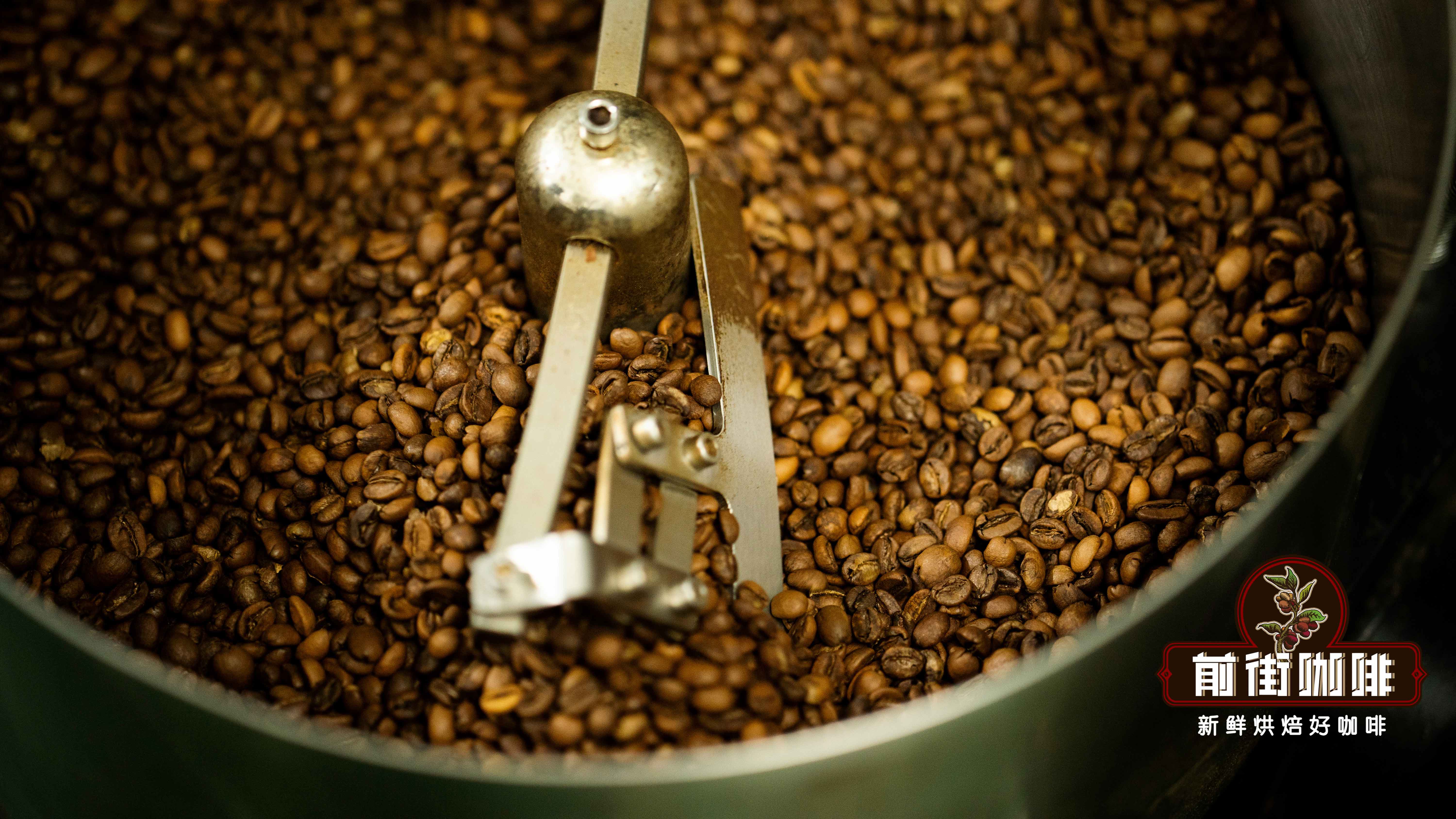
For instance, if a coffee has a bold flavor and rich mouthfeel but a short or absent aftertaste, it will be scored lower in terms of balance. Likewise, if the aftertaste is long and captivating, but the mouthfeel is rough or the flavors lack cohesion, it cannot be considered balanced either. Judges typically evaluate these factors comprehensively to determine whether a coffee demonstrates good harmony across all aspects.
So, which coffee beans exhibit excellent balance? First, look for options where the ratio of acidity, sweetness, and bitterness is moderate. Beans that lean too heavily toward the high acidity of light roasts or the intense bitterness of dark roasts usually struggle to achieve ideal balance. Next, you can choose medium-light, medium, or medium-dark roasted beans based on your personal taste preferences, as these generally showcase more harmonious flavor profiles.
For those who prefer medium-light roasts, you might try a blend combining Costa Rican honey-processed beans with Panamanian washed Geisha—such beans often feature gentle acidity, rich fruit notes, and moderate sweetness, with possible nutty or caramel undertones in the aftertaste, delivering a well-rounded performance overall. For fans of medium roasts, classic Typica varieties are a great choice, often presenting a foundation of nuts and chocolate, paired with subtle fruit acidity and a brown sugar-like sweetness, making them suitable for those new to specialty coffee.
If you’re not fond of coffees with prominent acidity, medium-dark single-origin beans may be a better option. For example, coffees from Brazil’s high-altitude regions typically have low acidity and a full body, along with intense nutty aromas and a pleasant lingering sweetness. Whether brewed via pour over, French press, or espresso, they deliver stable and harmonious mouthfeel, making them ideal for everyday drinking.

In summary, a balanced coffee is not just about harmonious flavors, but also encompasses mouthfeel, aftertaste, and stable performance across varying temperatures. It’s an overall sense of comfort where every sip is layered yet not overwhelming, and each moment showcases the diverse charm of coffee. Understanding and appreciating balance will help you explore the world of coffee more deeply and find the cup that best suits your taste.
The above content is compiled by CoffeeHunters, a coffee news website.


