







Introduction:The Sidamo region is one of Ethiopia’s most representative specialty coffee origins, especially the Huaca Natural series, which is a popular starting choice for many coffee enthusiasts. This article delves into the geographical advantages of the Hambella sub-region in Sidamo, the key details of the natural processing method, as well as the flavor profile of Huaca coffee, and provides practical pour over parameters and tips to help you better understand the charm of this popular coffee bean.
Ethiopia is known as the birthplace of coffee and boasts many highly representative specialty coffee regions. Among them, Sidamo and Yirgacheffe are equally renowned as the country’s two most important and well-known origins. Sidamo coffee is famous for its diverse terrain, fertile volcanic soil, and numerous native varieties, showcasing a rich and layered flavor profile. This article will focus on the Sidamo region, particularly the Huaca Natural beans from the Hambella area, offering a comprehensive interpretation of this highly praised coffee — from regional background and processing techniques to flavor expression and pour over recommendations.
In Sidamo, coffee is often named directly after the region, such as Yirgacheffe or Sidamo. However, even within the same large region, there can be significant differences in flavor between different villages or micro-regions. This is due to the area’s diverse microclimates, altitudes, soil conditions, and the vast number of still-unclassified native varieties. These factors contribute to Ethiopian coffees generally exhibiting pronounced floral, fruity, and sweet notes, leaving a deep impression. Over the past few years, the quality of Sidamo coffee has repeatedly received international recognition, especially between 2010 and 2012, when it was awarded high scores of 92 to 94 by the authoritative U.S. coffee website CR.
The Sidamo region is located in southern Ethiopia, bordering Kenya, with an overall altitude ranging approximately from 1400 to 2200 meters, making it a typical high-altitude specialty coffee growing area. The region features varied terrain, including mountains, plateaus, deep valleys, and plains, and its soils are mostly well-draining, nutrient-rich volcanic soils with deep layers and high organic matter content. Coffee farming here relies mainly on the natural resource cycle to maintain soil fertility, as fallen leaves and roots from surrounding plants decompose naturally, becoming a natural nutrient source for coffee trees. The high altitude slows down the ripening process of coffee cherries, which is conducive to the accumulation of flavor compounds, hence Sidamo coffee often exhibits complex aromas and full-bodied flavors.
Among the many micro-regions in Sidamo, Guji and West Arsi are the two most notable areas. Guji is located southeast of Yirgacheffe, characterized by mountainous terrain, valleys, and plains, with fertile black soil and significant day-night temperature variations that help concentrate the flavors of the coffee cherries. Hambella, on the other hand, is one of the most well-known natural coffee producing areas in the Sidamo region. The Huaca Natural beans produced here, with their unique fruity aroma and full body, have become a favorite among many pour over enthusiasts.
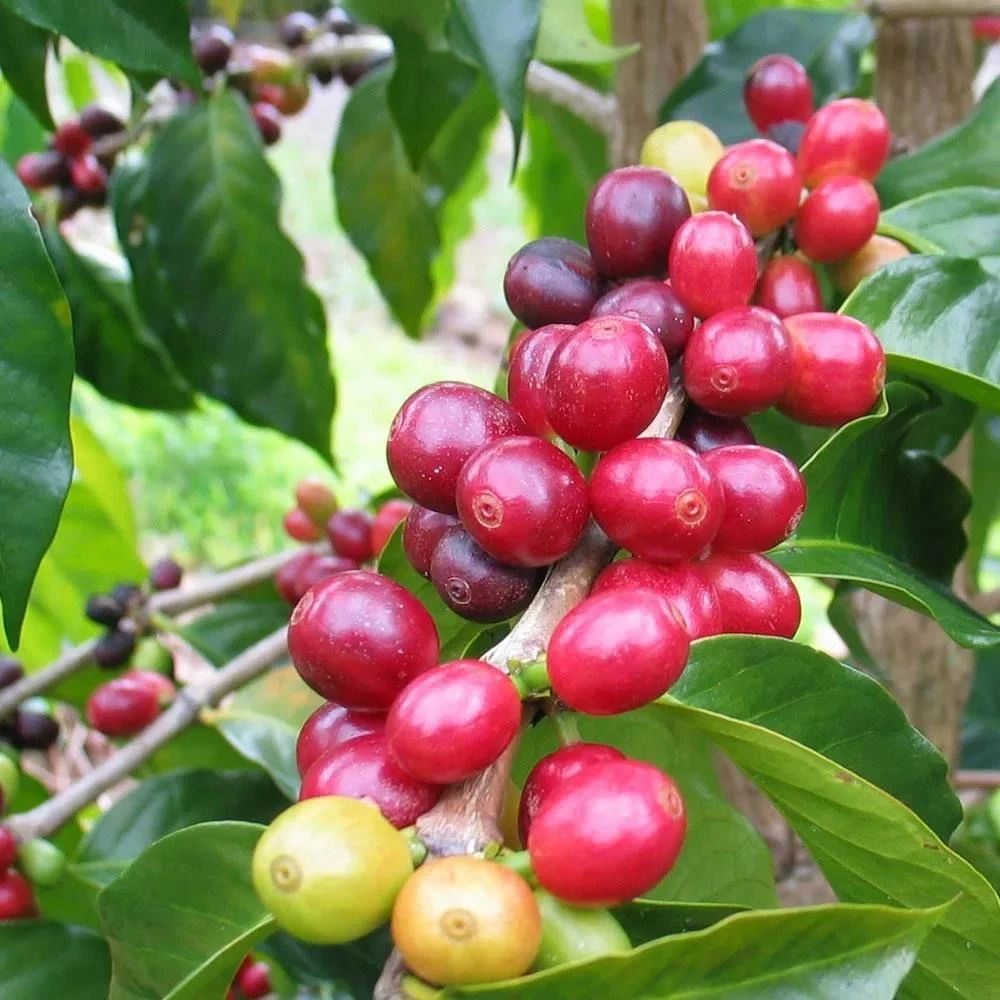
The Hambella region is located southwest of Sidamo, adjacent to the Kochore district of Yirgacheffe. The terrain is mostly mountainous, with elevations above 2000 meters. The villages are hard to access and living conditions are relatively harsh, but precisely because of this, the most traditional planting and processing methods have been preserved. Although the name "Huaca" was given by Chinese green coffee importers, its origin and processing techniques are authentically Ethiopian. Among them, the Buku processing station is the main unit for processing Huaca beans. It is located in Buku Abel village at an altitude of 2200 meters, surrounded by Enset trees, which not only provide natural shade but also help with soil moisture retention and nutrient cycling. During the harvest season from December to January each year, local farmers only pick fully ripe red cherries to ensure flavor consistency during the natural drying process.
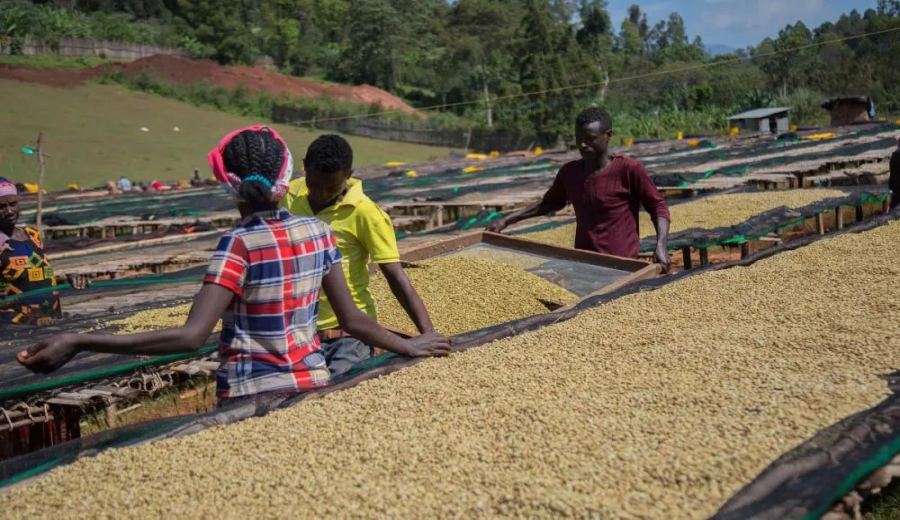
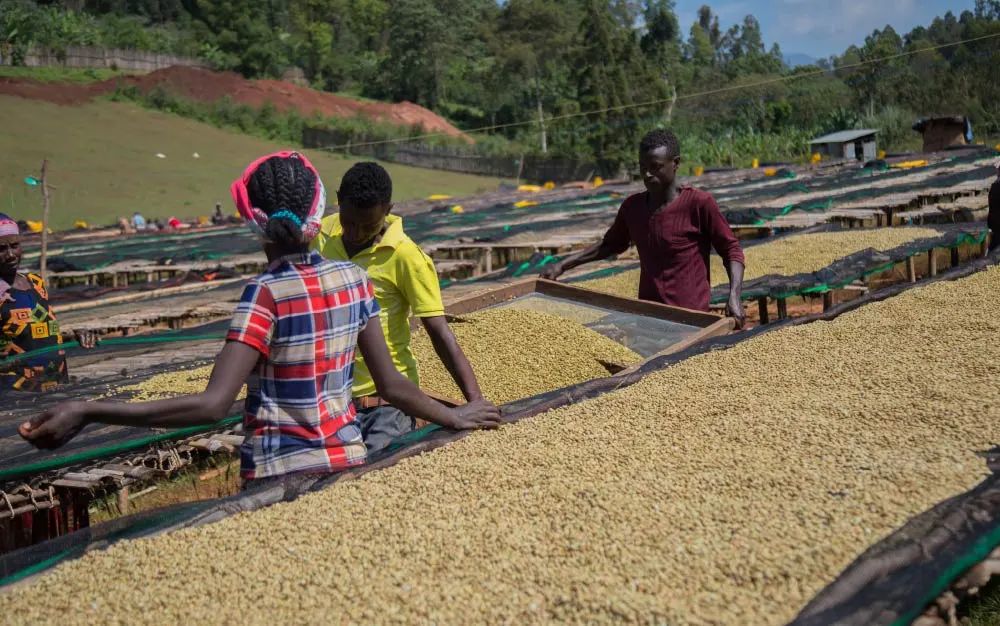
The natural processing method in Sidamo is exceptionally meticulous. From the harvest, only coffee cherries with high maturity and intact appearance are selected. Before processing, multiple rounds of hand sorting are conducted to remove overripe, underripe, or defective beans. Then, the red cherries are evenly spread on elevated wooden drying beds to avoid contact with the ground and prevent mold or contamination by impurities. During the drying period, farmers need to turn the coffee cherries multiple times a day to ensure even heat exposure, and usually conduct another round of hand sorting every three to five days to remove substandard beans. Only when the fruit skin is completely dry and hardened are the pulp and outer seed layers removed using a pulper, followed by fine screening to ensure that every single green bean meets high-quality standards.
The flavor profile of Sidamo coffee is rich and varied, with natural processed batches often exhibiting intense fruity aromas, sweet berry notes, and wine-like acidity. These flavors result from the complex reactions between the fruit pulp and the seeds during fermentation in the sun. Compared to the washed Yirgacheffe, Sidamo’s natural beans typically have higher sweetness and body, and some exceptional batches even present wine-like layers and chocolatey aftertastes. Since its launch, the Huaca series — from the original Huaca 2.0 to the current Huaca 6.0 — has seen changes in flavor each year based on varying climate and processing conditions, hence each batch is named with an independent version number for consumer identification.
For brewing, it is recommended to use freshly roasted coffee beans to fully experience their diverse aromas and layers. Generally, the optimal tasting period is within 5 days after roasting, with a resting period of about 4 to 7 days, during which the coffee's flavors gradually balance. If choosing to grind and brew, it is advised to use the coffee soon to avoid oxidation affecting the aroma. For pour over, it is recommended to use a V60 filter cone, with a water temperature of 90°C, a coffee-to-water ratio of 1:15, and a grind size of medium-fine (similar to 80% passing through a Chinese standard No. 20 sieve), which can effectively highlight the fruity aroma, sweetness, and full body of Huaca coffee.
[Flavor Characteristics of Huaca Natural Coffee]
Prominent floral and fruity aromas, including notes of strawberry, jackfruit, and passion fruit, with prominent sweetness and a smooth finish featuring cocoa and liqueur chocolate layers.
The above content is compiled by CoffeeHunters, a coffee news website.


