







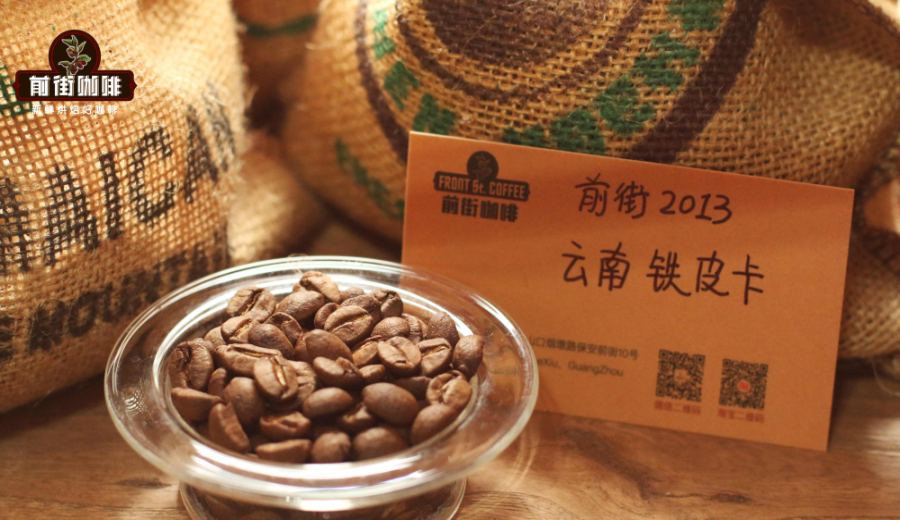
Introduction:This article delves into the main varieties of Yunnan small-grain coffee — Typica and Catimor — covering their historical origins, differences in growing environments, flavor characteristics, and the full process from cultivation to roasting. It also takes you through the seven-year journey of the classic natural Typica beans “2013” and provides practical V60 pour over parameters along with flavor insights to help you better understand the potential and uniqueness of Yunnan coffee.
As China’s most representative coffee-growing region, Yunnan’s small-grain coffee cultivation has undergone a transition from the traditional Typica variety to the high-yield Catimor. Among these, the natural Typica beans “2013” grown by the industry in Lincang, Yunnan, stand out with their unique black tea-like undertones and nutty profile, becoming a classic favorite among many coffee enthusiasts. This article will analyze in detail the growing background and characteristic differences between Typica and Catimor, and guide you through the seven-year development journey of this highly anticipated coffee bean.
The industry didn’t start with cafes but chose to begin with cultivation. In the early years, attempts were made to plant Catimor in Dazhen, Guangdong, but due to limitations in local altitude and climate conditions, coupled with limited knowledge of coffee farming at the time, initial results were modest. As understanding of coffee-growing regions deepened, the focus gradually shifted to Yunnan — one of the regions in China with the most suitable altitude for cultivating Arabica.
The main coffee-growing provinces in China include Yunnan, Fujian, and Hainan. Among them, Hainan, with its relatively low average altitude, mostly grows Robusta. While this variety is disease-resistant and high-yielding, its flavor is often considered coarse and is less used in specialty coffee. In contrast, Yunnan not only has higher altitudes but also climate conditions suitable for Arabica growth, making it the preferred location for specialty coffee cultivation.
Eventually, they chose to purchase mountainous land suitable for planting in Lincang, Yunnan, rather than directly acquiring existing estates. They abandoned the then widely planted Catimor in favor of the higher-priced, lower-yield Typica variety. Why Typica? Because it has more elegant flavor potential and is the base for many well-known specialty coffees such as Jamaican Blue Mountain and Hawaiian Kona. However, Typica also has clear drawbacks: it is susceptible to disease, has low yields, and demands extremely high standards in growing environment and management.
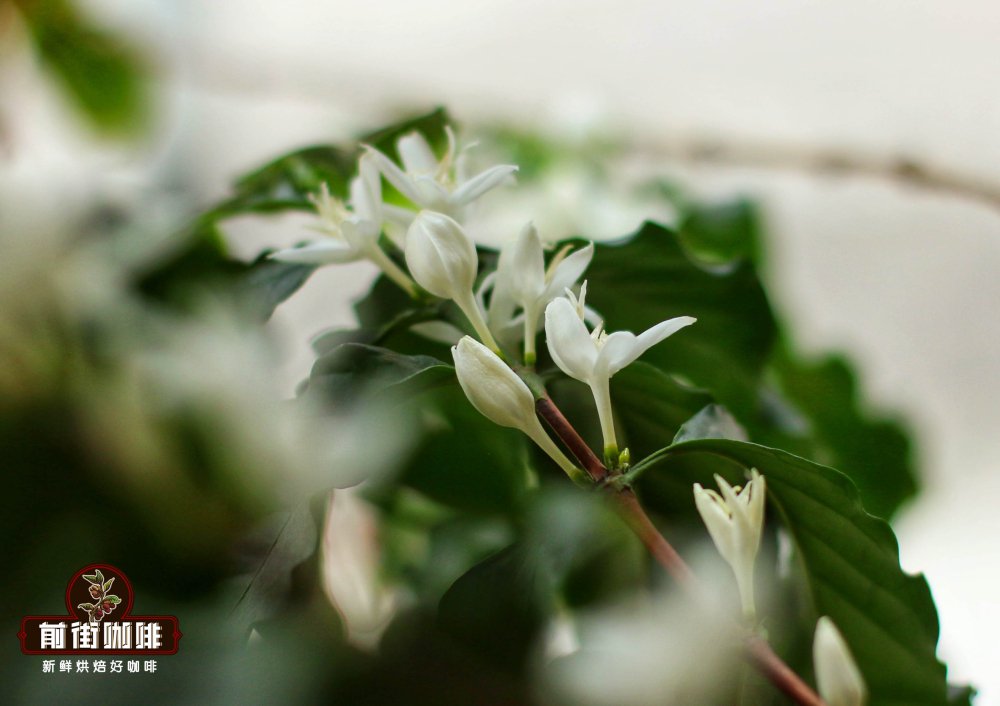
Typica originated in the southwestern part of Ethiopia, was introduced to Yemen in the 15th to 16th centuries, and then spread from India to Southeast Asia in the early 18th century. It is the ancestor of many classic specialty coffees, with delicate flavors but difficult cultivation. In contrast, Catimor is a hybrid of Caturra and Timor coffee, carrying Robusta genes, which makes it disease-resistant and stable in yield, but its flavor profile is usually simpler and often considered lacking in refinement.
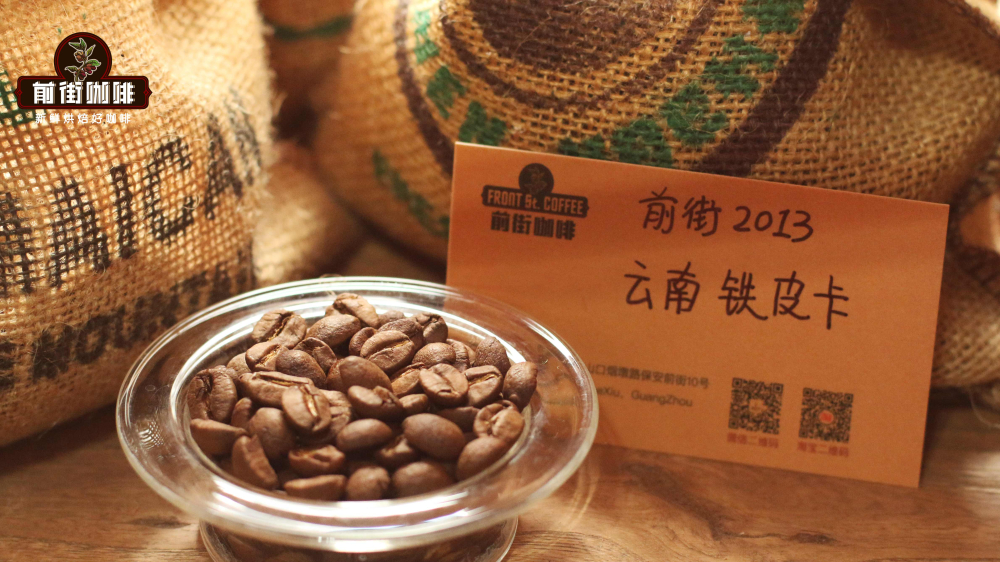
Since most coffee-growing areas in Yunnan have altitudes between 1,300 and 1,800 meters — though meeting the basic requirements for Arabica, they do not reach the ultimate conditions of ultra-high altitudes — the decision was made to compensate for the altitude limitations with varietal advantages. Substantial resources were invested in variety selection and cultivation management, and skilled workers were trained to ensure each coffee tree could grow under optimal conditions. These efforts eventually yielded just about 200 kilograms of natural Typica beans — “2013”.
From seed to cup, “2013” took seven years to come to fruition. During this period, there were countless trials, varietal improvements, and waits for the coffee trees to mature and bear fruit. This coffee, processed using the natural method, features rich black tea aroma and nutty tones, with a shift from berry to citrus notes as temperature changes, and a smooth, sweet brown sugar finish. The richness of its flavor profile led to it selling out quickly after its launch, becoming a classic in the hearts of many customers.
If you’d like to try brewing this classic bean at home, here are the standard V60 pour over recommendations from the industry’s shop:
- Origin:Lincang, Yunnan
- Variety:Typica
- Processing Method:Natural
- Altitude:1300 meters
- Filter:V60
- Water Temperature:91°C
- Coffee Dose:15 grams
- Brew Ratio:1:15
- Grind Size:Granulated sugar fineness (about 80% passing rate through a Chinese standard No. 20 sieve)
Brewing Technique:Use a three-stage pouring method. Start with a 30-second bloom using double the coffee dose in water (about 30 grams), then pour with a small stream in circular motions from the center outward until reaching 125 grams. Once the water level drops, continue pouring to 225 grams. Total brew time is controlled to around 2 minutes, and remove the filter once dripping finishes.
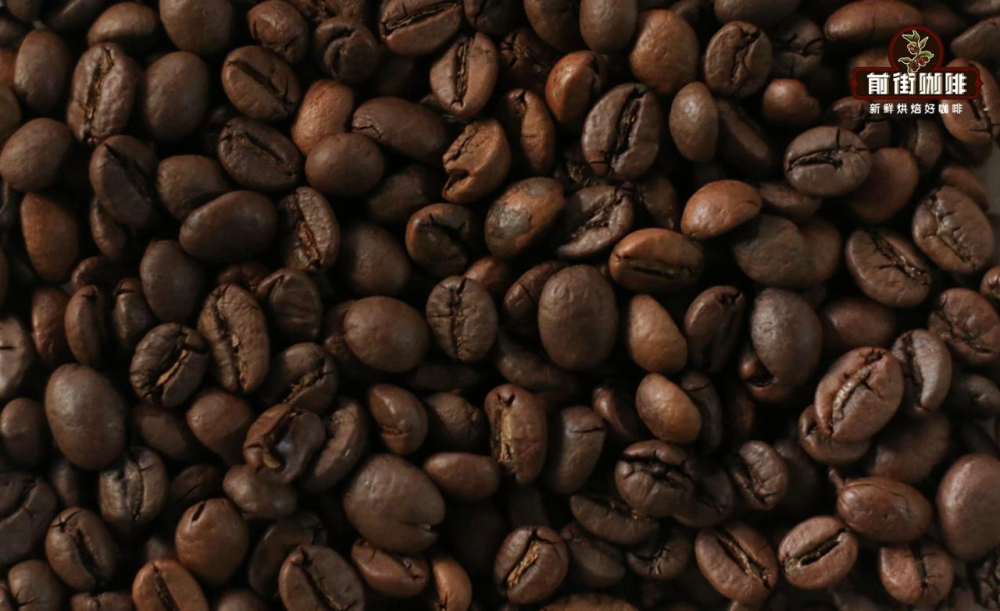
As for the commonly seen “Yunnan small-grain coffee” on the market today, it mostly refers to the Catimor variety. Early on, the term “small-grain coffee” generally referred to Arabica produced in Yunnan, but as Catimor became mainstream due to its high-yield characteristics, the name gradually became synonymous with Catimor. Compared to Typica, Catimor has a bolder flavor, noticeable tea-like qualities, lower acidity, and is suitable for drinkers who prefer a richer taste.
In summary, Yunnan is not only an important origin for China’s specialty coffee, but also showcases diverse flavor potentials through the cultivation differences between the two major varieties, Typica and Catimor. Whether you’re pursuing the delicate flavors of Typica or the bold body of Catimor, you can find representative offerings in Yunnan. Understanding the backgrounds and characteristics of these varieties will help you make more informed choices when buying and brewing, allowing you to enjoy the unique charm of Yunnan coffee.
The above content is compiled by CoffeeHunters, a coffee news website.


