







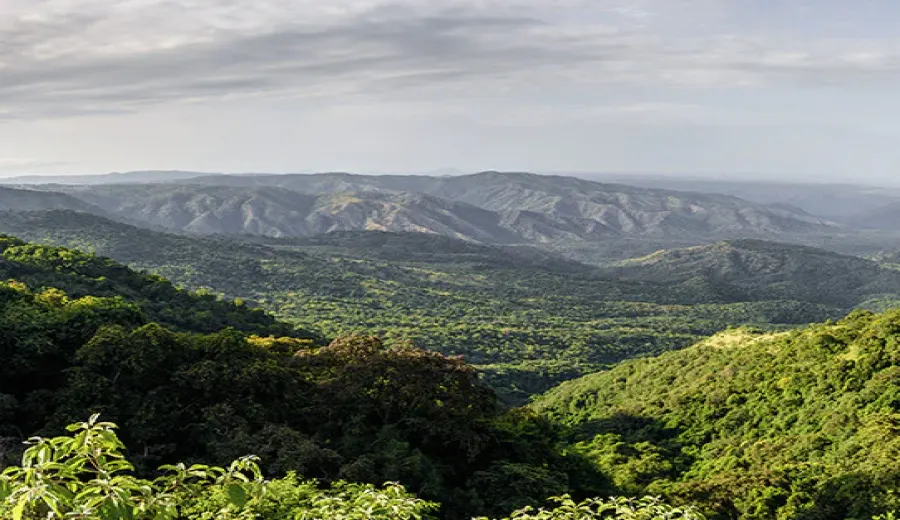
Introduction:Yirgacheffe is Ethiopia’s most iconic high-altitude coffee-growing region, renowned for its delicate floral notes and bright citrus tones. This article delves into the region’s geographic conditions, differences in processing techniques, and the green bean grading system, while also providing an in-depth look at the characteristics of two well-known cooperatives—Wolisho and Guji Dingding. Practical pour-over recommendations for washed Yirgacheffe are included, covering grind size, water temperature, pouring techniques, and expected flavor profiles to help coffee enthusiasts master the brewing essentials of this classic bean variety.
Located on the southwestern plateau of Ethiopia, Yirgacheffe lies in the northwest of the Sidamo region. It is a mountain town surrounded by hills and lakes, with elevations ranging approximately between 1,700 and 2,100 meters. Not only is it one of Ethiopia’s highest-altitude coffee-growing areas, but its unique microclimate also fosters highly distinctive coffee flavors, making it a key benchmark in the global specialty coffee market.
Originally part of the Sidamo region, Yirgacheffe achieved independent status as a separate region between 2006 and 2007 following a trademark dispute. The local government eventually reclaimed the trademark rights to the three major regions—“Yirgacheffe,” “Sidamo,” and “Harar”—from Starbucks, transforming the name of this once-small town into a shining star in the specialty coffee industry.
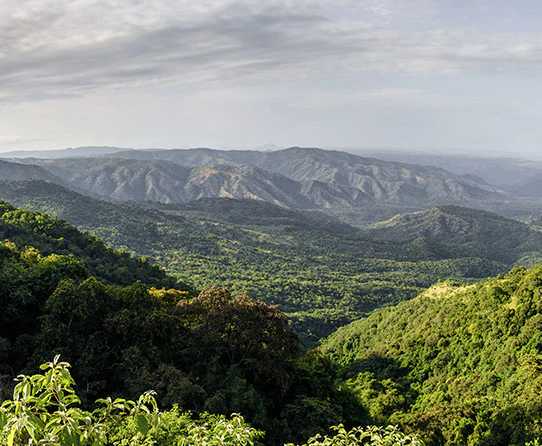
Yirgacheffe enjoys a cool and humid climate year-round, with a terrain marked by foggy valleys and rifts. Perennial cloud cover, combined with the abundant moisture brought by Lake Turkana, Lake Abaya, and Lake Chamo, creates an optimal environment for growing Arabica coffee. Coffee trees here are mostly scattered around banana groves or mixed agroforestry systems in villages, rather than concentrated in large plantations. After harvest, the beans are typically purchased directly from farmers by local coffee traders.
In addition to the main town, the Yirgacheffe region includes several sub-regions such as Wenago, Kochere, and Gelena/Abaya, each showcasing unique cupping characteristics derived from their distinct microclimates.
The cultivation environment in Yirgacheffe is exceptionally favorable, with mild mountainous climates—free from extreme summer heat or winter cold—and moderate humidity and gentle breezes, making it an ideal growing ground for Arabica coffee. Local farmers often employ mixed-cropping practices, commonly growing coffee trees alongside bananas and leguminous plants, creating a unique ecosystem and agricultural landscape.
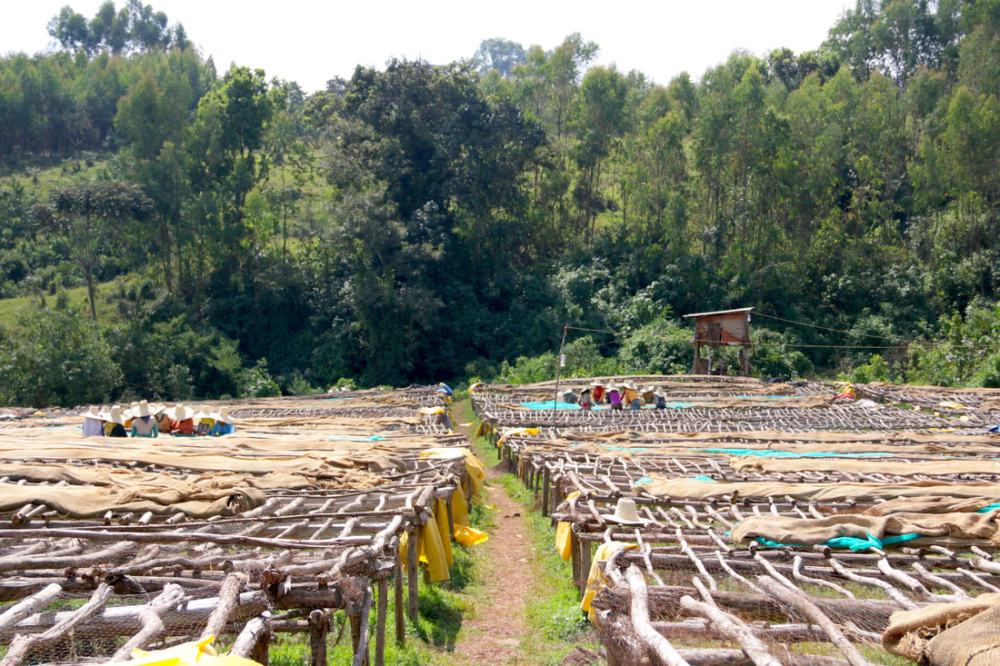
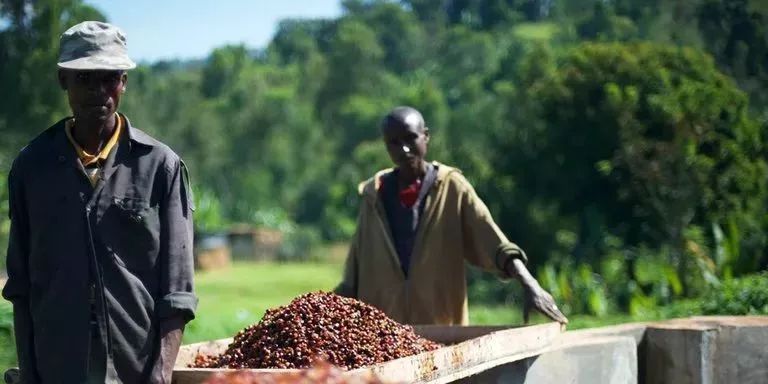
In terms of processing methods, Yirgacheffe initially relied mainly on traditional sun-drying, but due to relatively rudimentary techniques at the time, this often resulted in heavier off-flavors that affected overall quality. Starting in 1959, the region began adopting the washed processing method originating from South America, which later became the mainstream approach. This method involves first removing the outer fruit pulp of the coffee cherry, then fermenting and washing to remove the mucilage, followed by drying on raised beds or cement surfaces. This effectively reduces impurities and highlights a clean, bright acidity along with floral notes.
After 2006, some processing facilities gradually introduced refined raised-bed sun-drying methods. This technique requires evenly spreading coffee cherries on elevated drying beds to avoid contact with the ground, significantly reducing earthy and off flavors. Meanwhile, prolonged sun exposure of over two weeks allows the sugars and flavor compounds in the pulp to fully transform, resulting in rich yet clean fruit sweetness and wine-like aromas, greatly enhancing the overall quality of sun-dried beans.
Washed Yirgacheffe typically exhibits fresh lemon and jasmine floral notes, accompanied by soft citrus acidity and a bright mouthfeel. With balanced acidity and sweetness and distinct layers, it is a popular choice for many beginners entering the world of specialty coffee. Sun-dried Yirgacheffe, on the other hand, features rich fruity aromas, fermented fruit sweetness, and a lingering finish with wine-like nuances. Its flavors are more intense and rounded, suiting those who prefer a fuller-bodied taste.
Ethiopia’s green coffee bean grading is not based on bean size but rather on the ratio of defective beans. Since the introduction of the ECX’s specialty coffee trading grading system, and after evaluation by Q-Graders, washed Yirgacheffe is divided into Grade 1 and Grade 2, while sun-dried Yirgacheffe is further细分 into Grade 1, Grade 3, Grade 4, and Grade 5. Among these, Grade 1 represents the lowest defect rate and the highest quality.
Within the Yirgacheffe region, there are several standout cooperatives. For example, the Wolisho Cooperative, established in 2005, is part of the Yirgacheffe Coffee Farmers Cooperative Union (YCFCU) and is known for producing high-quality sun-dried beans, bringing together around 300 coffee farmers. The Guji Dingding Cooperative originated from the Wolisho region and was initially under YCFCU before becoming independent in 2012. It focuses on high-quality washed processing and emphasizes traceability of green beans, with approximately 300 members.
The refined washed processing procedure of the Guji Dingding Cooperative includes about 72 hours of fermentation, effectively highlighting acidity and aroma. The beans are then dried on raised beds and undergo rigorous selection to ensure every bean meets high standards. This processing method yields coffee with a clean, bright acidity, delicate sweetness, and subtle floral and fruity notes. The flavor profile is clear with a long-lasting aftertaste.
In terms of roasting and pour-over parameters, it is recommended to use a medium roast to preserve the distinctive floral and fruity characteristics of Yirgacheffe. For this washed processed bean, due to its relatively hard bean density and slower water absorption, special attention should be paid to adjusting grind size and water temperature to facilitate full flavor release.
Practical pour-over recommendations are as follows: Use approximately 15 grams of coffee, with a 1:15 coffee-to-water ratio. Employ a medium-fine grind (approximately 80% through a 20-number sieve; if using a hand grinder C40, this corresponds to 24 clicks, or 10 clicks on the EK43s), with water temperature controlled at91°C. Use a three-stage pouring technique: the first stage involves pouring 30 milliliters for a 30-second bloom, followed by the second stage with 100 milliliters, and the third stage with 95 milliliters. The total extraction time is approximately 2 minutes.
This parameter setup helps to bring out the delicate yellow lemon acidity, light cane sugar sweetness, and the subtle hints of cream, lemon black tea, and green tea aromas in the aftertaste of the Guji Dingding washed beans. The overall mouthfeel is smooth and full-bodied, with a refreshing and long-lasting aftertaste. It is highly suitable for coffee enthusiasts who enjoy bright acidity and complex layers.
The above content is compiled by CoffeeHunters, a coffee news website.


