








Introduction:Want to explore the allure of sun-dried processing in Ethiopia’s Yirgacheffe region? This article starts with the geographical background of the Worka Cooperative and the characteristics of sun-dried processing, guiding you through the fruity profile of Grade 1 Yirgacheffe, and provides industry-tested pour over parameters and steps. Whether you’re a beginner or a seasoned coffee enthusiast, you’ll find brewing and tasting methods that suit your preferences.
As a representative specialty coffee region of Ethiopia, Yirgacheffe has gained attention in recent years for its refined sun-dried process, which brings out unique fruit notes ranging from peach to pineapple—layers that are both rich and bright. This article not only introduces the geography and history of Yirgacheffe but also delves into the sun-drying techniques of the Worka Cooperative. It includes practical pour over parameters and flavor profiles used in the industry, helping readers fully understand the differences between washed and sun-dried processing methods, as well as how to select and brew Yirgacheffe coffee to achieve optimal flavors.
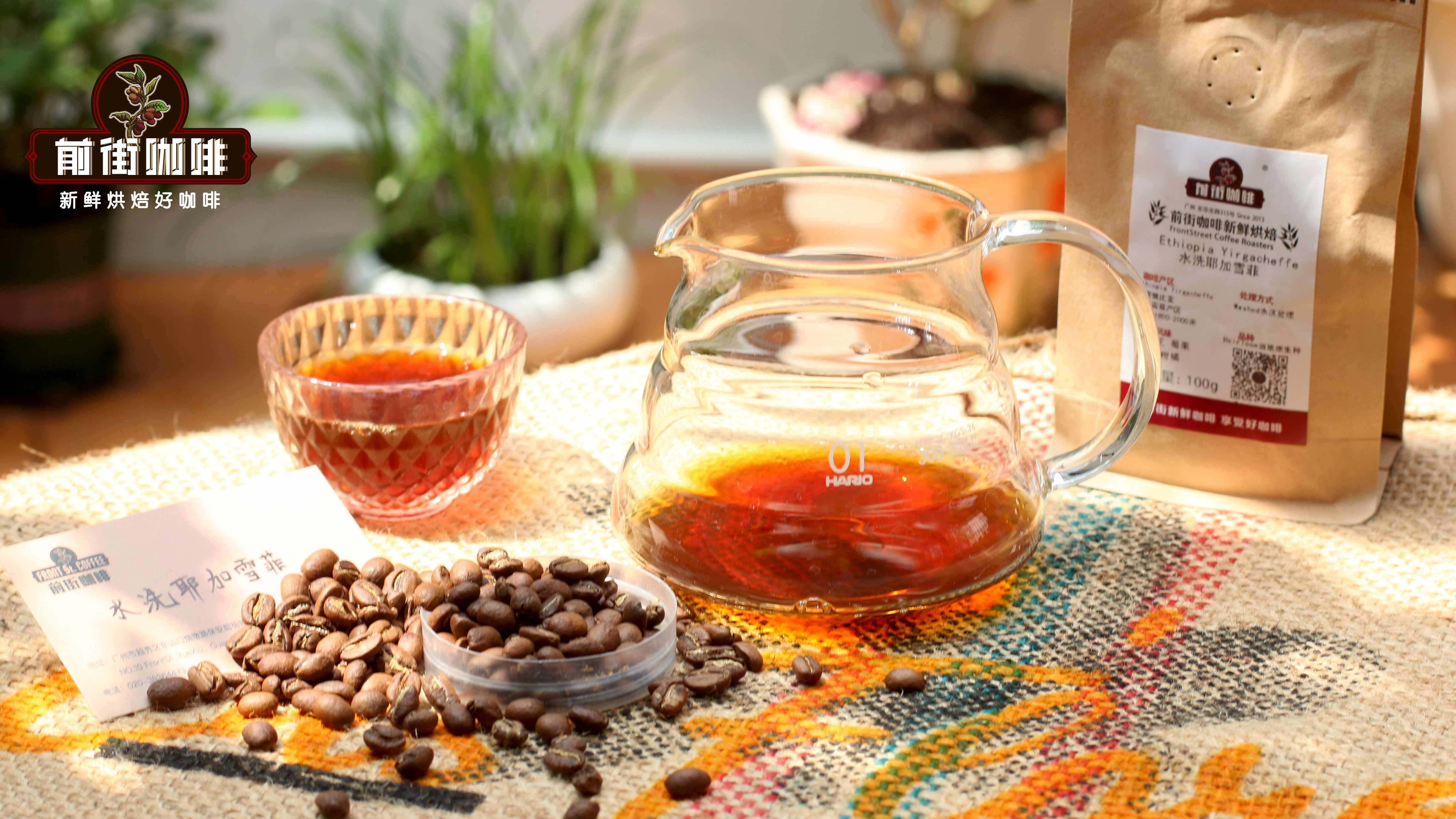
For those just starting out in specialty coffee, washed Yirgacheffe is a highly recommended choice. These beans use native Ethiopian varieties, roasted to a medium-light level, offering clear and identifiable flavors at a relatively affordable price, perfect for everyday drinking. The small packaging design also helps prevent the beans from losing freshness due to prolonged storage, ensuring a fresh taste with every brew.
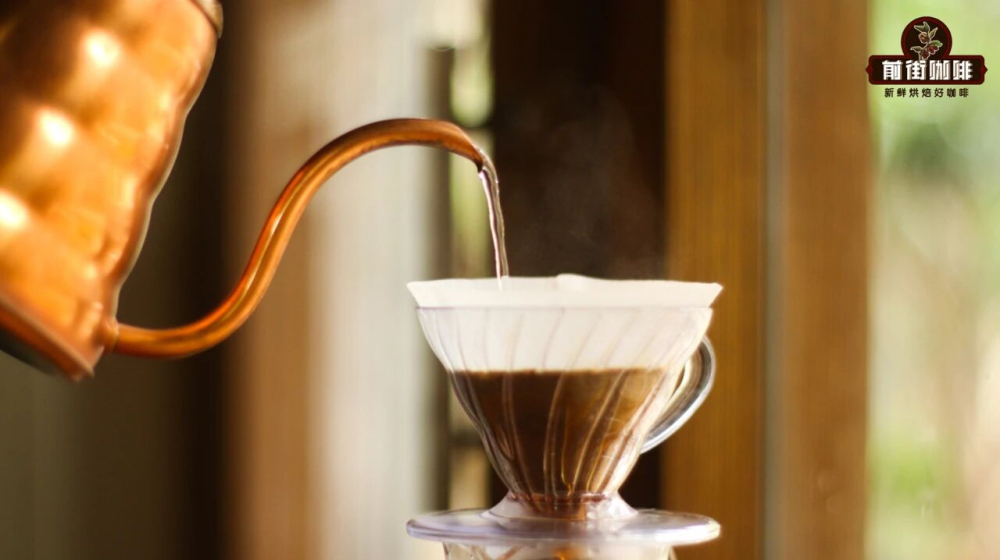
The recommended pour over parameters for washed Yirgacheffe are as follows: use a Hario V60 filter, control the water temperature at 90°C, use 15 grams of coffee, with a coffee-to-water ratio of 1:15. The grind size can be around 80% through a Chinese standard No. 20 sieve, equivalent to a medium-fine grind. The specific steps are: first pour 30 grams of water for a 30-second bloom, then pour up to 115 grams and pause. Once the coffee bed has drained by about half, continue pouring until reaching a total of 225 grams. The overall extraction time should be kept to around 2 minutes to fully highlight the citrus, peach aroma, and bright acidity of the beans.
Yirgacheffe is located in the highlands of Ethiopia, at an altitude of 1700 to 2100 meters, in the northwest of the Sidama region. Its geographical environment is mountainous and lakeside, making it one of the highest-altitude coffee-growing regions in the country and an important symbol of specialty coffee. Although it is administratively considered a sub-region of the Sidamo region, it has gained fame independently due to its unique flavor. Yirgacheffe encompasses several sub-regions, including Wenago, Kochere, and Gelena/Abaya, each potentially showcasing different microclimates and flavor characteristics.
The Worka Cooperative is part of the YCFCU cooperative union (Yirgacheffe Coffee Farmers Cooperative Union), established in 2005, and is one of its 22 primary cooperatives. The cooperative is located in the Gedeb area of the Gedeo Zone, within a more remote section of Yirgacheffe, approximately 75 kilometers from the main hub town of Dilla, with the last 20 kilometers being unpaved dirt roads. The location is inconvenient but boasts a pristine natural environment. The local altitude is around 1800 to 1900 meters, and smallholder farmers strictly avoid using chemical fertilizers and pesticides, earning the EU Skal organic certification. Compared to Kochere, which is known for its washed processing, Worka excels in sun-dried processing. In recent years, through refined management, it has significantly improved the fruit aroma purity and fermentation complexity of its sun-dried beans.
The flavor profile of sun-dried Yirgacheffe is exceptionally layered. Upon opening the bag, you’re greeted with a strong peach aroma. Upon tasting, there’s a sweet juiciness reminiscent of strawberries, cantaloupe, and pineapple, followed by an elegant fruity wine note and a lingering sweetness on the finish. Overall, it presents a clean yet sweet expression, making it a classic representation of the sun-dried processing method.
Yirgacheffe coffee beans can be divided into two main categories based on processing methods: washed (Category A) and sun-dried (Category B). Washed beans are graded according to SCAA standards as Grade 1 (G1) and Grade 2 (G2)—the lower the number, the higher the grade. G1 washed Yirgacheffe is dominated by citrus and floral notes, with a clear flavor profile that is widely praised. Sun-dried beans are classified as G1, G3, G4, and G5, with G1 being the highest grade. G1 sun-dried Yirgacheffe showcases intense fruit aromas, overturning many people’s preconceptions about coffee and allowing them to deeply experience the “fruit” essence of coffee.
The industry-offered Ethiopian Yirgacheffe Sun-Dried Worka G1, produced in Gedeb’s Gedeb area, is lightly roasted and processed via the sun-dried method. This bean not only highlights the regional characteristics of Ethiopian coffee but also offers exceptional drinking value due to its refined processing. From harvesting ripe cherries and sun-drying them on raised beds, to rigorously removing defective beans, every step influences the purity of the final flavor. This processing method not only enhances the sweetness of the fruit pulp but also gives the coffee a unique fermented wine aroma, making it a must-try for coffee lovers who enjoy fruity profiles.
The above content is compiled by CoffeeHunters, a coffee news website.


