







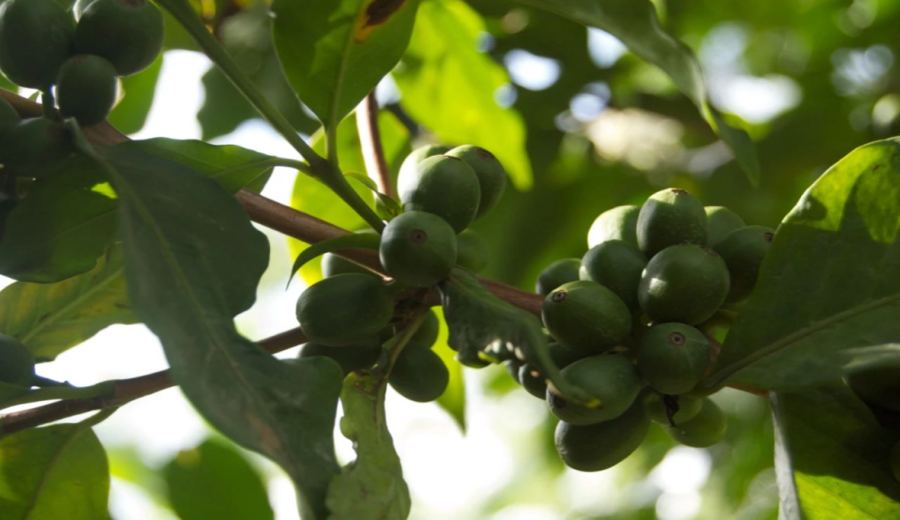
Introduction:From highland volcanic soils to the unique K72 washed processing method, how does Kenyan coffee stand out with its bright berry acidity and blackcurrant notes? This article delves into the journey of Kenyan coffee from Bourbon introduction to specialty-grade production, analyzes the characteristics of the SL28 and SL34 varieties, and details the key steps of its iconic processing method. It also provides practical brewing parameters and flavor guidance to help coffee enthusiasts better appreciate the unique charm of this classic origin.
Although Kenya borders Ethiopia—the birthplace of coffee—its commercial coffee cultivation only began to take off in the early 20th century. However, thanks to its high-altitude volcanic terrain, abundant bimodal rainy seasons, and carefully cultivated elite varieties such as SL28 and SL34, Kenyan coffee rose to become one of the world’s representative specialty coffee regions within just a few decades. This article will take you through the development of Kenyan coffee, from variety selection and regional distribution to the iconic K72 washed process, and explore the sources of its captivating berry acidity and rich fruit aromas. The article concludes with professional-level pour over parameters and flavor descriptions to help you fully experience the distinctive profile of this classic coffee.
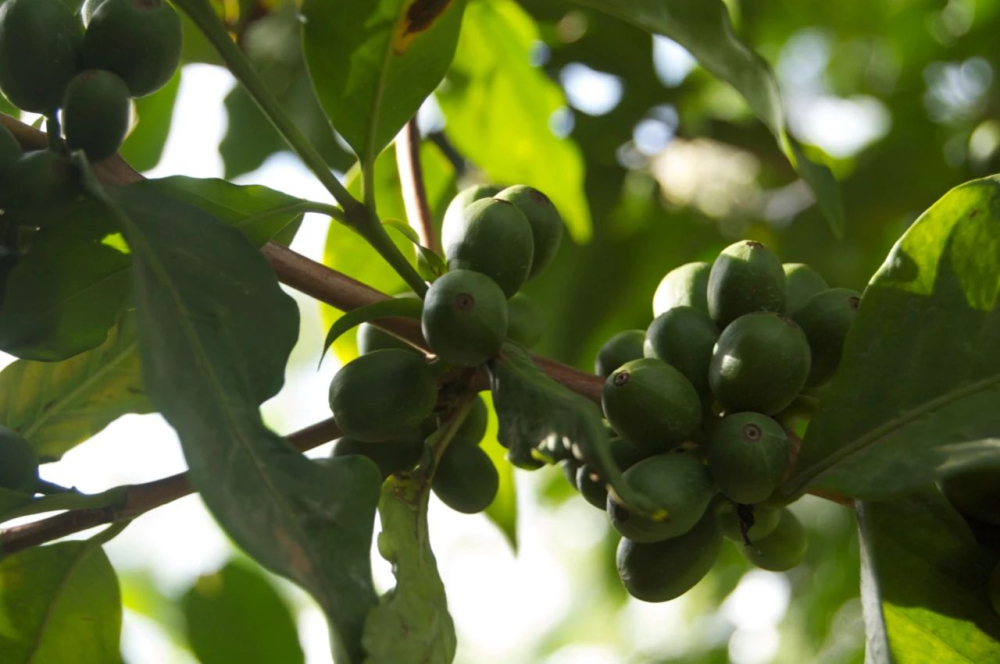
Located in East Africa, Kenya is bisected by the equator and traversed north to south by the East African Rift Valley. Its terrain is predominantly highland, with an average elevation of around 1,500 meters nationwide. These geographical conditions, combined with two concentrated rainy seasons each year, give Kenya the unique advantage of having two major coffee harvest periods annually. The main coffee-growing areas are concentrated around the capital Nairobi and the Kenyan mountainous regions, typically at elevations between 1,600 and 2,100 meters in volcanic zones. The high altitude results in cooler temperatures, slower fruit development, and facilitates the accumulation of aromatic compounds. The acidity is brighter, the beans are harder, and these are ideal conditions for producing high-quality coffee.
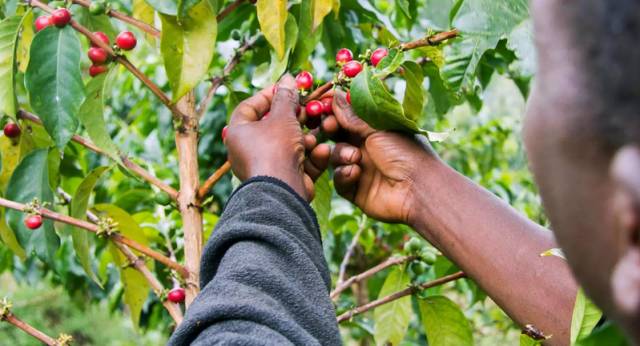
Interestingly, coffee cultivation in Kenya did not originate locally but was introduced through 19th-century European missionary activities. Historical records indicate that French missionaries were the first to bring Bourbon variety coffee seeds from Bourbon Island (now Réunion) to the coastal areas of Kenya. Later, in 1893, John Patterson, representing the Scottish Mission, introduced coffee plants to Kenya. In 1896, coffee was first planted in the fertile Kiambu-Kikuyu region. By 1912, coffee plantations spanning hundreds of acres had emerged there, mainly cultivating Bourbon and Kent varieties. Since Kenya’s independence in 1963, long-term accumulated planting experience and technical expertise among local farmers have gradually established the high-standard coffee quality system seen today. To this day, over half of Kenya’s coffee production still comes from smallholder farms, and the quality commitment of these farmers is a key reason why Kenyan coffee stands out in the international market.
Kenya has invested significant effort in coffee variety development, and the most representative SL28 and SL34 are the results of meticulous breeding by official research institutions. The SL series varieties are named after Kenya’s Scott Laboratories, which, in the 1930s, was commissioned by the government to focus on developing new disease-resistant and high-flavor varieties in response to the outbreak of coffee berry disease. Among numerous research projects, numbers 28 and 34 performed the best—not only exhibiting strong disease resistance but also showing exceptional flavor potential—leading to their widespread promotion and cultivation.
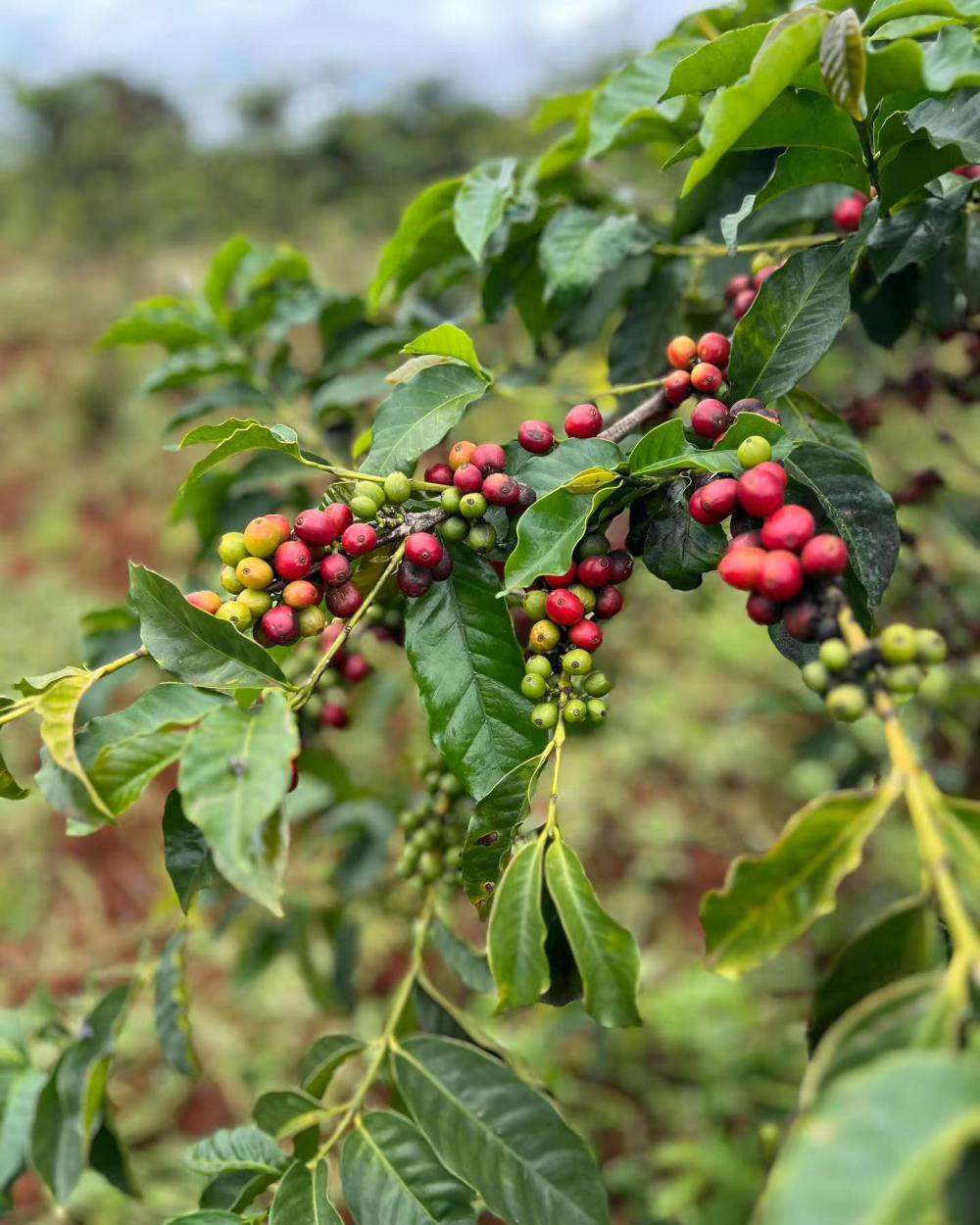
SL28 is renowned for its outstanding drought resistance. In cupping, it often displays a bright, wine-like high acidity, with a thick mouthfeel and deep fruit aromas. Its sweet-and-sour balance features intense blackberry and black plum notes. SL34, with its diverse lineage including Bourbon and Typica, has leaves with a distinctive copper hue and bean shapes resembling broad beans. It not only excels in sweetness but also offers extremely rich flavor layers. Common notes of citrus, black plum, and blackcurrant make it a favorite among many specialty coffee enthusiasts. These two varieties are not only the flavor hallmarks of Kenyan coffee but also globally recognized star varieties in the specialty coffee market.
Kenya’s six major coffee-growing regions include Thika, Kirinyaga, Mt. Kenya West, Nyeri, Kiambu, and Muranga. About 60% of production is concentrated in central regions such as Thika, Nyeri, Kirinyaga, Muranga, and Kiambu. These regions feature fertile volcanic soils, moderate sunlight and rainfall, and planting altitudes ranging between 1,400 and 2,000 meters. Temperatures remain within a range of 15 to 24 degrees Celsius, providing an ideal environment for coffee fruit development. Especially notable are the deep red volcanic soils, whose slightly acidic nature contributes to the bright and vibrant fruit acidity that is key to the unique flavor profile of Kenyan coffee.
When it comes to the flavors of Kenyan coffee, what is most memorable is its bright and layered berry and fruit profiles, especially the vibrant yet sweet acidity and juicy drinking experience. These flavor characteristics stem not only from the region’s unique soil phosphorus content but are also inseparable from Kenya’s distinctive K72 washed processing method. Unlike typical washed processing, which usually involves fermentation for just a few hours, Kenya’s method extends fermentation to 72 hours—and does so in stages. The entire process is divided into three rounds, each lasting 24 hours, with fresh clean water replacing the old water after each round to ensure even and thorough fermentation. This so-called K72 process is a crucial key to why Kenyan coffee can exhibit such exceptionally vibrant and bright acidity, along with intricate flavor layers.
In addition, Kenya places great emphasis on drying its coffee. To prevent the beans from absorbing ground impurities or developing undesirable “wild” flavors during drying, local farmers do not spread the beans directly on the ground. Instead, they use a specially designed elevated steel tray, commonly known as a “Kenyan steel bed.” This tray features evenly distributed holes that allow for good ventilation during drying, ensuring the beans never touch the ground. This promotes uniform drying while minimizing unwanted odors, resulting in a cleaner and clearer final cup flavor. This is another important factor contributing to the high purity standards of Kenyan coffee.
If you’d like to experience the charm of Kenyan coffee firsthand, you can follow this professional-level pour over recommendation: Use a 1:15 coffee-to-water ratio, with 15 grams of coffee and a total brew water volume of 225 milliliters. Water temperature should be controlled between 90°C and 91°C, and grind size is recommended to be similar to that of fine sugar—approximately equivalent to EK43s grinder setting 10 (or about 80% extraction through a standard #20 mesh sieve). For actual brewing, a three-stage extraction process is advised: First, place the ground coffee into the filter paper and start with a small stream of water poured in a circular motion from the center, adding 30 grams for a 30-second bloom. After the bloom, pour the second stage of 95 grams of water. Once the flow rate stabilizes, pour the final 100 grams of water. The total brew time should be around 2 minutes, allowing for a margin of error of about 10 seconds. Through this precise extraction, you’ll be able to taste Kenyan coffee’s distinctive black plum and cherry tomato acidity, with a medium-bodied layer showcasing the rich juice-like character of black plum. The finish delivers berry aromas, soft brown sugar sweetness, and a hint of elegant tea-like notes.
The above content is compiled by CoffeeHunters, a coffee news website.


