








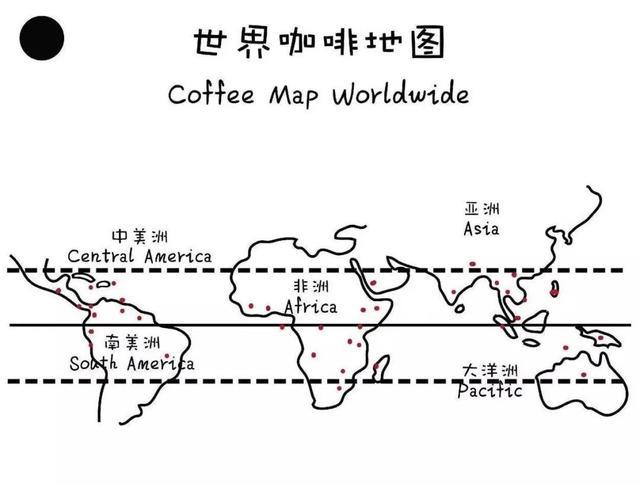
Introduction:Africa, Latin America, and Asia are the three major coffee-producing regions in the world, each with distinct geographical and climatic conditions that give rise to beans with vastly different flavor profiles. This article delves into the representative characteristics and brewing recommendations of coffees from these three continents, analyzing them from the perspectives of regional geography, coffee varieties, processing methods, and cupping profiles. It also provides practical pour-over and roasting parameters to help you grasp the diverse world of specialty coffee.
The "Coffee Belt" near the equator is the primary global region for specialty coffee production, encompassing Africa, Latin America, and Asia. These three areas not only differ markedly in geography and climate, but the beans they produce also showcase distinctly unique flavor traits due to factors such as variety, processing techniques, and altitude. A deep understanding of these regions is fundamental for any coffee enthusiast aiming to explore the world through taste and enhance their bean selection skills.
[African Origins] Fruity and floral, with bright acidity and the diverse challenge of native varieties
As the birthplace of coffee, Africa boasts rich coffee genetic diversity, with Ethiopia and Kenya being the most representative. Coffees from this region typically exhibit pronounced floral notes, citrus-like acidity, and a tea-like mouthfeel. The acidity is bright and vibrant, but the body is generally lighter, and the sweetness is less prominent compared to other origins.

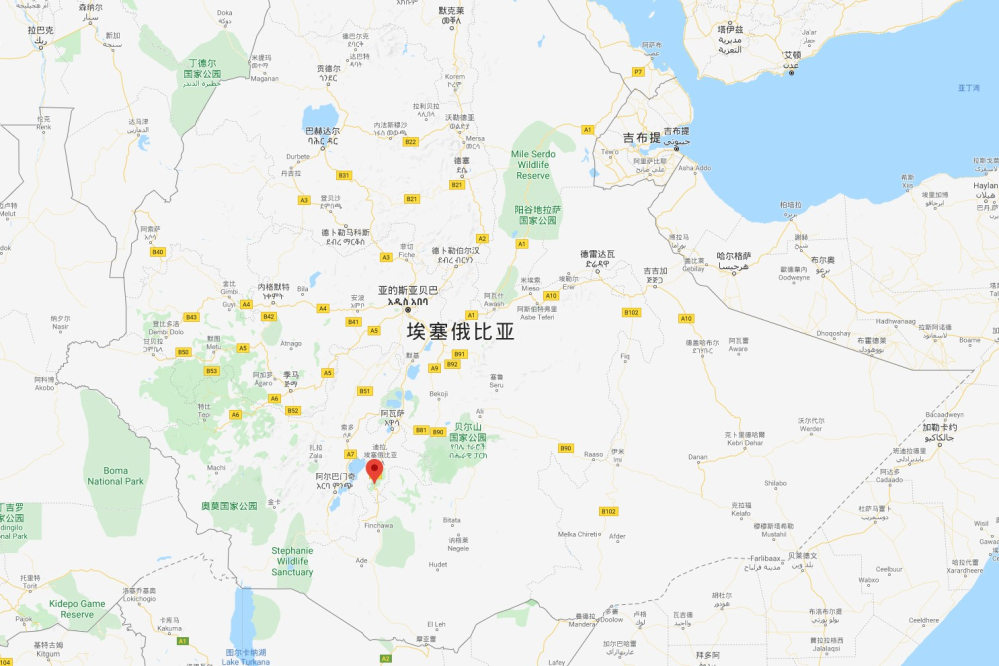
Ethiopia: Native Variety Paradise – The Perfect Fusion of Acidic Aromas and Tea-like Notes
Ethiopia is one of the rare coffee-origin countries that has not been profoundly influenced by colonial culture. Coffee is akin to a national beverage here, with a unique ceremonial culture. The country’s coffee cultivation is divided into four types: forest, semi-forest, garden, and plantation, withgarden and semi-forest plantations accounting for over 80%, contributing to the natural diversity of coffee flavors.
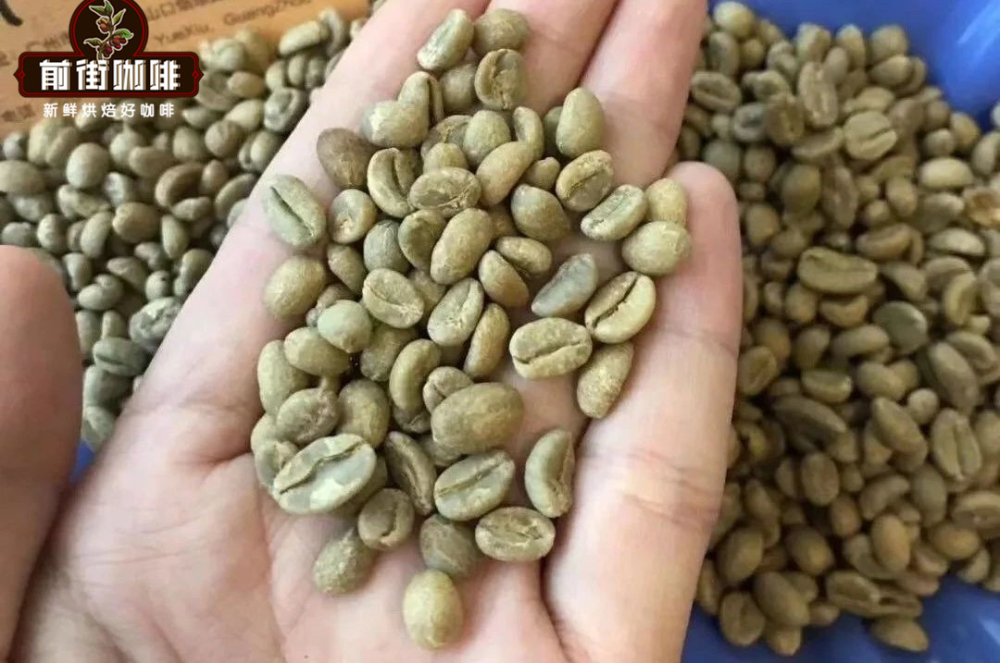
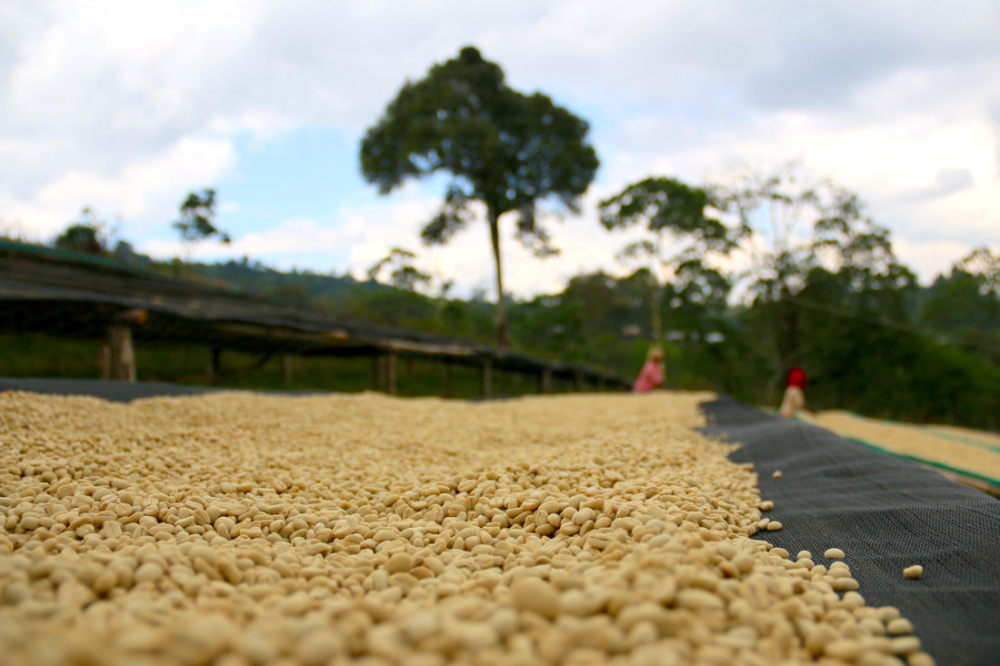
Local coffee varieties are mostly collectively referred to as Heirloom (native varieties), which are not finely classified due to their complex lineages—this also explains why Ethiopian coffee beans vary in size. Processing methods emphasize both washed and natural, with washed beans excelling in bright fruity acidity and lemony tones, suiting those who prefer a clean and refreshing cup; natural beans, on the other hand, offer more sweetness, with intense berry and fermented aromas, resulting in a more complex and profound overall flavor.
Ethiopian coffee is graded according to processing method,with washed beans classified as G1 and G2, while natural beans were previously topped at G3. Since 2012, G1-grade naturals have also emerged. Notable producing regions include Yirgacheffe, Sidamo, and Harrar. Among them,Yirgacheffe, grown at altitudes of 1700–2100 meters, produces floral and fruity aromas paired with a soft tea-like mouthfeel, while Sidamo is renowned for its notable sweetness, earning it the title of "the sweet coffee."
Kenya: Dominated by SL Varieties, the Kenyan 72-Hour Fermentation Process Delivers High Acidity and Bright Flavors
Kenyan coffee primarily features the SL28 and SL34 varieties, mutant strains cultivated by the Scott Laboratories that possess strong acidity and complex flavors, along with distinct black plum and cherry tomato notes. Its processing is famed for theKenyan-style 72-hour cyclic washed fermentation, which, through multiple rounds of fermentation and washing, imparts high cleanliness and full-bodied flavors to the beans.
Kenyan coffee is graded based on bean size and cupping results, with the top tier being AA+. There are also unofficial grading terms such as TOP and PLUS, which focus on flavor. Major producing regions like Nyeri and Kirinyaga are known for their bright acidity and juicy mouthfeel, making them ideal for coffee lovers who prefer high acidity and a fruity, juice-like profile.
[Latin American Origins] Balanced and full-bodied, with chocolate and nutty foundations
Latin American coffee is characterized above all by balance, combining a full body with moderate acidity and sweetness. Common aromas include cocoa, dark chocolate, and caramel. The producing regions are mostly located in high-altitude mountainous areas with stable climates, and washed processing methods contribute to low defect rates and intact bean appearance.
Brazil: The World’s Largest Producer, Semi-Washed Processing Delivers Low Acidity and Rich Body
As the world’s largest coffee producer, Brazilian coffee is known for its low acidity, high body, and rich nutty character. Sun-dried processing was dominant in the past but often resulted in earthy or moldy notes. The shift to semi-washed (Pulped Natural) processing has effectively improved cleanliness and maturity consistency.
Brazilian coffee is graded based on defect rate, bean size, and cupping results, with high-quality beans falling under No.2 and 17/18 mesh categories. Flavor grades range from Strictly Soft to Rioy. Notable regions like Mogiana, using the Yellow Bourbon variety with semi-washed processing, showcase a distinctly sweet profile with tropical fruit aromas.
Colombia: Washed Processing Dominates, with Berry and Caramel Aromas
Colombian coffee primarily uses washed processing, with producing regions ranging from mid-altitude commercial beans in central areas to high-altitude specialty zones in the central-south. The coffee usually offers gentle fruit acidity, nuttiness, and caramel aromas, with a full body and outstanding sweetness.
Central regions like Medellín produce flavors similar to Indonesian Mandheling, while central-southern areas such as Huila Province are known for their high altitudes and refined processing, making them suitable for those who enjoy a balanced profile of fruit acidity and chocolate.
Panama: Geisha Sparks the Specialty Boom, with Distinct Washed and Natural Profiles
Panama rose to prominence thanks to the Geisha variety, which is celebrated for its bright acidity, citrus aromas, and honey-like sweetness. Geisha is commonly processed using both washed and natural methods—the former highlights fresh floral notes, while the latter enhances sweetness and body.
The renowned Boquete region, situated in cool high-altitude mountains, is ideal for Geisha cultivation. Its washed Geisha is known for jasmine, citrus, and creamy textures, appealing to those seeking layered complexity and vibrant fruit notes.
Costa Rica: Honey Processing on the Rise, Balancing Sweetness, Acidity, and Body
Costa Rica was the first country in Central America to commercialize coffee. Its honey processing method combines elements of both natural and washed techniques, imparting rich aroma and a full body while maintaining balanced acidity and sweetness.
The Tarrazú region is a hub for its specialty coffee. The raisin honey process further elevates aroma complexity, making it ideal for consumers who enjoy mild fruit acidity and caramel-chocolate finishes.
[Asian Origins] Full-bodied and Rich, with Noticeable Low Acidity and Herbal Notes
Asian coffee is mainly characterized by a full body and low acidity, often with woody, herbal, or spicy notes. The acidity is less pronounced, making it suitable for those who prefer deep, rich flavors. Vietnam is the largest producer in the region, while Indonesia and China’s Yunnan are also important origins.
Asian coffee is typically processed using the wet-hulled method or traditional washed processes. The flavors often feature an earthy quality and dark fruit notes, making them well-suited for pairing with milk or for dark roast preparations.
Conclusion: Select Beans Based on Flavor Preference – Understanding Regional Characteristics is Key
Each of the three continents offers something unique: Africa excels in fruity acidity and floral notes, Latin America emphasizes balance and body, and Asia showcases fullness and spicy undertones. Understanding these differences not only helps you find the coffee that best suits your taste but also allows for more precise adjustments in pour-over and roasting parameters, enhancing your overall coffee experience.
Whether you’re a beginner just starting with pour-over or a seasoned coffee enthusiast looking for new flavors, the diverse profiles of these three regions are well worth exploring and savoring.
The above content is compiled by CoffeeHunters, a coffee news website.


