







Introduction:Latte coffee is one of the most popular coffee beverages in the world, but do you know where this milk coffee comes from? This article delves into the historical origins of the latte, from the 17th-century European tradition of drinking coffee with milk, to its first documentation in 19th-century literature, and on to its reinvention by American immigrants in the 20th century. It explores how it evolved from a simple combination of coffee and milk into today’s diverse, regionally distinctive classic drink, helping you better understand the story behind this beloved milk coffee.
Among the many coffee drinks, the latte is undoubtedly one of the most common and popular. Whether at international chain brands or independent cafés on street corners, the latte is almost always a staple item. However, step into different coffee shops, and you might be surprised to find that although they’re all called “latte,” they can differ greatly in volume and flavor—so why is that?
In fact, the definition of “latte coffee” has never been entirely unified. Essentially, it is made with an espresso base combined with milk. But the combination of “coffee and milk” has actually been around for centuries, and various regions have developed their own versions based on cultural habits and dietary preferences. For example, in Italy it’s called Caffè Latte, in Germany Milchkaffee, in Spain Café con Leche, and in France Café au Lait.
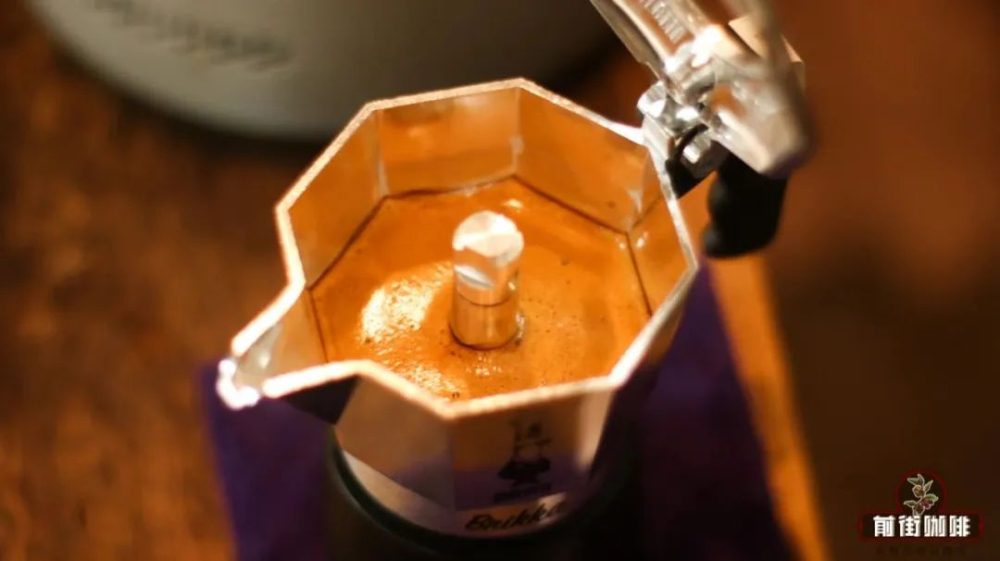
Looking back in history, American writer William Dean Howells first used the term “Caffe e latte” in his 1867 book Italian Journeys to describe this milk-forward coffee beverage. He noted that this drink was particularly popular among American tourists in Italy at the time, and the preparation method was not complicated—simply brewing espresso with a moka pot or other device and then pouring it over heated milk.
Interestingly, although the concept of espresso already existed, professional espresso machines and steam wands capable of frothing milk were not yet widespread. In fact, the prototypes of modern espresso machines and steam wands did not emerge until around 1903, and initially they were only used to heat milk and could not produce fine microfoam. Therefore, the “latte” of that time still couldn’t be considered the familiar version we know today.

The turning point came in the 1950s and 1960s in California, USA. At that time, a group of Italian immigrants modified the traditional cappuccino by adding more milk, resulting in a smoother and softer overall taste. They introduced this milk-forward cappuccino under the name “Caffè e latte,” making it a new signature drink. This move can be seen as a significant step toward the modernization of the latte.
Later, in the 1980s, with the rise of specialty coffee culture, the latte entered its true golden age. Especially in Seattle, many coffee shops began creating intricate latte art on the surface of lattes, not only enhancing the visual experience but also helping this drink—combining the richness of espresso with the sweetness of milk—gradually gain global popularity. The art of latte art and the promotion by chain brands further propelled the latte into major cities around the world.
Developing to the present day, the latte has become a classic representative of cafés worldwide. Its charm lies in the perfect balance between milk and coffee, which not only showcases the flavor of the coffee itself but also harmonizes the overall taste through the smoothness of the milk. Compared to other more regionally distinctive milk coffees such as café au lait or flat white, the latte is more flexible, allowing it to adapt to market and consumer trends and become the preferred base for baristas to create new drinks.
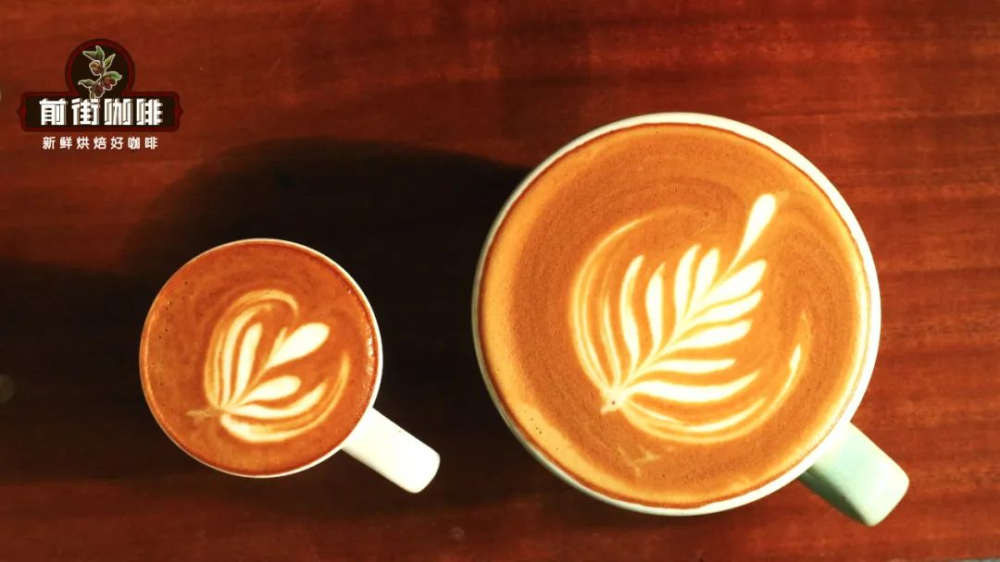
Taking the Chinese market as an example, in the early days of coffee, most cafés used dark-roasted blended beans as the espresso base. When making lattes, they had to balance the rich nutty and caramel aromas of the coffee while not overpowering the soft qualities of the milk. As a result, they often chose to increase the proportion of milk and serve it in large cups. This approach not only highlighted the layers of the coffee but also made the latte more accessible to beginners.
For instance, a certain store’s hot latte typically uses a double shot of espresso as the base, adds about 240 milliliters of steamed milk, and is served in a 10-ounce (approximately 300-milliliter) large ceramic cup. This combination not only showcases the coffee bean’s sun-like aroma but also, against the backdrop of hot milk, brings out flavors of chocolate and cookies, while providing a satisfying fullness.
Additionally, a certain shop adjusts its espresso extraction slightly based on the characteristics of the coffee beans used each day. For example, using 20 grams of coffee grounds to extract 40 grams of coffee liquid, with a time control of 28 to 30 seconds, to bring out distinct berry acidity, wine notes, and a caramel finish. Such extraction parameters are not only stable but also fully highlight the individuality of the beans.
With the diversification of the coffee market, today’s lattes can be hot or cold, sweet or savory, and can also take on vastly different forms depending on the roast level of the coffee beans, the type of milk used, and even the material and design of the cup. Some shops even offer creative flavors such as peanut latte and osmanthus latte, enriching consumer choices.
However, when using light-roast beans or beans that emphasize single-origin characteristics (such as the popular SOE, or Single Origin Espresso, in recent years), if the proportion of milk is too high, it can easily mask the delicate floral and fruity aromas of the coffee, causing the entire drink to lose its individuality. Therefore, such shops often choose to serve the latte in smaller portions and reduce the milk ratio to make the coffee’s flavors more prominent. Sometimes, such lattes may even be closer in size to a piccolo, and although they taste more concentrated, they also allow people to better appreciate the details and layers of the coffee.
The above content is compiled by CoffeeHunters, a coffee news website.


