







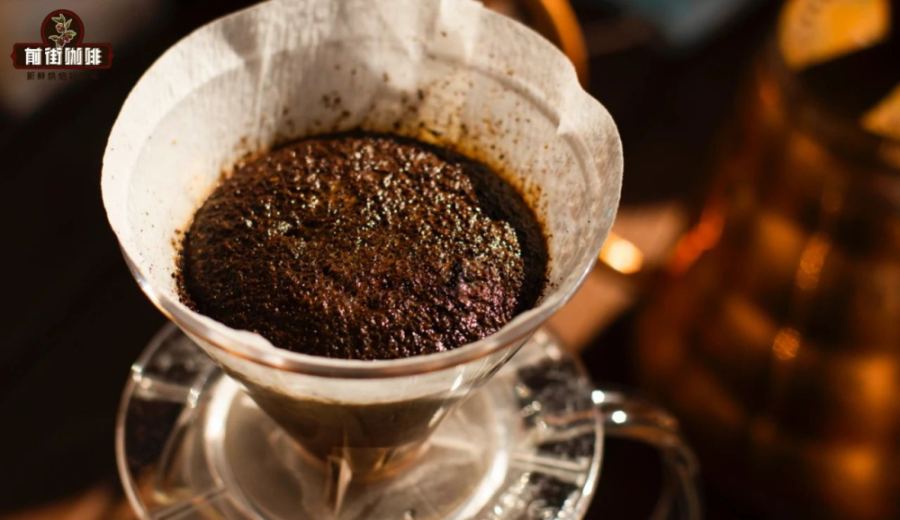
Introduction:Dark roast espresso beans are beloved for their rich and bold flavors, especially appealing to those who prefer low-acidity profiles. This article delves into the flavor characteristics and roasting traits of five popular dark roast beans, including Golden Mandheling, Classic Italian Blend, Queen Estate, Colombian Huila, and Premium Italian Blend. It also provides a comprehensive guide covering grind size settings, coffee-to-water ratio, distribution and tamping techniques, as well as extraction time and flow rate adjustments, helping you consistently brew balanced and layered dark roast espresso at home.
Dark roast coffee is cherished by many coffee enthusiasts for its bold, rich, and multi-layered profile. Through extended roasting times, the sugars in the beans undergo caramelization, releasing enticing aromas such as dark chocolate, spices, caramel, cocoa, and maple, while delivering a strong balance of bitter-sweetness and intense body. This article introduces five highly-rated dark roast beans on the market and explains how to grind and extract them correctly, allowing you to enjoy professional-grade dark roast espresso at home.
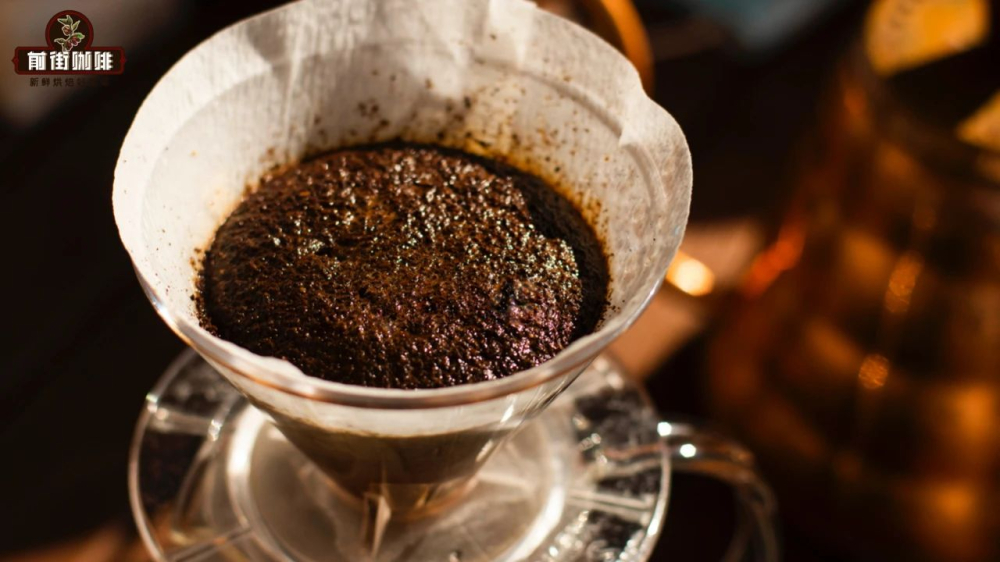
Dark roast coffee is typically dropped later in the roast cycle, resulting in a more concentrated and robust flavor profile, often accompanied by a subtle smokiness. The taste is primarily bitter-based, complemented by layers of caramel, spices, toasted bread, and dark chocolate, with a long-lasting finish and noticeable sweetness. These beans are particularly suited for consumers who dislike acidity and seek a bold flavor. The following five dark roast beans are recent bestsellers across various platforms.
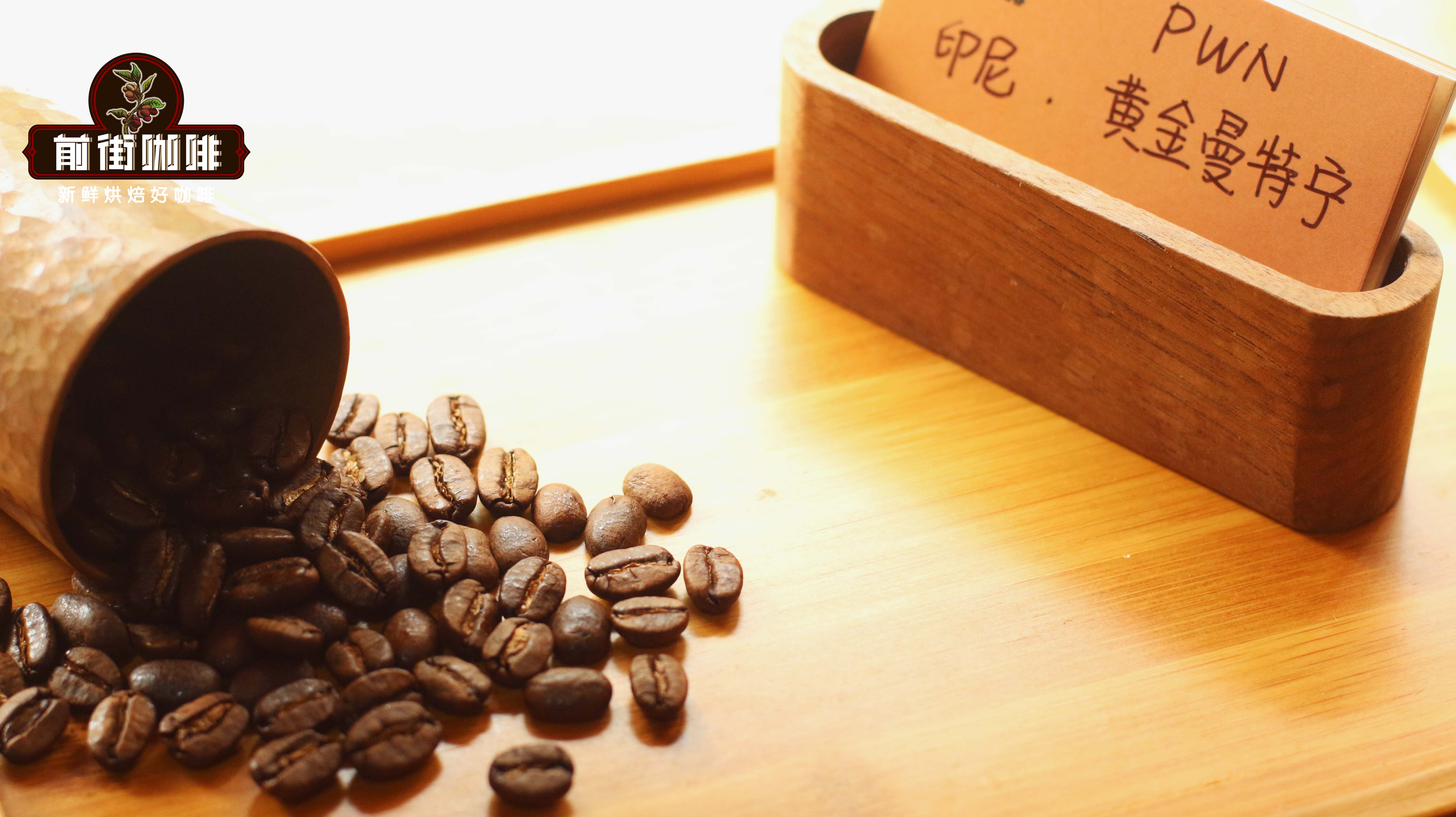
Dark Roast Bean ① . PWN Golden Mandheling
Hailing from Indonesia, Golden Mandheling is a classic representative of dark roast coffee. Its flavor profile is dominated by spicy and herbal notes, with a thick and smooth texture. Dark roasting fully highlights its unique character—switching to a light roast would significantly diminish its distinctive qualities. Additionally, this Mandheling undergoes three rounds of mechanical screening and hand-picking, virtually eliminating defective beans, resulting in a cleaner cup with a pronounced aftertaste and elevated flavor performance.
Dark Roast Bean ② Classic Italian Blend
This blend is based on the traditional "Mocha-Java" formula, with a small addition of Robusta beans, delivering prominent cocoa, biscuit, and nutty aromas while significantly enhancing the coffee’s crema. This results in a thicker body and more pronounced mouthfeel in the espresso. It’s particularly well-suited for home users making lattes, with excellent latte art performance.
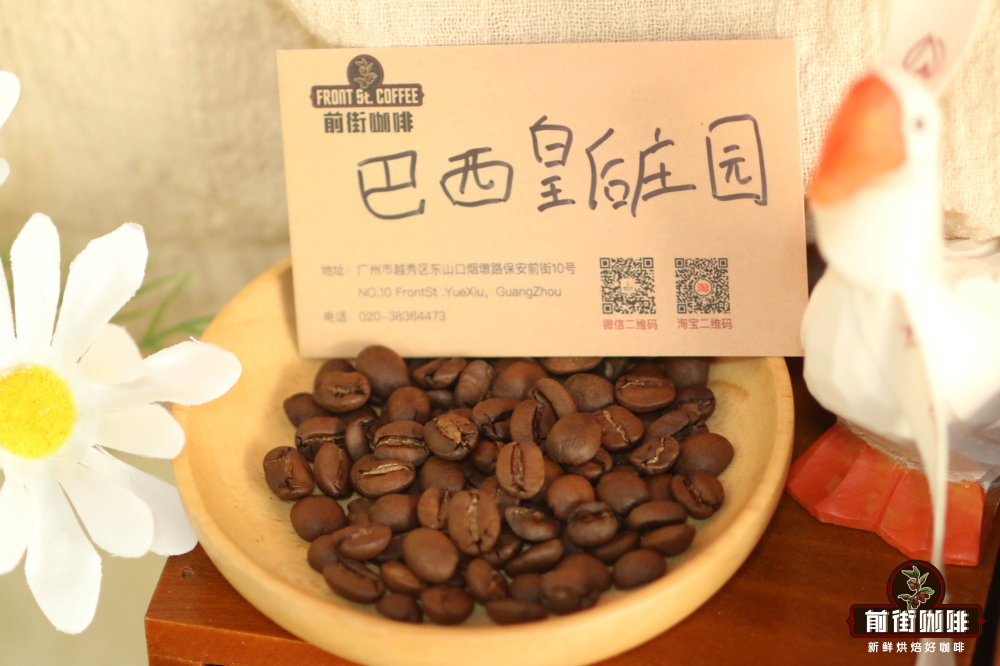
Dark Roast Bean ③ Brazil . Queen Estate
As the world’s largest coffee producer, Brazil is known for its balanced flavors of sweet, bitter, and body, with mild acidity and a smooth mouthfeel—often considered the “golden mean” of coffee. Grown at high altitudes, Queen Estate cultivates the rare Yellow Bourbon variety. When brewed, it emits aromas of creamy chocolate, dark cocoa, and almond, with a delicate and distinctive layered profile.
Dark Roast Bean ④ . Colombian Huila
Coffee from the Huila region is mostly processed using the washed method, resulting in a clean and bright flavor profile. This particular coffee is medium-dark roasted, fully bringing out sweet notes of creamy chocolate, caramel, cookies, and cocoa. It offers a balanced taste and a long-lasting finish, making it an ideal choice for those who enjoy sweet dark roasts.
Dark Roast Bean ⑤ Premium Italian Blend
Combining Brazilian nutty notes with Colombian chocolate flavors, this blend delivers a complex layered profile that single-origin beans cannot achieve. The resulting espresso showcases aromas of creamy cookies, cocoa, and roasted nuts, with a full-bodied flavor suitable for a variety of beverage applications.
So, how can you brew a balanced dark roast espresso? Below is a complete practical parameter guide, from grinding to extraction.
1. Grind Size for Espresso Beans
Due to their high roast level, dark roast beans have lower density and therefore need to be ground finer. Generally, the goal is to use 20 grams of coffee grounds to extract 40 grams of double espresso within 25 to 30 seconds. While monitoring extraction time, also pay attention to whether the flavor profile is balanced, avoiding excessive bitterness, sourness, or throat discomfort. If the taste is too burnt or bitter, try adjusting the grind size about 1–2 notches coarser; if acidity is noticeable, adjust the grind finer.
2. Distribution Step
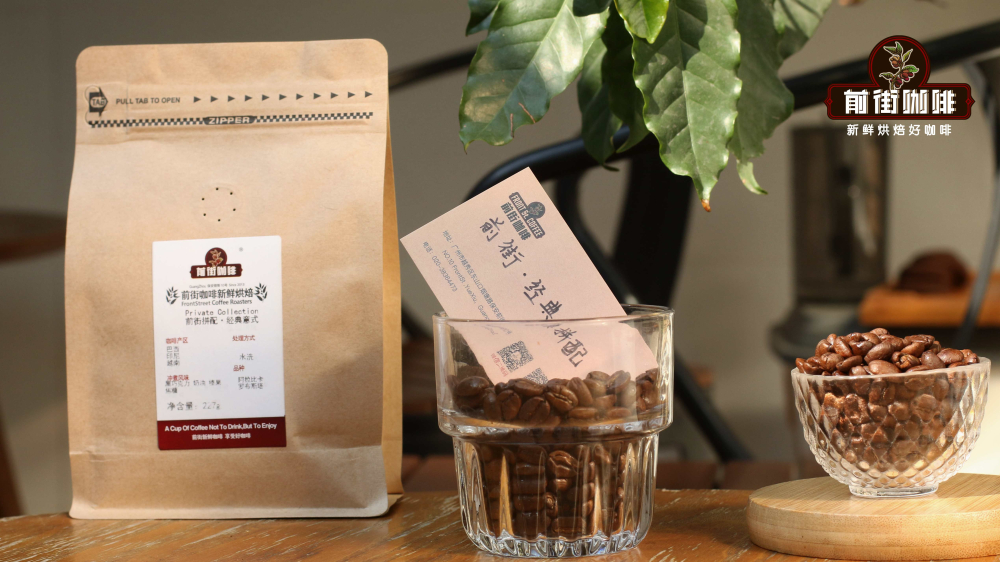
After pouring coffee grounds into the portafilter basket, it’s essential to distribute them evenly. This step helps prevent uneven layer thickness. Using a professional distribution tool is recommended to ensure consistent density across the coffee bed, thereby improving extraction stability.
3. Importance of Tamping
Many overlook tamping, but it’s crucial for extraction uniformity. Even after distribution, there are still air pockets in the coffee bed. Without proper tamping, high-pressure water can channel through loose areas, causing the so-called “channeling effect.” Ensure the puck surface is level when tamping—if one side is higher or lower, water flow will become uneven, negatively affecting the final flavor.
4. Extraction Time and Coffee-to-Water Ratio
The standard dark roast espresso extraction time is recommended to be between 25 and 30 seconds, with a common coffee-to-water ratio of 1:2—for example, 18 grams of coffee to 36 grams of espresso. Some shops adjust the ratio, such as using 20 grams of coffee to produce 36 grams of liquid, to achieve a richer base flavor, especially suitable for making Americanos or lattes.
5. Adjustments for Abnormal Flow Rate
Flow rate is a straightforward indicator of whether extraction is normal. If, at a 1:2 ratio, extraction finishes in under 20 seconds, the flow is too fast, likely leading to under-extraction—resulting in overly sour, weakly aromatic coffee. In this case, increase coffee dose by 0.3–0.5 grams or adjust the grind 1–2 notches finer. Conversely, if extraction takes over 35 seconds and the coffee tastes excessively bitter and heavy, it may be over-extracted. Consider reducing the coffee dose or adjusting the grind 1–2 notches coarser.
The above content is compiled by CoffeeHunters, a coffee news website.


