







Introduction:As a classic Italian-style coffee originating from Australia or New Zealand, Flat White boasts a richer coffee flavor and more delicate milk foam layers compared to lattes and cappuccinos. This article delves into the characteristics of Flat White, how it differs from a latte, the types of coffee beans that suit it best, and provides professional extraction and milk foam preparation parameters to help you master the essence of this globally popular coffee drink.
What is Flat White? Origins and Characteristics
Flat White, commonly translated in Chinese as “澳白咖啡” or “馥芮白,” is an Italian-style coffee beverage originating from Australia or New Zealand. Although its place of origin remains debated, its most distinctive feature is the intense coffee flavor and minimal amount of milk, placing greater emphasis on the coffee itself compared to a latte. The typical preparation uses a single or double ristretto shot as the base, paired with a small amount of thin milk foam to achieve the perfect balance between coffee and milk.

In Australia, Flat White is usually only offered in hot form because adding ice can dilute the aroma and strength of the espresso, compromising the overall flavor integrity—this is one of the key differences in serving style compared to a latte.
How is Flat White Different from a Latte? A Breakdown by Proportions and Flavor
To distinguish between Flat White and a latte, several key factors can be considered: cup size, milk foam thickness, milk ratio, and coffee flavor intensity. For a common preparation, Flat White is typically served in a ~220 ml glass with about 30 grams of espresso extracted, paired with 190 ml of milk and an extremely thin layer of foam (~0.5 mm); whereas a latte is often served in a 300 ml ceramic cup with around 40 grams of espresso, and a total of 260 ml of milk and foam, with a foam thickness of about 1 mm.

These differences result in Flat White having a more prominent coffee taste, with the milk foam lying closer to the liquid surface, creating a smooth texture; in contrast, the latte, due to its higher milk volume and thicker foam, offers a creamier mouthfeel and richer milk aroma. Many coffee enthusiasts describe the latte as “coffee-flavored milk,” while Flat White is “milk-flavored coffee,” accurately highlighting the essential flavor distinction between the two.
How to Make a Professional-Grade Flat White? Extraction and Milk Foam Parameters Revealed
To make an ideal Flat White, the key lies in controlling the espresso extraction and the frothing of the milk. It is generally recommended to use 9 bar pressure and a 94°C extraction temperature, maintaining an extraction time of 20–30 seconds, with a coffee-to-water ratio between 1:1.7 and 1:2. If using a single shot of espresso, the coffee dose is about 12 grams with an extraction yield of approximately 20 ml; if choosing a double shot (common in the New Zealand method), the dose is 20 grams with a yield of 40 ml.

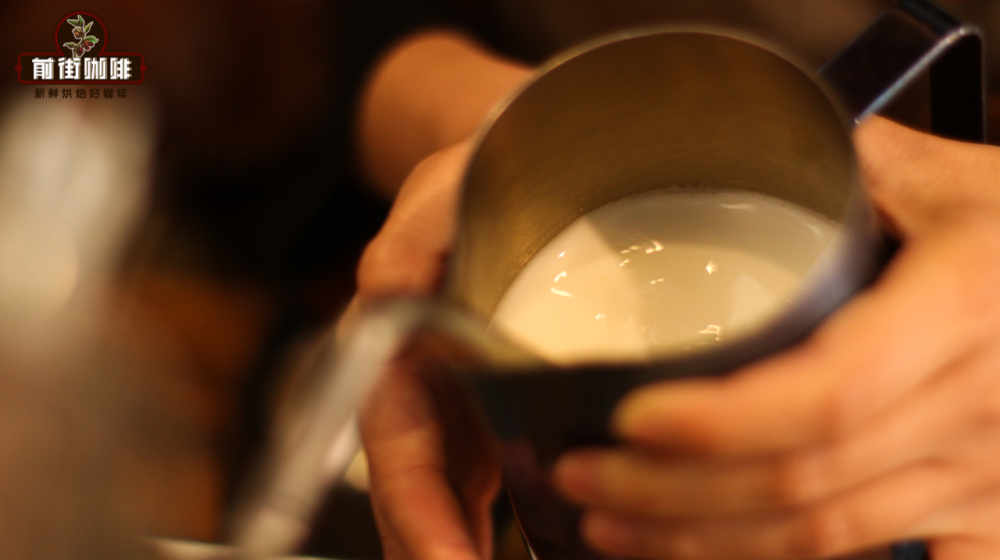
For the milk, it is recommended to use fresh whole milk, with a frothing temperature controlled between 50–60°C—too low won’t fully activate the lactose aroma, while too high may cause protein denaturation, affecting the mouthfeel. The milk foam thickness should be around 5 mm, creating a fine and silky microfoam layer that allows the coffee and milk to blend smoothly, resulting in a refreshing yet non-greasy taste.
The Standard Preparation Process and Parameters for a Latte
Compared to Flat White, a latte has a higher proportion of milk and thicker foam. Typically, it uses a double shot of espresso (40 grams extracted), paired with 260 ml of milk and foam, totaling 300 ml. The foam thickness is about 1 mm, forming a slightly raised arc that gives the latte a denser texture and rich layered milk aroma.
In terms of espresso extraction, it is also recommended to use 9 bar pressure and 94°C temperature, with a coffee-to-water ratio similar to that of Flat White. However, due to the larger volume of milk, the coffee flavor needs to be more intense to balance with the milk, making the choice of bean variety and roast level even more crucial.
Recommended Coffee Beans and Roast Levels for Making Flat White
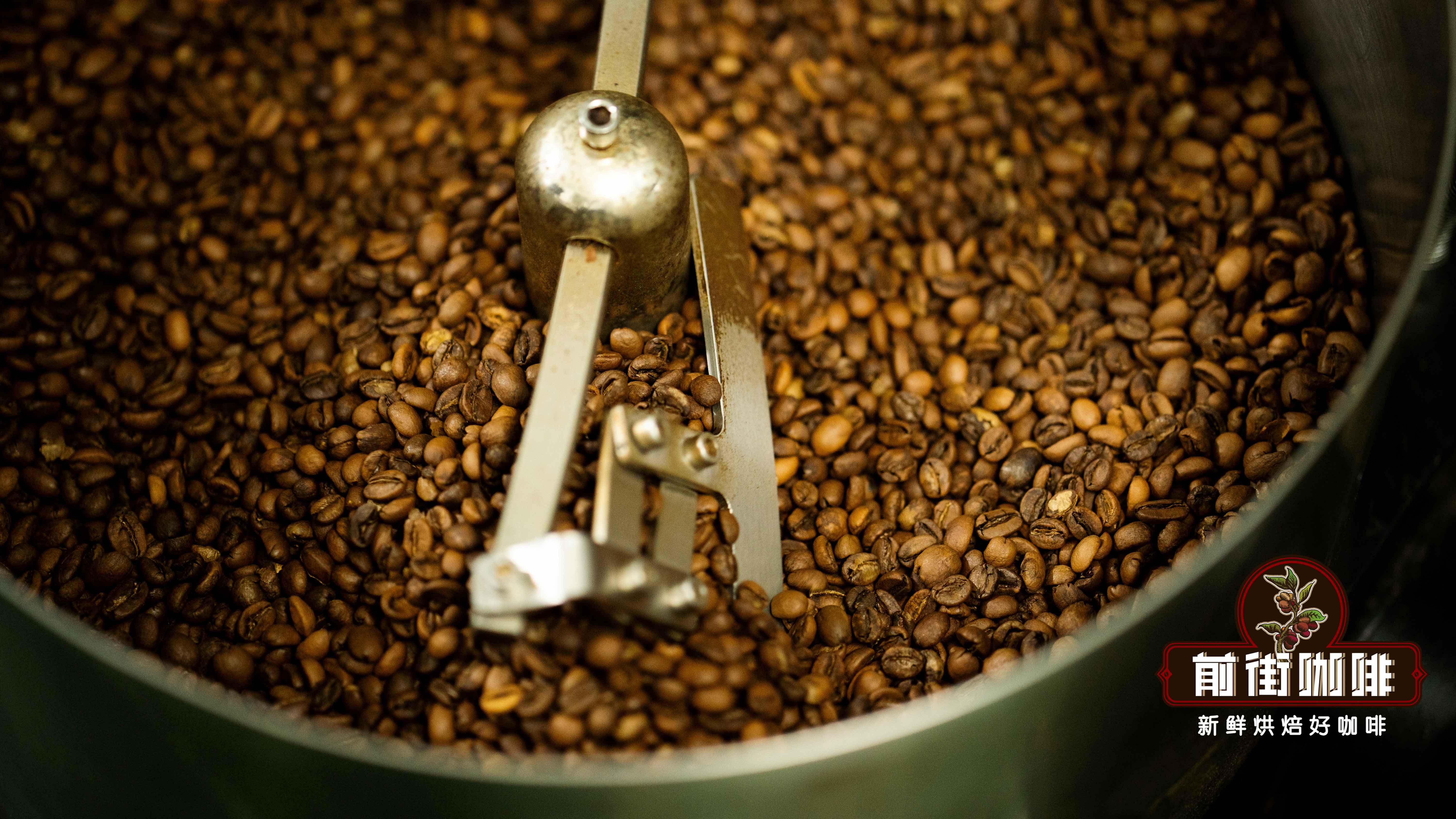
For the espresso used in Flat White, it is advisable to choose medium-dark to medium roasted blends or single-origin beans to ensure the coffee flavor is robust enough and can integrate well with the milk. Overly light roasts tend to carry high acidity and herbal notes, which may come across as sharp or unevenly extracted when brewed with an espresso machine; overly dark roasts, on the other hand, can produce burnt or carbonized flavors that mask the coffee’s subtle nuances.

Ideally, the coffee beans should have a distinct sweetness, moderate acidity, and rich caramel or chocolate notes so that, when complemented by a small amount of milk, the complex flavors of the coffee can shine through. In addition, the high-pressure extraction of an espresso machine amplifies the inherent characteristics of the beans, so it is especially important to consider flavor balance and extraction stability when selecting beans.
Extended Insight: Characteristics and Applications of Common Italian Blends
Besides single-origin beans, many coffee shops offer blends specifically crafted for espresso, combining advantages from different regions to enhance flavor complexity and stability. For example, blends combining Central and South American beans with African beans often deliver bright fruity acidity with a chocolatey finish; blends that include Robusta can boost body and crema, suiting consumers who prefer a stronger mouthfeel.

When selecting a suitable blend, adjustments can be made according to personal taste preferences—for those who enjoy fruity and acidic notes, a light-to-medium roasted blend may be preferable; for those favoring rich caramel and creamy sensations, a medium-to-dark roasted blend is recommended. Through continuous experimentation and fine-tuning, every coffee enthusiast can find the Flat White flavor combination that best suits their palate.





The above content is compiled by CoffeeHunters, a coffee news website.

