








Introduction:Flat White and Flat White (Starbucks-style) are often mistaken for different drinks, but in fact, both belong to the Australian-style Flat White. This article delves into the recipe ratios, flavor profiles, and preparation differences of these two classic espresso-based milk coffees, and introduces the key parameters for extracting high-quality espresso. It also provides practical steps for making it at home, so you can recreate a Starbucks-level Flat White flavor in your own kitchen.
When it comes to Luckin’s Flat White and Starbucks’ Flat White (Starbucks-style), many people think they are two completely different coffees. In reality, both are derived from the Australian Flat White, consisting of espresso and milk, commonly found in cafes and often simply referred to as "Flat White."
However, compared to a latte or Dirty, the Flat White has distinct differences in ratio and preparation technique. A latte typically consists of one-third espresso and two-thirds milk, topped with about 1 cm of fine microfoam. Its overall flavor is milk-forward, with a smooth and mellow mouthfeel.

In contrast, the Flat White has a higher coffee-to-milk ratio, usually made with two-thirds espresso and one-third milk, along with about 0.5 cm of thin microfoam. Some shops also use a more concentrated Ristretto (short shot) mixed with milk in a 1:1 ratio, then topped with a thin layer of foam. This combination makes the Flat White’s flavor more intense, with a more prominent coffee aroma, a smooth yet layered mouthfeel.

The Dirty, on the other hand, is an entirely different presentation. It involves pouring two-thirds of cold milk directly over one-third of hot espresso, maintaining the drink in a cold state without stirring. This allows the first sip to reveal a gradient transition where the espresso and cold milk blend—starting with the bold intensity of the espresso and gradually shifting to the sweetness of the milk.

When making these espresso-based milk coffees, selecting the right coffee beans is crucial. Most professional shops use blended beans to extract the espresso base. This approach leverages the complementary characteristics of beans from different regions to stabilize the flavor profile under fine grinding and high-pressure extraction, while avoiding issues such as overly sharp acidity or uneven extraction that can arise from single-origin beans.
Blended beans not only help maintain consistent quality across each cup but are also more cost-effective compared to single-origin beans, making them ideal for various types of coffee shops aiming to balance budget control and flavor needs. Below are several commonly used medium-to-dark roasted blends suitable for different scenarios.
First is a blend combining 30% Ethiopian natural red cherry and 70% Honduran sherry cask-aged beans. The former brings out distinct wine-like notes, vanilla creaminess, and sweet-tart berry flavors, complemented by a finish of roasted nuts—suitable for home use or small coffee shops.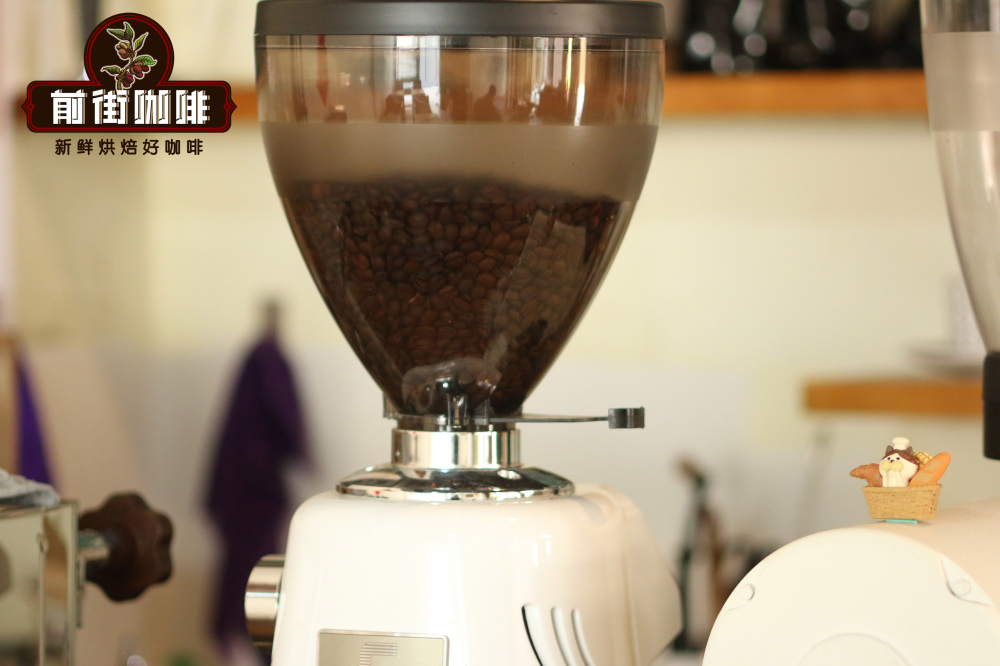 "alt="Blended beans illustration">; Another blend uses 30% Colombian washed beans and 70% Brazilian semi-washed beans as the base, showcasing a balanced flavor profile of nuts, dark chocolate, and caramel—perfect for everyday enjoyment.
For commercial use, it is recommended to choose a blend that includes Bourbón, Colombian, and Brazilian beans, with Brazilian semi-washed beans making up 60% of the mix. This combination delivers a rich cocoa and nutty character, offering great cost-performance and stability. There is also a blend of Yunnan small-seed variety and Brazilian beans, with a softer profile featuring natural fruit acidity and caramel notes—ideal to pair with bread or desserts.


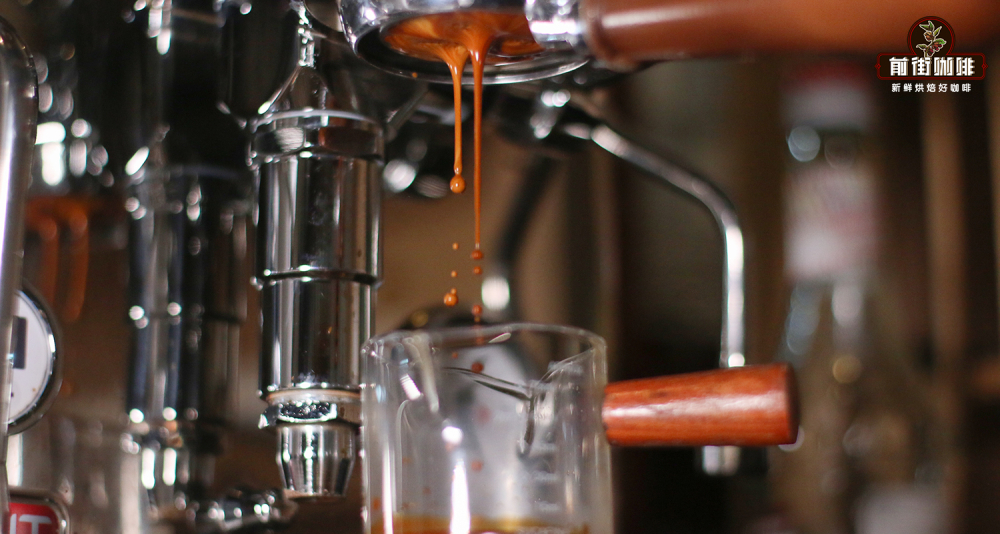
So, how do you extract the perfect espresso for a Flat White? Currently, there are two mainstream methods: using a double espresso or a double Ristretto. Both are made by tamping finely ground coffee and extracting under high pressure, but Ristretto uses a lower coffee-to-water ratio—typically around 1:1.6, compared to the standard double espresso ratio of 1:2 (e.g., 20g of coffee grounds yielding 40g of espresso in about 25–30 seconds).
It’s important to note that the “strength” of a Ristretto does not mean a more intense flavor, but rather that the various taste elements (including acidity, sweetness, and bitterness) are more concentrated. If the parameters are not adjusted properly, it can easily result in overly sour or burnt-bitter flavors. Therefore, it’s advisable to fine-tune the coffee dosage and extraction time according to the bean characteristics.
When actually making a Flat White, you can use a 200 ml cup, add about 35g of double Ristretto, then slowly pour hot milk with thin microfoam from the center. This allows the milk and espresso to blend in the cup, creating a unique layered effect. The first sip reveals the fermented wine-like aroma of the espresso, followed by a strawberry milkshake-like flavor from the espresso-milk combination, and finally a subtle finish of lightly roasted nuts—delivering an overall balanced and delicate profile.

The above content is compiled by CoffeeHunters, a coffee news website.

