







Introduction:Explore the historical evolution and processing techniques of Indonesian Sumatran coffee, from Dutch colonial-era Java plantations to Sumatra becoming the primary producing region after coffee leaf rust. This article delves into how the wet-hulling process contributes to Mandheling’s unique flavor profile, and provides a detailed look at the stringent triple hand-selection and high-quality standards of PWN's Golden Mandheling G1 washed beans, helping you understand the characteristics and distinctions of this classic coffee.
Mandheling coffee is one of the most representative Arabica varieties from Sumatra, known for its rich, full-bodied taste paired with distinctive herbal and earthy aromas. The formation of these flavors is inseparable from its historical background and unique processing methods. From the Dutch introducing coffee to Java Island, to the subsequent shift of production regions northward due to coffee leaf rust, today’s Sumatran coffee industry has flourished.
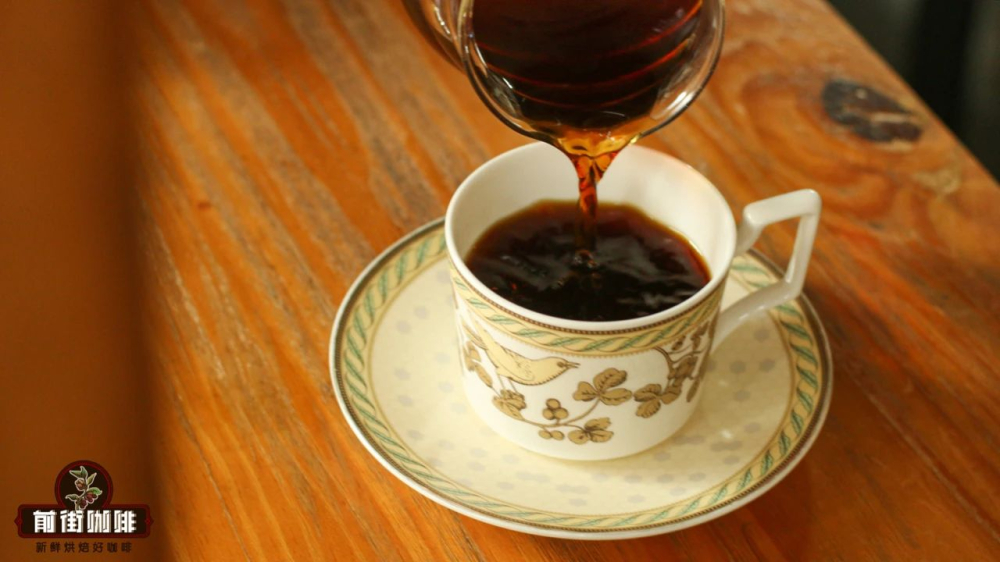
Coffee originally comes from Ethiopia in Africa, gradually spreading to the Arab world by the late 15th century, and becoming popular in Europe during the 17th century. To control the coffee trade, European colonial powers transplanted coffee trees to their colonies, with the Dutch bringing coffee seedlings to Java Island in Indonesia by the late 17th century. Thanks to the region’s favorable climate and fertile soil, Java quickly became an important coffee-producing area, with the term "JAVA" even briefly becoming synonymous with coffee.
However, in the early 20th century, coffee leaf rust broke out on a large scale in Java, leading to the death of many coffee trees and causing the coffee industry to shift its center northward to Sumatra Island. Today, Sumatra has developed into Indonesia’s largest producer of both Arabica and Robusta, accounting for over 60% of the nation’s total production, with Aceh and theLintong region in North Sumatra being the main Arabica-growing areas.
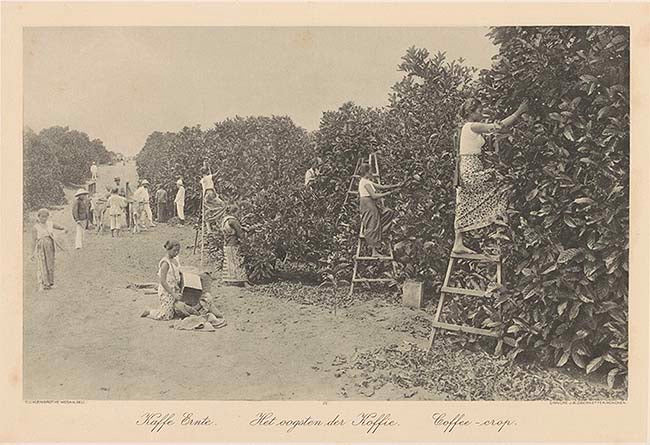
The Aceh region of Sumatra is located in the Gayo Mountains, near Lake Tawar, surrounded by rich vegetation, and has gradually gained attention among coffee enthusiasts in recent years. Its Mandheling coffee is known for its delicate aroma and bright taste. Traditional Mandheling, on the other hand, mainly comes from the Lintong area near Lake Toba in North Sumatra’sDairi Regency. This region not only has moderate altitude but also, through its unique “wet-hulling process” and local microbial influence, produces a classic Mandheling with intense flavors, full body, and distinctive earthy and spicy notes.
Indonesia’s long rainy season and overlapping coffee fruit ripening periods make traditional sun drying difficult, leading to the development of the unique wet-hulling process. This method typically involves initial washing and partial drying after removing the coffee cherry’s skin and pulp. When the beans reach a semi-dry state, the parchment layer is mechanically removed, exposing the green beans directly to air to accelerate drying. This process not only shortens drying time but also gives the beans a heavier body and unique herbal, earthy, and spicy aromas.
To experience this unique flavor, try the traditional Mandheling from the Lintong region. It features a strong taste with balanced bitterness and sweetness, and under medium-to-dark roasting, presents low acidity, spicy and minty notes, along with a lasting, rich sweetness. These flavor characteristics are also why many seasoned coffee enthusiasts are drawn to Mandheling.
Among the various Mandheling coffees, “Golden Mandheling” stands out due to its extremely high quality standards. Particularly, the Golden Mandheling G1 washed beans produced by Indonesia’s PWN company have an exceptionally rigorous selection and processing procedure. First, only coffee beans sized 18 mesh or larger are selected, and each 300g sample of green beans must contain no more than three defective beans to qualify for the G1 top grade. Furthermore, these beans undergo three rounds of manual hand-selection to thoroughly remove minor defects, significantly improving cleanliness and sweetness.
Thanks to this rigorous screening and processing procedure, PWN Golden Mandheling not only offers clearer flavors and pronounced sweetness, but is also produced in limited quantities with scarce market supply and relatively higher prices. For coffee enthusiasts seeking a high-quality pour over experience or a deeper understanding of Sumatra’s coffee terroir, this bean is undoubtedly a classic worthy of in-depth appreciation.
The above content is compiled by CoffeeHunters, a coffee news website.


