







Introduction:Sumatra's Golden Mandheling is renowned for its rich, bold flavor profile interwoven with spices and herbal notes, but how much do you know about the growing regions behind it, the wet-hulling processing method, or the rigorous grading system? This article delves into how the volcanic soil and climate of Indonesia’s Sumatra Lintong highlands shape the character of this coffee. From G1 grade standards and the selection process by PWN Company to the key steps of the wet-hulling method, we’ll give you a comprehensive understanding of the characteristics and appreciation points of this classic bean, along with tips on identifying market imitations.
When it comes to Indonesian Sumatran coffee, most people first think of its intense, slightly bitter taste paired with spicy and herbal aromas. These flavors stem from Sumatra’s unique tropical rainforest climate and fertile volcanic soil, and among them, Golden Mandheling stands out as a top example. This article will break down the sources of this classic coffee’s charm step by step—from regional geography, varietal traits, and grading systems to the most representative wet-hulling process. We’ll also take an in-depth look at how PWN Company produces high-quality G1 grade green beans with clean taste and pronounced sweetness through strict density sorting and multiple rounds of manual screening, while also teaching you how to spot common counterfeits on the market.
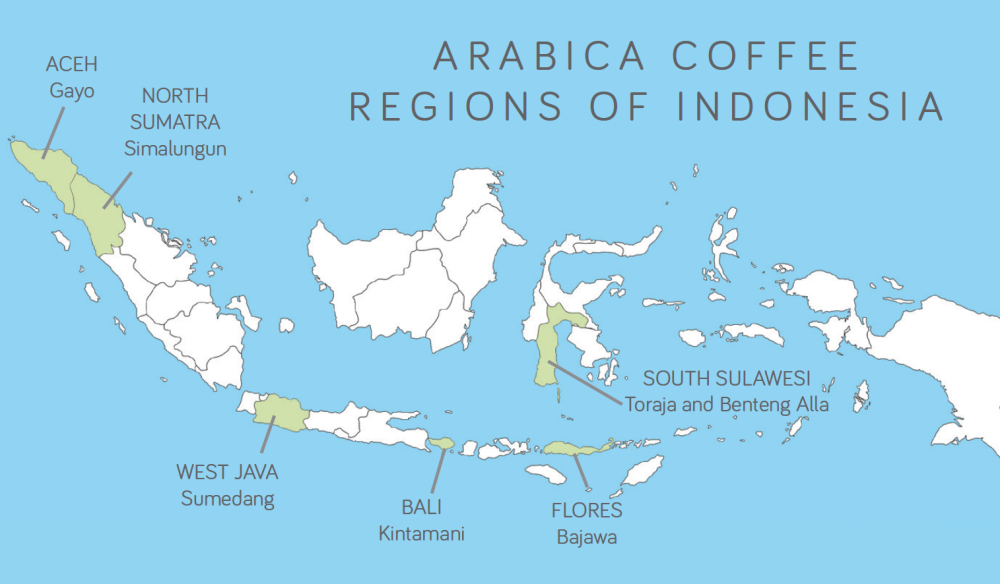
Sumatran coffee is typically roasted darker, showcasing prominent spice and herbal tones, with a bold, bitter entrance. While this style may not suit everyone, it has a loyal fan base. To understand the unique character of Mandheling, we must start with its growing environment. The Mandheling commonly referred to in the market mainly comes from the mountainous areas around Lake Toba in northern Sumatra, especially the Gayo Mountains in Aceh Province. This area features a tropical rainforest climate that is hot and humid year-round. Coffee trees are mostly grown in forested hills at elevations of around 600 to 1,200 meters, considered mid-to-low altitude.
Compared to high-altitude regions, coffee cherries at mid-to-low altitudes ripen more quickly, resulting in less developed acidity and more pronounced herbal and spicy aromas. Especially in the Lintong highlands, not only are larger and harder coffee beans produced here, but due to terrain and climatic factors, the rate of defective green beans is also relatively high—therefore requiring stricter selection during roasting and processing. However, it is precisely because of these conditions that Mandheling from the Lintong highlands boasts a rich and full-bodied taste, making it one of the representatives of Sumatran coffee.
Indonesia has a strict grading system for green coffee beans, primarily based on the number of defective beans and bean size. The highest grade is G1, which allows no more than three defective beans per 300 grams of sample, and the beans must be 18 mesh size or larger. The widely praised Golden Mandheling comes from this top grade. The Japanese market has particularly high demand for Mandheling, so local green bean merchants, in cooperation with Indonesian suppliers, have set additional selection criteria requiring the beans to undergo density sorting and up to four rounds of manual screening. This ensures each bean is consistent in color, shape, and size, further enhancing taste purity and flavor consistency.
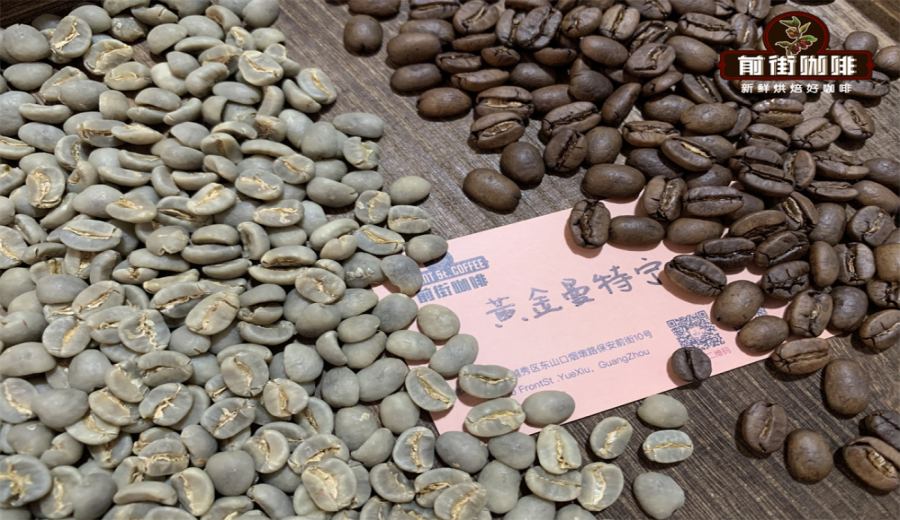
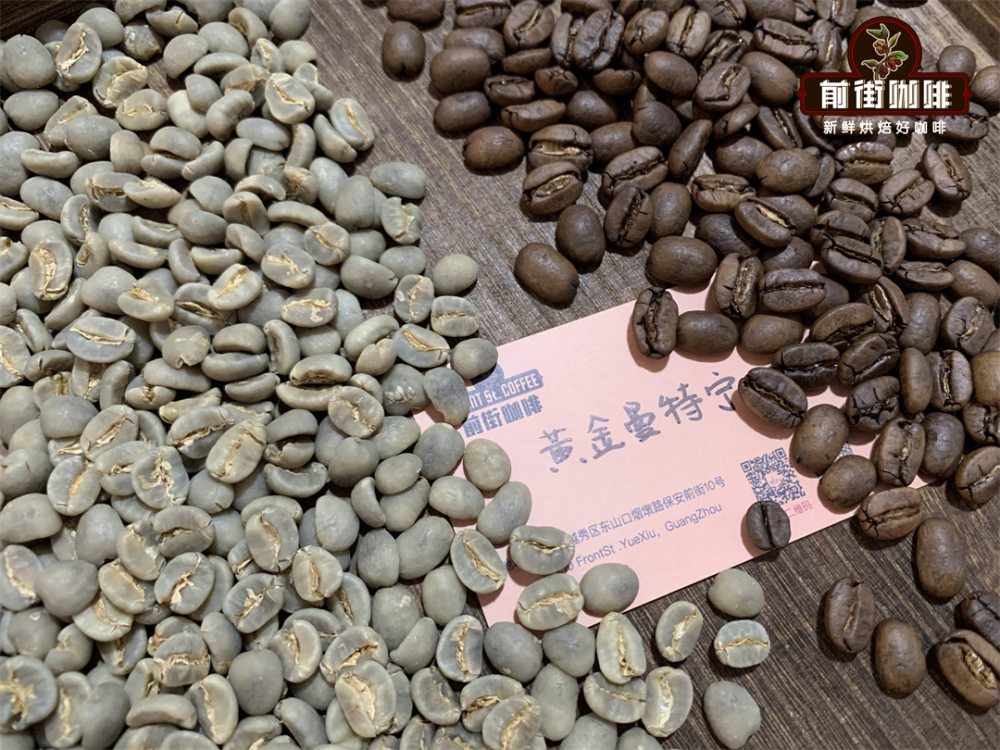
The term “Golden Mandheling” is actually a trademark registered by Indonesia’s PWN Company. In other words, only Mandheling produced by PWN that meets specific standards can be called true Golden Mandheling. Years ago, PWN identified the market potential of high-quality Mandheling, registered and protected this name, and has since almost monopolized the supply of the highest-quality Mandheling batches in Sumatra. Building upon the G1 grade, they further refine the selection by hand, removing defective beans, ultimately producing a limited quantity of Golden Mandheling with relatively stable and outstanding quality.
However, imitation “Golden Mandheling” products are common on the market. Genuine Golden Mandheling green beans from PWN usually come with an official certification and feature a clear PWN company logo printed on the burlap sack—key indicators for authenticity. PWN’s selection process is extremely strict. Beyond the basic G1 grade requirements, they conduct multiple rounds of manual screening to significantly improve bean uniformity and purity, while reducing earthy off-flavors and enhancing sweetness and overall flavor clarity. Additionally, they use machines for density sorting and color grading to ensure each batch of Golden Mandheling consists of large, uniform beans with bright luster.
Taking the common PWN Golden Mandheling as an example, it is grown in Sumatra, Indonesia, graded G1, and hand-selected three times. The beans are cultivated at altitudes of approximately 1,100 to 1,600 meters, and the variety is mostly Ateng. The processing method employs Sumatra’s most iconic wet-hulling technique, which preserves the layered flavors of the coffee while giving the beans a fuller body and distinctive spice tones. In terms of flavor profile, Golden Mandheling is often described as having notes of nuts, spices, herbs, and caramel—traits that make it a top choice for many coffee enthusiasts trying Sumatran coffee for the first time.
The above content is compiled by CoffeeHunters, a coffee news website.


