








Introduction:As an important coffee-producing region in China, Yunnan has gradually entered the global specialty coffee conversation in recent years. However, many consumers still have questions about its flavor profile, suitable brewing methods, and how to choose the right beans. This article delves into the geographical conditions of Yunnan’s major producing areas, the flavor characteristics of classic processing methods, and offers practical bean variety recommendations and parameter references based on different needs such as pour over, espresso, and everyday brewing — helping you find the one that suits you best.
As a key domestic coffee-growing region in China, Yunnan has garnered increasing attention from coffee enthusiasts in recent years. Nevertheless, many still wonder: can Yunnan-grown coffee beans be classified as specialty? What unique flavors do they possess? And where should beginners start when selecting their first cup? This article will detail Yunnan coffee’s growing environment, common flavor profiles, and recommend practical bean options tailored to various brewing methods, guiding you from regional background to real-world application in fully appreciating the charm of Yunnan coffee.
Yunnan is located within the latitude range suitable for growing Arabica coffee, but most areas sit at an altitude of only around 1,000 meters — just at the minimum threshold for specialty-grade Arabica. The regions truly suitable for cultivating high-quality coffee are mainly concentrated in the south, such as Baoshan, Lincang, Simao, and Dehong. These areas generally feature higher altitudes and relatively ideal climate conditions.
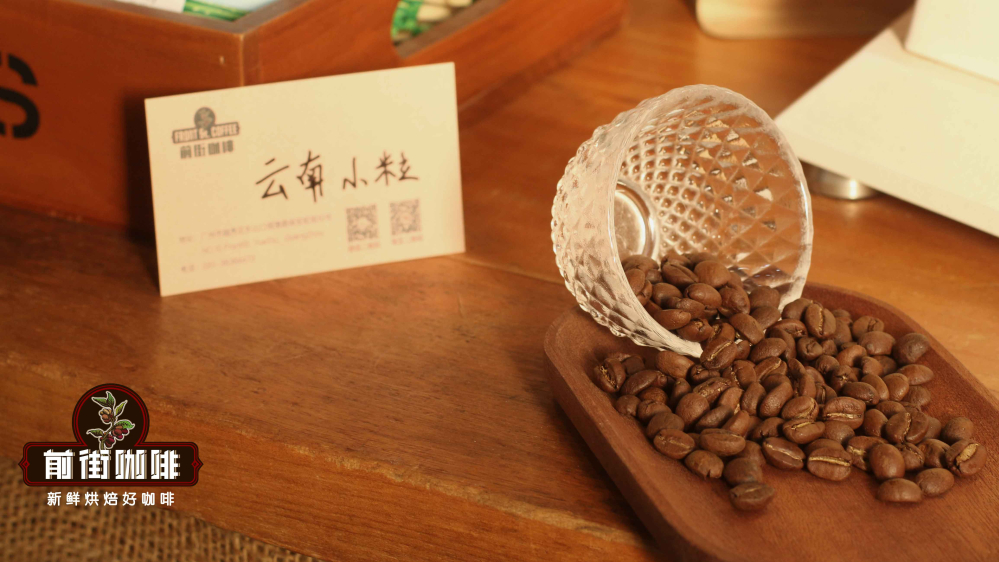
With the rise of specialty coffee culture, Yunnan coffee has gradually become a focal point in the market. However, unlike other well-known producing regions, Yunnan coffee is more often marketed by its "processing method" rather than its variety or origin. This is closely tied to the historical development of China’s domestic coffee industry. As early as the 1980s, driven by international coffee brands like Nestlé, Yunnan began large-scale cultivation of the Catimor variety — known for its disease resistance and stable yield — primarily to supply the instant coffee market. As a result, when the concept of specialty coffee gradually gained traction, Yunnan’s production was still largely farmer-driven, emphasizing quantity over single-origin quality. This contributed to Yunnan coffee having a relatively vague positioning in the early days of the specialty market.
Currently, the mainstream processing methods for Yunnan coffee remain traditional washed and natural sun-dried processes. With these two methods, Yunnan coffee typically exhibits a soft mouthfeel, bright acidity, and layered complexity. Common flavor notes include the fresh aroma of Asian herbs, vibrant fruit acidity, a rich mid-palate, and a finish often marked by black chocolate, honey, and cane sugar sweetness. When the coffee cools completely, a subtle brown sugar note may even emerge, adding further depth to the flavor profile.
Faced with the wide array of Yunnan coffee products on the market, many consumers often feel unsure when making a selection. In fact, choosing based on your preferred brewing method can make it much easier to find a bean that suits your taste.
If you love pour over, cold brew, or prefer the convenience of drip bags,a natural sundried Typica coffee bean grown at around 1,300 meters in Lincang, Yunnan, China,is recommended. This bean is a relatively rare Typica variety processed using the natural method. Its flavor profile is clear, featuring a sweet-tart note reminiscent of dried apricots, prominent nutty aromas, paired with a gentle brown sugar sweetness, and a finish that carries a hint of tea-like subtlety. It showcases the unique terroir of Yunnan perfectly. This bean is ideal for coffee lovers who wish to experience the combination of the traditional Typica variety with Yunnan’s regional character. Image shows scenery of the Yunnan producing region
For daily use with drip coffee machines, moka pots, or for beginners just starting with pour over,a medium-roast coffee bean from Baoshan, Yunnan, grown at around 1,200 meters, using the Catimor variety and washed processing,is a more approachable and easy-to-start option. Its flavors are dominated by nuts, herbs, chocolate, and caramel, with a finish that carries a mild fruity acidity. The overall taste is mild and stable, perfect for everyday enjoyment.
If you mainly use a moka pot or espresso machine and want to brew a strong espresso,a medium-dark roasted espresso blend combining Brazil Cerrado’s Red Bourbon and Yunnan AA’s Catimor,is a great choice. This blend delivers intense chocolate, roasted nut, and buttery aromas, coupled with moderate body and a rich mouthfeel. Not only is it cost-effective, but its flavor performance is also quite consistent, making it ideal for coffee drinkers who seek boldness without sacrificing balance.
In summary, although Yunnan coffee started later, it demonstrates remarkable potential in terms of regional conditions, processing techniques, and flavor expression. Whether you’re a beginner or an experienced coffee enthusiast, as long as you understand the characteristics of each producing area and processing method, and choose according to your own brewing habits, you’ll be able to discover your own Yunnan coffee story.
The above content is compiled by CoffeeHunters, a coffee news website.


