








Introduction:Want to know how to make a Flat White (also known as Flat White or Aussie Flat White)? This guide dives deep into the origins of the Flat White, how it differs from a latte and a cappuccino, and explains key extraction parameters such as the espresso base, milk foam thickness, and milk ratio. Whether you're new to coffee or looking to refine your latte art and brewing skills, you’ll find professional-level tips for making the perfect Flat White here.
Flat White (also known as Aussie Flat White or Flat White)is a classic milk coffee originating from Melbourne, Australia. It first appeared in the 1980s when Italian-style espresso was introduced to Australia. To cater to local preferences for coffee flavor, this beverage gradually evolved—with an extremely thin layer of milk foam and a more prominent coffee taste. Visually,its milk foam is almost level with the rim of the cup, which is where the “Flat” in “Flat White” comes from.
Compared to a latte and a cappuccino, the structure of a Flat White is more refined.A latte has thicker milk foam and a milder taste; a cappuccino features a rich and fluffy layer of foam; whereas a Flat White emphasizes the intense aroma of the coffee itself, paired with silky-smooth, ultra-thin milk foam that allows the flavors of the coffee liquid to come through more directly on the palate.

There has long been a debate between Australia and New Zealand over who invented the Flat White, with baristas in both countries having their own unique recipes and brewing philosophies. Regardless of its origin, the creation of this coffee reflects a pursuit of higher-quality milk coffee. Before the 1970s, Australian cafes mostly served coffee made with French press or pour over; it wasn’t until the introduction of the espresso machine that milk coffee culture began to flourish, eventually evolving into what we now know as the Flat White.

In the 1980s, the Flat White officially became a staple on the menus of Australian cafes and later spread to Europe and the Americas. In 2015, Starbucks introduced it to the Chinese-speaking market under the name “馥芮白” (Fùruìbái), further popularizing this coffee drink. The charm of the Flat White lies in its balance between bold coffee and smooth milk, making it ideal for those who enjoy appreciating the finer details of coffee.

So, how do you make an authentic Flat White? The key lies inmilk foam thickness, the espresso base, and the milk ratio—three core elements. First, in terms of milk foam, the Flat White emphasizes an “ultra-thin” layer of foam, typically only about 0.5 cm thick. Some baristas, in order to preserve more of the coffee’s crema, choose not to froth additional milk foam at all, instead pouring heated milk directly over the espresso.

As for the espresso base, a Flat White usually usesRistretto (瑞斯翠朵),rather than the more common Espresso. A Ristretto is created by “restricting the water volume used for extraction,” extracting only the first and middle portions of the shot. Typically using the same amount of coffee grounds (e.g., 20 grams), but only yielding 28–30 grams of coffee liquid, it avoids releasing the coarser, larger molecules from the later stages of extraction. This results in a brighter flavor, clearer acidity, and a richer roast aroma with sweet caramel notes.
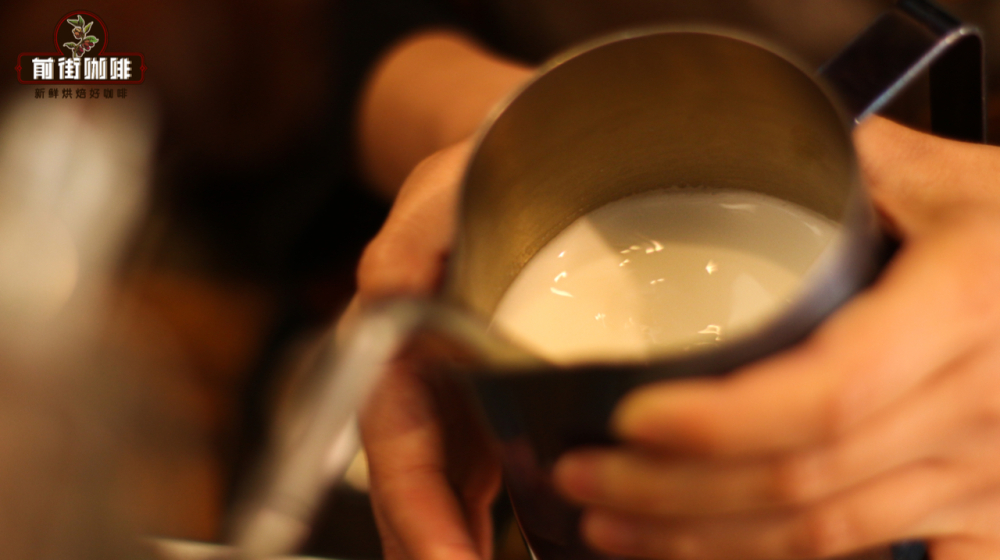
In terms of milk ratio, a Flat White uses relatively less milk to maintain the dominance of the coffee flavor. For example, if using a cup of about 200 ml, adding two Ristrettos (about 30 grams of coffee liquid), you would pair it with around 170 grams of hot milk. This achieves the ideal balance between coffee and milk—showcasing the depth of the coffee while still delivering the smoothness and warmth of the milk.

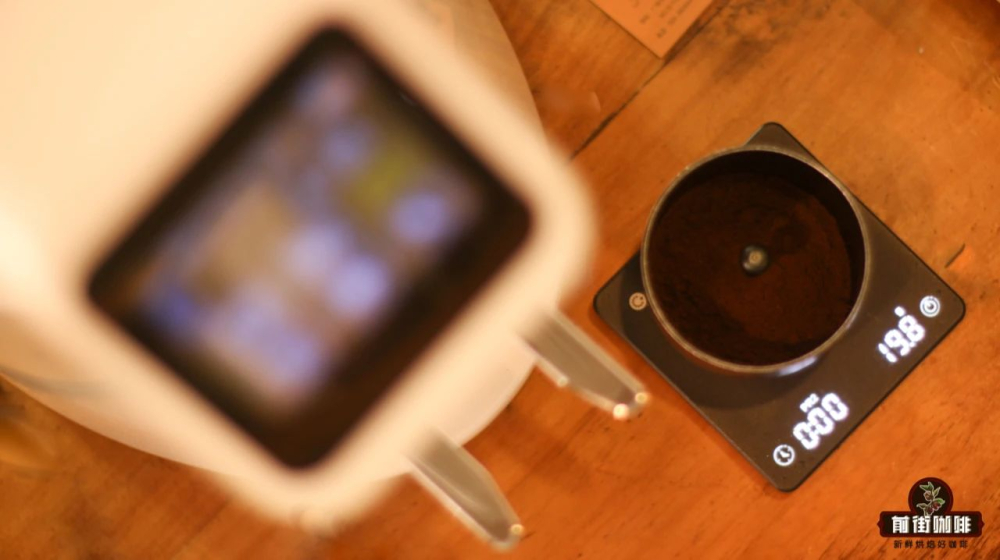
The steps to make a Flat White aren’t complicated, but they require precision and attention to detail. First, fill 20 grams of ground coffee into the portafilter basket, gently level it, then distribute it evenly using a distributor, and tamp it down firmly with a tamper to form a compact coffee puck. Next, perform a pre-rinse (to preheat the group head and remove any residual coffee grounds), then begin the extraction. When 28–30 grams of coffee liquid have been extracted within 27–28 seconds, you’ve successfully made two Ristrettos.

At the same time, pour 170 ml of fresh milk into the milk pitcher and steam it to create about 5 mm of fine, velvety microfoam. Then, pour the pre-extracted Ristretto into a preheated cup, followed by slowly introducing the milk. Using gentle shaking and circular pouring techniques, blend the milk and espresso evenly to produce a Flat White with an ultra-thin layer of foam, prominent coffee aroma, and a smooth, luxurious mouthfeel.
In summary, the Flat White is a coffee beverage that emphasizes detail and balance. Whether it's the thickness of the milk foam, the choice of espresso base, or the control of the milk ratio, each factor directly influences the final flavor profile.Mastering these parameters not only highlights the layered complexity of the coffee itself but also ensures that every sip is rich in nuance and satisfaction.


The above content is compiled by CoffeeHunters, a coffee news website.


