







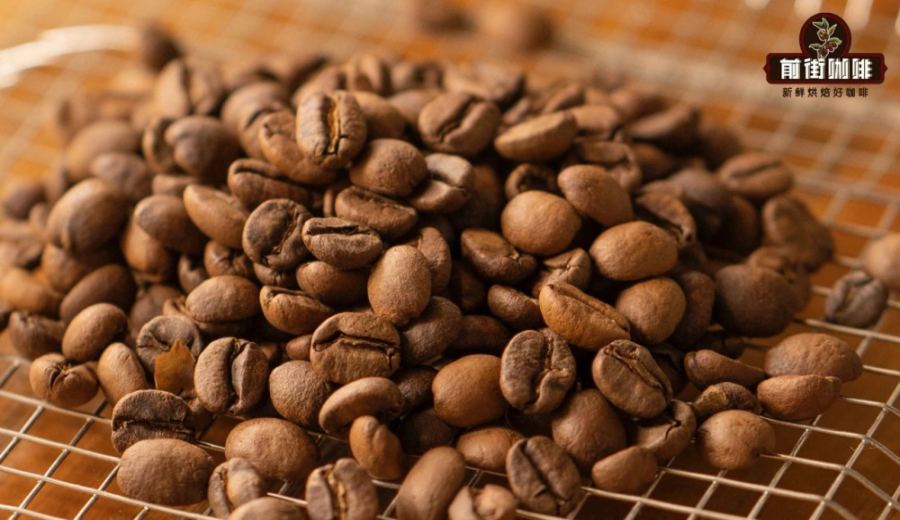
Introduction:Purchasing Starbucks coffee beans to brew at home but unsure how to set your grinder’s grind size? Grind size is a key factor that influences the flavor extraction and overall success of your coffee. This article uses everyday materials—such as fine sugar, coarse sugar, sea salt, table salt, and flour—to intuitively explain which grind settings are suitable for pour over, French press, moka pot, and espresso machines. It also analyzes the different needs of light to medium roasts versus dark roasts, helping you easily adjust to achieve the optimal extraction.
Holding Starbucks coffee beans in your hand and standing in front of your grinder, yet hesitating about which grind setting to choose? In fact, grind size has a huge impact on coffee extraction. Get it right, and you’ll enjoy a coffee with distinct flavor layers; get it wrong, and you might end up with bitterness or something as weak as water. How do you adjust the grind size appropriately for different brewing methods—such as pour over, French press, moka pot, or even espresso machines? Below, we’ll use familiar materials from daily life as analogies to help you master grind settings from fine to coarse and provide practical suggestions tailored to different roast levels.
Many people, when using a grinder for the first time, feel at a loss when they see the numbers or markings on the dial, worried about grinding too coarse and under-extracting or grinding too fine and over-extracting. In reality, as long as you grasp a few basic principles and understand the required coffee particle sizes for different brewing tools, you can significantly improve your chances of success. Next, we’ll use familiar materials like fine sugar, coarse sugar, sea salt, table salt, and flour to correspond to various grind sizes, making it easy for you to understand at a glance.
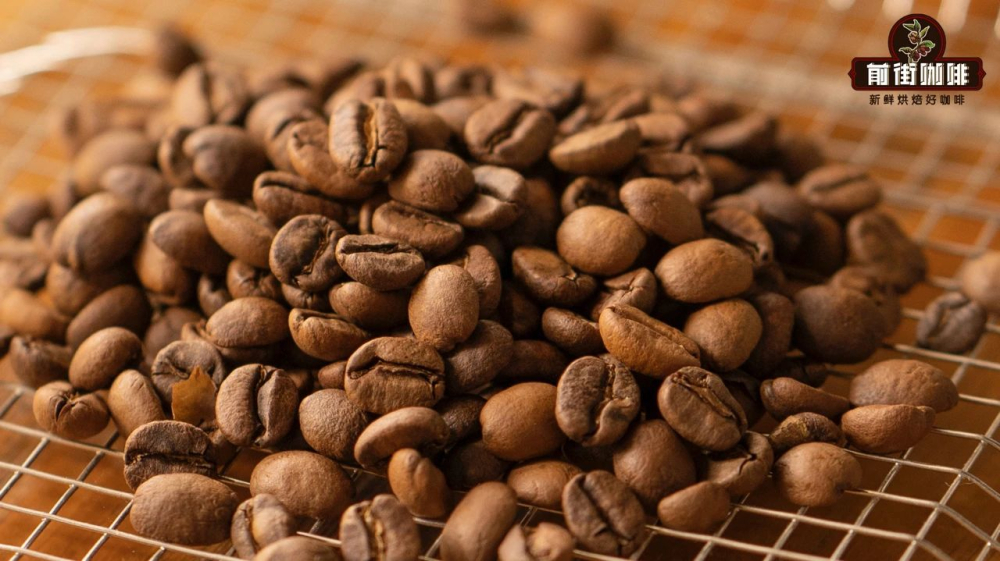
First, the most commonly used analogy is “fine sugar” grind, referring to particles that are fine but still have a noticeable sandy texture. This grind size is generally suitable for light to medium roast coffee beans, especially for pour over brewing. Because light roast beans are denser and don’t easily release their flavors, a finer grind increases the contact area with hot water, accelerating extraction speed while extracting more aromatic compounds and acidity. However, pay attention to water temperature and brewing time to avoid overly sharp bitterness due to over-extraction.
In contrast, “coarse sugar,” which is similar to the granularity of regular white sugar, has more distinct and slightly larger particles than fine sugar. This grind size suits medium to dark or dark roast coffee beans, especially since medium to dark roasts are less dense and release flavors more easily. Grinding too fine can lead to over-extraction, resulting in unpleasant burnt or smoky notes. Therefore, choosing a slightly coarser grind helps maintain stable extraction performance and is suitable for pour over or drip brewing methods. A coarse sugar-level grind is also a safe choice for many beginners.
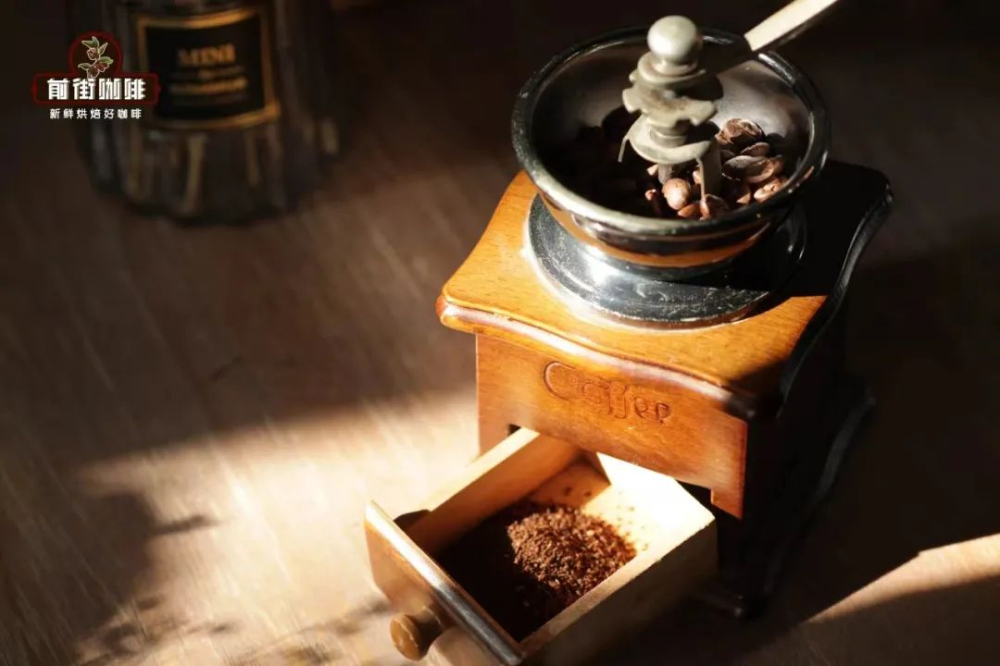
The “sea salt” grind refers to coarser particles, similar to unrefined large salt grains, with visibly distinct granules to the naked eye. This grind has a larger particle size, so its extraction efficiency is relatively low, but it is suitable for brewing devices that require longer steeping times, such as the French press or Clever Dripper. Since these devices directly steep coffee grounds through a metal filter or cloth, the coarse particles help prevent over-extraction while preserving the coffee’s richness and sweetness, resulting in a smoother and more rounded mouthfeel.
Next is the “table salt” grind, which is finer than fine sugar, though it still retains a slight graininess but is more powder-like overall. This grind size is suitable for brewing devices with short extraction times, such as the moka pot. The moka pot uses steam pressure generated by heating to quickly force out the coffee liquid. If the grind is too coarse, water will pass through the coffee grounds too quickly, leading to under-extraction and a thin flavor. Adjusting the grind to a table salt level can effectively increase the amount of extraction per unit of time, bringing out more complete aroma and body.
Finally, there is the “flour-like” grind, which is the finest of all and typically used for espresso machines. Although both are called flour, different flours vary in fineness. The grind needed for espresso is similar to a coarser type of flour—it feels fine but still offers slight resistance. This extremely fine grind ensures that, under high pressure extraction, the coffee bed forms uniform resistance, allowing the hot water to fully extract rich crema and complex flavor layers within a short 25–30 seconds. If it feels completely smooth with no graininess—like the extremely fine powder used in Turkish coffee or some traditional Ethiopian brewing methods—it is designed for brewing methods without filters where coffee grounds are consumed directly.
In summary, adjusting the grind size of Starbucks coffee beans is not only about matching the brewing tool but also requires fine-tuning based on roast level. Light or light to medium roasts are recommended to use a finer grind, such as fine sugar or table salt; medium to dark or dark roasts suit coarser settings like coarse sugar or sea salt. Mastering these basic correlations, along with observing and adjusting during actual brewing, will allow you to find the most suitable extraction state for each bean and enjoy a richer, more varied coffee flavor.
The above content is compiled by CoffeeHunters, a coffee news website.


