







Introduction:Espresso is the soul base of many specialty coffee drinks, yet adjusting its extraction parameters often intimidates coffee enthusiasts. This article delves into the key factors influencing espresso extraction—including grind size, dose, and yield—and provides practical adjustment logic and steps to help readers master the basics of extraction. It also covers the standard preparation method for iced Americano and the potential health benefits of moderate Americano consumption, offering a complete guide from adjustment to enjoyment.
The key to a delicious Americano lies in the extraction quality of the espresso. However, adjusting the various parameters of espresso extraction is a challenge for many, even for professional baristas, who often need multiple attempts when working with new coffee beans. This article will systematically introduce the main variables affecting espresso extraction—from grind size and dose to yield—breaking down the principles and practical techniques behind each adjustment, and offering specific suggestions for common extraction issues. It also explains the standard method for making iced Americano and the potential health benefits of daily Americano consumption, providing coffee lovers with a comprehensive guide from tuning to tasting.
To consistently extract espresso with ideal flavor, the primary task is to understand and control how various parameters affect the outcome. Common adjustable factors include grind size, dose, yield, water temperature, and pressure. Among these, water temperature and pressure typically do not require frequent adjustments if set correctly, so the most commonly tweaked parameters are grind size, dose, and yield. Of these three,grind size adjustment plays the most critical role—in most cases, simply fine-tuning the grind setting can effectively alter flow rate and extraction efficiency. Only in very rare, special circumstances is it necessary to further adjust the dose or yield.
The principle behind grind size adjustment is that by altering the coarseness of the coffee grounds, you influence puck density and the speed at which coffee passes through. When coffee is ground finer, the puck becomes denser, increasing resistance and slowing the flow rate, which lengthens the extraction time for the same volume and increases the espresso’s concentration and extraction yield. Conversely, coarser grinding results in faster flow, shorter extraction time, and lower intensity. Therefore, controlling flow rate and time is essentially achieved through fine-tuning grind size.
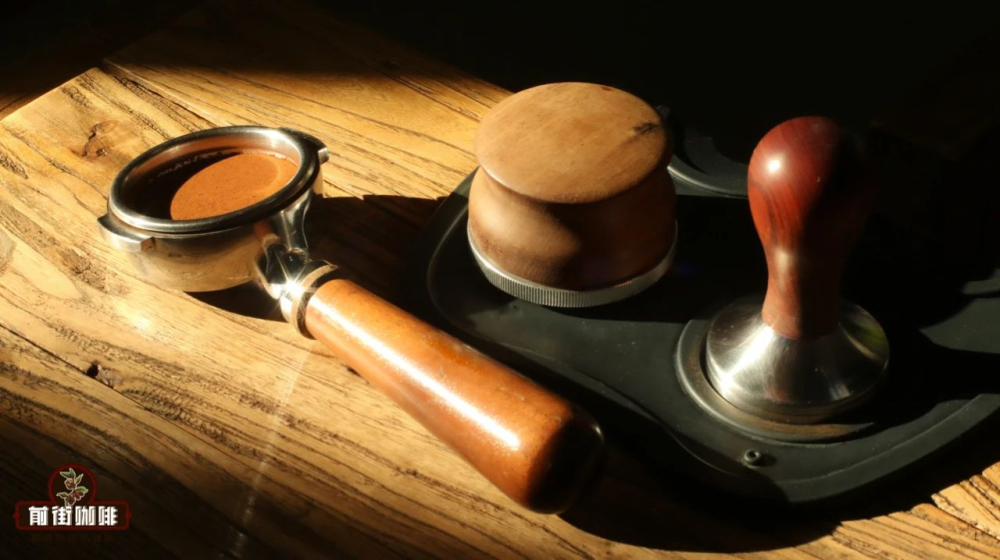
Dose adjustment also has a similar effect but is constrained by the design of the portafilter basket. Most baskets have an inner contour line, and after tamping, the puck height should approach but not exceed this line to ensure stable extraction. It’s generally recommended to adjust the dose within ±1g each time—too much may cause the machine to close improperly, while too little can make the puck collapse under water pressure. Thus, dose adjustment is usually reserved for final flavor fine-tuning rather than as an initial strategy.
Yield adjustment is used to balance the concentration of the espresso and overall extraction yield, by controlling the final volume of extracted liquid, thereby influencing flavor expression and mouthfeel. Later sections will elaborate on how to use yield adjustment to achieve ideal extraction.
Before beginning to adjust espresso extraction parameters, it’s advisable to first eliminate other factors that could interfere with extraction—such as uneven distribution, inconsistent tamping pressure, insufficient coffee beans in the hopper causing unstable grinding, or the machine not being preheated to stable water temperature and pressure. If these external variables aren’t addressed beforehand, even repeated grind adjustments may fail to produce stable and ideal extraction results.
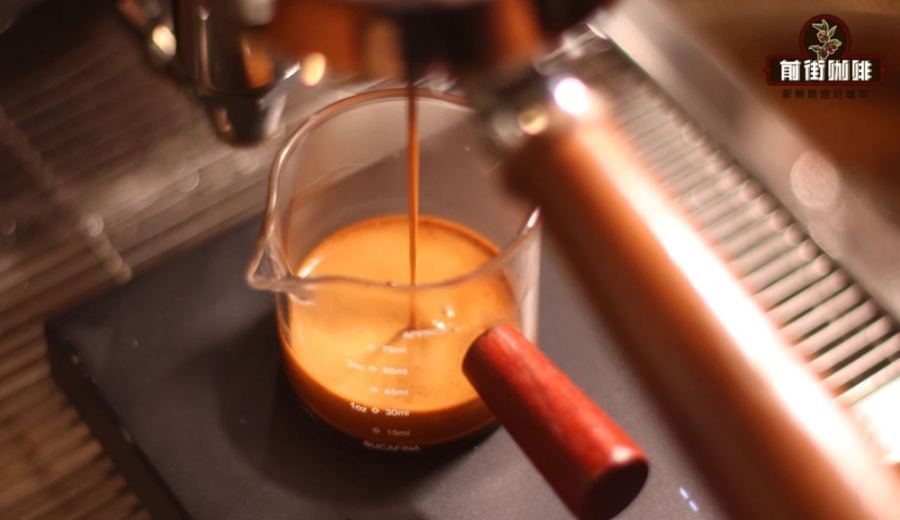
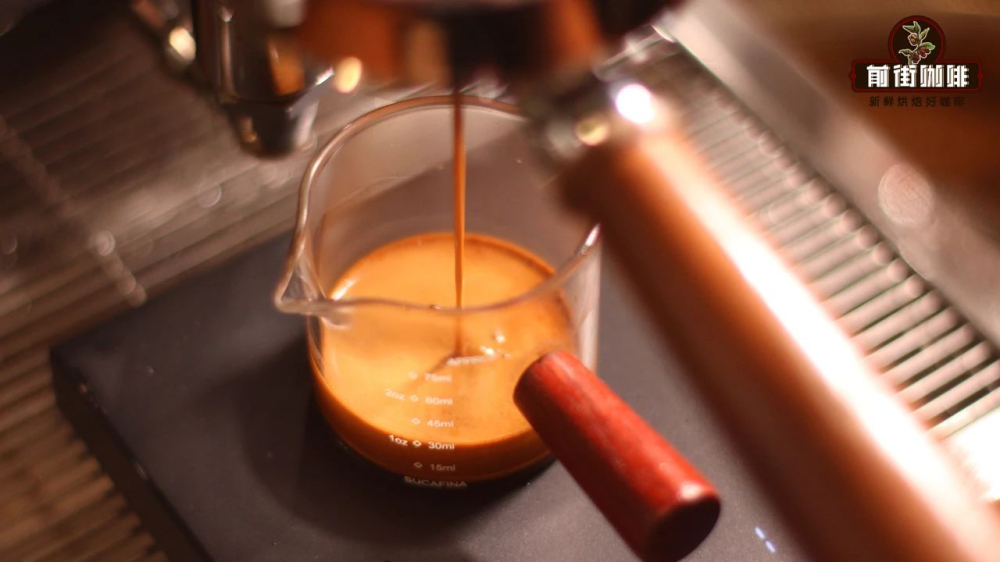
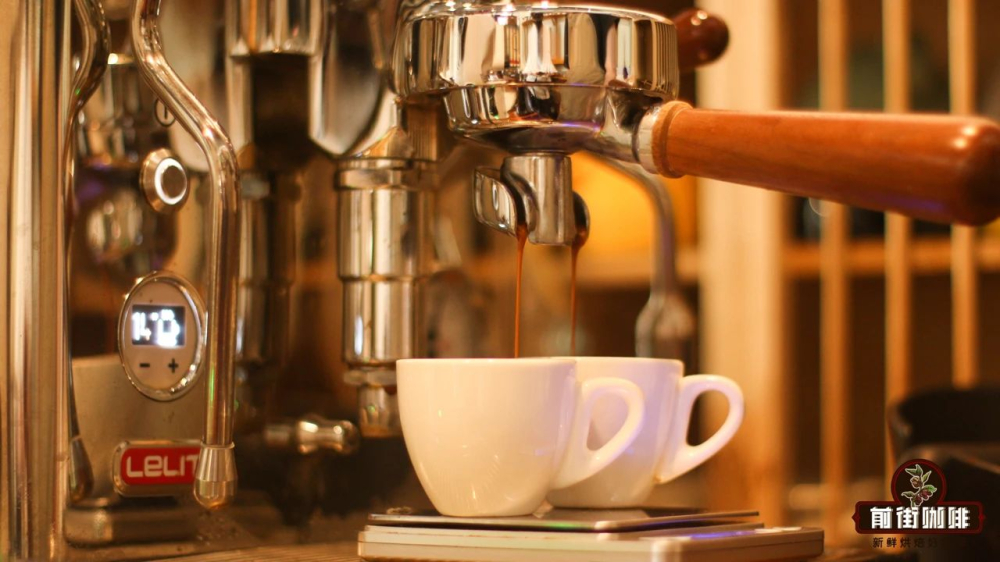
As a first step, it’s recommended to select an initial grind size, using a common 1:2 brew ratio (e.g., 20g of coffee yielding 40g of liquid) and a 25–30 second extraction time as a baseline for the initial test. At this stage, you can rely on visual observation and experience to choose a roughly suitable grind coarseness, and judge whether to adjust the grind finer or coarser based on the actual extraction time difference. The image placement here can help observe the initial extraction state.
Step two involves fine-tuning the grind size based on the initial extraction time to bring it into the ideal range. If the flow is too fast and the extraction time is too short, it means the grind is too coarse, and the coffee should be ground finer. Conversely, if the flow is too slow and the time is too long, it indicates the grind is too fine, and the setting should be adjusted coarser. When adjusting, if the time difference is within 5 seconds, it’s suggested to adjust in increments of 0.2 notches; for larger differences, adjustments of 0.5 to 1 notch can be made at once. Even if the time accidentally shifts from too long to too short, this process can help identify a reasonable grind range, then gradually narrow the adjustments until the ideal extraction time is reached.
The third step is to make precise adjustments based on actual flavor performance once the extraction time aligns with the basic formula. Even if the time falls within the 25–30 second range, it doesn’t guarantee ideal flavor—it still needs fine-tuning based on bean characteristics and extraction results. For example:
1. If the espresso tastes burnt or bitter but the concentration is normal, it may be over-extracted due to too long a brew time; try adjusting the grind coarser to shorten the time.
2. If the burnt bitterness is pronounced and the crema is pale and thin, consider reducing the yield—for instance, using a 1:1.5 or 1:1.7 ratio—to avoid the off-flavors in the tail end.
3. If the flavor is rich but the aftertaste is short, slightly increase the yield—such as adjusting to 1:2.5—to extend extraction time and gain more complexity.
4. If the coffee tastes bland with no distinct character, and bean quality isn’t the issue, it might be due to too much coffee leading to an overly thick puck; try reducing the dose by 0.3–0.5g while keeping the yield unchanged.
It’s important to note that a 1:2 brew ratio and 25–30 second extraction time are only reference values, not absolute standards for all beans. Some coffees may perform better at 1:1.7, while others may showcase their characteristics better at 1:2.5. Similarly, the optimal extraction time might be 24 or 36 seconds—the key is to flexibly adjust based on actual flavor feedback.
Once you’ve successfully extracted a balanced and satisfying espresso, you can move on to experimenting with various specialty coffee drinks. Taking the popular iced Americano as an example, here’s the standard preparation method:
1. Prepare a cup with a capacity of 300ml or more
2. Add about 100g of ice cubes
3. Pour in 180ml of drinking water
4. Slowly pour the freshly extracted espresso into the ice water, and your refreshing iced Americano is ready.
Finally, moderate consumption of Americano also offers several potential health benefits, including:
1. Providing nutrients: Coffee contains niacin (a B vitamin), free fatty acids, caffeine, and tannins, with roasted coffee beans being even richer in nutrients.
2. Promoting metabolism and digestion: Coffee helps boost metabolism, aids digestion, and has positive effects on improving constipation. Some thermal therapy practices even suggest coffee grounds baths may aid weight loss.
3. Hangover relief: Drinking coffee can accelerate the oxidation of acetaldehyde, helping break down alcohol metabolites and promote their elimination from the body.
4. Combating fatigue: Coffee enhances metabolism and replenishes energy, helping restore alertness and concentration.
5. Potential weight loss aid: Magnesium and potassium in coffee help regulate insulin and control blood sugar, reducing cravings for sweets; caffeine can also promote fat breakdown, serving as an energy source during exercise.
The above content is compiled by CoffeeHunters, a coffee news website.


