







Introduction:Panama’s Finca Esmeralda is one of the world’s most renowned Geisha-producing estates. Its beans are classified into three major grades—Red Label, Green Label, and Blue Label—each distinguished by varying altitudes, processing methods, and flavor profiles. This article delves into the differences among these three grades, covering origin details, processing workflows, brewing recommendations, and typical flavor descriptions for each grade to help you find the Geisha coffee that best suits your taste.
Finca Esmeralda is the key force behind the global fame of the Geisha (Geisha) variety. After winning the Best of Panama (BOP) competition in 2004, this Ethiopian heirloom variety quickly captured the hearts of coffee lovers worldwide with its unique citrus, floral, and tea-like flavors. Esmeralda categorizes its own-grown Geisha beans into three tiers—Red Label, Green Label, and Blue Label—based on cupping scores, origin, and processing method. These grades vary significantly in both price and quality.
The Boquete region where Finca Esmeralda is located is one of Panama’s most famous coffee-growing areas and home to numerous specialty coffee farms. The estate was originally founded in 1964 by American banker Rudolph Peterson as a dairy farm, but it was his son, Price Peterson, who later shifted focus to coffee cultivation. In the 1990s, the farm gradually introduced a diverse range of varieties and improved processing facilities. It was during this time that they discovered an unidentified high-altitude coffee tree in the Jaramillo plot with an exceptional floral and fruity aroma, which they then began to cultivate. That tree became what we now know as the Geisha variety.
Esmeralda primarily grows Geisha in three main plots:Jaramillo Estate,Canas Verdes, and the more recently introducedEl Velo Estate. Among these, Jaramillo and Canas Verdes, with their high altitudes and excellent microclimates, produce the most top-tier Geisha beans, while El Velo Estate features even higher altitudes and also cultivates other experimental varieties.
Jaramillo Estatesits at an altitude of 1600 to 1700 meters, with annual rainfall of about 4000 mm and significant day-night temperature variation. The area is subdivided into five smaller lots: Mario, Noria, Reina, Bosque, and Buenos Aires, and is the primary source of Red Label Geisha.Canas Verdesranges from 1600 to 1800 meters in altitude, with around 3500 mm of annual rainfall, and includes nine smaller lots such as Lino, Coronado, and Fundador. It is also an important origin for high-quality Geisha.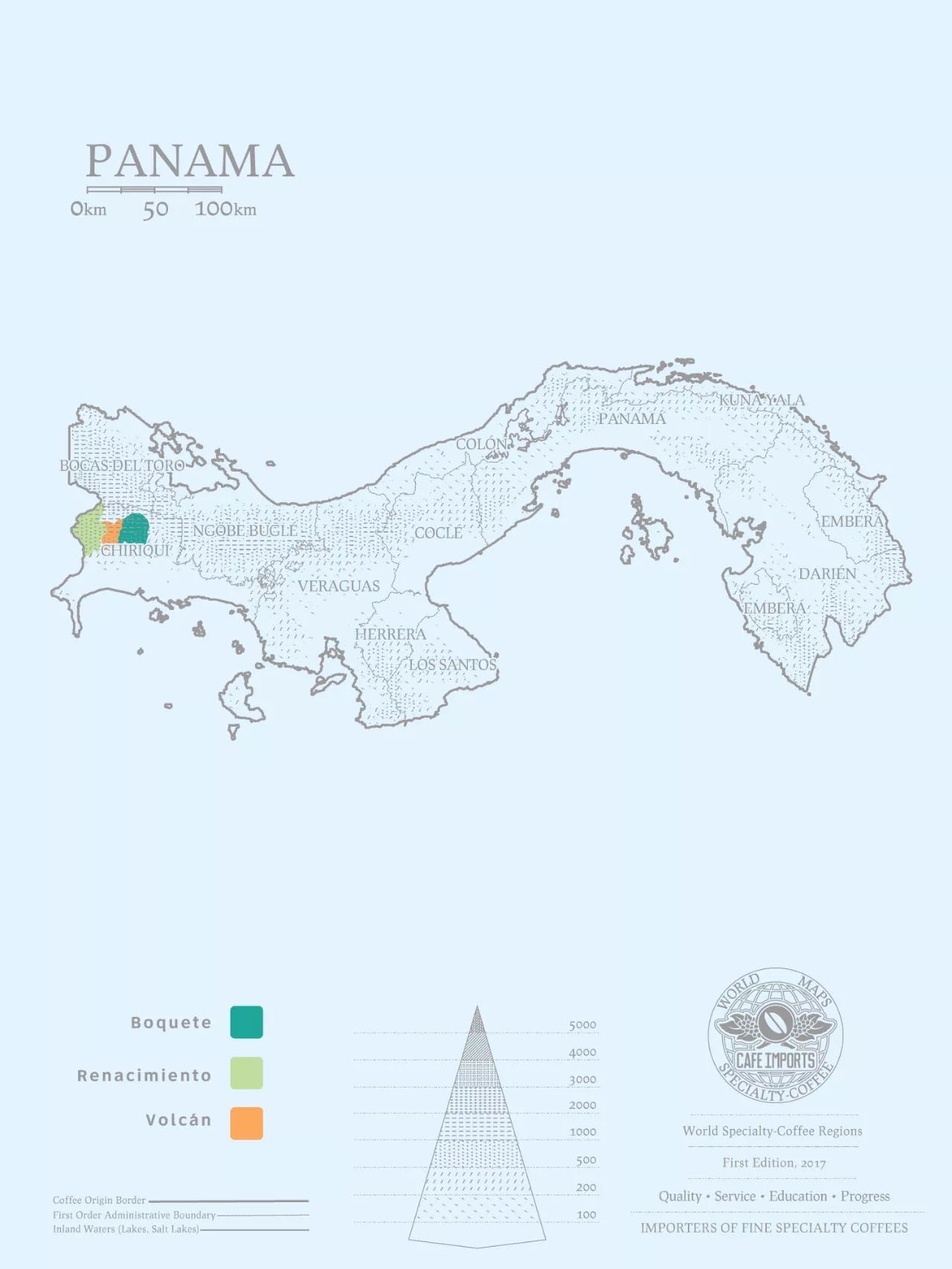
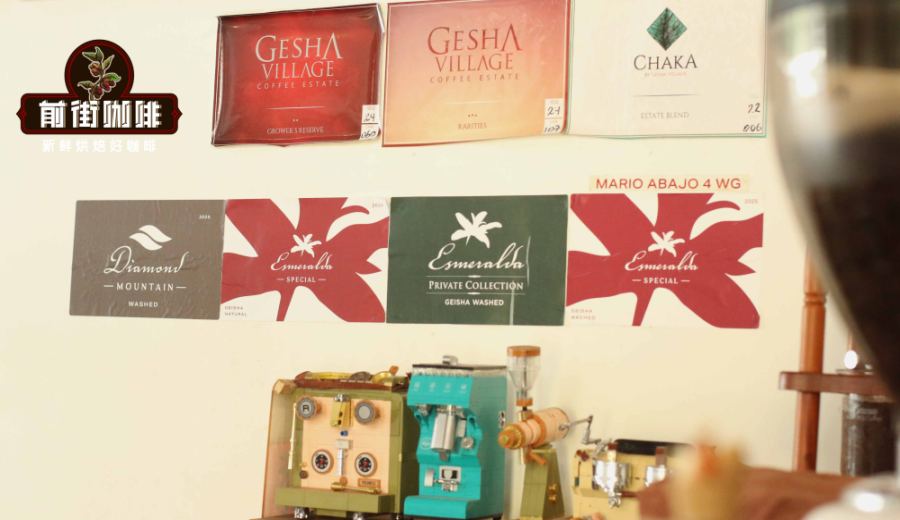
Esmeralda’s Geisha beans are mainly divided into three grades based on quality and origin: Red Label (Esmeralda Special), Green Label (Private Collection), and Blue Label (Geisha 1500), each with clear distinguishing criteria.
Red Label Geishabelongs to the Esmeralda Special series and is selected exclusively from the top lots of the Jaramillo and Canas Verdes regions, grown at altitudes between 1600 and 1800 meters. These beans often score 90 or above in cupping tests. This grade is only available through Esmeralda’s exclusive auction, and only specific lots of meticulously selected Geisha qualify, which is why it is also known as “Auction Red Label” on the market. There is also non-auction Red Label available, sourced from the same regions but not participating in the auction process, making it relatively more affordable. Red Label beans are typically processed using either natural or washed methods, and their flavor profile is characterized by bright citrus, rose floral notes, and honey sweetness, with distinct layers and a long-lasting finish.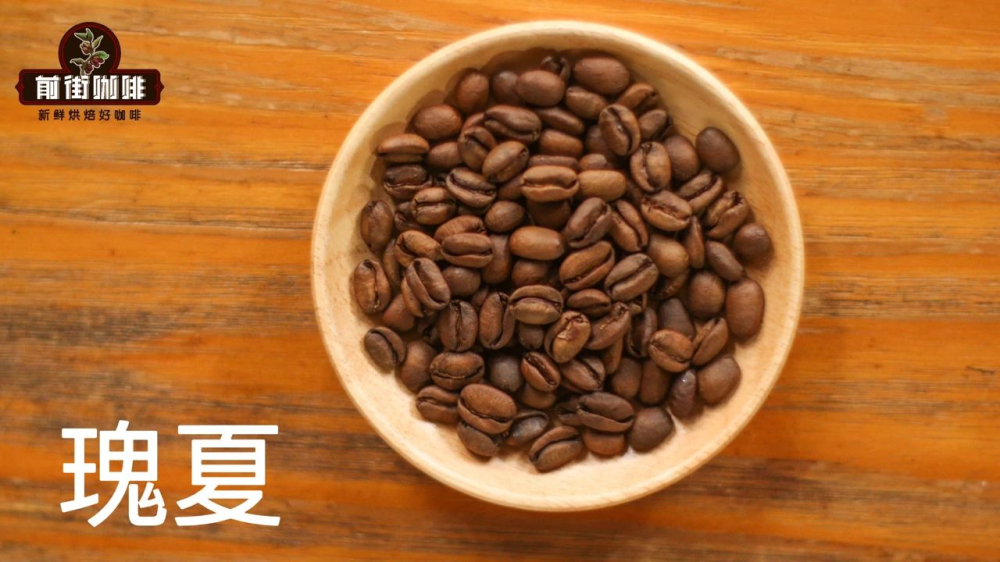
Green Label Geisha, commonly referred to as the Private Collection series, does not participate in auctions but is still considered a high-quality micro-lot blend. Grown at the same 1600–1800 meter altitude and sourced from various lots in Jaramillo and Canas Verdes, its flavor may resemble that of Red Label, though slight variations can occur between batches due to the blend. Green Label beans are usually processed via washed or natural methods, and their flavor highlights include jasmine, citrus, berries, and melon, offering a balanced cup with great value—making it an ideal choice for coffee lovers who love Geisha but have a limited budget.
Blue Label Geisha, also known as the Geisha 1500 series, uses a blend of beans grown at altitudes between 1400 and 1500 meters, sourced from the Jaramillo, Canas Verdes, and El Velo plots. This grade offers a lighter, more refreshing profile, with subtle floral notes, fruit acidity, and sweetness. The body is less dense compared to Red and Green Labels. Blue Label is also available in both washed and natural processes, with the natural version being released in small quantities since the end of 2019, featuring richer fermented aromas.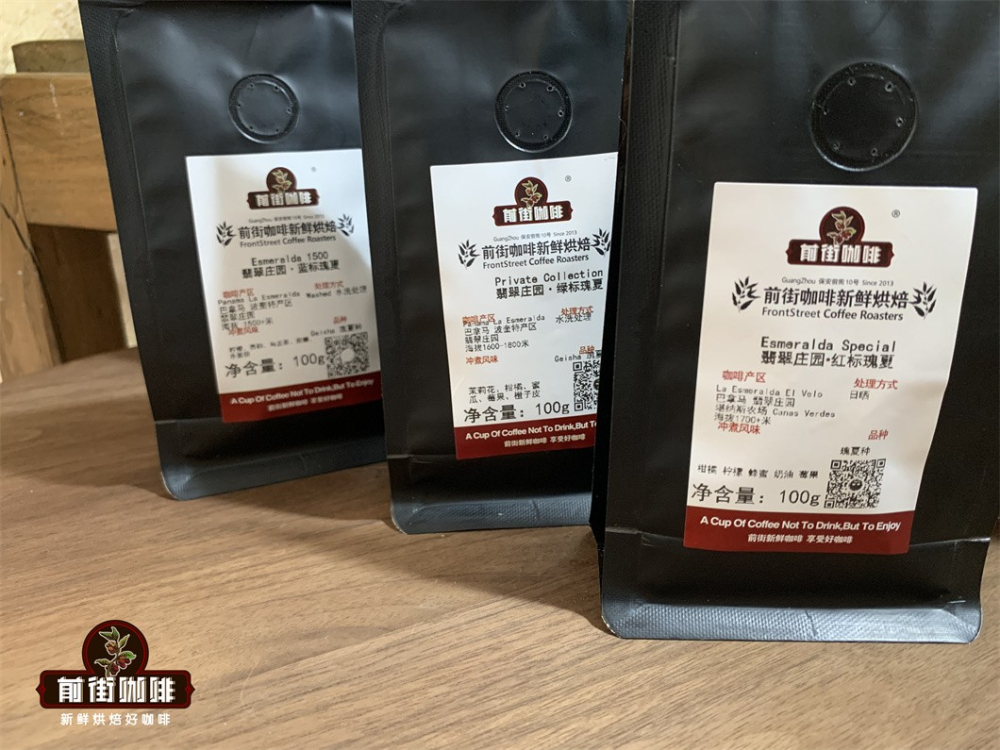
Overall, the biggest differences among the three Geisha grades lie inaltitude and bean selection criteria. Both Red and Green Labels come from high-altitude core growing regions, with Red Label further refined through auction selection, resulting in generally more outstanding pricing and flavor performance. Green Label provides a stable and high-quality option through blending, making it an excellent entry point into Geisha. Blue Label, with its lower altitude and multi-lot blend, is the most affordable and suitable for everyday drinking.
In terms of processing, Finca Esmeralda primarily employs two traditional methods: washed and natural. Washed processing highlights clean, bright acidity and regional characteristics. The steps include removing floaters, depulping, fermenting to remove mucilage, multiple water washes, and finally drying and packaging. Natural processing involves drying the coffee cherries in the sun for an extended period—usually 27 to 30 days—allowing the sugars and aromas from the fruit pulp to penetrate the seeds, resulting in a richer sweetness and more pronounced fermented flavors.
Below are practicalpour over recommendationssuitable for most enthusiasts:
Brewing device: Hario V60
Water temperature: 90°C
Coffee dose: 15 grams
Coffee-to-water ratio: 1:15
Grind size: Medium-fine (approximately BG 6K or equivalent)
Brewing technique: Use a blooming pour followed by pulse pouring. Start with 30 grams of water for a 30-second bloom, then pour in a circular motion to reach 125 grams for the first pour. Wait for the water level to drop, then continue pouring to 225 grams before stopping. Remove the V60 just before the coffee bed is fully exposed. Total brew time is approximately 2 minutes.
Flavor summary:
Red Label: Bright rose floral notes, citrus, honey, accompanied by berry and apricot tones, with a full body and rich layers, and a sweet aftertaste.
Green Label: Prominent jasmine, citrus, berry, and melon aromas, with a juicy mouthfeel, creamy and green tea notes, and a refreshing, long-lasting finish.
Blue Label: Starts with soft lemon and grapefruit acidity, and as it cools slightly, reveals oolong tea, cane sugar, and peach sweetness, with an overall clean and refreshing profile.
The above content is compiled by CoffeeHunters, a coffee news website.


