







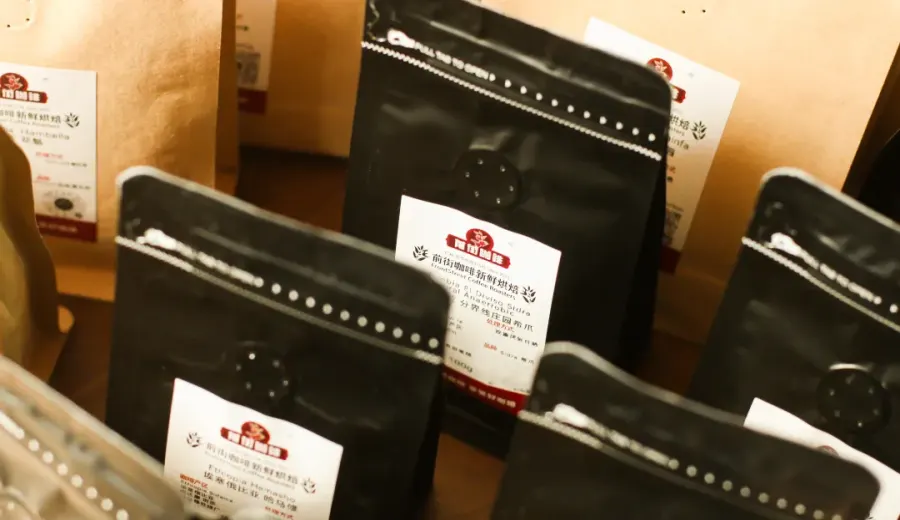
Introduction:Want to understand why specialty coffee almost always uses Arabica? Is it really true that Robusta has higher caffeine content? This article delves into the origin backgrounds, growing conditions, chemical composition differences, and flavor profiles of the two major coffee varieties, and features a selection of representative beans from key producing regions—from Blue Mountain No.1 to Yirgacheffe—offering practical bean selection and brewing references. It’s a beginner-to-advanced guide to coffee varieties.
In the world of coffee, Arabica and Robusta are undoubtedly the two mainstream varieties. Although they both belong to the same plant species, they differ significantly in terms of flavor, suitable growing environments, and chemical composition. Walk into any shop that specializes in pour over coffee, and you’ll mostly find Arabica beans on the shelves—not by coincidence, but because of their richer aromas and more delicate flavors.
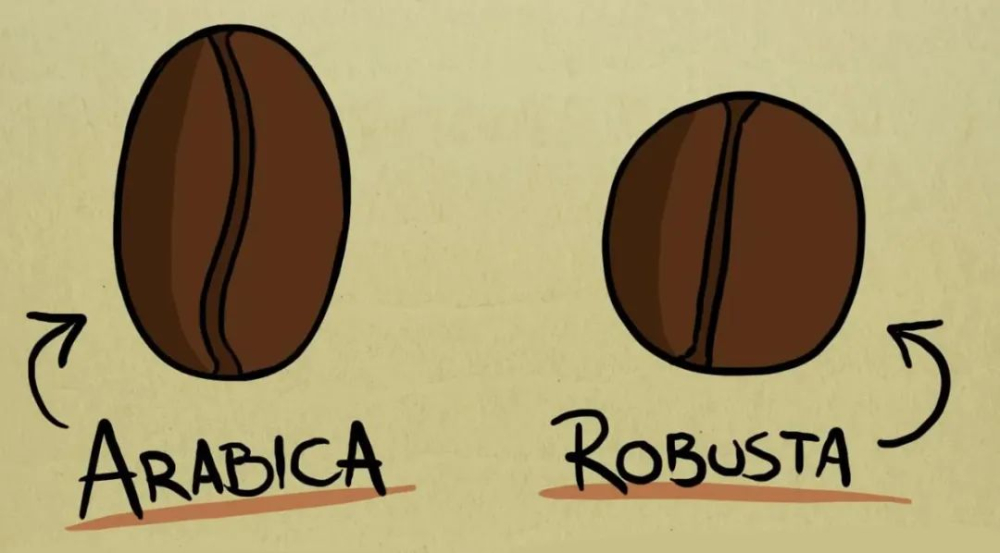
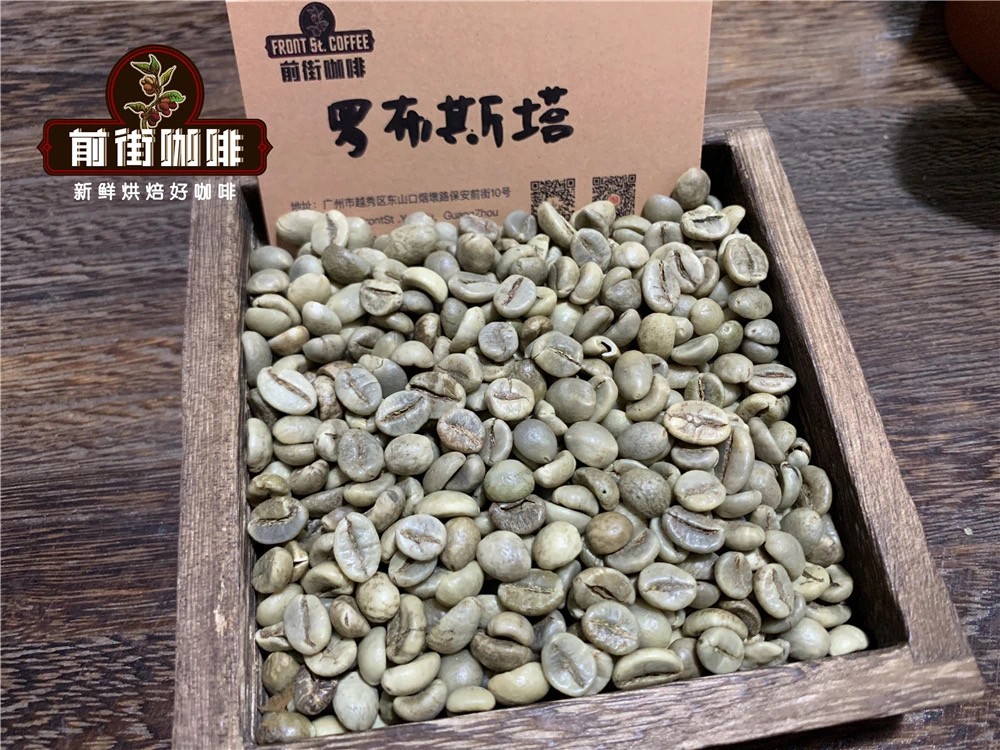
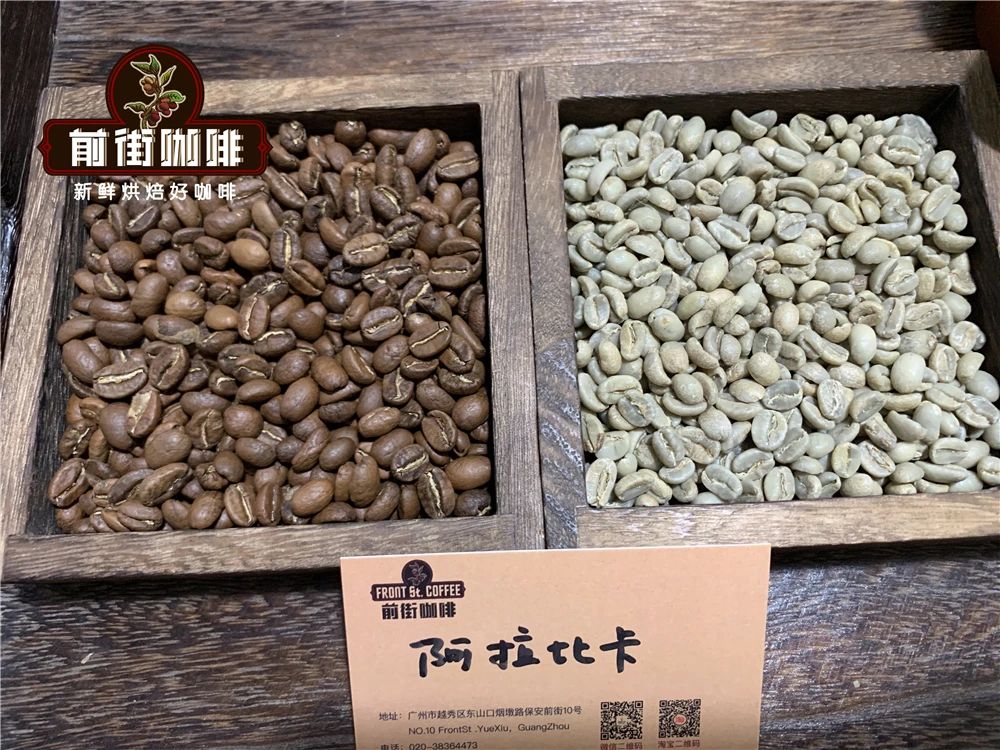
Arabica is a type of small-bean coffee, typically grown at altitudes between 800 and 2,200 meters. It demands relatively strict climate and soil conditions, but this also gives rise to a more diverse and captivating flavor profile. In contrast, Robusta is a medium-bean variety originating from the Congo region in Africa. It boasts excellent disease resistance and adaptability, able to thrive in high temperatures, low altitudes, and even poor soils. However, its flavor tends to be stronger, often with noticeable bitterness and earthy undertones.
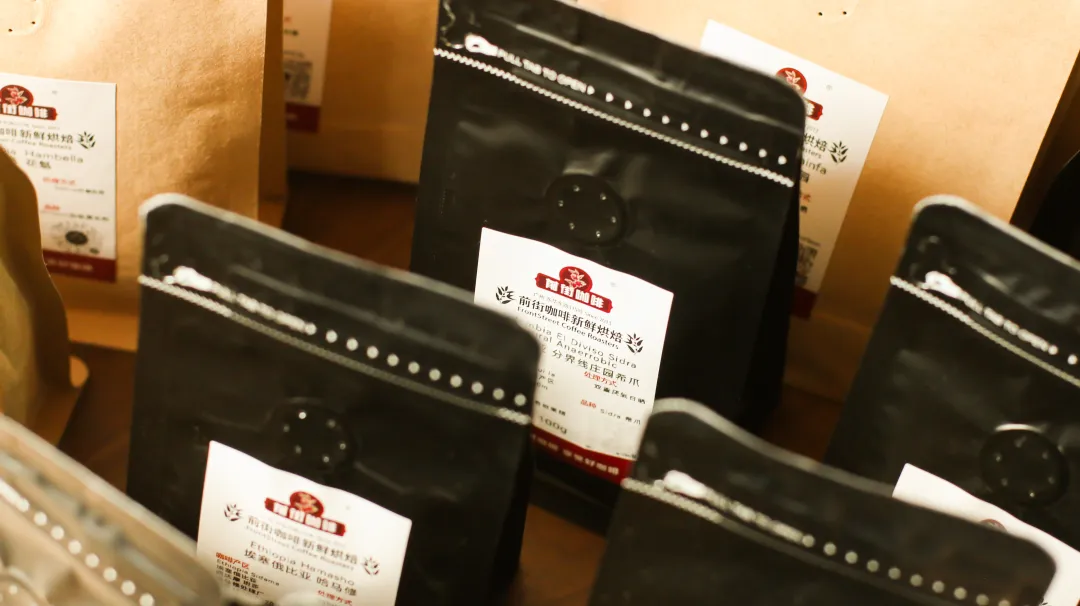
Flavor expression is one of the most significant differences between the two. Thanks to its growing environment and genetic traits, Arabica often exhibits distinct fruit acidity, floral notes, and rich sweetness, making it ideal for extraction methods like pour over or siphon, which highlight its nuanced layers. Robusta, on the other hand, contains higher levels of caffeine and chlorogenic acid, resulting in pronounced bitterness and a thick crema, and is commonly used as a base for espresso blends or instant coffee.
Chemically speaking, Arabica contains about 0.9% to 1.2% caffeine, lower than Robusta’s 1.7% to 2.7%. However, it has significantly higher fat and sugar content, contributing to a smoother and more palatable drinking experience. Robusta not only has higher caffeine content, but also a higher proportion of chlorogenic acid and antioxidants. While these help resist pests and diseases, they also affect the delicacy of the aroma, often leading to a perception of simpler or even harsher flavors.
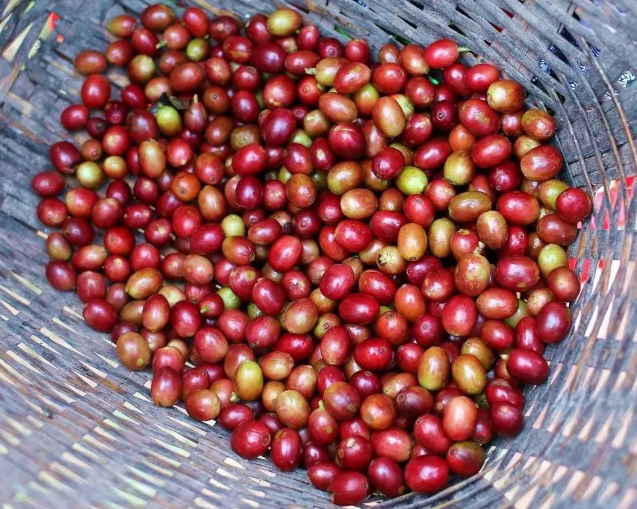
Why does specialty coffee favor Arabica? Aside from its flavor advantages, this preference is also related to cultivation difficulty and cost. High-altitude regions experience large diurnal temperature variations, causing coffee cherries to ripen slowly and accumulate richer flavor compounds. However, these areas also face more climate challenges and pest risks, requiring greater human care and thus higher costs. As a result, high-quality Arabica beans are often more expensive but offer a more diverse sensory experience.
As for Robusta, although it generally has a poor reputation, there are indeed high-quality exceptions. For example, India’s ‘Coffee Royale’ Robusta, when strictly managed, can deliver a rich yet clean taste, suitable for espresso blends to enhance crema performance and overall body.
There are numerous Arabica varieties, with nearly 3,000 cultivars worldwide, most of which are mutations or hybrids of the ancient Typica and Bourbon varieties. Each variety, adapting to the climate and soil of different regions, exhibits distinctly unique flavor characteristics. Below, we’ve selected several representative Arabica varieties along with their corresponding regional bean offerings to help readers build a clearer understanding of the varieties.
Typica — Blue Mountain No.1
Typica is one of the earliest discovered original Arabica varieties, originating in Ethiopia during the 15th to 16th centuries. Its beans are slender with pointed ends, the trees are relatively tall, and the top leaves are bronze-colored. This variety is known for its clean and elegant acidity and sweet aftertaste, but it has low yield and is susceptible to leaf rust. It is now mostly found in places like Jamaica’s Blue Mountains. The island’s maritime climate and carefully managed cultivation allow Typica to showcase an ultimate sense of balance. With medium-depth roasting, it presents chocolate and nutty aromas while retaining soft acidity and sweetness.
Geisha — Panama Geisha (Hacienda La Esmeralda)
Geisha is a derivative variety of Typica, originating from Ethiopia and now most famously produced in Panama. This variety has extremely high environmental requirements, needing to be grown at high altitudes, in cloudy conditions, and with good shade, resulting in scarce production. Geisha coffee is renowned for its unique jasmine, floral, citrus, and berry notes, making it a dream choice for pour over enthusiasts. The Geisha from Hacienda La Esmeralda in this region comes in Red Label, Green Label, and Volcanica versions, with rich flavor layers, and is an iconic variety in specialty coffee.
Red Bourbon — Brazil Cerrado
Bourbon evolved naturally from Typica, with rounder beans. It was first discovered on Bourbon Island (now Réunion Island) and later introduced to Brazil. Red Bourbon gets its name from the red color of the bean husk when ripe. Its flavor is anchored by nuts and chocolate, paired with moderate caramel sweetness, making it suitable for those who enjoy a rich taste without it being too intense. The recommended semi-washed Red Bourbon, roasted to medium depth, offers stable and balanced flavors, making it an ideal choice for beginners to get to know Brazilian coffee.
Caturra — Colombia Huila
Caturra is a mutation of Bourbon, originating in Brazil. It is known for its short tree stature and high yield, making it suitable for dense planting. Its flavor is dominated by bright fruit acidity and fruity notes, and with medium-depth roasting, it often carries chocolate and nut aromas, frequently appearing in competition coffees. Caturra from Colombia’s Huila region, processed using the washed method, offers high cleanliness and balanced taste, making it suitable as a daily drinker bean.
Ethiopian Heirloom — Yirgacheffe
Ethiopia boasts the world’s richest coffee gene pool, with many varieties not yet formally classified, hence collectively referred to as Heirloom or native varieties. The Heirloom coffee from the Yirgacheffe region is known for its delicate floral notes, lemon-like acidity, and tea-like mouthfeel, often regarded as the ‘entry-level bible’ by many coffee lovers. Multiple products from this region, such as those from the Konga Cooperative or sun-dried red cherries, showcase unique terroir characteristics.
The above content is compiled by CoffeeHunters, a coffee news website.


