








Introduction:Have you ever wondered whether Starbucks’ Flat White counts as a latte? Or been curious about how Flat White (also known as Aussie Flat White) differs from regular lattes or cappuccinos? This article delves into the Australian and New Zealand-style Flat White, exploring its definition, historical roots, and differences compared to lattes and cappuccinos. It also provides detailed parameters and techniques for making a Flat White, helping you better understand this internationally beloved coffee drink while mastering tips for ordering and savoring it.
Flat White, also translated into Chinese as “澳白咖啡” (Ao Bai Coffee), “馥芮白” (Fu Rui Bai), or “醇艺白” (Chun Yi Bai), is a globally popular milk-based coffee beverage. Especially after originating in Oceania, it has gradually gained widespread acclaim in Europe, America, and Asia. Although Starbucks’ version of the Flat White introduced many people to this type of coffee, the concept of Flat White actually took shape much earlier in Australia and New Zealand, becoming one of the key representatives of their local coffee cultures.
Origin Debate: Australia or New Zealand?
The birthplace of Flat White remains a topic of discussion. Some believe it originated in Australia, while others claim it was first created by New Zealanders. Regardless of where it started, both countries use fresh milk from high-quality pasture-raised cows, laying an excellent foundation for milk-based coffee. The main difference lies in the fact that New Zealand baristas prefer using double Ristretto shots, whereas Australians often base it on a single shot of espresso, paired with extremely fine microfoam, creating a unique balance of flavors.

To understand Flat White, the most straightforward approach is to compare it with a latte (Latte) and a cappuccino (Cappuccino). All three contain espresso and milk as their primary ingredients, butthe thickness of the foam, the ratio of milk, and the overall mouthfeel are distinctly different. These differences make each drink suitable for varying flavor preferences and situational needs.
Spotting the Differences through Foam: Cappuccino, Latte, and Flat White Compared
In New Zealand and Australia, traditional cappuccinos are often seen as overly sweet due to their thick foam and low proportion of hot milk, sometimes even sprinkled with chocolate powder. Their primary consumers tend to be children or teenagers. Meanwhile, the early forms of lattes in these regions were highly varied — ranging from large cups of cold milk with a small amount of espresso to small drinks similar to macchiatos. The foam ratios were inconsistent, resulting in unstable flavor profiles.

In contrast, the Flat White gradually evolved in response to customer dissatisfaction with the existing options. Many customers complained that cappuccinos had too much foam and lattes lacked strong coffee flavor, expressing a desire for a coffee that was “a bit more foamy than a latte, but less so than a cappuccino.” This became the prototype of the modern Flat White — a coffee with a distinct coffee flavor, smooth milk, and fine, even microfoam, delivering a rich yet not heavy drinking experience.
The most prominent feature of a Flat White is itsextremely thin layer of foam, typically around 0.5 centimeters thick — much thinner than the 1–1.5 centimeters of a cappuccino, and slightly less than that of a latte. It also uses less milk than a latte, allowing the coffee flavor to stand out more, making it ideal for those who enjoy savoring the essence of the coffee itself.
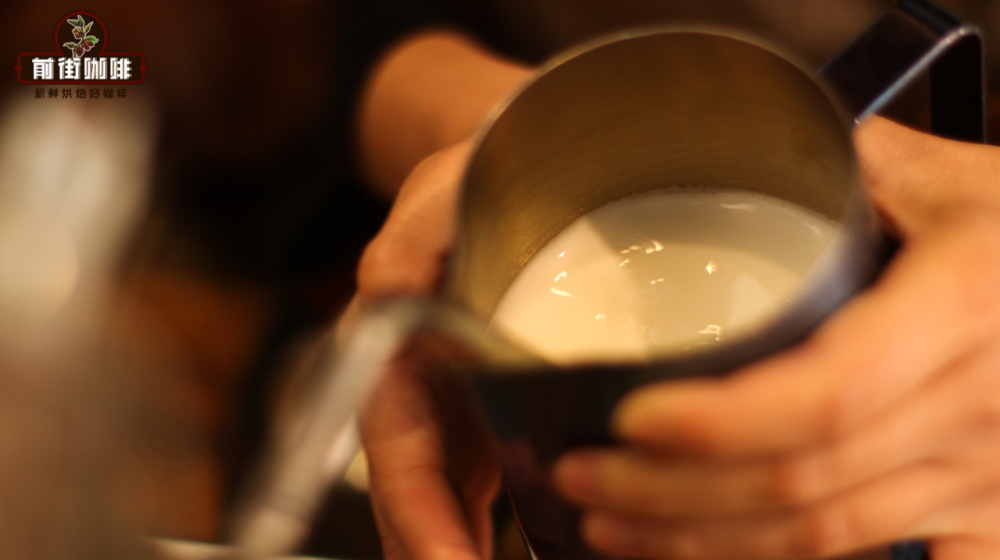
In terms of preparation, a Flat White generally uses either a single or double Ristretto as its base, served in a ceramic cup of around 180 milliliters. The foam should be fine, smooth, and virtually free of large bubbles. It’s recommended to use a professional steam wand to create microfoam, with the temperature controlled between 55–60°C to preserve the sweetness and delicate texture of the milk. For latte art, due to the thin foam, simple designs like hearts, dots, or even skipping the pattern altogether are advisable, ensuring the drink looks appealing without compromising its texture.
From a flavor perspective, the Flat White is a beverage that clearly showcases the characteristics of the coffee beans. If high-quality single-origin or SOE (Single Origin Espresso) beans are used, the terroir features such as citrus, nuts, caramel, or floral notes can be more distinctly perceived. As such, it is also considered one of the representatives closely aligned with the third wave of specialty coffee, emphasizing the narrative of the coffee’s inherent flavors.

If you’d like to try making a Flat White at home, you can follow this basic recipe: use about 20 grams of coffee grounds, extract approximately 27 grams of espresso under a pressure of 9–10 bars, with a brewing time of 20–25 seconds. For the milk, it’s recommended to use fresh whole milk, steamed to a microfoam state, with the temperature not exceeding 60°C to avoid damaging the foam’s texture and sweetness. Pour the milk slowly into the espresso, maintaining a steady flow rate and angle, and finish with a gentle latte art design or simply enjoy the pure taste.

In summary, the Flat White is not just another milk coffee — it’s a premium beverage that blends historical background, local dairy sources, and the craftsmanship of baristas. Whether you call it Aussie Flat White, Fu Rui Bai, or Flat White, understanding how it differs from lattes and cappuccinos will help you make more satisfying choices when ordering at cafes and allow you to recreate a professional-grade flavor experience at home.



The above content is compiled by CoffeeHunters, a coffee news website.


