








Introduction:Flat White, as a coffee option that has rapidly gained popularity in recent years, is often confused with drinks like Latte or Dirty. This article delves into the origin disputes of Flat White, its core characteristics, and provides a detailed comparison with Latte and Dirty in terms of ratio, taste, and brewing methods. It also offers practical information such as Ristretto extraction parameters and milk ratios to help readers distinguish and choose the milk coffee that suits their taste.

Among the menu offerings at coffee shops, milk-based specialty coffees have consistently dominated the mainstream. Surveys show that Latte has long ranked high on the sales charts. However, since 2018, a coffee originating from either Australia or New Zealand — Flat White (translated in Chinese as 馥芮白 or 澳白) — has quickly risen in popularity due to its unique flavor, with an annual sales growth rate as high as 56%, becoming a noteworthy "dark horse" among milk coffees.

Regarding the origin of Flat White, there has long been a dispute between Australia and New Zealand. An Australian café owner recalls that as early as the mid-1980s, he used the term "Flat White" on his menu to meet customers' demand for a small amount of fine microfoam added to espresso. It is said that the original version of this drink used two Ristrettos (espresso shots with higher concentration) and a small amount of steamed milk, poured directly into a small ceramic cup without latte art, allowing the white microfoam to float on the surface — hence the name Flat White.

However, this claim has been refuted by the New Zealand side. Some local baristas claim that they accidentally produced overly thin microfoam while making a Cappuccino, which inspired the creation of Flat White. Although its origin remains unresolved, there’s no denying that since 2017, this coffee has gained widespread global popularity.

Compared to traditional Latte, Flat White is usually smaller in volume, around 3 ounces (100 milliliters), with a more pronounced intense coffee flavor. It is suitable for consumers who enjoy a pure coffee taste but don’t want to drink straight espresso. With the rise of specialty coffee culture and increasing consumer demand for layered flavors, Flat White has gradually become the preferred choice for many, thanks to its balanced milk aroma and coffee intensity.

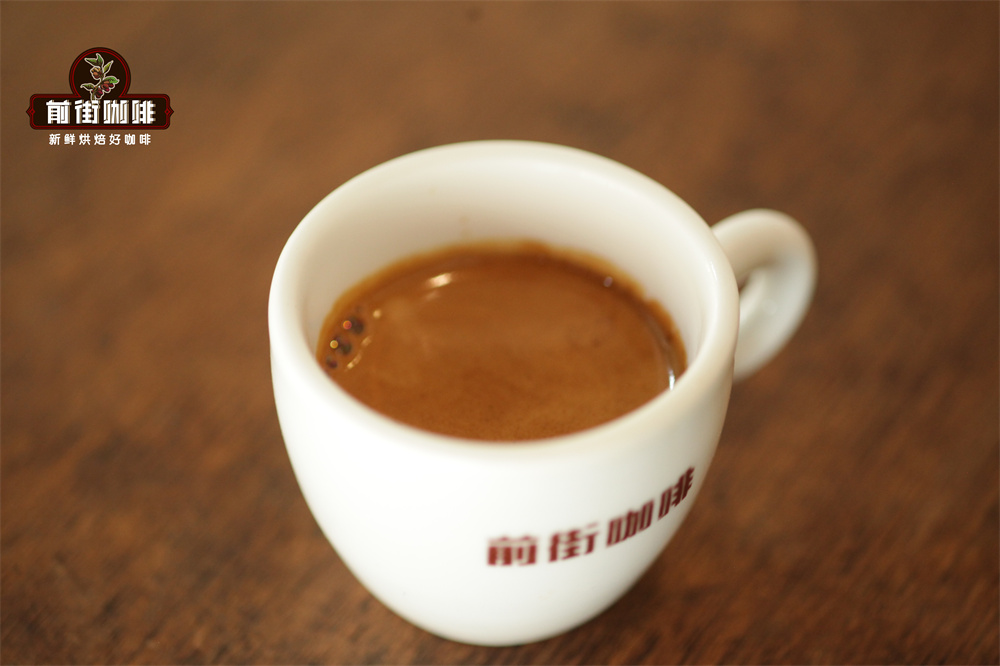
The key to making Flat White lies in using Ristretto — a type of espresso with a shorter extraction time and higher concentration. Compared to standard Espresso, Ristretto extracts less coffee liquid under the same grind size and dose (usually with a brew ratio of about 1:1.6), resulting in a more concentrated and layered overall flavor. It should be noted that over-extraction may lead to sourness or burnt bitterness, so precise control of time and dose during extraction is essential.

In the actual preparation of Flat White, it is recommended to use 19.8 grams of coffee grounds to extract approximately 30 grams of coffee liquid, with the extraction time controlled at around 27 seconds (actual parameters may vary slightly depending on equipment). Pair this with about 100 milliliters of hot milk, which should have a thin layer of microfoam. When the espresso and milk are evenly combined, the flavor profile is primarily characterized by fermented fruity notes, with berry acidity complemented by the sweetness of the milk, and a lingering finish of caramel and chocolate-like smoothness.

As for Dirty coffee, it offers a completely different experience. This drink also uses Ristretto, but its distinctive feature lies in the use of chilled high-fat milk and a pre-cooled cup. The freshly extracted espresso is poured directly onto the cold milk, creating a striking visual and textural contrast. The flavor layers of Dirty evolve over time, shifting from strong coffee aroma to a softer milky sweetness. It is recommended to drink it promptly and avoid stirring to fully experience the gradual transition from deep to light, and intense to mild.
In summary, although Flat White, Latte, and Dirty all belong to the category of milk coffee, they each have unique characteristics in terms of ratio, taste, and brewing method. Flat White offers an intense and balanced coffee experience through its small serving size and Ristretto; Latte excels with its larger volume and velvety microfoam, catering to those who prefer a smoother taste; Dirty delivers a unique layering game through the contrast of hot and cold and the immediacy of consumption. With an understanding of these differences, consumers can choose the milk coffee that best matches their personal taste preferences.



The above content is compiled by CoffeeHunters, a coffee news website.


