







Introduction:Geisha (Geisha) coffee is hailed as one of the top varieties in the coffee world, renowned for its delicate floral notes and rich layered complexity. This article delves into the origins of Geisha and the characteristics of different producing regions, including the flavor differences between Panama and Ethiopia, and explains the practical meanings of grading labels such as Red Label and Green Label. It also provides professional pour over recommendations, such as optimal coffee-to-water ratios, water temperature settings, and specific brewing techniques, to help you fully showcase the refined aroma and diverse flavors of Geisha coffee.
Geisha coffee (Geisha), also known as Gesha or Artisan coffee, is recognized as one of the top varieties in the global specialty coffee scene. Its unique aromatic profile and rich acidity layers make it stand out among numerous coffee varieties. Whether from Panama’s Hacienda Esmeralda or Ethiopia’s Gesha Village, this coffee exhibits distinctly different characteristics in each producing area, especially when brewed using the pour over method, which better highlights its delicate nuances.
The Origins and Rise to Fame of Geisha
Geisha originally comes from the Gori Gesha forest in Ethiopia, considered a genetic treasure trove for coffee. In the mid-20th century, this variety was introduced to Costa Rica and subsequently brought to Panama. Initially, Geisha was planted as a disease-resistant variety in low-altitude areas, yielding average flavors and was even used only as a windbreak. It wasn’t until 2004, when Hacienda Esmeralda in Panama entered it into the Best of Panama competition, that Geisha gained fame for its unprecedented floral and fruity notes, instantly rising to the ranks of top-tier coffees.
Today, Geisha in Panama is grown in the high-altitude mountainous regions of Chiriquí Province, adjacent to Costa Rica and the Pacific Ocean. The unique microclimate and soil conditions of the area contribute to Geisha’s abundant floral and citrus profiles. In contrast, Ethiopia’s Gesha Village Estate is closer to its native environment, showcasing more primal fruitiness and tea-like characteristics.
Flavor Comparison of Geisha from Different Producing Regions
Panama Geisha, particularly the Green Label and Red Label beans produced by Hacienda Esmeralda, usually feature bright acidity, delicate jasmine and white floral aromas, with citrus, berries, and honey layers on the palate, followed by a soft tea-like finish. Even as the coffee cools, the acidity remains smooth without becoming sharp or overly intense.
Ethiopia’s Gesha Village Geisha, while equally captivating with its floral notes and rich sweetness, has slightly lower overall body, a crisper mouthfeel, and performs less roundly at lower temperatures compared to Panama Geisha. Additionally, there are clear differences in bean shape between the two regions: Panama Geisha beans are larger with pointed ends, while Ethiopian Geisha beans are smaller and more rounded.
Explanation of Red Label, Green Label, and Other Grading Meanings
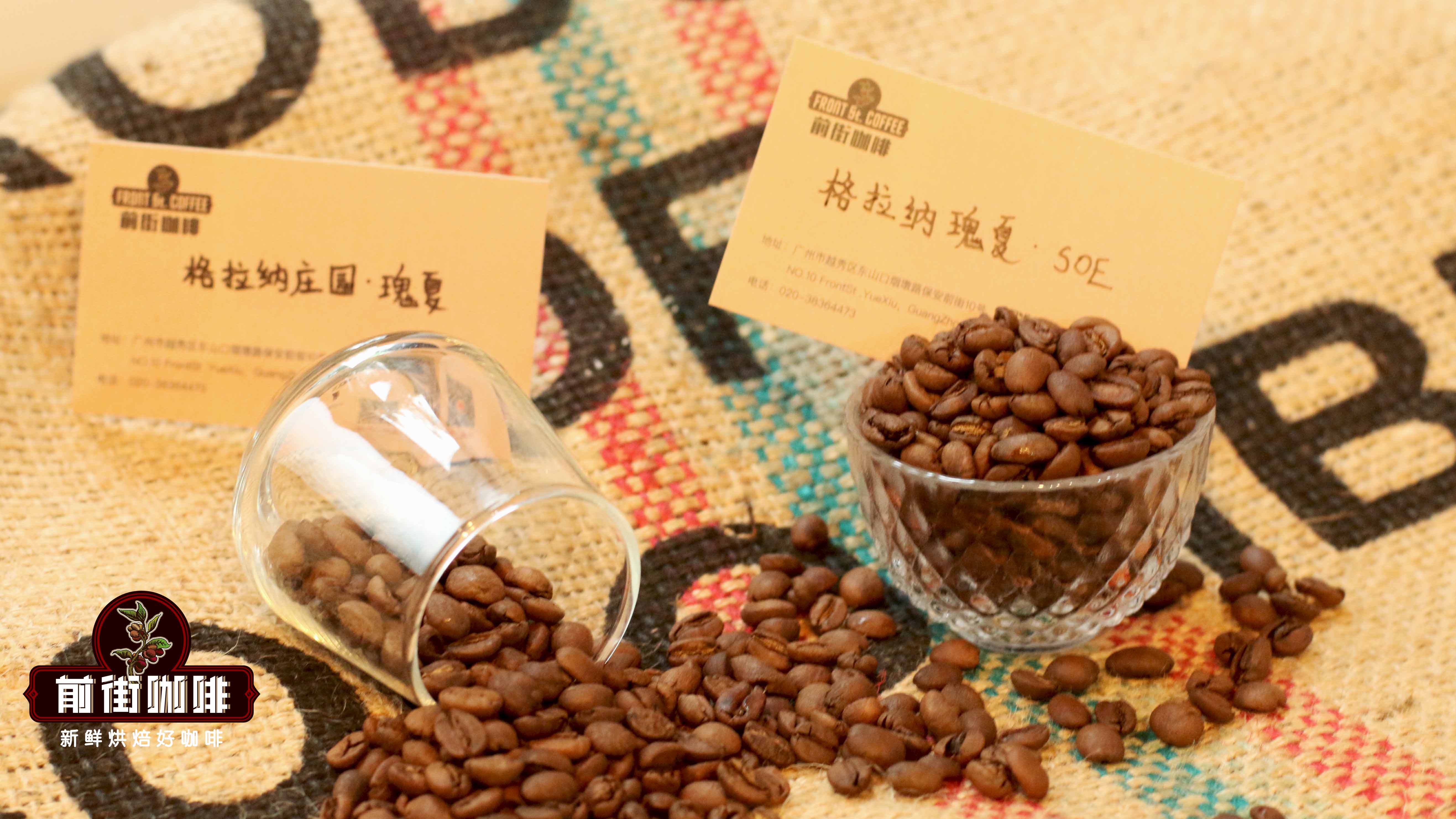
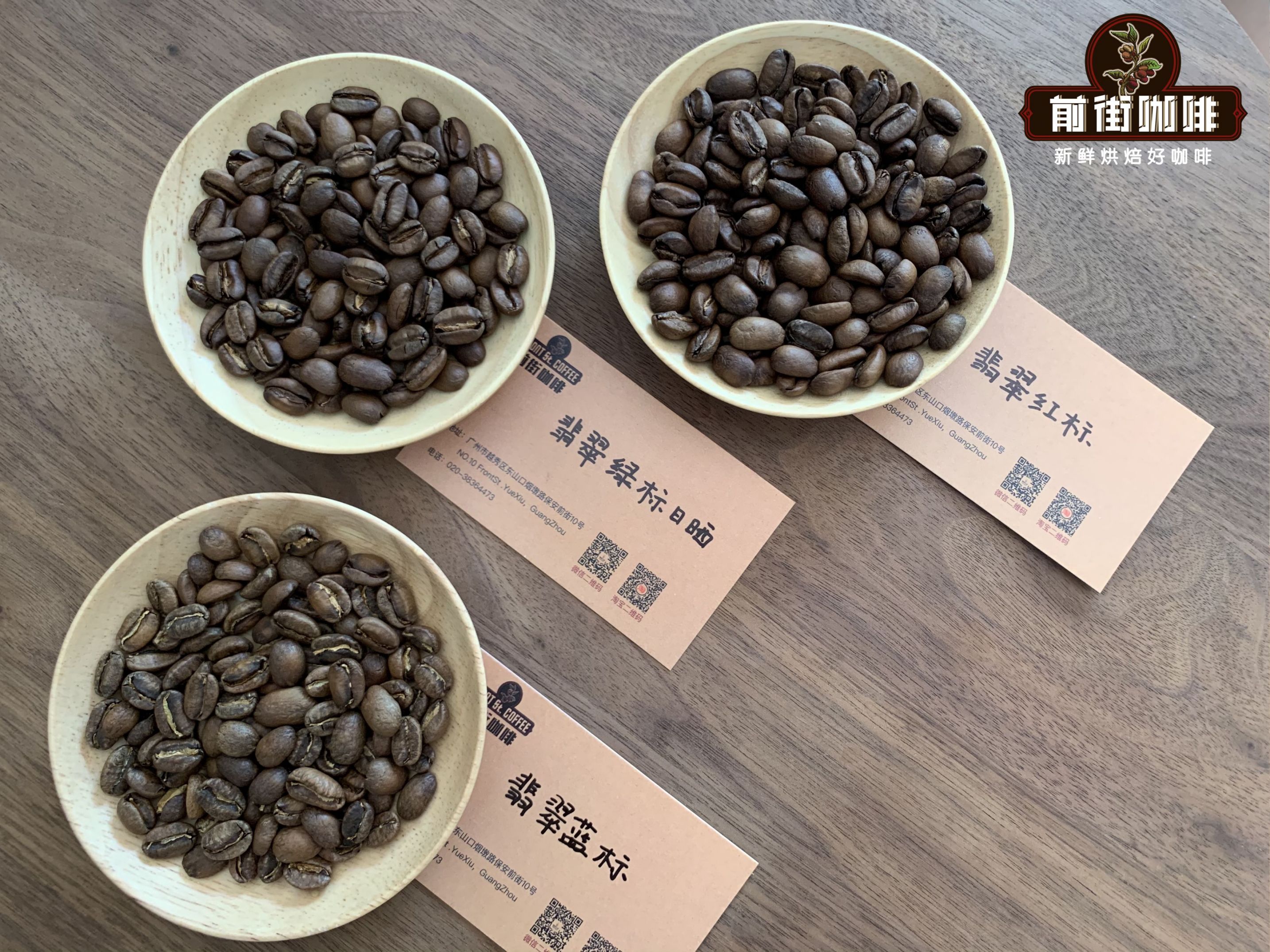
Many coffee enthusiasts often see labels such as Red Label, Green Label, and Gold Label when purchasing Geisha. These are not official grades but rather grading systems established by individual estates. For example, Hacienda Esmeralda’s Red Label represents its highest-grade Geisha (officially called Esmeralda Special), while the Green Label is part of the Private Collection series. The original Blue Label has been discontinued. These beans usually come from specific micro-lots, are managed more rigorously, and have traceability.
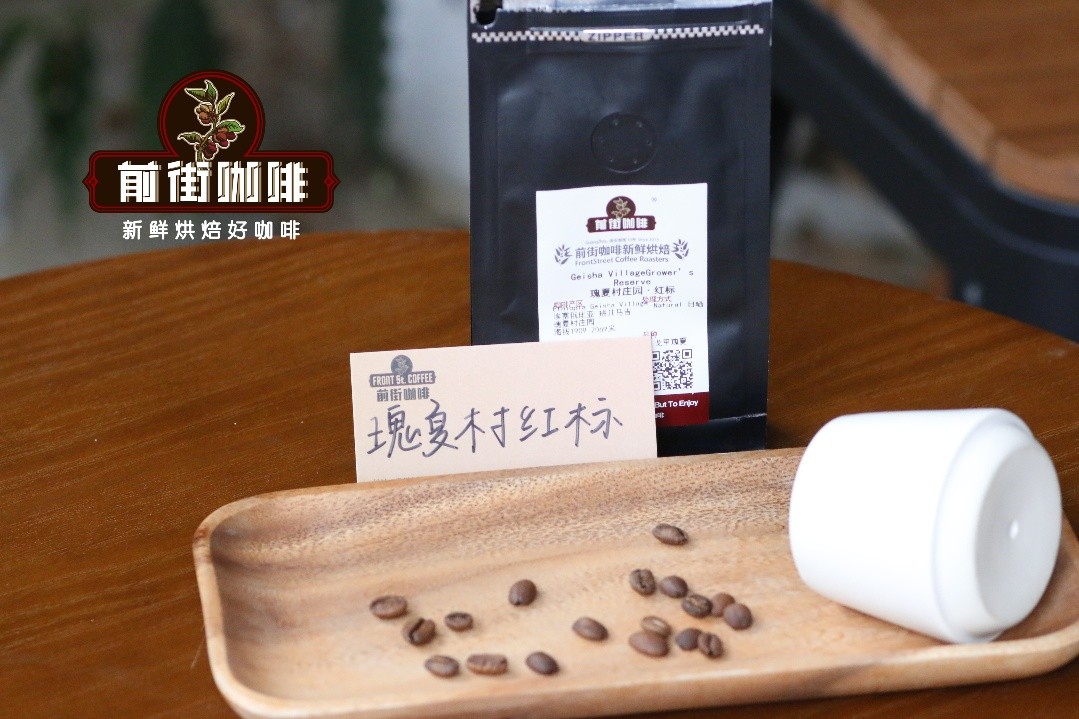
In Ethiopia, Geisha is typically graded based on defect rates and cupping scores, generally ranging from G1 to G6, with G1 being the highest grade. Gesha Village Estate also offers classifications such as Gold Label (rare), Red Label (growers’ reserve), and Green Label (single terroir), with each bean representing different microclimates and processing methods.
Key Parameters and Techniques for Pour Over Geisha
To fully highlight the delicate characteristics of Geisha, the parameter settings for pour over brewing are crucial. It is generally recommended to use a 1:16 coffee-to-water ratio. Compared to the conventional 1:15, this slightly higher ratio helps achieve a more balanced flavor expression, avoiding over-concentration that can suppress aroma.
It is recommended to use a V60 dripper, along with a water temperature of around 91°C,15 grams of coffee grounds, with a grind size comparable to approximately 80%20-mesh sieve passing rate in China, i.e., medium-fine grind. This grind size balances extraction efficiency and aroma expression.
In practice, follow these steps:
- Preheat your equipment and dripper, add the coffee grounds, and then perform a 30-second bloomusing about 30 grams of water.
- Then pour water in a small, circular motion, pouring in a small stream in circles , until the total water volume reaches 125 grams for the first pour. When the water level drops and is about to expose the coffee bed, continue pouring until you reach 240 grams to finish the brew.
- Finally, wait for the water level in the dripper to drop and just before the coffee bed is exposed, remove the dripper. The total brew time should be controlled to around 2 minutes, though it can be extended by about 10 seconds for a fuller body.
Using these parameters and techniques will make the floral, fruity acidity, and sweetness layers of Geisha clearer, making it ideal for coffee enthusiasts who enjoy delicate flavors and challenging pour over skills.
The above content is compiled by CoffeeHunters, a coffee news website.


