







Introduction:Dive deep into the historical evolution and modern brewing techniques of espresso, starting from steam-powered patents in the late 19th century, and explore the flavor secrets of this concentrated black gold. This article details the standard extraction parameters of espresso, key variable control techniques, and offers practical home-brewing advice, including the coffee-to-water ratio for double shots, grind size selection, and the science behind crema formation. It helps coffee enthusiasts master the core skills of this iconic Italian beverage with precision.
Espresso is not only an essential part of daily life in Italy but also the cornerstone of modern coffee culture. From the birth of the first steam-powered coffee machine in the late 19th century to countless subsequent technical improvements, this concentrated black gold has gradually evolved into the familiar form enjoyed by coffee lovers worldwide today. This article will comprehensively trace the development of espresso, explore Italy’s unique coffee culture, and deeply analyze the extraction principles, key parameter settings, and practical steps involved in making espresso.
Early Italian coffee culture was heavily influenced by the Ottoman Empire. Coffee beans entered Europe through the port of Venice but were once regarded as a “devil’s drink” due to religious reasons. It wasn’t until the 17th century, after Pope Clement VIII personally tasted and endorsed coffee, that this dark beverage gradually took root in Italy. The opening of the first coffeehouse in Rome in 1645 marked the official entry of coffee into everyday life.
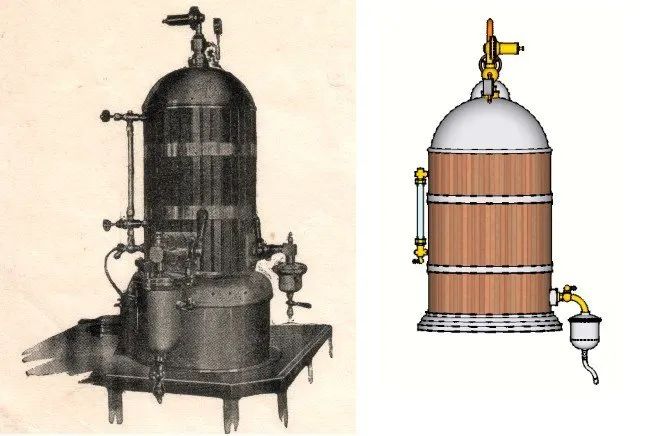
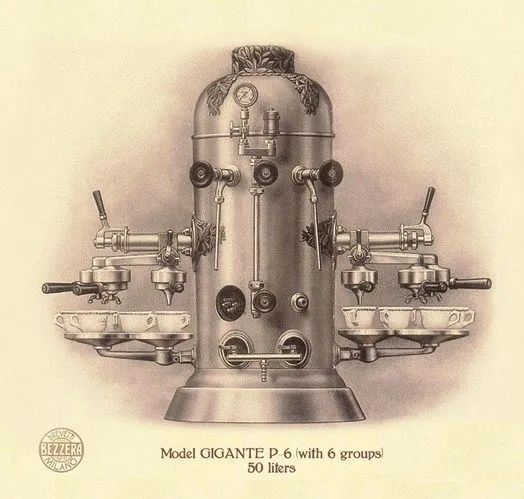
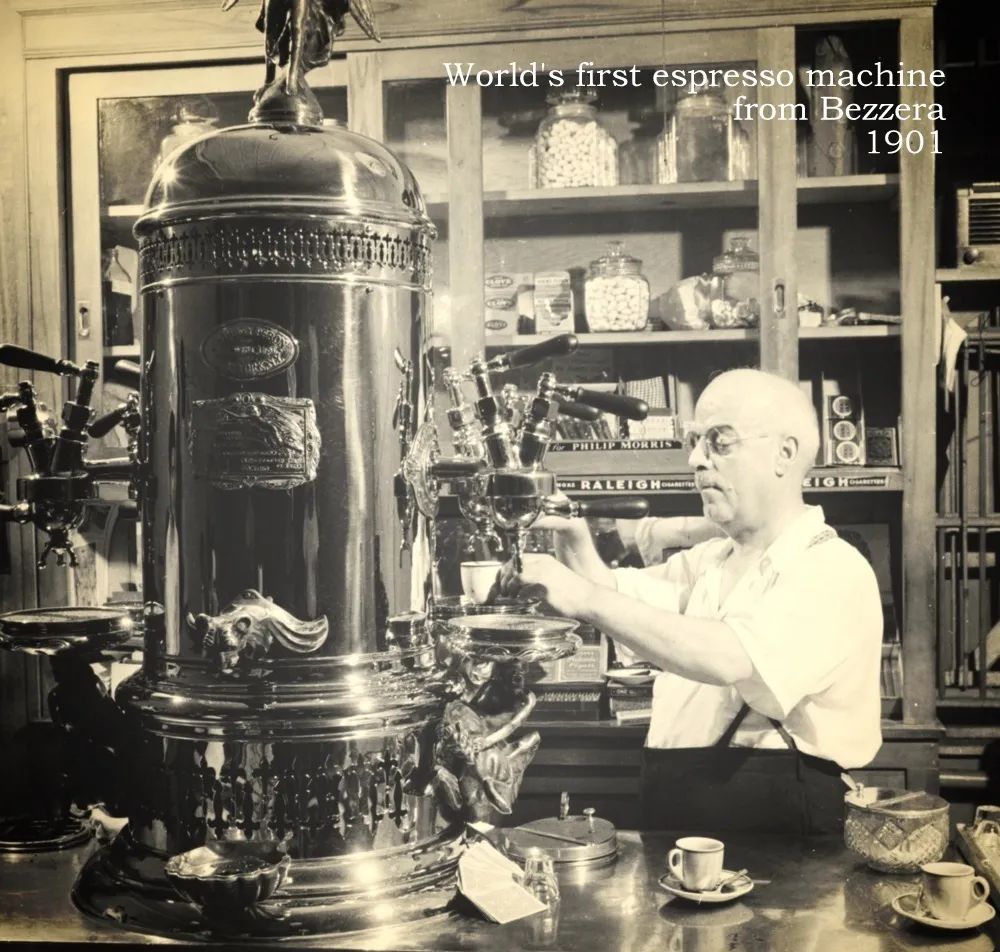
The prototype of modern espresso was born during the Industrial Revolution. In 1884, Angelo Moriondo obtained the first patent for a steam-powered coffee machine in Turin, but due to the technological limitations of the time, this purely steam-heated device often led to over-extraction and burnt, bitter flavors. It wasn’t until the early 20th century that Luigi Bezzera made significant design improvements, introducing a prototype with a detachable handle and high-pressure extraction capabilities, truly laying the technical foundation for modern espresso.
The term “espresso” was officially included in the Italian dictionary around 1920, defined as “concentrated coffee made using a pressurized device.” The truly revolutionary breakthrough came in 1938 with engineer Achille Gaggia’s lever-operated pressure system, which could instantly increase water pressure from 1.5 bar to 9 bar. This innovation not only created the iconic coffee crema but also allowed for precise control over the extraction process.
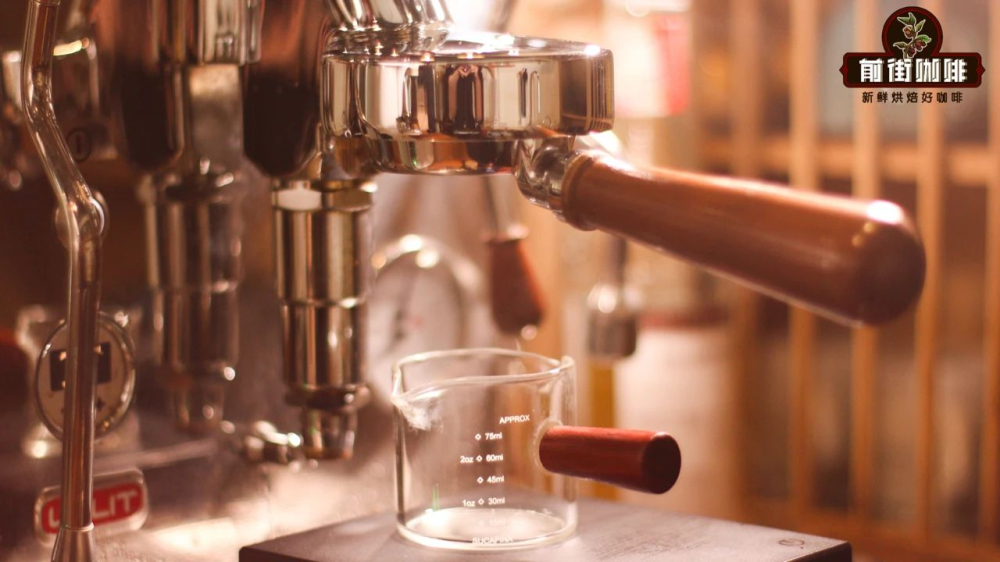
In the standard preparation of modern espresso, a single shot (1 shot) typically uses 10–11 grams of finely ground coffee, aiming to extract 20–25 grams of coffee liquid, with an ideal extraction time of around 22 seconds. A double shot (2 shots) requires 19–20 grams of coffee grounds, producing 35–40 grams of liquid, with an extraction time extended to 28–30 seconds. These parameters may vary depending on the grinder model, coffee bean freshness, and grind fineness. Beginners are advised to experiment to find the optimal balance.
In terms of key variable control:Coffee-to-water ratioIt is recommended to start with a 1:2 ratio (e.g., 20 grams of coffee grounds yielding 40 grams of liquid).Water temperatureIs generally set within the range of 92–94°C, whilegrind sizeShould be adjusted to ensure a stable flow rate—too coarse can lead to under-extraction (resulting in a thin, weak taste), while too fine can cause over-extraction (producing burnt, bitter off-flavors). Pay special attention to ensuring uniform puck density when tamping, as this is the foundation for stable extraction.

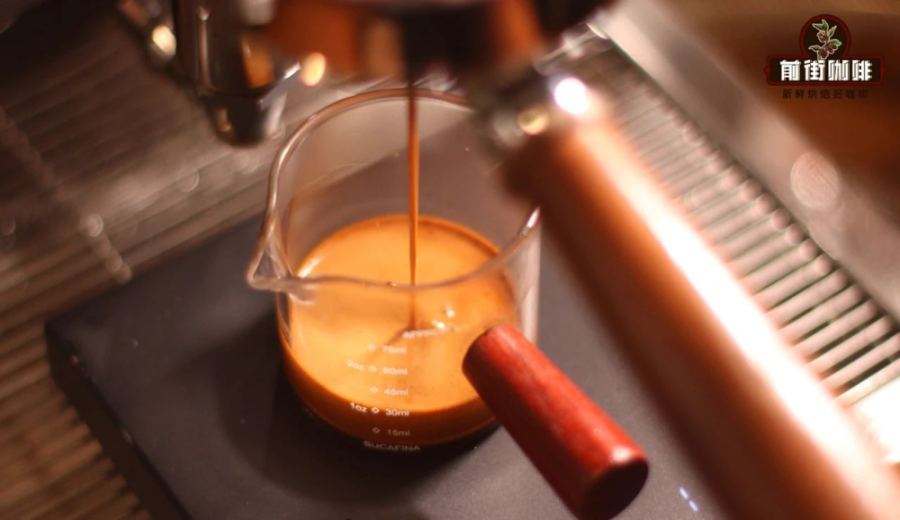
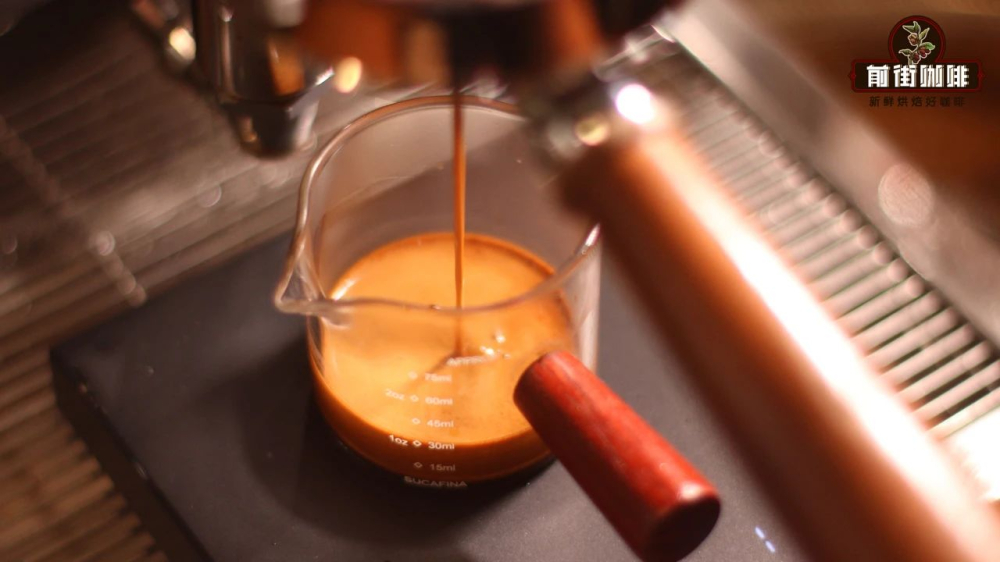
In the actual brewing process, first ensure the portafilter basket is completely dry, then evenly distribute freshly ground fine coffee. Using a distribution tool can significantly improve extraction consistency. Next, tamp the coffee puck with 30–40 pounds of pressure, ensuring the surface is level and crack-free. Before extraction, preheat the group head with a small amount of hot water, then immediately start brewing once the portafilter is attached. Observe that the initial flow should be a thin, amber stream, with a distinct golden crema layer appearing after about 4 seconds.
The formation of coffee crema (crema) relies on three elements: sufficient extraction pressure (around 9 bar), appropriate carbon dioxide content (from freshly roasted beans), and precise grind fineness. This dense foam not only enhances visual appeal but also slows flavor dissipation and improves texture complexity. Ideal crema should have a hazelnut color, a thickness of about 3–5 mm, and last for more than a minute.
For home users, it is recommended to use a professional-grade grinder (such as one with stepless or stepped micro-adjustment features) and prioritize dark-roasted blends. Typical Italian blends mix neutral base beans like Brazil and Sumatra with some Central American beans to balance acidity. Freshness is extremely important—use coffee beans roasted 7–21 days prior, and store them in a cool, dry, and light-proof environment.
Common issues include: fast flow rate (possible causes: too coarse grind or insufficient tamping), pronounced sourness (possible causes: under-extraction or low water temperature), and excessive bitterness (possible causes: over-extraction or too fine grind). Solutions require systematic parameter adjustments. It is advised to change only one variable at a time and record results, gradually developing a personalized optimal extraction method.
For extended applications, after mastering standard espresso, you can try adjusting ratios to make Ristretto (shorten extraction time to 15–20 seconds for a more intense, shorter shot) or Lungo (extend to over 35 seconds to extract more liquid). An example of common double shot parameters used by professionals: using 18–20 grams of coffee, aiming for 36–40 grams of liquid, with the grind setting at “2” (medium-fine), and total extraction time maintained within 28±2 seconds.
The above content is compiled by CoffeeHunters, a coffee news website.


