







Introduction:The Kilimanjaro region of Tanzania, nurtured by high altitudes and volcanic soil, produces coffee beans with unique flavors. This article delves into the region’s geographical and climatic background, the evolution of its coffee cultivation history, the distribution of its nine major producing areas, and introduces Africa’s coffee grading system based on bean size. Through the actual pour over performance of washed Typica beans, it guides you to master brewing techniques that highlight its gentle acidity, citrus and berry aromas, as well as honey and nutty finish.
The African continent is known as the "Plateau Continent" due to its vast highland terrain, which accounts for over 60% of its total area. Among these, East Africa stands out as a significant source of specialty coffee globally, thanks to its high elevations, fertile volcanic soils, and abundant water resources. As a representative coffee-producing country in East Africa, Tanzania has long enjoyed the reputation of being the "Gentleman of Coffee," and its Kilimanjaro region is an internationally renowned source of high-quality coffee. This article will take readers on a journey to explore Tanzania’s geography and climate, the historical development of its coffee cultivation, the distribution of its main producing regions, and Africa’s unique grading system based on coffee bean size. We will also analyze the flavor profile of washed Typica beans during pour over brewing — including its gentle acidity, distinct citrus and berry aromas, honey and nutty sweetness, and balanced tea-like mouthfeel.
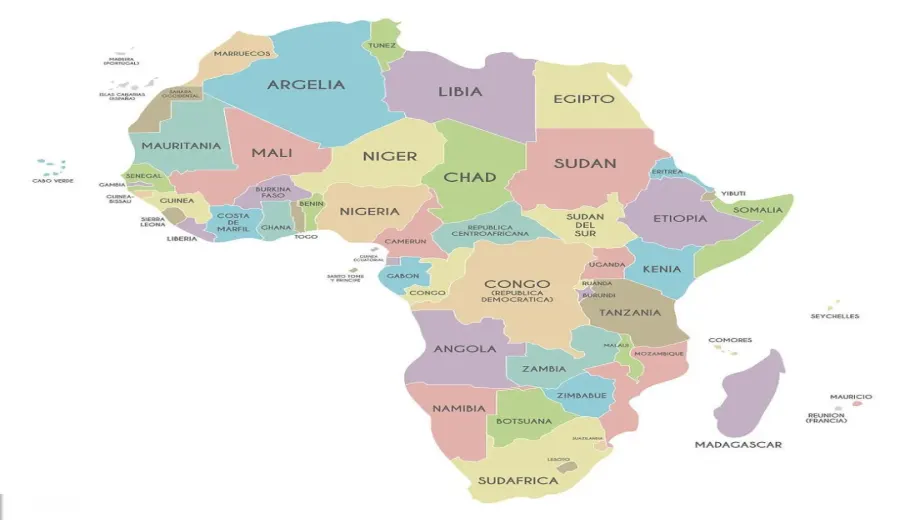
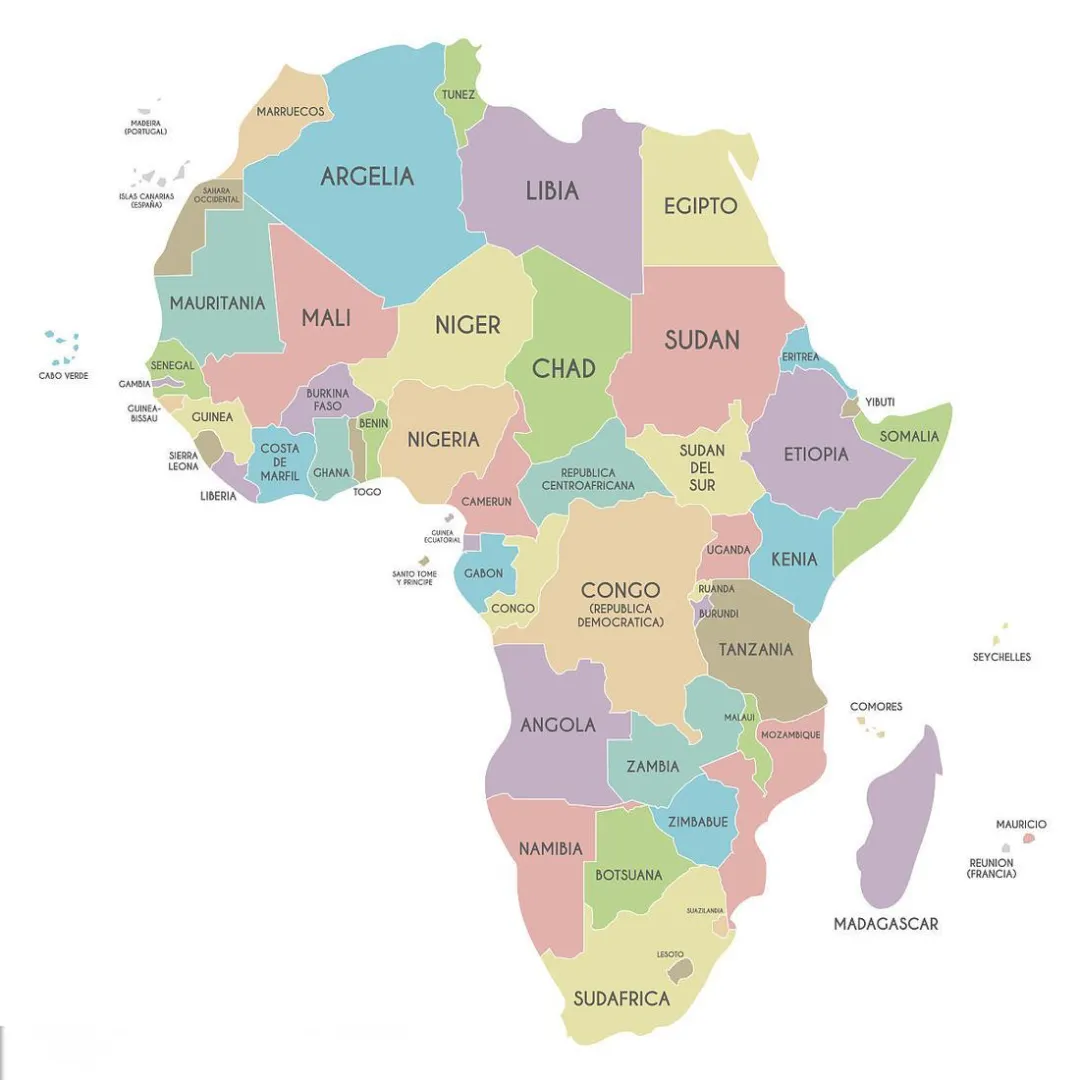 Among the seven continents, Africa ranks second in size and is predominantly characterized by plateaus, which cover over 60% of its total land area, earning it the title of the "Plateau Continent." Africa is generally divided into regions such as North Africa, Central Africa, Southern Africa, and West Africa, with coffee cultivation heavily concentrated in East Africa.
East Africa is primarily composed of plateau terrain, with most areas situated at elevations above 1,000 meters, making it the highest-altitude region in Africa. The East African Rift Valley, stretching from north to south across the region, features numerous volcanoes, lava plateaus, and lakes along its path. The area mainly experiences a tropical savanna climate, but high-altitude zones present cool and humid microclimates, providing ideal growing conditions for crops like coffee. As a result, East Africa is home to several renowned specialty coffee producing regions, including Ethiopia, Kenya, Tanzania, and Rwanda. Among them, Tanzania is honored as the "Gentleman of Coffee" for its coffee quality and culture.
Located in East Africa, Tanzania features an overall terrain that is higher in the northwest and lower in the southeast. Its southeastern part consists of coastal plains, while the western inland areas are dominated by plateau landforms. The East African Rift Valley diverges into eastern and western branches from north of Lake Malawi, running through Tanzania from north to south and hosting Africa’s highest peak — Mount Kilimanjaro.
 Due to its proximity to the equator, Tanzania’s eastern coastal and low-altitude areas experience a tropical savanna climate, while the western highlands exhibit characteristics of a tropical mountain climate, with average annual temperatures ranging between 21°C and 26°C. The country as a whole receives relatively low rainfall, with many areas getting less than 1,000 millimeters annually. However, Tanzania boasts abundant water resources, including numerous rivers and large lakes such as three of Africa’s largest. These lakes are located along Tanzania’s borders. The combination of high-altitude mountainous regions, mineral-rich volcanic soils, and ample water supply creates ideal conditions for producing high-quality coffee in Tanzania.
Currently, Tanzania is divided into nine major coffee-producing regions, among which the more well-known include Kilimanjaro, Arusha, Ruvuma, Mbeya, Tarime, and Kigoma. These regions are spread across various parts of Tanzania, each with its own unique microclimates and soil characteristics.
Dating back to the 19th century, Tanzania was once a German colony where coffee was introduced and initial trial plantings were carried out, starting in the northern Bukoba region. However, due to ongoing friction with local residents, the planting program made limited progress. Later, coffee cultivation gradually expanded to other areas, though it remained focused on the north. After gaining independence, the Tanzanian government actively promoted the development of the coffee industry and implemented a series of reform measures. However, a widespread outbreak of coffee leaf rust led to a sharp decline in production, forcing coffee-growing regions to gradually shift toward the south and east.
Among the many producing regions, Kilimanjaro, Arusha, and Oldeani are all located around Mount Kilimanjaro, Africa’s highest peak. This volcano lies in northeastern Tanzania and consists of three extinct volcanoes — Kibo, Mawenzi, and Shira — with its summit covered in snow year-round. Coffee-growing areas are primarily distributed between elevations of 1,050 and 2,500 meters. The high altitude, fertile volcanic soils, and pure water from melting snow at the summit make this region the most suitable for coffee cultivation in Tanzania.
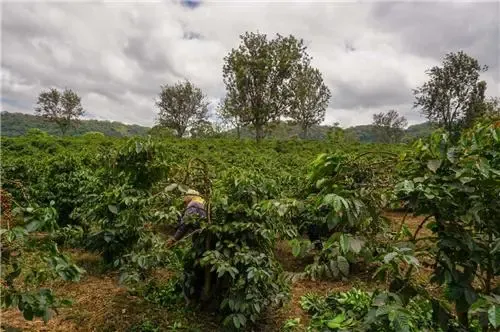 The southern foothills of the volcano form the Kilimanjaro coffee region, which is also home to its capital, Moshi. This area hosts Tanzania’s largest coffee trading and processing center, responsible for handling and exporting coffee beans produced in the region.
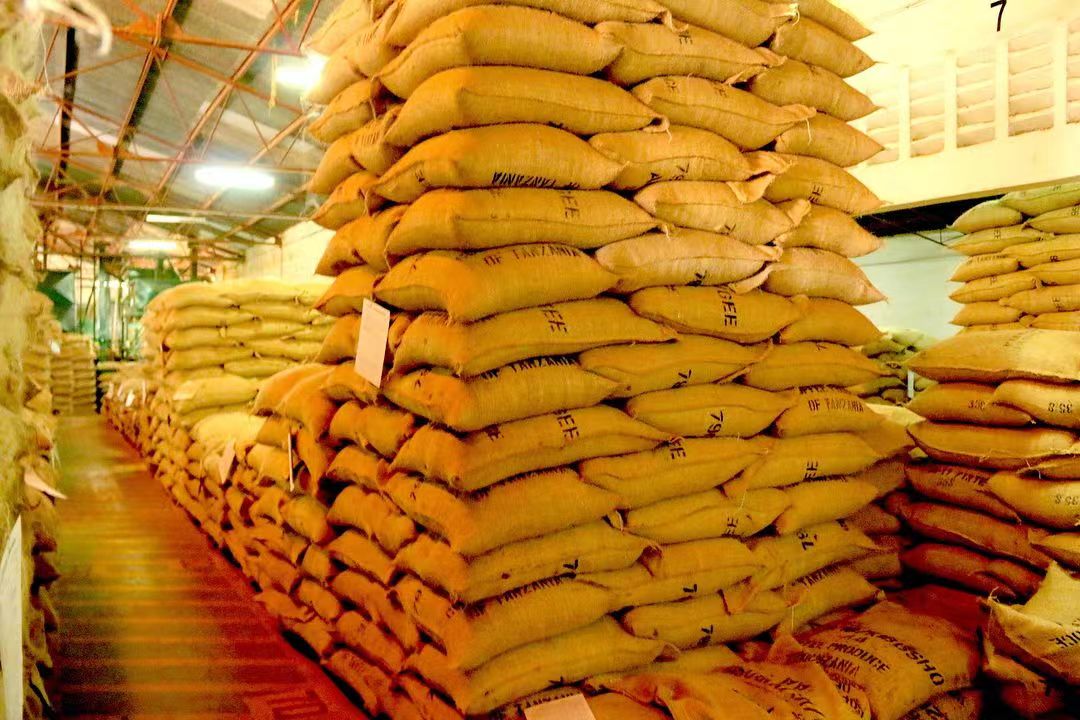
Tanzania’s coffee grading system is similar to that of its neighbor Kenya, using the size of green coffee beans as the primary criterion. During the sorting process, beans are graded by passing through sieves with fixed apertures. The larger the sieve number, the bigger the beans that pass through, usually indicating a higher commercial grade.
Taking a commonly available pour over bean as an example, a well-known coffee brand offers Kilimanjaro beans of the historic Typica variety, processed via the washed method. Compared to the more common natural (sun-dried) process, the washed method involves more complex steps: first, the coffee fruit’s skin and pulp are mechanically removed, then the depulped beans are placed in fermentation tanks to break down the mucilage layer through fermentation. Residual mucilage is subsequently washed away with clean water multiple times, after which the beans are evenly spread out and dried for 1 to 2 weeks. Once dried, the beans can be stored and transported. The washed process imparts a cleaner, more stable flavor profile to the coffee, reduces defect rates, highlights bright acidity, and helps showcase the bean’s intrinsic flavor characteristics.
When actually brewing this Kilimanjaro coffee via pour over, one can perceive its relatively soft acidity, with clear citrus and berry aromas in the flavor profile, and a natural honey and nutty sweetness in the finish. The overall mouthfeel is delicate and leans toward a tea-like sensation, presenting a high degree of balance. It’s worth noting that although Tanzania shares the African coffee-producing stage with countries like Kenya and Rwanda, its coffee typically exhibits softer acidity than Kenyan beans, along with a fuller body and richer aroma. The overall flavor structure is more balanced, showcasing the distinctive characteristics of Tanzanian coffee. For brewing, it is recommended to use medium-light roasted beans, with water temperature between 90–93°C and grind size at medium-fine (e.g., sugar-like granules for a V60 filter), to accentuate its bright fruity acidity and layered complexity.
The above content is compiled by CoffeeHunters, a coffee news website.


