







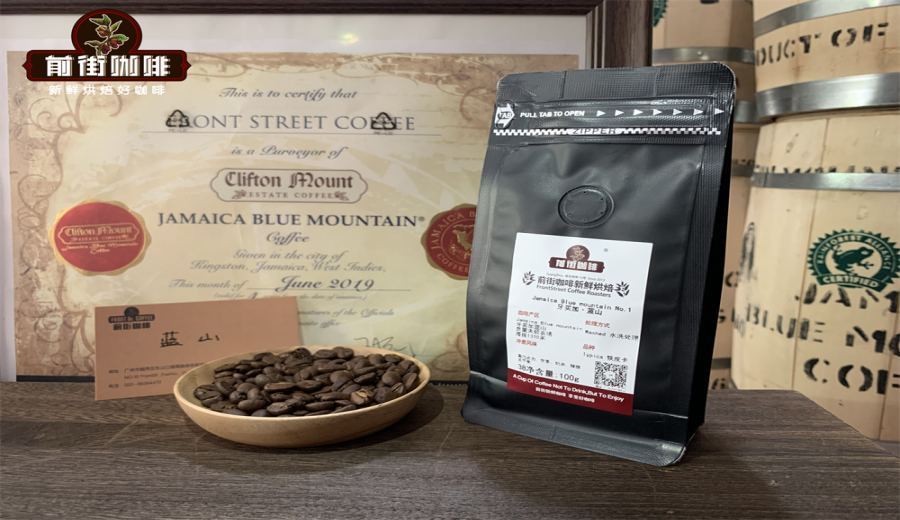
Introduction:Jamaican Blue Mountain coffee, with its irreplaceable flavor and prestigious status, has long been regarded as the pinnacle symbol of specialty coffee. However, the market is rife with misconceptions about its authenticity, origin, and sales. This article delves into the growing environment, variety characteristics, and rigorous grading system of Blue Mountain coffee, and explains in detail how to perfectly showcase its rich and balanced flavor through a three-stage pour over and an espresso machine. It serves as both an entry-level and advanced guide for those who love Blue Mountain or seek a high-end coffee experience.
Jamaican Blue Mountain coffee is truly a legend among global specialty coffees, long enjoying an exceptional reputation while also surrounded by numerous misunderstandings. From its sky-high market pricing to rumors such as "all exported to Japan" or "no genuine products available domestically," many coffee enthusiasts are both drawn to and puzzled by it. This article will take you step-by-step through the origin, variety, and grading system to understand the real Blue Mountain coffee, analyze its unique flavors, and offer practical pour over and espresso brewing suggestions so you can enjoy a cup at home that closely resembles the original Jamaican flavor.
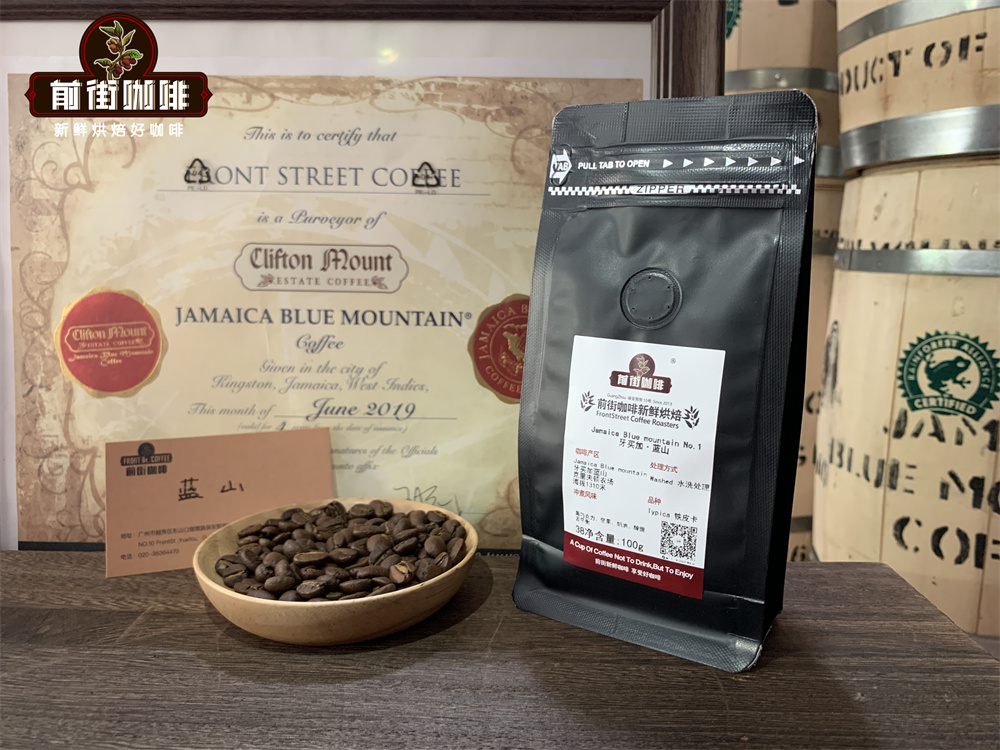
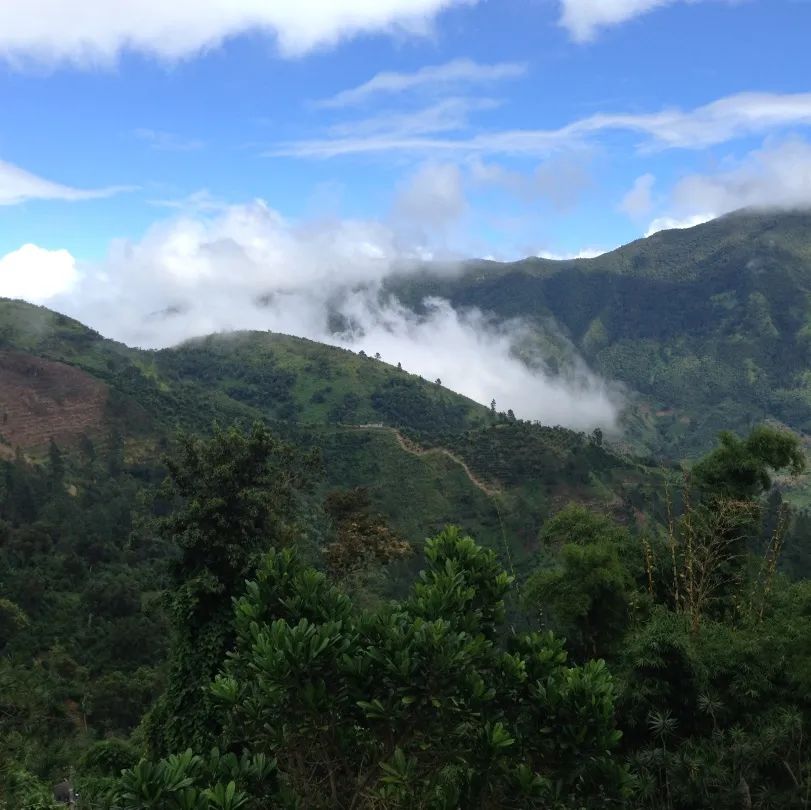
The fame of Jamaican Blue Mountain coffee stems from its uniquely favorable geographical environment. The producing area is located in the Blue Mountains of Jamaica, with altitudes generally reaching above 1,200 meters, and premium-growing regions reaching around 1,310 meters. The high altitude brings significant diurnal temperature variation, fertile volcanic soil, and even rainfall, all of which contribute to the delicate, balanced, and layered taste profile of Blue Mountain coffee. The main variety planted here is Typica, one of the most classic varieties within the Arabica family, which demands very high environmental conditions but therefore produces unparalleled flavor characteristics.
Blue Mountain coffee is subdivided into multiple grades based on the quality of the green beans, with "Blue Mountain No. 1" being the highest grade, selecting only beans of uniform size with minimal defects. In terms of processing, most are washed, ensuring a clean and bright flavor while retaining the coffee’s inherent sweetness and subtle acidity. Such high-grade Blue Mountain beans are limited in global market supply, hence their relatively high prices — but not as unattainably expensive as rumored. Taking the common 100g of Blue Mountain No. 1 as an example, the price is around 150 to 160 yuan, which is still within a reasonable range compared to some top-tier Geisha coffees.
Regarding the market rumor that "all Blue Mountain coffee is bought by the Japanese," it actually stems from an early priority purchase agreement signed between Japan and Jamaica, which led to a high proportion of Blue Mountain coffee being exported to the Japanese market before 2011. However, that agreement expired in 2011, and since then Blue Mountain coffee has been reopened to the global market. Consumers in Taiwan, Hong Kong, and mainland China can all purchase genuine products through official channels. As for the claim that "there is no real Blue Mountain domestically," it was debunked after 2011, with the first batch of genuine products introduced that same year.
Additionally, counterfeit Blue Mountain products commonly found in the market can be roughly divided into two types: one is “blended flavor Blue Mountain,” where the packaging prominently displays "Blue Mountain" followed by words like "blend" or "flavored." These products are not pure Blue Mountain but rather marketing tactics used by merchants to ride the trend; the other type is outright counterfeiting, where the outer box labels Blue Mountain but the content consists of beans from other origins, constituting clear fraud. Consumers can report such cases to relevant authorities to protect their rights.
Authentic Jamaican Blue Mountain No. 1 coffee has an exceptionally balanced flavor profile, often hailed as the textbook of black coffee. After medium-dark roasting, its flavor profile clearly presents layers of dark chocolate, nuts, cream, and cocoa, with gentle acidity, pronounced sweetness, overall high cleanliness, and a long-lasting aftertaste. These flavor traits are especially evident during cupping, particularly when the coffee is cupped within eight hours post-roast, allowing the most complete experience of its refined balance.
If you want to brew a cup of coffee at home that closely resembles the original Blue Mountain flavor, it is recommended to use freshly roasted Blue Mountain No. 1 beans. The optimal flavor window is 4 to 7 days post-roast, when the beans’ flavor expression is most vibrant. It is recommended to use a KONO filter and a three-stage pour over method to fully present the richness and sweetness of Blue Mountain coffee. Specific parameters are as follows: 15g of coffee grounds, a 1:15 coffee-to-water ratio, water temperature of about 88°C, and grind size at 70% through a #20 sieve, equivalent to a medium-fine grind.
The pour over process can be divided into three stages of pouring: the first stage involves pouring 30ml of hot water for blooming, aiming to degas and awaken the coffee grounds; the second stage involves pouring 100ml to continue diffusion and extraction; the final stage involves a center pour of 95ml, performed gently and steadily to ensure even extraction. After filtration, gently swirl the coffee liquid before enjoying a cup of Blue Mountain pour over with balanced flavor and smooth mouthfeel.
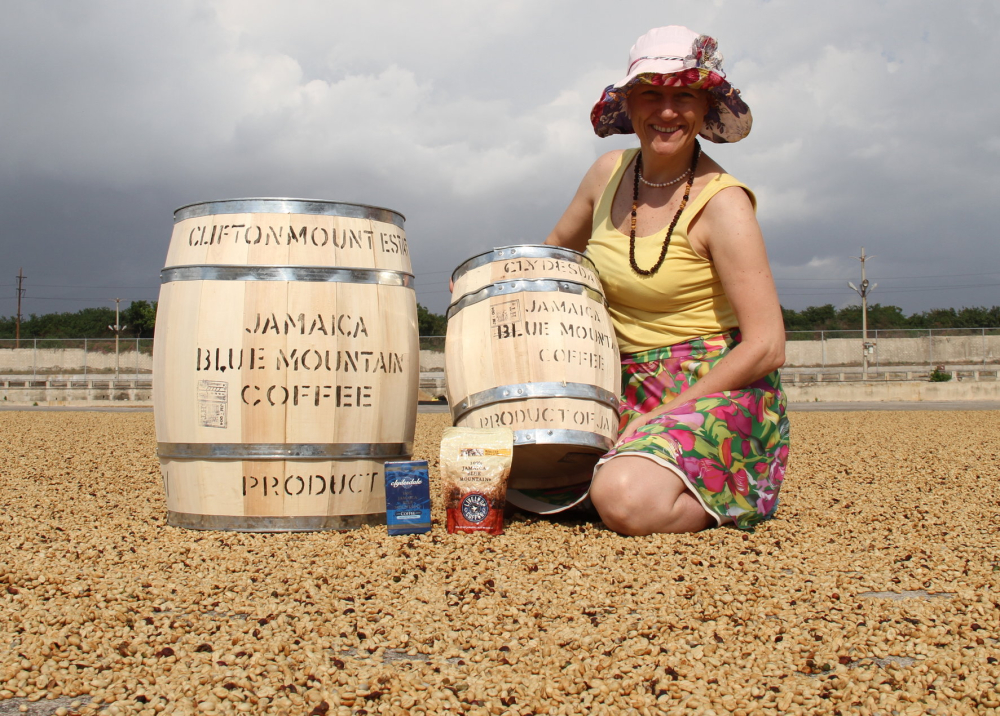
Blue Mountain No. 1 is not only suitable for pour over but can also be used in an espresso machine to make American-style black coffee. By selecting the appropriate roast level and extraction parameters, its rich aroma and layered complexity can also be showcased. It is recommended to use a double-shot portafilter, 20g of coffee grounds, and control the extraction time between 26 to 32 seconds, aiming to extract 40g of espresso. The coffee-to-water ratio is 1:2, and the grind setting is suggested at Galileo 2.0, a medium-fine to slightly finer grind that helps stabilize flow rate and ensure full extraction.
When making Blue Mountain No. 1 Americano, the aforementioned 40g of espresso can be mixed with approximately 180ml of 88°C hot water at a 1:4.5 ratio, resulting in a total volume of about 220ml, completing a cup of aromatic and smooth American-style black coffee. If you prefer a lighter flavor, you can adjust the water ratio according to personal taste, but it is recommended to maintain a certain base of espresso to preserve the delicate and layered qualities unique to Blue Mountain coffee.
The above content is compiled by CoffeeHunters, a coffee news website.


