







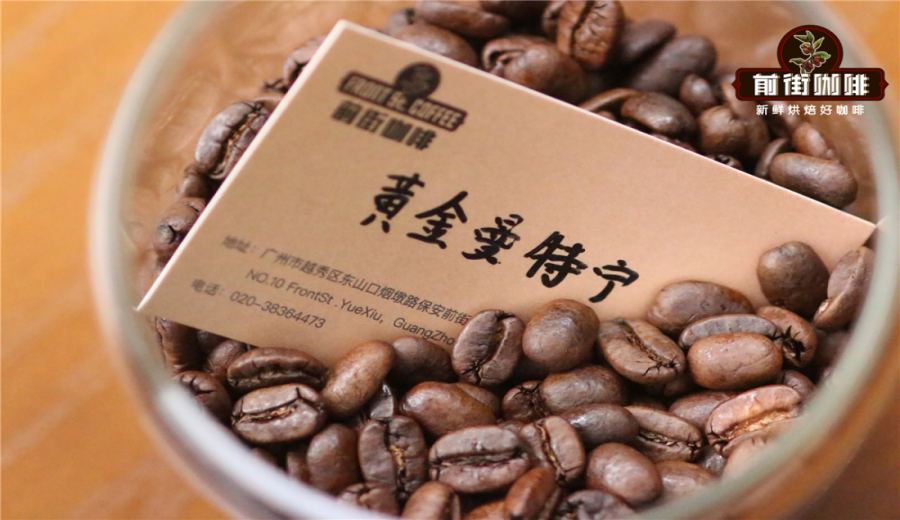
Introduction:Golden Mandheling is often regarded as a dark roast representative with pronounced bitterness and muted fruit acidity, but this perception is largely due to the medium-to-dark roasting methods commonly used. This article delves into the true performance of the same green bean at varying roast levels—from light-medium to medium-dark—to uncover the key aspects of its flavor transformation. Practical brewing references are also provided to help you find your ideal cup of Golden Mandheling.
When it comes to Golden Mandheling, many people immediately picture a rich, bold cup with strong bitterness and almost no perceivable fruit acidity. This impression mainly stems from the fact that most Golden Mandheling on the market is roasted to a medium-dark or even darker level—for example, the popular PWN Golden Mandheling is typically presented at this roast degree. However, if we go back to the green bean stage, Golden Mandheling actually possesses considerable acidity potential. As the roast level transitions from light to dark, its fruit acidity shifts from intense to mild, and may even nearly disappear.
This article will provide a detailed analysis of the actual flavor profiles of Golden Mandheling under three common roast levels: medium-dark (Full City), medium (City), and light-medium (City+). It will help you choose the roast style that best suits your personal taste preferences. Additionally, brewing parameter suggestions for each roast level are included, so you can replicate a café-quality cup at home.
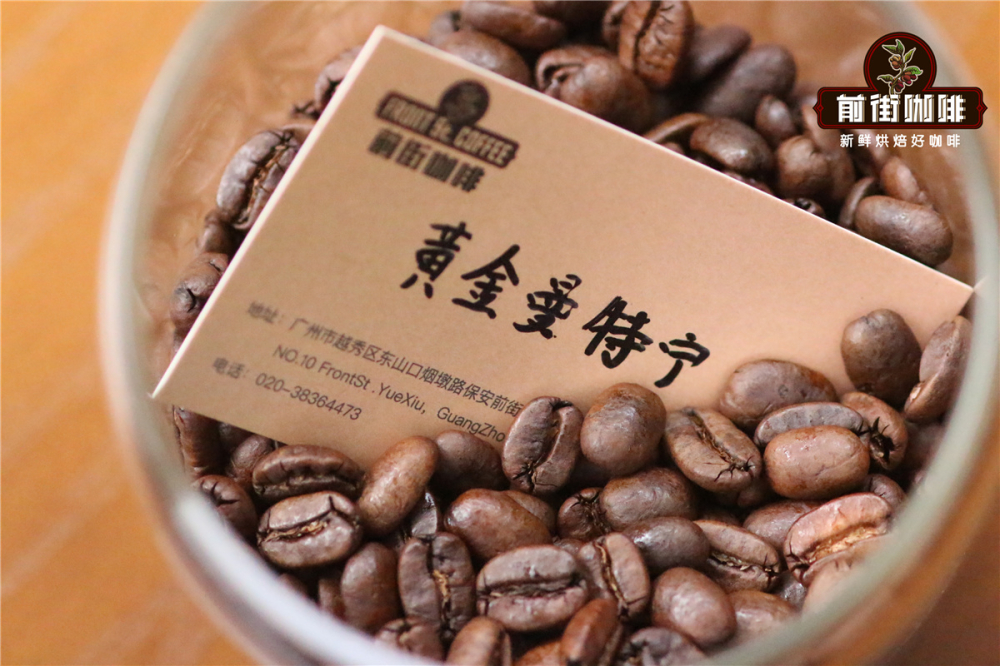
First, the commonly available medium-dark roasted (around Full City, just before or around the end of first crack) Golden Mandheling generally delivers a rich and full-bodied mouthfeel. This roast level effectively highlights the bean’s spicy, herbal, and cedar-like aromas, while Maillard reactions bring out pronounced sweet notes such as caramel, dark chocolate, roasted hazelnuts, almonds, and maple syrup. The overall bitterness is more prominent, but sweetness and licorice-like notes are clearly distinguishable. Acidity is extremely low, and the texture is smooth with a stable, albeit not complex, flavor profile. This roast level is compatible with a wide range of brewing methods, including pour over, French press, moka pot, siphon, clever dripper, and even electric coffee machines.
Upon closer inspection, while the aroma of medium-dark roasted Golden Mandheling is intense, it tends to be slightly less nuanced in complexity. The overall flavor leans towards a sturdy and deep character, making it well-suited for drinkers who prefer bold tastes and low acidity. However, this is not the only face of Golden Mandheling.
From another perspective, Golden Mandheling green beans actually possess significant acidity potential. Once the roast level is adjusted, its flavor profile undergoes a notable transformation. At a light-medium roast (such as City+, from the start of first crack to just after it ends), the fruit acidity becomes significantly more pronounced. Some drinkers may even find the acidity a bit sharp, but it is also accompanied by excellent smoothness and a lingering sweet aftertaste. At this stage, Mandheling sheds the rough, robust “MANly” character typical of dark roasts and instead reveals a fresh and lively side, making it an excellent choice for those who enjoy fruity and acidic profiles.
Medium roast (City, from the early to dense phase of first crack) represents the most balanced expression among the three roast levels. Compared to medium-dark, it has less heaviness and smokiness, and offers more clarity and softness. With this roast, the bitterness of Golden Mandheling is still present but noticeably restrained, while the acidity is more prominent than in medium-dark roasts. The cup exhibits higher purity and smoother texture compared to darker roasts. If you’re not a fan of strong fruit acidity, this roast level might be close to your limit—but for those seeking balance and nuance, it’s definitely worth a try.
In summary, the “non-acidic” impression of Golden Mandheling is actually the result of roasting strategy. If you’re accustomed to the bold, low-acid, and sweet style of medium-dark roasts, you can continue to opt for the Full City level. If you want to explore more layers and a fresher profile, give light-medium or medium roasts a try and experience how the same green bean transforms under different heat levels. Remember to adjust grind size and water temperature according to the roast level—for example, use a finer grind and slightly higher water temperature (around 92–94°C) for light-medium roasts, and a slightly coarser grind with lower water temperature (around 90–92°C) for medium-dark roasts, to bring out the most desirable flavor characteristics.
The above content is compiled by CoffeeHunters, a coffee news website.


